

 Pregledaj u prostoru
 Pošalji
 Podeli
 Detalji o delu

 Преузми
 Slični predmeti
 Rendgenski snimak
 Slajdovi
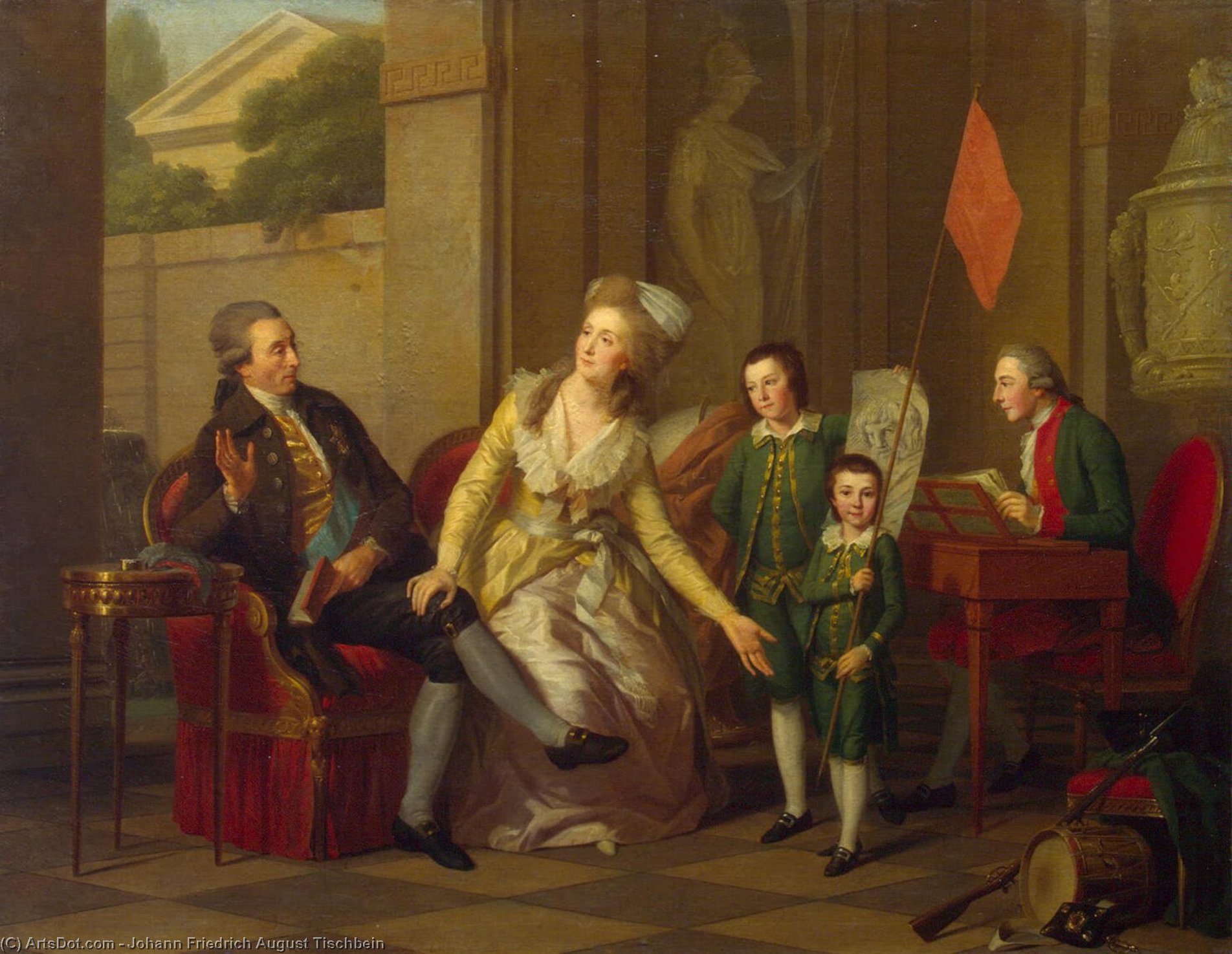
Portrait of the Saltykov Family
 Acrylic On Canvas
- WallArt
- Neoclassical Portraiture
 1782
1782 115.0 x 147.0 cm
 Hermitage Museum
 Pročitaj više
Ručno rađena uljana reprodukcija
Ručno oslikano uljanim bojama na platnu u dimenzijama i okviru po vašem izboru, izrađeno po porudžbini od strane naših umetnika. ( Kupi print Kupi digitalnu sliku)




P118B $10

P118H $10

P118W $10

P438Z $10

P508JH $12

P508YH $12

P805H $10

P805Z $10

P919BZ $10

P919G $10

P919XJ $10

P959ZH $10

P968JZ $12

W106C $8

W218G $10

W218JH $8

W218Y $10

W307PJ $10

W316G $10

W316PJ $8

W316Y $10

W398PJ $8

W4111J $10

W500HY $15

W500JH $15

W692G $12

W849H $8

W940BG $15

W953PJ $8




Izaberite jednu od naših unapred definisanih veličina koje odgovaraju originalnim proporcijama umetničkog dela.

Можете унети сопствене димензије како бисте прилагодили дело одређеном оквиру или простору. Ако одабрана величина не одговара пропорцијама оригинала, слика ће бити исечена или проширена додатним елементима који се ручно насликавају. Дигитални prikaz ће вам бити послат на одобрење пре почетка производње.
Имајте на уму да преглед на екрану не одражава стварно исецање или проширење. Само приказ (mockup) ће тачно приказати коначну композицију.
Иако су доступне прилагођене величине, препоручујемо да одаберете димензију из дефинисане листе како бисте сачували оригиналне пропорције.
Nakon narudžbine, tim ArtsDot.com će klijentu putem e-pošte poslati uputstva i dostaviti prikaz predloženog rešenja
Isporuka širom sveta () za 3/4 nedelje umesto uobičajenih 5 nedelja. (5 септембар). Bez kompromisa po pitanju kvaliteta.

Besplatna ekspresna dostava širom sveta

Visokokvalitetno laneno platno

Kompletno osiguranje transporta

Garancija povraćaja carine i uvoznih dažbina

Garancija vernosti boja

Politika povrata u roku od 60 dana (samo u slučaju nedostataka)

Garancija povrata novca od 100%

Popust pri grupnoj kupovini
 Opcija sa staklom dostupna je samo za dimenzije manje od 110 cm

Portrait of the Saltykov Family
Tehnika reprodukcije
Dimenzije reprodukcije
-


Konačna cena
$ 263
A Glimpse into a Family Portraiture Tradition
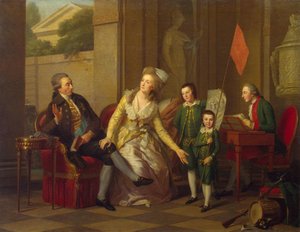
Johann Friedrich August Tischbein’s “Portrait of the Saltykov Family” is more than just a depiction of six individuals seated within a richly appointed room; it's a meticulously crafted window into the social and artistic conventions of 18th-century Russia. Painted in 1782, during a period of burgeoning artistic patronage under Catherine the Great, the work exemplifies the Neoclassical style’s emphasis on clarity, order, and idealized representation – yet infused with a subtle realism that speaks to the complexities of family life.
The painting immediately draws the eye to the central figures: a woman, likely the matriarch of the family, and her young child. Their placement within the composition is deliberate, suggesting a familial hierarchy and highlighting their importance. The other members – a gentleman, a younger boy, and two women – are arranged around them in a manner that subtly conveys relationships and social standing. The inclusion of multiple chairs, each occupied by a different family member, creates a dynamic tableau, hinting at conversation and shared experience—a rare intimacy captured within the formal setting.
Technique and Detail: A Master’s Hand
Tischbein's skill as a portraitist is immediately apparent in the remarkably detailed rendering of fabrics, textures, and facial features. The use of light and shadow – *chiaroscuro* – creates a sense of depth and volume, bringing the figures to life with an almost palpable realism. Note the intricate folds of the woman’s gown, the delicate embroidery on her sleeve, and the subtle variations in skin tone that convey individual character. The artist's attention to detail extends beyond the human subjects; observe the carefully rendered details of the dining table, the vase holding flowers, and even the umbrella resting near the top right corner – each element contributing to a cohesive and believable scene.
The painting’s palette is restrained yet elegant, dominated by warm earth tones—ochres, browns, and creams—that evoke a sense of comfort and stability. The use of subtle highlights adds vibrancy and draws the eye to key focal points within the composition. Tischbein's brushwork is precise and controlled, reflecting his mastery of technique and his commitment to capturing the essence of his subjects.
Symbolism and Social Context
Beyond its technical merits, “Portrait of the Saltykov Family” offers a fascinating glimpse into the social customs and values of 18th-century Russia. The family’s wealth is evident in their luxurious surroundings—the ornate furniture, the fine fabrics, and the abundance of decorative objects. The presence of the umbrella suggests an awareness of inclement weather and perhaps a subtle commentary on the unpredictable nature of life. The painting also reflects the importance of lineage and social status within Russian society – the careful arrangement of figures underscores the family’s position within the social hierarchy.
Furthermore, the inclusion of multiple generations—the matriarch, her child, and younger relatives—highlights the significance of familial continuity and the transmission of values across time. The painting serves as a visual testament to the enduring power of family bonds in Russian culture.
A Legacy of Artistic Excellence
Johann Friedrich August Tischbein was a prominent figure in the German art scene, known for his portraits of nobility and members of the royal court. “Portrait of the Saltykov Family” stands as one of his most celebrated works, showcasing his exceptional talent and artistic vision. Reproductions of this captivating painting offer an opportunity to appreciate its beauty and historical significance—a chance to connect with a bygone era and gain insight into the lives and values of a wealthy Russian family. It’s a piece that continues to resonate today, inviting viewers to contemplate the enduring themes of family, status, and artistic representation.
Srodna umetnička dela

Biografija umetnika
The Legacy of the Leipziger Tischbein
Johann Friedrich August Tischbein, a name whispered with reverence in the corridors of German art history, remains an enduring symbol of late 18th-century refinement. Known affectionately as the Leipziger Tischbein, his life was a tapestry woven from the threads of a distinguished artistic lineage. Born in Maastricht, Netherlands, in 1750, he was the son of the celebrated set painter Johann Valentin Tischbein. This early immersion in the theatrical and visual arts provided him with a unique foundation, blending the grand scale of stagecraft with the intimate precision required for portraiture. His formative years were shaped under the watchful eye of his uncle, Johann Heinrich Tischbein, in Kassel, where he mastered the lingering elegance of Baroque principles before the winds of Neoclassicism began to reshape the European landscape.
The trajectory of Tischbein’s genius was irrevocably altered by his wanderlust and his pursuit of excellence beyond German borders. In 1768, a transformative journey took him to Paris, the beating heart of artistic innovation. Within the vibrant studios of Johann Georg Wille, Tischbein underwent a profound stylistic evolution. He moved away from the heavy ornamentation of his youth, embracing instead the clarity, structure, and meticulous detail that defined the emerging Neoclassical movement. This Parisian sojourn did more than refine his brushwork; it expanded his intellectual horizons, allowing him to absorb the very essence of French sophistication which he would later translate into his German commissions.
A Journey Through the Heart of Europe
Tischbein’s artistic maturation continued through an ambitious expedition across Italy in 1777, a voyage that served as both a pilgrimage and a professional milestone. It was during this period of intense cultural immersion that he encountered the burgeoning talent of Jacques-Louis David. This meeting of minds between two masters of the era fostered a lasting collaboration, linking Tischbein to the vanguard of the Napoleonic artistic revolution. The influence of the Italian landscape and the classical ideals found in Rome infused his work with a timelessness, blending the structural rigor learned in Paris with a newfound sense of grace and historical depth.
Upon his return to Germany, Tischbein’s reputation preceded him, leading to a prestigious appointment as court painter to Friedrich Karl August, Prince of Waldeck and Pyrmont. His role was not merely that of a decorator of faces but a custodian of status and identity. As he settled into the artistic circles of Weimar, his work became a bridge between the old world of aristocratic splendor and the new era of enlightened portraiture. His ability to capture both the physical likeness and the psychological nuance of his subjects made him a sought-after figure among the European elite.
Artistic Mastery and Educational Influence
Beyond the canvas, Tischbein’s contribution to the art world was deeply rooted in his commitment to pedagogy and institutional growth. His influence extended far beyond his own studio through his leadership roles in Leipzig. As a director and overseer of the academy’s visual arts program, he played a crucial role in shaping the next generation of German painters. His dedication to formalizing art education ensured that the technical precision and aesthetic values he championed would endure long after his passing in 1812.
The significance of Johann Friedrich August Tischbein lies in his unique position as a transitional figure. His oeuvre represents a masterful synthesis of several eras:
- The Baroque Foundation: A lingering appreciation for drama and depth inherited from his father’s theatrical legacy.
- Neoclassical Precision: The disciplined, clean lines and anatomical accuracy acquired in the studios of Paris.
- The Spirit of Enlightenment: A focus on clarity, truth, and the dignified representation of the individual.
Today, his works stand as a testament to an era of profound cultural shift, reminding us of a time when portraiture was not merely about capturing a likeness, but about documenting the very soul of an age in transition.
Johann Friedrich August Tischbein
1750 - 1812 , Netherlands
Osnovne informacije
- Artistic Movement Or Style: Classical Rococo
- Artists Or Movements Influenced By This Artist: ['Jacob David']
- Artists Who Influenced This Artist:
- Johann Valentin Tischbein
- Johannes Georg Wille
- Date Of Birth: March 9, 1750
- Date Of Death: June 21, 1812
- Full Name: Johann Friedrich August Tischbein
- Nationality: German
- Notable Artworks:
- Portrait of Salomon Rendorp
- Portrait of Willem Arnold Alting
- William V
- Place Of Birth: Maastricht, Netherlands
Povezani članci
Ivan Bilibin: A Synthesis of Folklore, Modernism & National Identity in Russian Illustration
Explore the enchanting world of Ivan Bilibin, a master Russian illustrator who synthesized folklore, Art Nouveau & national identity. Discover his iconic fairy tale illustrations and legacy with ArtsDot.

Барокна драма: Уношење величине и емоција у савремене ентеријере
Откријте барокну драму и унесите величину у ваш ентеријер! ArtsDot нуди ручно насликане репродукције, персонализоване портрете и стручне консултације за љубитеље класичне уметности. Потражите савршено дело већ данас!

The Dramatic Flourish: Exploring the Baroque Movement's Enduring Legacy in Art History
Explore the dramatic world of Baroque art! Discover iconic artists like Caravaggio & Rubens, defining techniques, and its lasting impact on art history. Expert insights for collectors & enthusiasts at ArtsDot.

Barok Majstor dela: Top 10 Umjetničkih Remeka za Vaš Dom
Otkrijte 10 remek dela koja su definisala baroknu umetnost! Karavagio, Bernini i više – istražite priče iza ovih ikoničnih slika. Inspiracija za vaš dom? Pogledajte kolekciju na ArtsDot.com!
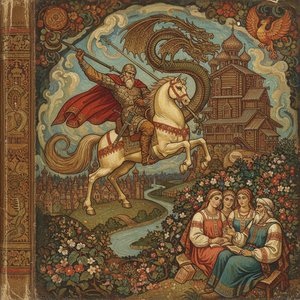
Victor Vasnetsov: Myth, Nationalism & the Revival of Russian Fairy Tale Painting
Explore the captivating world of Victor Vasnetsov, a co-founder of Russian folklorist painting. Discover his iconic works, influence on national identity, and lasting legacy in this expert guide.

