

 Pregledaj u prostoru
 Pošalji
 Podeli
 Detalji o delu

 Преузми
 Slični predmeti
 Rendgenski snimak
 Slajdovi
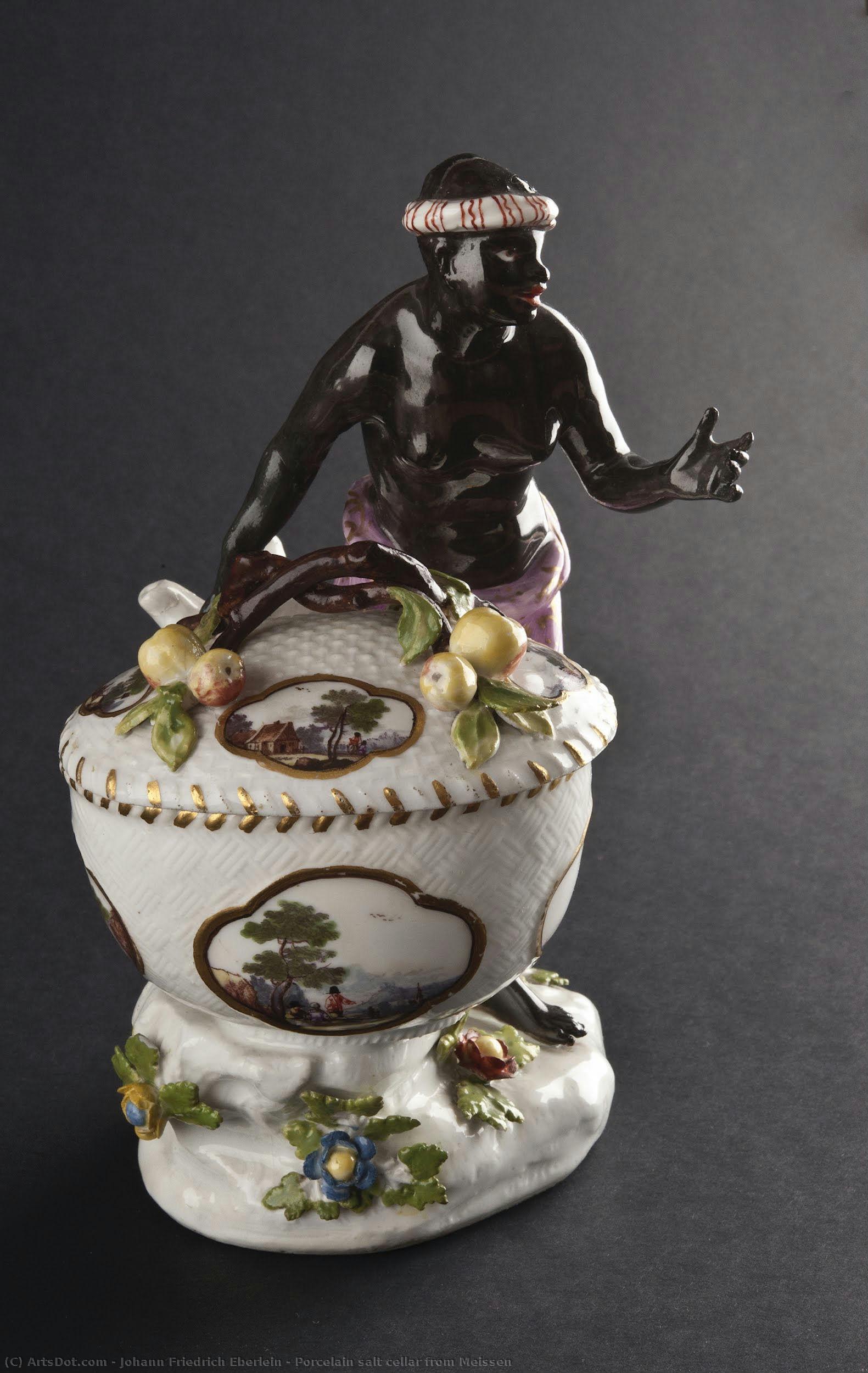
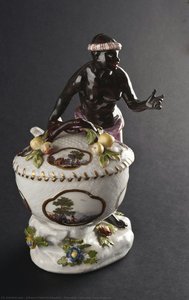
Porcelain salt cellar from Meissen


 Pročitaj više
Ručno rađena uljana reprodukcija
Ručno oslikano uljanim bojama na platnu u dimenzijama i okviru po vašem izboru, izrađeno po porudžbini od strane naših umetnika. ( Kupi print Kupi digitalnu sliku)




































Izaberite jednu od naših unapred definisanih veličina koje odgovaraju originalnim proporcijama umetničkog dela.

Можете унети сопствене димензије како бисте прилагодили дело одређеном оквиру или простору. Ако одабрана величина не одговара пропорцијама оригинала, слика ће бити исечена или проширена додатним елементима који се ручно насликавају. Дигитални prikaz ће вам бити послат на одобрење пре почетка производње.
Имајте на уму да преглед на екрану не одражава стварно исецање или проширење. Само приказ (mockup) ће тачно приказати коначну композицију.
Иако су доступне прилагођене величине, препоручујемо да одаберете димензију из дефинисане листе како бисте сачували оригиналне пропорције.
Nakon narudžbine, tim ArtsDot.com će klijentu putem e-pošte poslati uputstva i dostaviti prikaz predloženog rešenja
Isporuka širom sveta () za 3/4 nedelje umesto uobičajenih 5 nedelja. (29 август). Bez kompromisa po pitanju kvaliteta.

Besplatna ekspresna dostava širom sveta

Visokokvalitetno laneno platno

Kompletno osiguranje transporta

Garancija povraćaja carine i uvoznih dažbina

Garancija vernosti boja

Politika povrata u roku od 60 dana (samo u slučaju nedostataka)

Garancija povrata novca od 100%

Popust pri grupnoj kupovini
 Opcija sa staklom dostupna je samo za dimenzije manje od 110 cm

Porcelain salt cellar from Meissen
Tehnika reprodukcije
Dimenzije reprodukcije
-


Konačna cena
$ 263
Srodna umetnička dela







Biografija umetnika
The Silent Maestro of Meissen Porcelain
Johann Friedrich Eberlein (1695-1749) remains a figure shrouded in relative obscurity compared to his contemporaries – Johann Christian Reimarus and Johann Gottlieb Zahn – yet he stands as arguably the most influential porcelain artist of his era, shaping the aesthetic trajectory of Meissen’s golden age. Born in Dresden, Germany, Eberlein's life was marked by both artistic brilliance and personal tragedy, leaving behind a legacy that continues to inspire admiration for its understated elegance and profound technical mastery. While history often remembers the loudest voices, it is the quiet precision of Eberlein that defined the very soul of 18th-century European ceramic excellence.
The foundations of his unparalleled skill were laid during his formative years in Dresden, where he underwent a rigorous apprenticeship under Johann Christian Reimarus. As a prominent Meissen porcelain master and a champion of the burgeoning Rococo style, Reimarus provided Eberlein with more than just technical instruction; he instilled in him a meticulous attention to detail and a deep understanding of sculptural principles. This early training allowed Eberlein to bridge the gap between mere decoration and fine art, transforming functional vessels into miniature masterpieces of movement and form.
A Revolution of Form and Subtlety
By the mid-1730s, Eberlein had emerged as a respected force within the Meissen workshop, demonstrating an exceptional ability to model porcelain figures and vessels that captured the imagination of the European aristocracy. His distinctive style was a departure from the flamboyant exuberance often associated with his peers. Instead, Eberlein favored a sense of subtlety and restraint, prioritizing graceful curves and delicate ornamentation over excessive embellishment. His work is characterized by an almost unnerving stillness—a quality that gave his porcelain figures a lifelike yet ethereal presence.
This mastery was perhaps most evident in his ability to handle complex compositions. One of his most breathtaking achievements includes:
- The Porcelain Salt Cellar: A highly decorative and technically demanding piece featuring a figure of a woman from Africa, rendered with such artistry that the intricate textures of her basket and the delicate porcelain skin appear remarkably real.
- Gilt-Bronze Mounted Candelabra: Works that showcased his ability to integrate porcelain with precious metals, creating opulent centerpieces for the most prestigious 18th-century tablescapes.
Technical Innovation and Lasting Legacy
Beyond his aesthetic contributions, Eberlein was a true pioneer of ceramic science. He was instrumental in developing innovative techniques for achieving flawless surfaces and intricate textures, most notably through the refinement of pâte dure. This dense, biscuit-fired porcelain glaze allowed for a level of remarkably detailed sculpting that had previously been impossible, enabling artists to capture the finest folds of fabric or the subtle musculature of a figure. His technical breakthroughs were not merely personal triumphs; they were meticulously documented and disseminated throughout the Meissen workshop, profoundly impacting subsequent generations of artists.
The historical significance of Johann Friedrich Eberlein lies in his ability to elevate porcelain from a luxury craft to a high art form. Through his dedication to precision and his mastery of the Rococo spirit, he helped establish Meissen as the premier name in European ceramics. Even today, his works serve as a testament to an era where technical innovation and poetic grace met in the delicate medium of porcelain, leaving an indelible mark on the history of decorative arts.
johann friedrich eberlein
1695 - 1749 , Germany
Osnovne informacije
- Artistic Movement Or Style: Rococo
- Artists Or Movements Influenced By This Artist: ['European Decorative Arts']
- Artists Who Influenced This Artist: ['Meissen Porcelain Manufactory']
- Date Of Birth: 1695
- Full Name: Johann Friedrich Eberlein
- Nationality: German
- Notable Artworks:
- Candelabra
- Salt cellar
- Place Of Birth: Dresden, Germany

