

 Pregledaj u prostoru
 Pošalji
 Podeli
 Detalji o delu

 Преузми
 Slični predmeti
 Rendgenski snimak
 Slajdovi
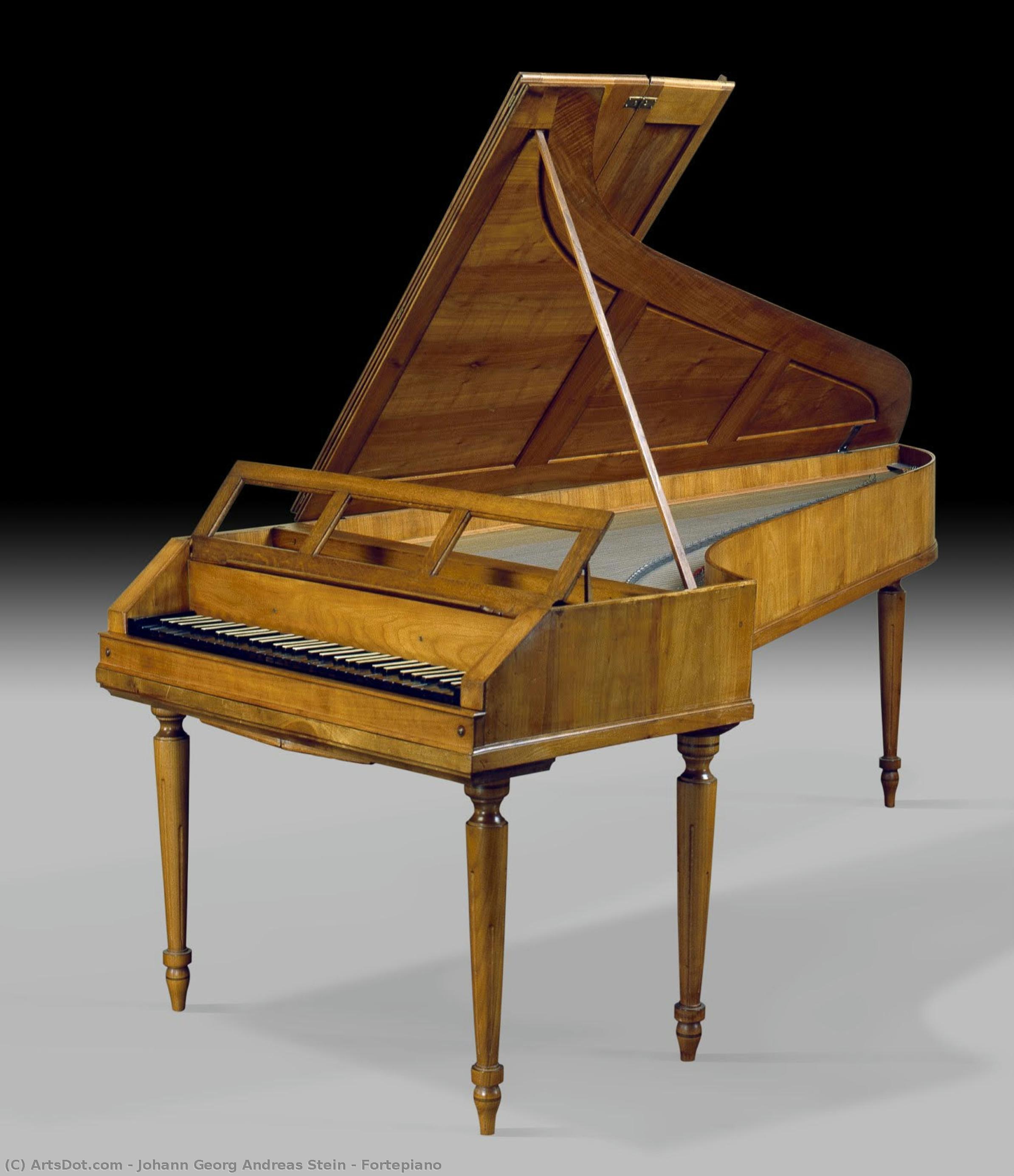
Fortepiano
 1784
1784 83.0 x 98.0 cm
 Landesmuseum Württemberg
 Pročitaj više
Kupite digitalnu sliku visoke rezolucije i poboljšanog kvaliteta, koja je znatno superiornija od onoga što vidite u online prikazu.
Svaka datoteka je pedantno pripremljena od strane naših stručnjaka koristeći napredne alate i profesionalnu ručnu retušu. Osiguravamo da svaka slika ima izuzetnu oštrinu, preciznu reprodukciju boja i fine detalje.
Konačna datoteka se dostavlja putem e-pošte u roku od 72 sata, optimizovana za neposrednu upotrebu u profesionalnim, izdavačkim i štamparskim okruženjima. To je isti kvalitet kojem veruju vrhunski studiji dizajna, izdavači i galerije.
Digitalna slika
Preuzmite datoteku visoke rezolucije za ličnu upotrebu, štampanje i kreativne projekte. ( Kupi print Kupi ručno naslikanu sliku)
Uključeno uz svaku porudžbinu digitalne slike
Profesionalna digitalna isporuka, zagarantovana
Kada odaberete ArtsDot.com, ne dobijate samo sliku – vi primate profesionalno unapređeno digitalno umetničko delo, izrađeno sa najvećom preciznošću i uz garanciju zadovoljstva. Evo svega što automatski dolazi uz vašu porudžbinu:

Brza dostava putem e-pošte
Vaša digitalna slika visoke rezolucije biće vam poslata putem e-pošte u roku od 72 sata od poručivanja – spremna za trenutnu upotrebu.

Digitalna datoteka unapređena veštačkom inteligencijom
Vaše umetničko delo je profesionalno optimizovano korišćenjem naprednih AI alata i ručne obrade, čime se osiguravaju maksimalni detalji, oštrina i preciznost boja.

Besplatna ponovna isporuka doživotno
Slučajno ste obrisali ili izgubili svoju datoteku? Ne brinite – poslaćemo vam je ponovo u bilo kom trenutku, potpuno besplatno.

Bez troškova uvoza – zauvek
Uživajte u svojim umetničkim delima trenutno, bez carine, dažbina ili troškova dostave – digitalni download je uvek bez poreza.

Garancija vernosti boja
Uz pomoć profesionalnih alata i upravljanja bojama, osiguravamo da vaša digitalna slika što vernije odražava originalne boje.

Garancija zadovoljstva u roku od 60 dana
Ako niste zadovoljni svojom digitalnom slikom, revidirat ćemo je ili vratiti 100% novca u roku od 60 dana – bez ikakvih pitanja.

100% garancija povrata novca
Niste zadovoljni? Obezbedite pun povrat novca u roku od 60 dana od trenutka kada ste primili svoju digitalnu datoteku – bez suvišnih pitanja.

Popusti na velike porudžbine
Kupite 3 slike, uštedite 10% - Kupite 5 slika, uštedite 15% - Kupite 10+ slika, uštedite 20%. Odlično za kreativne projekte, galerije i agencije.
Srodna umetnička dela








Biografija umetnika
Anton Raphael Mengs: The Architect of Neoclassicism
Anton Raphael Mengs, a name often whispered in the halls of art history, stands as a pivotal figure in the transition from the opulent Baroque to the refined ideals of Neoclassicism. Born in 1728 in Ústí nad Labem, Bohemia – now part of the Czech Republic – his life was marked by both artistic brilliance and familial intrigue. His early years were shaped by a complex family history; his father, Ismael Mengs, a Danish-born painter who eventually found patronage in Dresden, engaged in an affair with the housekeeper, Charlotte Bormann, resulting in Mengs’s birth alongside his sister, Therese. This unconventional origin story subtly informed his artistic approach – a blend of classical study and personal observation. Mengs's journey began not in a formal academy but within the walls of his father’s studio in Dresden, where he honed his skills under Ismael’s tutelage, absorbing the traditions of German painting. However, it was his relocation to Rome at the age of 16 that truly ignited his artistic ambitions and set him on a path toward mastering the principles of antiquity.Rome: A Crucible of Artistic Transformation
Rome became Mengs’s intellectual and creative sanctuary. He immersed himself in the study of classical sculpture, architecture, and literature, driven by an almost obsessive desire to revive the aesthetic values of ancient Greece and Rome. This dedication was further fueled by his close friendship with Johann Joachim Winckelmann, a German archaeologist and art critic who profoundly shaped the burgeoning Neoclassical movement. Winckelmann’s emphasis on clarity, order, and restraint deeply influenced Mengs's artistic philosophy, encouraging him to move away from the dramatic emotionalism of the Baroque and embrace a more restrained, idealized representation of the human form and subject matter. Mengs’s time in Rome was not merely a period of study; it was a period of intense creative output. He secured commissions for portraits, frescoes, and decorative works, rapidly establishing himself as a leading artist within the Roman art scene. His early works, particularly his portraiture, were characterized by their bright colors and lively compositions – a departure from the muted tones often associated with Neoclassicism.Parnassus: A Defining Masterpiece
Perhaps Mengs’s most significant achievement was *Parnassus*, a monumental fresco commissioned for the Villa Albani in Rome around 1761. This ambitious work, depicting the nine Muses presiding over the realm of poetry and art, became a watershed moment in the development of Neoclassicism. The fresco showcased Mengs’s mastery of perspective, composition, and color, while simultaneously drawing inspiration from Raphael, Correggio, and Titian – artists he deeply admired. *Parnassus* wasn't simply a decorative piece; it was a deliberate statement about the revival of classical ideals. The figures were rendered with an almost sculptural quality, their poses echoing those found in ancient sculptures. The use of light and shadow created a sense of depth and atmosphere, while the overall composition adhered to strict principles of order and harmony. This fresco cemented Mengs’s reputation as the leading proponent of Neoclassicism and established a visual language that would influence generations of artists.Beyond Rome: Courtly Commissions and Continued Influence
Following his success in Rome, Mengs accepted commissions from various European courts, including those of Spain and England. He spent time decorating palaces in Madrid and London, adapting his style to suit the tastes of his patrons while maintaining a consistent commitment to classical principles. His work for the Spanish court involved elaborate frescoes and decorative panels, showcasing his versatility as an artist. In London, he produced a remarkably accurate copy of Raphael’s *The School of Athens* for Northumberland House, a testament to his meticulous study of ancient art. Throughout his career, Mengs remained a dedicated teacher and theorist, publishing influential treatises on painting technique and the principles of classical art. His writings helped disseminate Neoclassical ideas throughout Europe, shaping the artistic landscape of the late 18th century.Legacy and Historical Significance
Anton Raphael Mengs died in Rome in 1779 at the age of 51. While his career was relatively short, his impact on art history is undeniable. He is widely considered the first major artist to champion Neoclassicism, establishing its core principles and paving the way for artists like David, Ingres, and Canova. His emphasis on order, clarity, and restraint profoundly influenced the development of Western painting, shaping artistic styles for decades to come. Mengs’s legacy extends beyond his individual works; he played a crucial role in fostering a renewed appreciation for classical antiquity, contributing significantly to the intellectual and cultural climate of the Enlightenment era. He remains a fascinating figure – a product of complex family circumstances, a brilliant artist, and a pivotal architect of one of Western art's most enduring movements.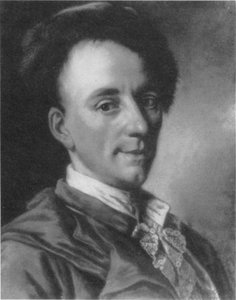
johann georg andreas stein
1728 - 1792 , Germany
Kratke činjenice
- Artistic Movement Or Style: Neoclassical
- Artists Or Movements Influenced By This Artist:
- Winckelmann
- Neoclassicism
- Artists Who Influenced This Artist:
- Raphael
- Correggio
- Titian
- Date Of Birth: March 22, 1728
- Date Of Death: June 29, 1779
- Full Name: Anton Raphael Mengs
- Nationality: German (Saxon)
- Notable Artworks:
- Parnassus
- The School of Athens
- Place Of Birth: Ústí nad Labem, Bohemia

