

 Pregledaj u prostoru
 Pošalji
 Podeli
 Detalji o delu

 Преузми
 Slični predmeti
 Rendgenski snimak
 Slajdovi
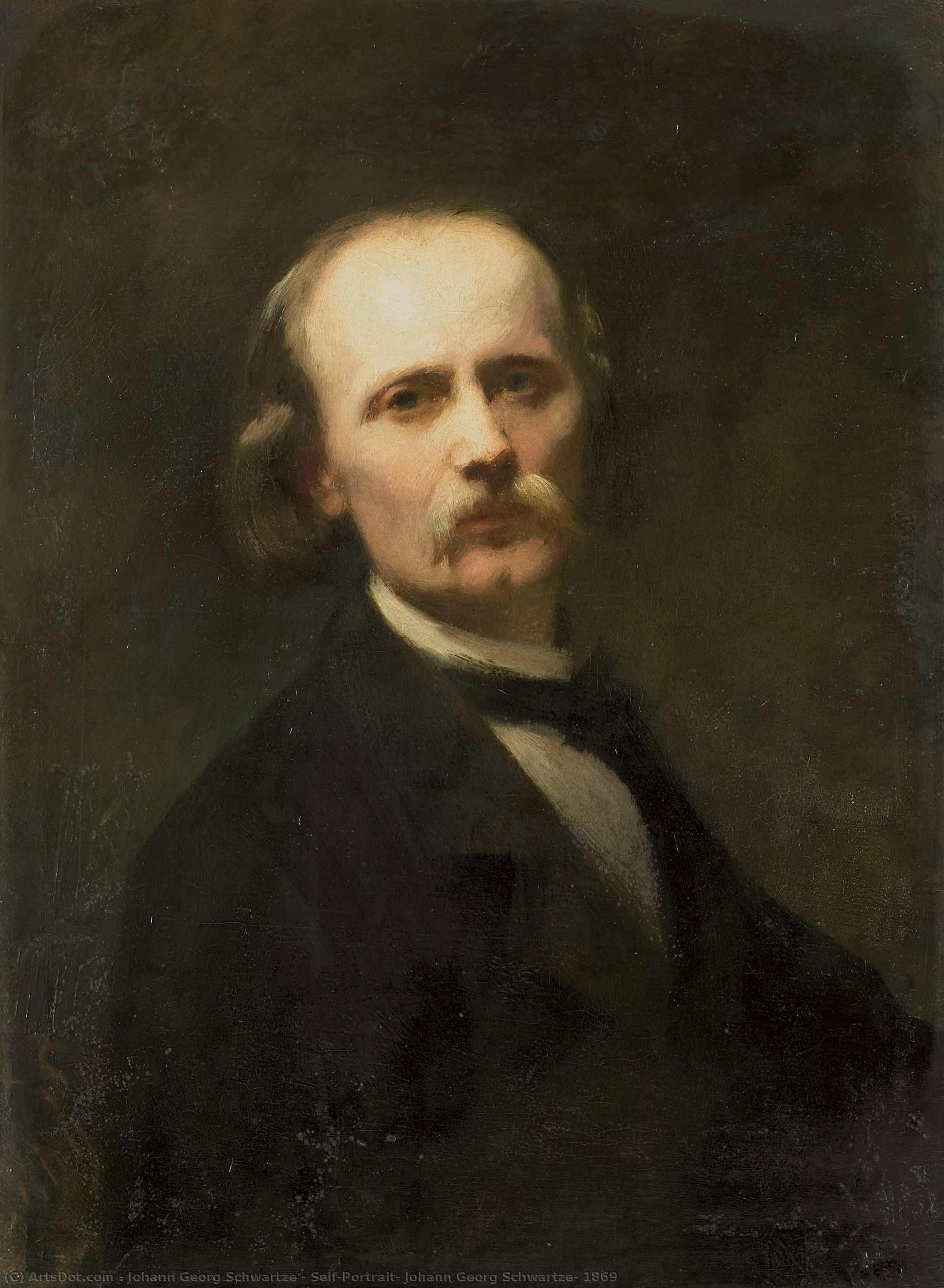
Self-Portrait, Johann Georg Schwartze, 1869
 1869
1869 79.0 x 58.0 cm
 Pročitaj više
Ručno rađena uljana reprodukcija
Ručno oslikano uljanim bojama na platnu u dimenzijama i okviru po vašem izboru, izrađeno po porudžbini od strane naših umetnika. ( Kupi print Kupi digitalnu sliku)




































Izaberite jednu od naših unapred definisanih veličina koje odgovaraju originalnim proporcijama umetničkog dela.

Можете унети сопствене димензије како бисте прилагодили дело одређеном оквиру или простору. Ако одабрана величина не одговара пропорцијама оригинала, слика ће бити исечена или проширена додатним елементима који се ручно насликавају. Дигитални prikaz ће вам бити послат на одобрење пре почетка производње.
Имајте на уму да преглед на екрану не одражава стварно исецање или проширење. Само приказ (mockup) ће тачно приказати коначну композицију.
Иако су доступне прилагођене величине, препоручујемо да одаберете димензију из дефинисане листе како бисте сачували оригиналне пропорције.
Nakon narudžbine, tim ArtsDot.com će klijentu putem e-pošte poslati uputstva i dostaviti prikaz predloženog rešenja
Isporuka širom sveta () za 3/4 nedelje umesto uobičajenih 5 nedelja. (31 август). Bez kompromisa po pitanju kvaliteta.

Besplatna ekspresna dostava širom sveta

Visokokvalitetno laneno platno

Kompletno osiguranje transporta

Garancija povraćaja carine i uvoznih dažbina

Garancija vernosti boja

Politika povrata u roku od 60 dana (samo u slučaju nedostataka)

Garancija povrata novca od 100%

Popust pri grupnoj kupovini
 Opcija sa staklom dostupna je samo za dimenzije manje od 110 cm

Self-Portrait, Johann Georg Schwartze, 1869
Tehnika reprodukcije
Dimenzije reprodukcije
-


Konačna cena
$ 263
Srodna umetnička dela







Biografija umetnika
Early Life and Transatlantic Roots
Johann Georg Schwartze, born in Amsterdam on October 20th, 1814, embarked on a life that beautifully intertwined Dutch artistic traditions with the burgeoning art scene of America and the rigorous training of the Düsseldorf school. His early years were steeped in the atmosphere of a recovering Netherlands, still finding its footing after the Napoleonic era. However, this initial grounding in Amsterdam was short-lived; at the tender age of three, his family made a pivotal move to Philadelphia, Pennsylvania. This emigration wasn’t merely a change of scenery but a strategic decision by his father, Johann Engelbert Schwartze, who sought to establish a paint and varnish factory, escaping the uncertainties of post-war Europe.
The young Johann's artistic inclinations were nurtured early on in this new environment. He received foundational instruction from Emanuel Leutze, a name synonymous with American historical painting—best known for his iconic “Washington Crossing the Delaware.” This initial exposure to Leutze’s dramatic style and patriotic themes undoubtedly left an imprint on Schwartze’s developing sensibilities, though his path would ultimately lead him toward a more intimate and refined aesthetic. The family's entrepreneurial spirit was also formative; witnessing his father build a business instilled in Schwartze a sense of independence and dedication that would characterize his artistic career.
Formal Training and the Düsseldorf Influence
In 1838, driven by a desire to hone his skills and immerse himself in established artistic practices, Schwartze returned to Europe. He chose Düsseldorf as his center for study, enrolling at the prestigious Düsseldorf Academy. This institution was a powerhouse of Romantic painting, particularly renowned for its emphasis on portraiture and historical subjects. Under the tutelage of influential figures like Karl Ferdinand Sohn, Carl Friedrich Lessing, and Peter von Schadow, Schwartze absorbed the principles of meticulous realism, detailed observation, and narrative clarity.
The Düsseldorf school’s influence is palpable in his subsequent work. He mastered the technique of capturing likenesses with remarkable precision, a skill that would become central to his professional success. However, he wasn't merely a copyist of academic styles; he also benefited from private lessons with landscape painter Lessing, broadening his artistic vocabulary and introducing him to the subtleties of atmospheric perspective and natural light. This period was crucial in shaping his approach—a blend of rigorous technique and an emerging sensitivity to individual character.
A Life Dedicated to Portraiture and Family
Schwartze’s return to Europe in 1844 marked a turning point, as he integrated into the Dutch art world. He quickly gained recognition, becoming a member of both the Koninklijke Academie (Royal Academy) in Amsterdam in 1845 and Arti et Amicitiae in 1847—two highly esteemed artistic societies. He established himself as a freelance portraitist, building a thriving studio that became not only a place of work but also a vibrant hub for his family.
His personal life was deeply intertwined with his art. In 1846, he married Maria Elisabeth Therese Herrmann, and together they had six children. Remarkably, Schwartze actively fostered the artistic talents within his family. His daughters, particularly Thérèse Schwartze (a celebrated portrait painter in her own right) and Georgine Schwartze (a prominent sculptor), received their initial training from their father. Even his son, George Washington Schwartze, pursued a career as an artist. This dedication to nurturing artistic talent within the family created a lasting legacy that extended through multiple generations.
Style, Technique, and Lasting Significance
Schwartze’s paintings are characterized by their refined realism and psychological depth. He specialized in portraits of bourgeois and aristocratic subjects, often employing dark backgrounds to accentuate the sitter's features and create a sense of intimacy. His attention to detail was meticulous—every fabric fold, every strand of hair rendered with painstaking accuracy. However, his work wasn’t simply about technical skill; he possessed an ability to capture not just physical likeness but also the inner character and personality of his subjects.
His influence extended beyond his immediate family. He is remembered as a dedicated teacher, mentoring artists like Maria Vos and shaping the next generation of Dutch painters. Schwartze’s career bridged American and European traditions, contributing significantly to 19th-century Dutch portraiture. His works, including self-portraits and depictions of his daughters, are now held in prestigious collections such as the Rijksmuseum in Amsterdam, serving as a testament to his enduring artistic legacy.
- Key Characteristics: Refined realism, psychological depth, dark backgrounds, meticulous detail.
- Influences: Emanuel Leutze, Düsseldorf School of Painting (Karl Ferdinand Sohn, Carl Friedrich Lessing, Peter von Schadow).
- Notable Students: Thérèse Schwartze, Georgine Schwartze, Maria Vos.
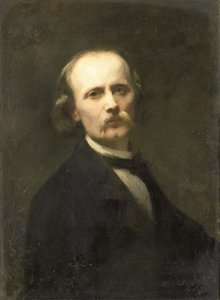
johann georg schwartze
1814 - 1874 , Netherlands
Osnovne informacije
- Artistic Movement Or Style: Portrait & Historical Painting
- Artists Or Movements Influenced By This Artist:
- Therese Schwartze
- Georgine Schwartze
- Artists Who Influenced This Artist:
- Von Schadow
- Lessing
- Date Of Birth: October 20, 1814
- Date Of Death: August 28, 1874
- Full Name: Johann Georg Schwartze
- Nationality: Dutch
- Notable Artworks:
- Self-Portrait (1869)
- Portrait of Thérèse Schwartze (1868)
- Portrait of Hermann, Ida Schwartze (1844)
- Place Of Birth: Amsterdam, Netherlands

