

 Pregledaj u prostoru
 Pošalji
 Podeli
 Detalji o delu

 Преузми
 Slični predmeti
 Rendgenski snimak
 Slajdovi
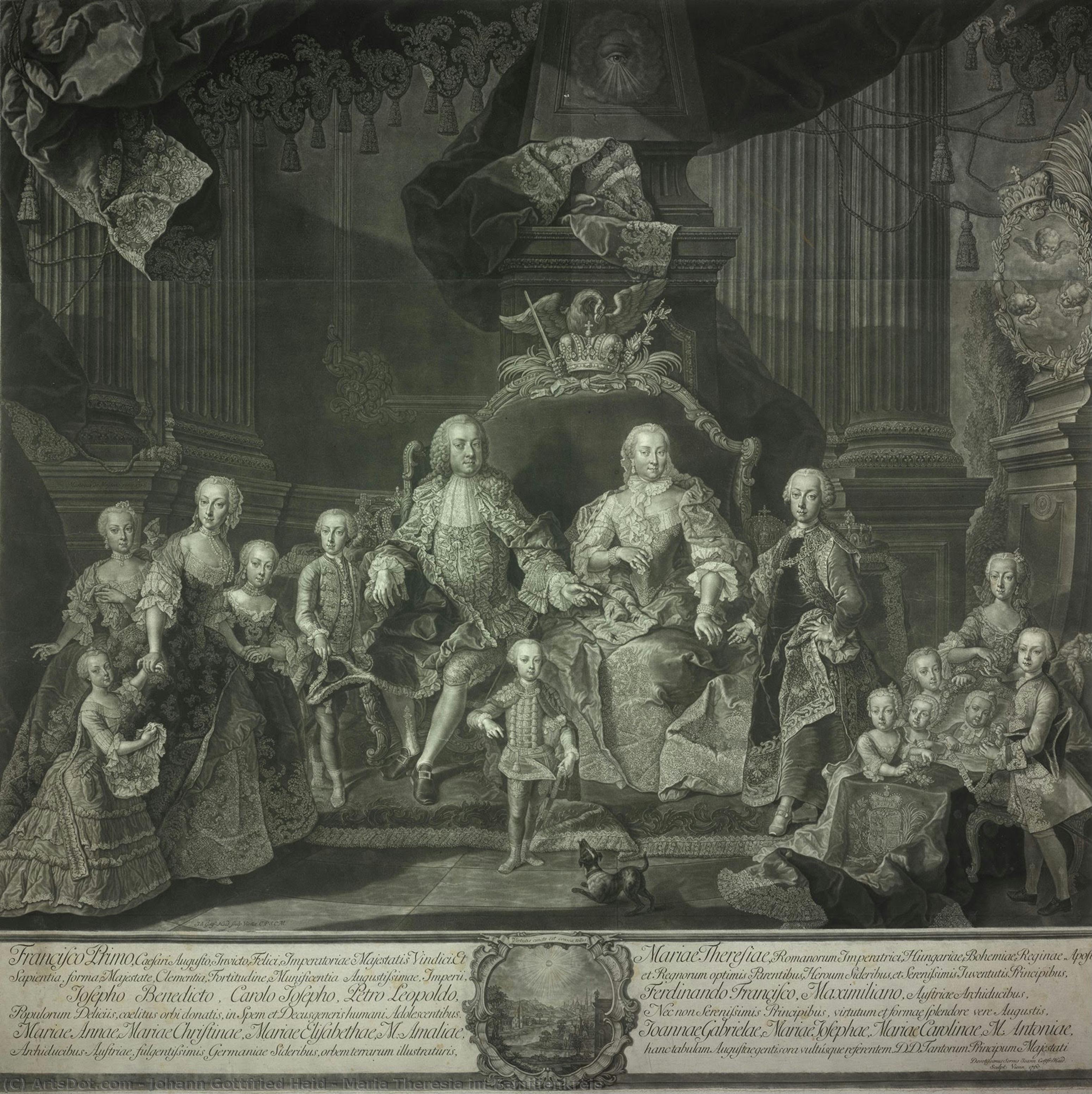
Maria Theresia im Familienkreis


 Pročitaj više
Ručno rađena uljana reprodukcija
Ručno oslikano uljanim bojama na platnu u dimenzijama i okviru po vašem izboru, izrađeno po porudžbini od strane naših umetnika. ( Kupi print Kupi digitalnu sliku)




P118B $10

P118H $10

P118W $10

P438Z $10

P508JH $12

P508YH $12

P805H $10

P805Z $10

P919BZ $10

P919G $10

P919XJ $10

P959ZH $10

P968JZ $12

W106C $8

W218G $10

W218JH $8

W218Y $10

W307PJ $10

W316G $10

W316PJ $8

W316Y $10

W398PJ $8

W4111J $10

W500HY $15

W500JH $15

W692G $12

W849H $8

W940BG $15

W953PJ $8




Izaberite jednu od naših unapred definisanih veličina koje odgovaraju originalnim proporcijama umetničkog dela.

Можете унети сопствене димензије како бисте прилагодили дело одређеном оквиру или простору. Ако одабрана величина не одговара пропорцијама оригинала, слика ће бити исечена или проширена додатним елементима који се ручно насликавају. Дигитални prikaz ће вам бити послат на одобрење пре почетка производње.
Имајте на уму да преглед на екрану не одражава стварно исецање или проширење. Само приказ (mockup) ће тачно приказати коначну композицију.
Иако су доступне прилагођене величине, препоручујемо да одаберете димензију из дефинисане листе како бисте сачували оригиналне пропорције.
Nakon narudžbine, tim ArtsDot.com će klijentu putem e-pošte poslati uputstva i dostaviti prikaz predloženog rešenja
Isporuka širom sveta () za 3/4 nedelje umesto uobičajenih 5 nedelja. (2 септембар). Bez kompromisa po pitanju kvaliteta.

Besplatna ekspresna dostava širom sveta

Visokokvalitetno laneno platno

Kompletno osiguranje transporta

Garancija povraćaja carine i uvoznih dažbina

Garancija vernosti boja

Politika povrata u roku od 60 dana (samo u slučaju nedostataka)

Garancija povrata novca od 100%

Popust pri grupnoj kupovini
 Opcija sa staklom dostupna je samo za dimenzije manje od 110 cm

Maria Theresia im Familienkreis
Tehnika reprodukcije
Dimenzije reprodukcije
-


Konačna cena
$ 563
A Window Into Habsburg Grandeur: Examining Johann Gottfried Haid’s Reproduction of Maria Theresia im Familienkreis
Maria Theresia im Familienkreis, created by Johann Gottfried Haid in 1760, stands as a testament to the artistic prowess of the Rococo era and a remarkable achievement in mezzotint printing. This monumental portrait captures not merely likenesses but embodies the very essence of Habsburg dynastic stability and familial devotion—a subject meticulously rendered with unparalleled detail and imbued with symbolic resonance.The Artwork’s Composition and Visual Language
Haid's masterful execution centers around a tightly packed tableau depicting Maria Theresia, accompanied by her husband Franz Stefan von Lothringen and twelve children, seated within an opulent interior space. The central figure—Maria Theresia herself—dominates the composition, positioned prominently on a grand chair draped in luxurious fabrics – silk and velvet – reflecting the immense wealth and prestige of the Habsburg court. Surrounding her are numerous family members arranged around the chair, creating a harmonious visual balance that underscores the importance of lineage and succession. Lines delineate the intricate folds of clothing, architectural elements like columns and drapery, and individual poses, contributing to an overall sense of formality and grandeur. Geometric shapes—particularly in the patterned fabrics—are softened by flowing draperies, adding dynamism to the otherwise static scene. The diffused lighting emanating from multiple sources illuminates the figures and interior space evenly, enhancing depth without resorting to harsh contrasts.Technique: Mezzotint – A Legacy of Precision
The artwork’s remarkable tonal range is achieved through Haid's masterful application of mezzotint engraving—a technique that revolutionized printmaking during the Enlightenment. This process involved roughening a copper plate with tiny dots using mordant acid, followed by burnishing to create a smooth surface receptive to ink. Subsequent layers of ink were applied and wiped away selectively, resulting in rich blacks and subtle gradations of tone that faithfully reproduce the nuances of color found in the original painting. Haid’s meticulous attention to detail ensured that every nuance of texture and shading was accurately captured—a feat considered extraordinary for its time. The painstaking process demanded considerable skill and patience, elevating mezzotint prints beyond mere reproductions into artistic statements themselves.Symbolism: Representing Habsburg Power and Familial Unity
Beyond its aesthetic beauty, Maria Theresia im Familienkreis carries profound symbolic significance. The elaborate clothing worn by each family member—particularly Maria Theresia’s gown—serves as a visual declaration of status and rank within the Habsburg hierarchy. The formal poses adopted by the figures convey dignity and composure, reflecting the values upheld by the Habsburg monarchy. Furthermore, the depiction of twelve children symbolizes the continuation of the dynasty and represents the hope for future prosperity. These elements collectively reinforce the overarching theme of familial unity—a cornerstone of Habsburg identity and a powerful message conveyed through this enduring masterpiece.Historical Context: Rococo’s Embrace of Elegance and Illusion
Created during the height of Rococo artistic fervor, Maria Theresia im Familienkreis embodies the stylistic conventions of its era. Rococo flourished in Vienna and throughout Europe from approximately 1730 to 1760, prioritizing ornamentation, pastel colors, asymmetrical compositions, and an illusionistic sense of space—characteristics that are vividly realized in this portrait. Haid’s work reflects a broader cultural preoccupation with beauty, refinement, and idealized representations of aristocratic life—a legacy that continues to inspire admiration for its artistic merit and historical importance.Concluding Reflection: An Artistic Triumph
Johann Gottfried Haid's reproduction of Maria Theresia im Familienkreis stands as an unparalleled achievement in printmaking history. It transcends mere visual imitation, capturing the spirit of a bygone era and conveying enduring themes of power, family, and artistic excellence. The artwork’s meticulous execution—combined with its symbolic depth—solidifies Haid’s place among the foremost engravers of his time and ensures that Maria Theresia im Familienkreis remains a captivating testament to Habsburg grandeur for generations to come.Srodna umetnička dela
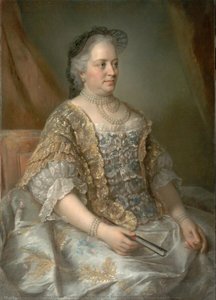
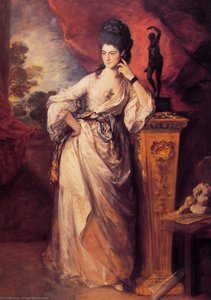
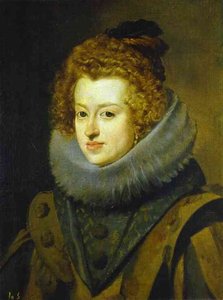
Biografija umetnika
Johann Gottfried Haid: A Master of Mezzotint Reproduction
- Born: Augsburg, Germany (1710)
- Died: 1776
Johann Gottfried Haid was a highly regarded German engraver celebrated for his exceptional mezzotint copies of works by Old Masters. Born in Augsburg in 1710, he spent the majority of his career in Vienna, Austria, where he served as an artist at the Academy of Fine Arts Vienna. His meticulous skill and dedication to accurately reproducing masterpieces cemented his legacy within the art world.
Artistic Career and Style
Haid’s primary contribution lies in his mastery of the mezzotint technique. Mezzotint is a method of engraving that produces tonal effects by roughening a metal plate with small dots, allowing for rich blacks and subtle gradations of tone. Haid's skill lay in using this technique to create copies of paintings so faithful they were often considered indistinguishable from the originals. He possessed an extraordinary ability to capture not only the visual details but also the emotional essence of the works he reproduced.
- Mezzotint Expertise: Haid’s mezzotints are renowned for their intricate detail and tonal range, showcasing his profound understanding of the technique.
- Faithful Reproduction: His copies aimed to replicate the original artworks as closely as possible, preserving nuances in color and light.
- Capturing Essence: Beyond mere replication, Haid successfully conveyed the spirit and emotion embedded within the Old Masters' works.
Family Legacy and Publishing House
Haid’s influence extended beyond his own artistic endeavors. His son, Johann Elias Haid, followed in his father’s footsteps, becoming a skilled engraver as well. Together, they established and managed the publishing house "J.J. Haid & Sohn," which became a prominent distributor of art prints throughout Europe. This ensured that Haid's work, and the works of others reproduced by his firm, reached a wider audience.
- Family Tradition: The artistic talent was passed down through generations with Johann Elias continuing the family’s engraving legacy.
- "J.J. Haid & Sohn": This publishing house played a crucial role in disseminating high-quality art prints, contributing to the accessibility of art for a broader public.
Notable Works and Collections
Haid's mezzotints are held in prestigious collections worldwide, including the Austrian National Library in Vienna and the British Museum. One particularly notable piece is "Maria Theresia im Familienkreis," a striking mezzotint print that exemplifies his ability to capture subtle human expressions.
- "Maria Theresia im Familienkreis": A celebrated example of Haid's skill, showcasing his attention to detail and emotional depth.
- Austrian National Library: Holds a significant collection of Haid’s works, demonstrating their importance in Austrian art history.
- British Museum: Features Haid's prints within its extensive collection of engravings and related media.
Influence and Legacy
Johann Gottfried Haid left an enduring mark on the art world. His meticulous reproductions provided valuable access to masterpieces for collectors and enthusiasts who might not have had the opportunity to see the originals. The quality of his work inspired admiration among artists and collectors alike, solidifying his reputation as a master engraver. The continued success of "J.J. Haid & Sohn" after his death further ensured that his legacy lived on, contributing significantly to the dissemination of art prints for generations.
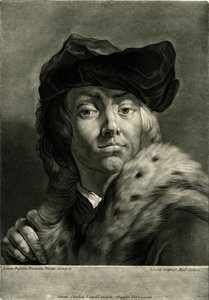
Johann Gottfried Haid
1710 - 1776 , Germany
Osnovne informacije
- Artistic Movement Or Style: Mezzotint engraving
- Date Of Birth: 1710
- Date Of Death: 1776
- Full Name: Johann Gottfried Haid
- Nationality: German
- Notable Artworks:
- Maria Theresia im Familienkreis
- Angelo Soliman
- Virgin Enthroned in Glory
- Place Of Birth: Augsburg, Germany
Povezani članci

Rokoko: 10 Remek Dela Koja Su Definisala Eleganciju i Ukus
Otkrijte 10 remek dela koja su definisala rokoko umetnost! Uronite u svet Boucher-a, Watteau-a i Fragonarda. Istorija, stil i inspiracija za vaš dom. Kvalitetne reprodukcije i kuratorski odabiri na ArtsDot.com!

The Rococo Aesthetic: Opulence, Rebellion & the Pursuit of Pleasure in 18th-Century Art
Explore the opulent world of Rococo art! Discover its origins, key artists like Watteau & Boucher, and lasting influence on design. Expert insights for collectors & enthusiasts.
The Allure of Elegance in Art: A Historical & Aesthetic Exploration of Refinement & Grace
Explore the exquisite world of Rococo art! Discover its history, masters (Watteau, Boucher & more), and defining elegance. Expert insights for collectors seeking museum-quality reproductions & custom portraits.
Evolving Portraits: Personalized Art as a Chronicle of Family Life Across Generations
Create a timeless family legacy with custom portraits! ArtsDot connects you with skilled artists for heirloom-quality paintings & prints. Explore styles, commission your unique artwork today.
The Enduring Legacy of Family Portraiture: A Historical & Artistic Exploration
Explore the rich history of family portraiture with ArtsDot. Discover artistic styles, symbolism & collecting insights. Commission a custom oil painting or appraise your existing artwork today!

