 Pregledaj u prostoru
 Pošalji
 Podeli
 Detalji o delu

 Преузми
 Slični predmeti
 Rendgenski snimak
 Slajdovi
The Night-Hag Visiting Lapland Witches
 Oil On Canvas
- WallArt
- Romanticism
 1796
1796 102.0 x 126.0 cm
 Metropolitan Museum of Art
 Pročitaj više
Giclee štampa / Umetnički otisak
Giclée štampa ili print na platnu muzejskog kvaliteta uz brzu proizvodnju i fleksibilne opcije završne obrade. ( Kupi ručno naslikanu sliku Kupi digitalnu sliku)




P118B $10

P118H $10

P118W $10

P438Z $10

P508JH $12

P508YH $12

P805H $10

P805Z $10

P919BZ $10

P919G $10

P919XJ $10

P959ZH $10

P968JZ $12

W106C $8

W218G $10

W218JH $8

W218Y $10

W307PJ $10

W316G $10

W316PJ $8

W316Y $10

W398PJ $8

W4111J $10

W500HY $15

W500JH $15

W692G $12

W849H $8

W940BG $15

W953PJ $8




Izaberite jednu od naših unapred definisanih veličina koje odgovaraju originalnim proporcijama umetničkog dela.

Možete uneti sopstvene dimenzije kako biste umetničko delo prilagodili specifičnom okviru ili prostoru. Ako odabrani format ne odgovara proporcijama originalne slike, mi ćemo ili iscrtati deo dela ili proširiti sliku pomoću ogledane ivice ili jednobojnog popunjavanja. Digitalni prikaz će vam biti poslat na odobrenje pre početka proizvodnje.
Imajte na umu da pregled na ekranu ne odražava stvarno iscrtavanje ili proširivanje. Samo će prikaz (mockup) precizno pokazati finalnu kompoziciju.
Iako su prilagođene dimenzije dostupne, preporučujemo da odaberete dimenziju sa unapred definisane liste kako biste očuvali originalne proporcije.
Dostava širom sveta () za 2 nedelje umesto uobičajenih 4/5 nedelja. (7 септембар)

Besplatna ekspresna dostava širom sveta

Visokokvalitetno laneno platno

Kompletno osiguranje transporta

Garancija povraćaja carine i uvoznih dažbina

Garancija vernosti boja

Politika povraćaja u roku od 100 dana (isključivo u slučaju nedostataka)

Garancija povrata novca od 100%

Popust pri grupnoj kupovini
 Opcija sa staklom dostupna je samo za dimenzije manje od 110 cm

The Night-Hag Visiting Lapland Witches
Giclee štampa / Umetnički otisak
Dimenzije reprodukcije
-


Konačna cena
$ 62
The Night Hag’s Descent: A Study in Gothic Horror and Romantic Symbolism
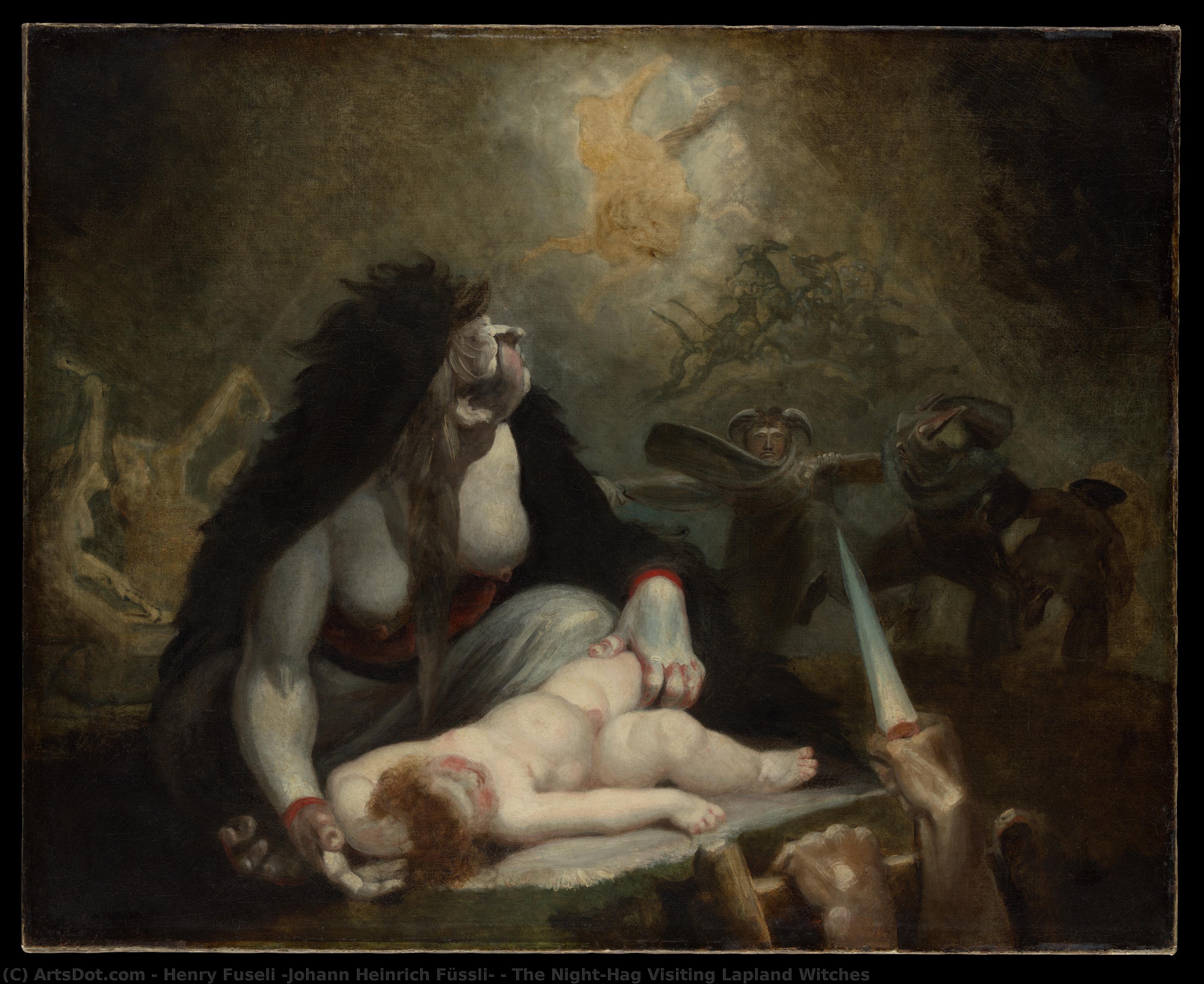
Henry Fuseli's "The Night-Hag Visiting Lapland Witches," painted in 1796, isn’t merely a depiction of a scene; it’s an immersion into the shadowed heart of human psychology. This arresting oil on canvas, currently residing within the hallowed halls of The Metropolitan Museum of Art in New York City, pulsates with a potent blend of gothic horror and nascent Romanticism – a visual embodiment of fear, superstition, and the unsettling allure of the unknown. Fuseli, a Swiss artist deeply influenced by his time in London’s vibrant art scene and his fascination with classical antiquity and the macabre, crafted an image that continues to grip viewers centuries later.
The painting immediately commands attention through its stark contrast: a predominantly monochrome palette dominated by blacks, whites, and greys. This deliberate restriction of color amplifies the sense of dread and isolation, drawing the eye to the central figures and their unsettling tableau. The composition is meticulously arranged, guiding the viewer’s gaze across the scene with an almost hypnotic quality. A woman, often interpreted as a night hag or demonic figure, dominates the foreground, her horned head and skeletal features radiating an aura of ancient power and malevolence. She holds a baby aloft, a symbol simultaneously of innocence and vulnerability – a chilling juxtaposition that underscores the painting’s central themes.
A Literary Echo: Paradise Lost and the Dark Side of Myth
Fuseli's inspiration for "The Night-Hag Visiting Lapland Witches" stems directly from John Milton’s epic poem, *Paradise Lost*. Specifically, he was captivated by a passage describing the hellhounds following the night-hag as she rides through the air, lured by the smell of infant blood to dance with Lapland witches under an eclipsed moon. This literary source imbues the painting with layers of symbolic meaning, connecting it to broader themes of temptation, corruption, and the consequences of transgression. The scene echoes Milton’s exploration of fallen angels and the eternal struggle between good and evil, translating a complex theological concept into a visceral visual experience.
The Lapland witches themselves – depicted in the background as shadowy figures engaged in a frenzied ritual – represent the darker aspects of human nature: superstition, irrationality, and the willingness to embrace forbidden knowledge. The presence of the baby, held by the night hag, introduces a poignant element of tragedy, suggesting that even innocence is susceptible to corruption and manipulation. The overall effect is profoundly unsettling, tapping into primal fears about darkness, vulnerability, and the forces beyond human control.
Technique and Atmosphere: A Masterclass in Dramatic Lighting
Fuseli’s masterful technique is crucial to the painting's impact. He employs a dramatic chiaroscuro – a stark contrast between light and shadow – to sculpt the figures and create a sense of depth and atmosphere. The strong directional lighting, emanating from an unseen source, highlights the night hag’s face and hands, emphasizing her power and menace while plunging the surrounding scene into darkness. This use of light and shadow isn't merely aesthetic; it serves to heighten the emotional intensity of the image, creating a sense of claustrophobia and foreboding.
Furthermore, Fuseli’s brushwork is remarkably expressive, conveying a sense of movement and frenzy through swirling lines and textured surfaces. The figures appear almost animated, caught in a moment of chaotic ritual. The painting's overall effect is one of intense drama and psychological depth – a testament to Fuseli’s ability to capture the complexities of human emotion and experience on canvas.
A Legacy of Gothic Imagination
"The Night-Hag Visiting Lapland Witches" remains a powerfully evocative work, influencing generations of artists and writers. Its exploration of dark themes—fear, superstition, and the corruption of innocence—resonates deeply with viewers today. It’s a painting that invites contemplation, prompting us to confront our own anxieties about the unknown and the shadows lurking within the human psyche. Reproductions of this iconic artwork continue to captivate audiences, offering a glimpse into the visionary imagination of Henry Fuseli and his enduring contribution to the history of art.
Srodna umetnička dela

Biografija umetnika
Rani život i obrazovanje
Johan Heinrich Füssli, švajcarski slikar, crtač i pisac o umetnosti, rođen je 7. februara 1741. godine u Cirihu, Švajcarska. Bio je drugo od osamnaestoro dece Johanna Caspara Füsslija, portretiste. Füssli je primio klasično obrazovanje na Collegium Carolinum-u u Cirihu, što mu je dalo solidnu osnovu za buduće umetničke nastojanja. Iako je njegov otac bio slikar, Füssli se prvobitno okrenuo književnosti i istoriji pre nego što je odlučio da sledi porodični poziv. Njegova rano interesovanje za klasičnu kulturu i mitologiju ostaviće dubok trag na njegov kasniji rad.Umetnička karijera i putovanja
Füsslijeva umetnička karijera počela je preseljenjem u London 1764. godine, gde se upoznao sa serom Joshuom Reynoldsom, koji ga je ohrabrio da se posveti slikarstvu. Nakon Londona, proveo je osam godina u Italiji, proučavajući antičku umetnost i dela Titijana, Caravaggia i manirista. Ovo putovanje je imalo ključni uticaj na njegov stilski razvoj, podstičući ga da istražuje dramatične kompozicije, bogate boje i intenzivne emocije. U Italiji se upoznao sa idejama Sturm und Drang pokreta, koji će takođe oblikovati njegov umetnički izraz.Nadrealna iskustva i teme
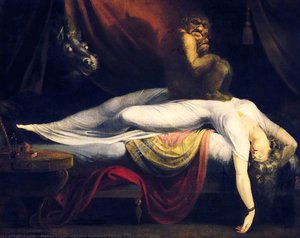
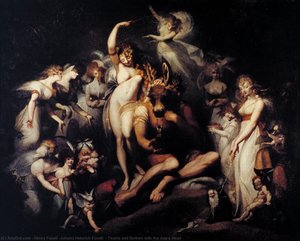
Füsslijeva slikarstva često prikazuju nadrealna iskustva, kao što je čuveno delo Noćna mora, koje demonstrira njegov jedinstveni stil. Ovo delo, sa slikom žene koja leži pod pritiskom inkuba, postalo je ikona romantizma i simbolizuje strahove i anksioznosti ljudske duše. Pored toga, Füssli je stvorio niz slika zasnovanih na delima Johna Miltona, s namerom da formira Miltonovu galeriju uporedivu sa Boydellovom Shakespeareovom galerijom. Njegova fascinacija mitologijom i fantastičnim scenama dovela je do stvaranja dela poput Titania, Bottom i vile, koja prikazuje bajkovite scene iz Šekspirovog „Sna letnje noći“.Značajna dela i uticaj
Füsslijev rad obuhvata širok spektar tema, od istorijskih scena do portreta i pejzaža. Njegova dela karakteriše dramatičan stil, intenzivne emocije i bogata simbolika. Bio je član Kraljevske akademije, gde je zauzimao položaje profesora slikarstva i kustosa. Füssli je imao značajan uticaj na mlađe britanske umetnike, uključujući Williama Blakea, koji su se divili njegovoj originalnosti i hrabrosti u izrazu. Njegova dela se mogu pronaći u mnogim muzejima širom sveta, uključujući Kunsthaus Zürich, Švajcarska, gde je Noćni mora jedna od glavnih atrakcija, kao i Albertina u Beču, Austrija, koja poseduje njegov akvarel Tiresias proriče budućnost Odiseju.Nasleđe i savremena recepcija
Füsslijev stil je imao značajan uticaj na mnoge mlađe britanske umetnike, a njegove nadrealne teme nastavljaju da fasciniraju ljubitelje umetnosti. Njegovo nasleđe se može dalje istražiti kroz njegova brojna dela, koja se mogu pronaći u različitim muzejima i kolekcijama. Füssli je bio pionir romantizma, pokreta koji je naglašavao emocije, imaginaciju i individualnost. Njegova dela su inspirisala mnoge umetnike, pisce i filozofe, a njegov uticaj se oseća i danas. Preporučena literatura:- Titania, Bottom and the Fairies by Johann Heinrich Füssli
- Henry Fuseli - Wikipedia
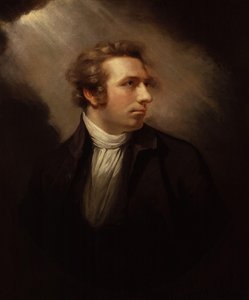
Јохан Хајнрих Фисли
1741 - 1825 , Швајцарска
Osnovne informacije
- Artistic Movement Or Style: Romantizam, Neoklasicizam
- Artists Or Movements Influenced By This Artist: ['William Blake']
- Artists Who Influenced This Artist:
- Titian
- Caravaggio
- Date Of Birth: 7. februar 1741.
- Date Of Death: 1825.
- Full Name: Johann Heinrich Füssli
- Nationality: Švajcarac
- Notable Artworks:
- Noćna mora
- Titania i vile
- Place Of Birth (City And Country): Cirih, Švajcarska
Povezani članci
Top 10 Remek Dela Romantizma: Putovanje kroz Umjetnost i Emocije
Otkrijte 10 remek dela romantizma koja su obeležila umetnost! Uronite u priče o poznatim slikarima, emotivnim pejzažima i majstorskim tehnikama. Inspiracija za vaš dom – reprodukcije vrhunskog kvaliteta na ArtsDot.com!
The Evocative Brushstroke: Exploring Emotion, Individuality & the Sublime in Romanticism's Artistic Landscape
Explore the passionate world of Romanticism! Discover masterpieces by Friedrich & Goya, delve into the sublime, and understand the movement's lasting impact on art history. Expert analysis & insights at ArtsDot.
The Sublime and the Sensual: Exploring Emotion & Individuality in Romanticism's Artistic Revolution
Explore the passionate world of Romanticism! Discover masterpieces by Friedrich & Goya, delve into the sublime, and understand the movement's lasting impact on art history. Expert analysis & insights.
Caspar David Friedrich: Romanticism's Master of Landscape & the Sublimity of Inner Experience
Explore the profound landscapes of Caspar David Friedrich, a master of German Romanticism. Discover the symbolism, themes & enduring influence of this iconic artist. A deep dive into his life and work.
Ferdinand Delacroix: Romanticism's Revolutionary Brush – A Study of Passion, Politics, and Painterly Innovation
Explore the revolutionary art of Eugène Delacroix, leader of French Romanticism. Discover his masterful use of color, political engagement, and lasting influence on modern painting. Learn about key works & history.