

 Pregledaj u prostoru
 Pošalji
 Podeli
 Detalji o delu

 Преузми
 Slični predmeti
 Rendgenski snimak
 Slajdovi
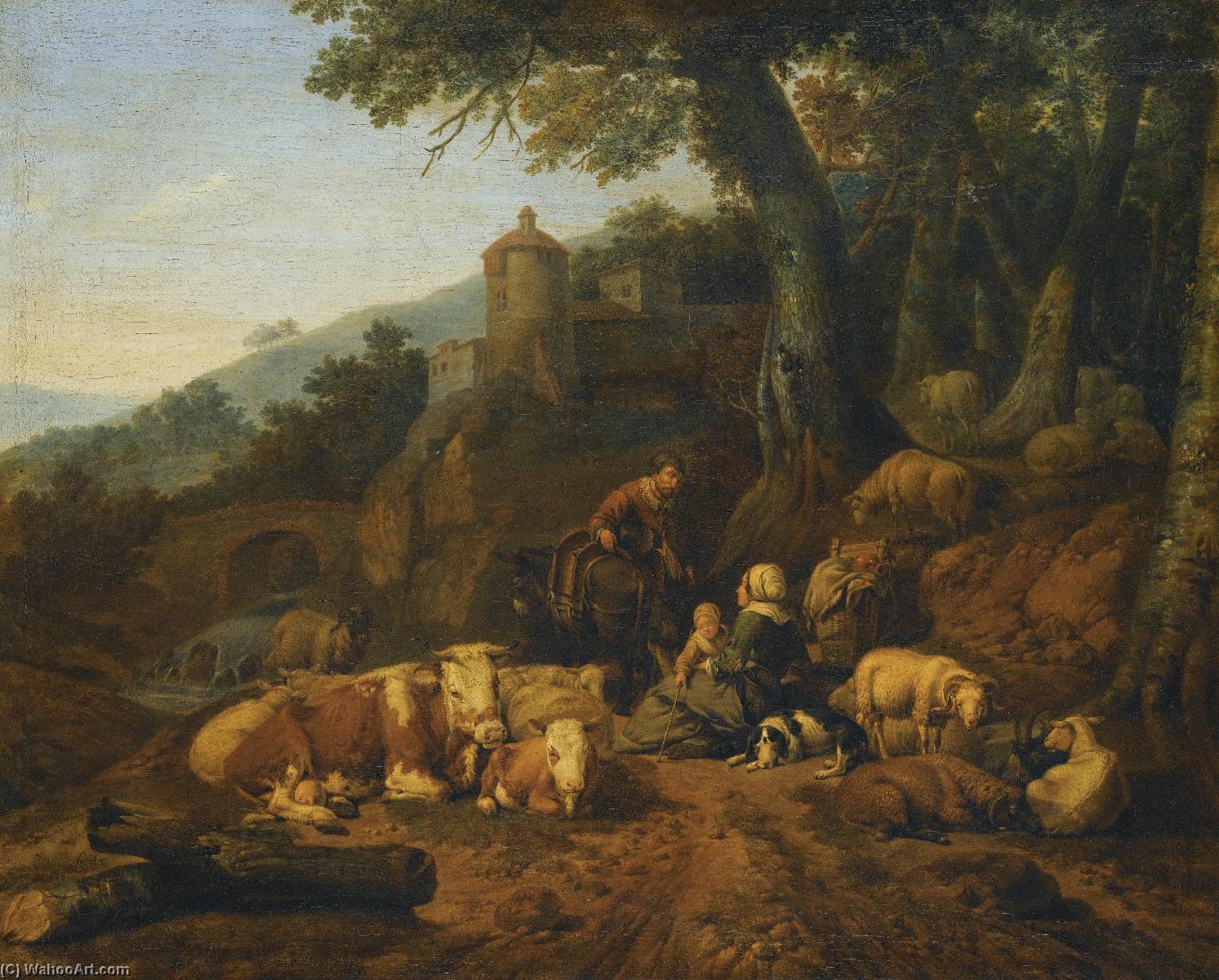
a Landscape with drovers and their flock at rest
 64.0 x 81.0 cm
 Pročitaj više
Giclee štampa / Umetnički otisak
Giclée štampa ili print na platnu muzejskog kvaliteta uz brzu proizvodnju i fleksibilne opcije završne obrade. ( Kupi ručno naslikanu sliku Kupi digitalnu sliku)




































Izaberite jednu od naših unapred definisanih veličina koje odgovaraju originalnim proporcijama umetničkog dela.

Možete uneti sopstvene dimenzije kako biste umetničko delo prilagodili specifičnom okviru ili prostoru. Ako odabrani format ne odgovara proporcijama originalne slike, mi ćemo ili iscrtati deo dela ili proširiti sliku pomoću ogledane ivice ili jednobojnog popunjavanja. Digitalni prikaz će vam biti poslat na odobrenje pre početka proizvodnje.
Imajte na umu da pregled na ekranu ne odražava stvarno iscrtavanje ili proširivanje. Samo će prikaz (mockup) precizno pokazati finalnu kompoziciju.
Iako su prilagođene dimenzije dostupne, preporučujemo da odaberete dimenziju sa unapred definisane liste kako biste očuvali originalne proporcije.
Dostava širom sveta () za 2 nedelje umesto uobičajenih 4/5 nedelja. (1 септембар)

Besplatna ekspresna dostava širom sveta

Visokokvalitetno laneno platno

Kompletno osiguranje transporta

Garancija povraćaja carine i uvoznih dažbina

Garancija vernosti boja

Politika povrata u roku od 60 dana (samo u slučaju nedostataka)

Garancija povrata novca od 100%

Popust pri grupnoj kupovini
 Opcija sa staklom dostupna je samo za dimenzije manje od 110 cm

a Landscape with drovers and their flock at rest
Giclee štampa / Umetnički otisak
Dimenzije reprodukcije
-


Konačna cena
$ 62
Srodna umetnička dela








Biografija umetnika
Johann Heinrich Roos (1631-1685): A Shepherd’s Dream in Baroque Color
Johann Heinrich Roos, born in Otterberg, Germany around 1631, stands as a pivotal figure within the German Baroque landscape tradition. His artistic journey unfolded amidst turbulent times – the Thirty Years' War reshaping Europe – and ultimately culminated in a tragically premature death in Frankfurt am Main in 1685. Despite lacking formal academic training like Rembrandt, Roos achieved renown for his masterful depictions of pastoral scenes infused with humanist ideals and imbued with an undeniable sensitivity to animal life.- Early Life & Training: Roos’s family emigrated to Amsterdam in 1640 due to the ongoing conflict, exposing him to the vibrant artistic milieu of the Dutch Republic. Recognizing his talent, he apprenticed under prominent painters such as Guillaume du Gardijn, Cornelis de Bie and Barent Graat, absorbing techniques and stylistic influences that would shape his future endeavors. However, it was the landscapes of Nicolaes Berchem and Karel Dujardin who truly captivated him, fostering a profound appreciation for atmospheric perspective and idealized representations of nature.
- Amsterdam Years & Rembrandt Influence: Roos’s time in Amsterdam (1647-1653) proved formative. Notably, he meticulously copied Rembrandt's “The Return from Pilgrimage,” demonstrating an astute understanding of chiaroscuro and compositional dynamism—a testament to Rembrandt’s enduring impact on the artistic consciousness of his era.
- Royal Commissions & Hesse Commission: Roos gained considerable acclaim through commissions for Ernst, Landgrave of Hesse-Rheinfels (son of Maurice), producing a portrait of Prince Ludwig August in 1654 and contributing to religious iconography. His collaboration with Theodor Roos on the decoration of Mainz Cathedral further cemented his reputation as a skilled craftsman and artist.
- Frankfurt & Artistic Success: Following Ernst’s death, Roos relocated to Frankfurt in 1667 where he experienced considerable prosperity. He established himself as a respected portraitist capturing the likenesses of prominent figures from Frankfurt's burgeoning middle class. Tragically, however, his fortunes crumbled when a devastating fire consumed his studio and possessions in 1685—a final act of defiance against fate.
- Legacy & Artistic Style: Roos’s sons continued his artistic lineage, producing accomplished painters who upheld the traditions established by their father. His distinctive style characterized by luminous color palettes, meticulous attention to detail, and a preoccupation with animal subjects—particularly shepherds depicting biblical narratives—solidifies his place as one of Germany's foremost Baroque landscape artists. His works reside in collections spanning Europe including the Kunsthistorisches Museum in Vienna and Städelsches Kunstinstitut in Frankfurt.
Key Characteristics & Artistic Vision
Roos’s artistic vision centered on conveying a harmonious relationship between humanity and the natural world. He skillfully employed techniques honed by Berchem and Dujardin, prioritizing atmospheric perspective to create immersive landscapes that evoked feelings of tranquility and contemplation. Recurring motifs included ruined temples—symbols of decay juxtaposed with enduring beauty—and idealized depictions of animals rendered with remarkable realism. His canvases frequently portrayed biblical scenes featuring shepherds tending flocks, reflecting a humanist belief in the sanctity of rural life and the importance of moral virtue.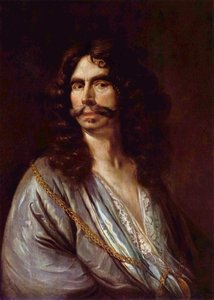
Johann Heinrich Roos
1631 - 1631 , Germany
Osnovne informacije
- Artistic Movement Or Style: Baroque
- Artists Or Movements Influenced By This Artist: ['Rembrandt']
- Artists Who Influenced This Artist:
- Nicolaes Berchem
- Karel Dujardin
- Date Of Birth: 1631
- Date Of Death: 1685
- Full Name: Johann Heinrich Roos
- Nationality: German
- Notable Artworks:
- Landscape with a ruin
- Lovers in a Classical Landscape with Animals
- Halting of Mountain Travellers at a Fountain
- Place Of Birth: Otterberg, Germany

