

 Pregledaj u prostoru
 Pošalji
 Podeli
 Detalji o delu

 Преузми
 Slični predmeti
 Rendgenski snimak
 Slajdovi
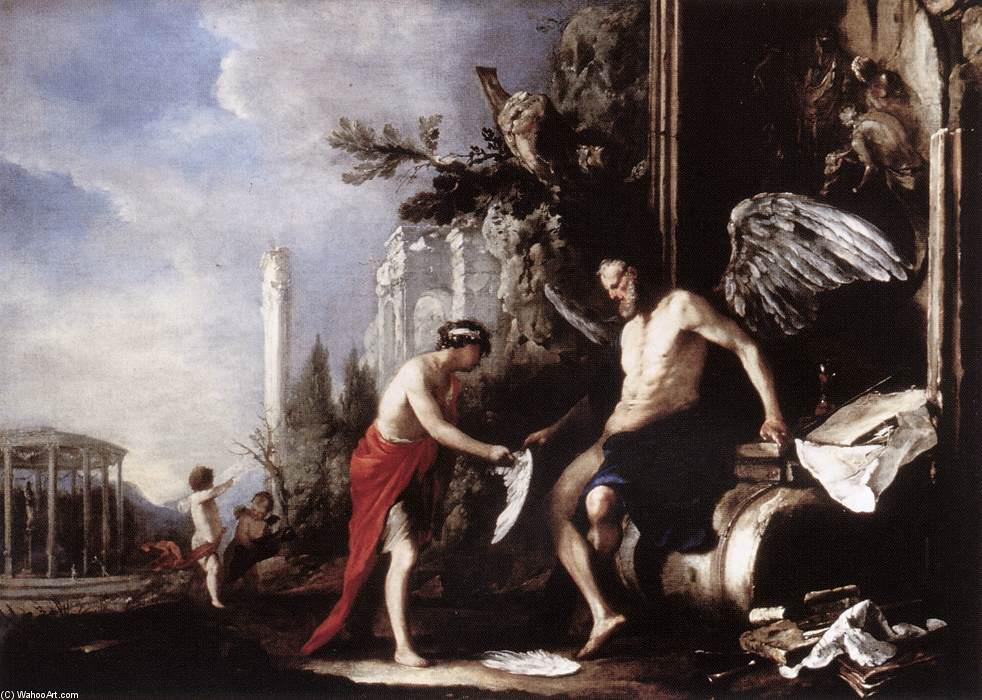
Allegory of Time (Chronos and Eros)
 Oil On Canvas
- WallArt
- Baroque Art
 1630
1630 94.0 x 129.0 cm
 Галерея Национальная изобразительных искусств Античная
 Pročitaj više
Ručno rađena uljana reprodukcija
Ručno oslikano uljanim bojama na platnu u dimenzijama i okviru po vašem izboru, izrađeno po porudžbini od strane naših umetnika. ( Kupi print Kupi digitalnu sliku)




P118B $10

P118H $10

P118W $10

P438Z $10

P508JH $12

P508YH $12

P805H $10

P805Z $10

P919BZ $10

P919G $10

P919XJ $10

P959ZH $10

P968JZ $12

W106C $8

W218G $10

W218JH $8

W218Y $10

W307PJ $10

W316G $10

W316PJ $8

W316Y $10

W398PJ $8

W4111J $10

W500HY $15

W500JH $15

W692G $12

W849H $8

W940BG $15

W953PJ $8




Izaberite jednu od naših unapred definisanih veličina koje odgovaraju originalnim proporcijama umetničkog dela.

Можете унети сопствене димензије како бисте прилагодили дело одређеном оквиру или простору. Ако одабрана величина не одговара пропорцијама оригинала, слика ће бити исечена или проширена додатним елементима који се ручно насликавају. Дигитални prikaz ће вам бити послат на одобрење пре почетка производње.
Имајте на уму да преглед на екрану не одражава стварно исецање или проширење. Само приказ (mockup) ће тачно приказати коначну композицију.
Иако су доступне прилагођене величине, препоручујемо да одаберете димензију из дефинисане листе како бисте сачували оригиналне пропорције.
Nakon narudžbine, tim ArtsDot.com će klijentu putem e-pošte poslati uputstva i dostaviti prikaz predloženog rešenja
Isporuka širom sveta () za 3/4 nedelje umesto uobičajenih 5 nedelja. (27 август). Bez kompromisa po pitanju kvaliteta.

Besplatna ekspresna dostava širom sveta

Visokokvalitetno laneno platno

Kompletno osiguranje transporta

Garancija povraćaja carine i uvoznih dažbina

Garancija vernosti boja

Politika povrata u roku od 60 dana (samo u slučaju nedostataka)

Garancija povrata novca od 100%

Popust pri grupnoj kupovini
 Opcija sa staklom dostupna je samo za dimenzije manje od 110 cm

Allegory of Time (Chronos and Eros)
Tehnika reprodukcije
Dimenzije reprodukcije
-


Konačna cena
$ 263
A Timeless Dance of Time and Desire: Johann Heinrich Schönfeld’s “Allegory of Time”
Within the hallowed halls of the Galleria Nazionale d'Arte Antica in Rome resides a painting that transcends mere representation, offering instead a profound meditation on humanity’s relationship with time itself. Johann Heinrich Schönfeld’s “Allegory of Time (Chronos and Eros),” completed in 1630, is not simply a depiction; it’s an experience—a carefully constructed tableau brimming with symbolism, rendered in the rich, dramatic style characteristic of the Baroque period. Measuring a substantial 94 x 129 centimeters, this oil on canvas invites viewers to linger and unravel its layers of meaning, revealing a complex interplay between the relentless march of time and the enduring power of human desire.
Schönfeld’s masterful composition immediately draws the eye to two central figures. On the left, we encounter Chronos, personified as an older man seated in contemplative repose. His posture suggests a weighty burden—the responsibility of overseeing the passage of time. He holds an hourglass, a potent symbol of mortality and the inevitable decay that governs all earthly endeavors. Beside him stands Eros, youthful and vibrant, reaching out to mirror the older figure’s face within a hand-held mirror. This gesture is not one of simple reflection; it's an active engagement with time, a yearning for connection and perhaps even a challenge to its dominion.
Baroque Drama: Light, Shadow, and Color
The painting’s power lies not only in its symbolic content but also in Schönfeld’s skillful execution. He was deeply influenced by the Venetian Renaissance tradition of color and light, particularly the work of Titian and Veronese, adapting it to the dramatic conventions of Baroque art. The palette is dominated by earthy tones—ochres, siennas, and browns—creating a sense of groundedness and timelessness. However, these muted hues are punctuated by striking contrasts: the vibrant red garments worn by both figures immediately draw attention, symbolizing passion, desire, and perhaps even the fleeting nature of earthly pleasures. Schönfeld’s use of chiaroscuro – the dramatic interplay of light and shadow – is particularly noteworthy. Deep shadows envelop Chronos, emphasizing his age and the weight of his role, while carefully placed highlights illuminate Eros, suggesting the vitality and potential for renewal that he embodies.
A Classical Foundation: Architecture and Symbolism
The backdrop to this intimate scene is a meticulously rendered architectural setting—classical columns, crumbling ruins, and hints of a distant landscape. These elements are not merely decorative; they serve as potent symbols themselves. The classical architecture evokes the grandeur of antiquity, representing the enduring legacy of civilization and the cyclical nature of time. The ruins suggest the transience of earthly power and the inevitable decay that awaits all things. Furthermore, the inclusion of elements like a mirror speaks to introspection, self-reflection, and the human desire to understand our place within the grand scheme of existence.
A Legacy in Rome: Schönfeld’s Artistic Significance
“Allegory of Time” stands as a significant work in the history of art, reflecting Schönfeld's position within the vibrant artistic community of 17th-century Rome. He was part of the Schildersbent, a group of artists who helped to disseminate the Venetian style throughout Italy. His ability to seamlessly blend classical influences with Baroque drama is evident in this painting, showcasing his mastery of composition, symbolism, and technique. It’s a piece that invites contemplation—a reminder of time's relentless flow and the enduring human quest for meaning and connection. Today, it continues to be admired at the Galleria Nazionale d'Arte Antica, offering viewers an opportunity to engage with this timeless masterpiece.
Resources for Further Exploration
- Original Artwork Image: View the original painting on Wikimedia Commons
- Artist Biography: Learn more about Johann Heinrich Schönfeld at the Web Gallery of Art
- Related Research: Explore further details on 1st Art Gallery
Srodna umetnička dela

Povezani članci

Барокна драма: Уношење величине и емоција у савремене ентеријере
Откријте барокну драму и унесите величину у ваш ентеријер! ArtsDot нуди ручно насликане репродукције, персонализоване портрете и стручне консултације за љубитеље класичне уметности. Потражите савршено дело већ данас!

The Dramatic Flourish: Exploring the Baroque Movement's Enduring Legacy in Art History
Explore the dramatic world of Baroque art! Discover iconic artists like Caravaggio & Rubens, defining techniques, and its lasting impact on art history. Expert insights for collectors & enthusiasts at ArtsDot.

Barok Majstor dela: Top 10 Umjetničkih Remeka za Vaš Dom
Otkrijte 10 remek dela koja su definisala baroknu umetnost! Karavagio, Bernini i više – istražite priče iza ovih ikoničnih slika. Inspiracija za vaš dom? Pogledajte kolekciju na ArtsDot.com!

The Visceral Stage: Exploring Dramatic Narratives & Emotional Intensity in Baroque Art
Explore the dramatic world of Baroque art! Discover iconic masters like Caravaggio & Rembrandt, their techniques, and the movement's lasting impact. Expert insights for collectors & enthusiasts at ArtsDot.
Pietro da Cortona: Baroque Grandeur & the Synthesis of Roman Painting
Explore the life & masterpieces of Pietro da Cortona, a defining figure of the Italian Baroque. Discover his stunning frescoes at Palazzo Barberini and lasting influence on Roman art history. Learn more with ArtsDot.


_-_WGA21053.jpg)