

 Pregledaj u prostoru
 Pošalji
 Podeli
 Detalji o delu

 Преузми
 Slični predmeti
 Rendgenski snimak
 Slajdovi
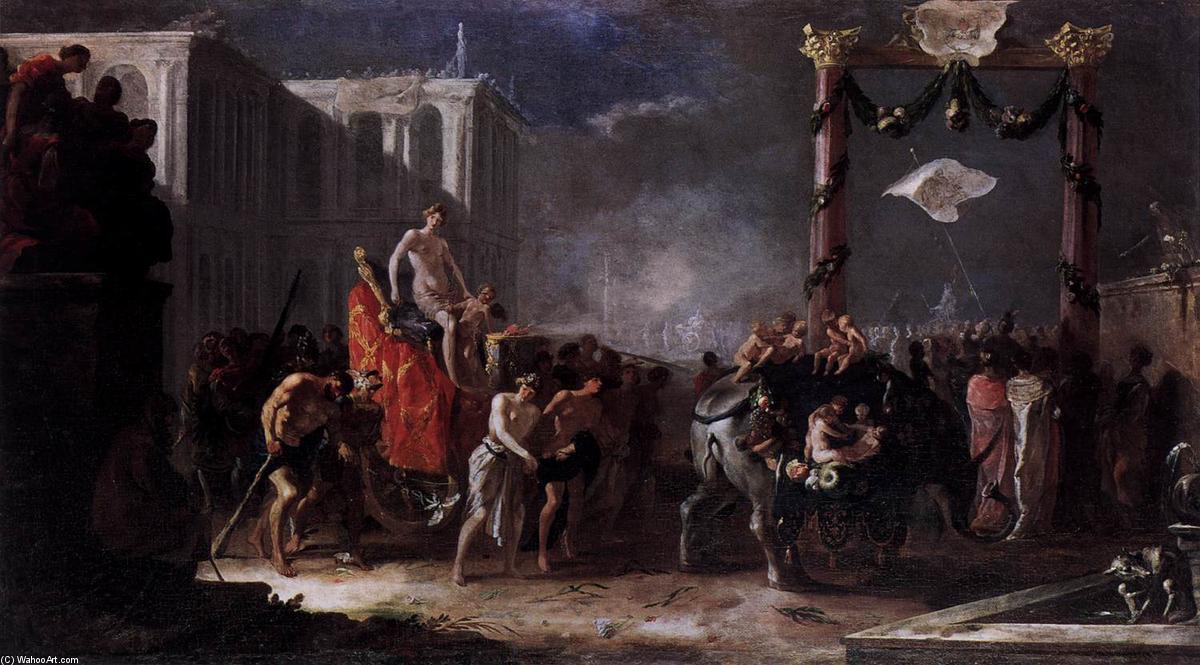
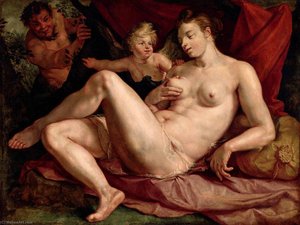
Triumph of Venus
 Oil On Canvas
- WallArt
- Baroque
 1640
1640 70.0 x 123.0 cm
 Staatliche Museen zu Berlin
 Pročitaj više
Ručno rađena uljana reprodukcija
Ručno oslikano uljanim bojama na platnu u dimenzijama i okviru po vašem izboru, izrađeno po porudžbini od strane naših umetnika. ( Kupi print Kupi digitalnu sliku)




P118B $10

P118H $10

P118W $10

P438Z $10

P508JH $12

P508YH $12

P805H $10

P805Z $10

P919BZ $10

P919G $10

P919XJ $10

P959ZH $10

P968JZ $12

W106C $8

W218G $10

W218JH $8

W218Y $10

W307PJ $10

W316G $10

W316PJ $8

W316Y $10

W398PJ $8

W4111J $10

W500HY $15

W500JH $15

W692G $12

W849H $8

W940BG $15

W953PJ $8




Izaberite jednu od naših unapred definisanih veličina koje odgovaraju originalnim proporcijama umetničkog dela.

Можете унети сопствене димензије како бисте прилагодили дело одређеном оквиру или простору. Ако одабрана величина не одговара пропорцијама оригинала, слика ће бити исечена или проширена додатним елементима који се ручно насликавају. Дигитални prikaz ће вам бити послат на одобрење пре почетка производње.
Имајте на уму да преглед на екрану не одражава стварно исецање или проширење. Само приказ (mockup) ће тачно приказати коначну композицију.
Иако су доступне прилагођене величине, препоручујемо да одаберете димензију из дефинисане листе како бисте сачували оригиналне пропорције.
Nakon narudžbine, tim ArtsDot.com će klijentu putem e-pošte poslati uputstva i dostaviti prikaz predloženog rešenja
Isporuka širom sveta () za 3/4 nedelje umesto uobičajenih 5 nedelja. (22 август). Bez kompromisa po pitanju kvaliteta.

Besplatna ekspresna dostava širom sveta

Visokokvalitetno laneno platno

Kompletno osiguranje transporta

Garancija povraćaja carine i uvoznih dažbina

Garancija vernosti boja

Politika povrata u roku od 60 dana (samo u slučaju nedostataka)

Garancija povrata novca od 100%

Popust pri grupnoj kupovini
 Opcija sa staklom dostupna je samo za dimenzije manje od 110 cm

Triumph of Venus
Tehnika reprodukcije
Dimenzije reprodukcije
-


Konačna cena
$ 263
Opis umetničkog dela
A Triumph of Venus: Johann Heinrich Schönfeld’s Baroque Masterpiece
The Staatliche Museen zu Berlin houses a painting that transcends mere representation – it is an immersive experience, a vibrant tableau vivant capturing the essence of classical mythology and the burgeoning spirit of the Baroque era. Johann Heinrich Schönfeld's “Triumph of Venus,” completed around 1640, isn’t simply a depiction of the goddess; it’s a carefully constructed narrative brimming with symbolism, light, and an undeniable sense of celebratory grandeur.
Schönfeld, born in Biberach in 1609, was a master of capturing the dynamism and emotional intensity characteristic of Baroque art. His early training under Caspar Sichelbein laid the foundation for his distinctive style – one that blended classical influences with a dramatic flair. The painting itself is an oil on canvas measuring 70 x 123 cm, a scale that allows for intricate detail while maintaining a sense of expansive drama. It’s remarkable to consider this work was created nearly four centuries ago, yet it retains a freshness and vitality that speaks volumes about Schönfeld's skill.
The Scene Unfolds: Venus Ascendant
At the heart of the composition stands Venus, not as a serene deity, but as a figure radiating power and triumph. She occupies the central space, poised atop a magnificent chariot drawn by two spirited horses – their harnesses adorned with vibrant red silks that immediately draw the eye. The chariot itself is a testament to Baroque design, its curves and ornamentation echoing the grandeur of Roman architecture. Around her, a carefully orchestrated group of figures participates in the celebration, suggesting a public procession or festival honoring the goddess of love.
Note the deliberate use of light and shadow – a hallmark of Baroque painting. Schönfeld masterfully employs chiaroscuro to sculpt the forms, creating depth and volume within the scene. The light seems to emanate from an unseen source, bathing Venus in a golden glow while simultaneously casting dramatic shadows that heighten the sense of drama and movement. This technique isn’t merely aesthetic; it serves to draw the viewer's attention directly to the central figure – the embodiment of beauty and victory.
Symbolism Woven into the Canvas
The “Triumph of Venus” is rich in symbolic meaning, reflecting the prevailing intellectual currents of the 17th century. The chariot itself represents power and dominion, while the horses symbolize speed and dynamism – qualities associated with Venus’s role as a goddess of love and desire. The figures surrounding her are not merely onlookers; they represent various aspects of Venus's influence: fertility, beauty, and even victory in battle. The architectural elements—columns and statues—are reminiscent of classical temples, reinforcing the painting’s connection to ancient mythology.
Furthermore, the inclusion of a group celebrating suggests that love and beauty are not merely personal experiences but also contribute to the well-being and prosperity of society. It's a potent message within the context of a time marked by religious upheaval and political uncertainty. The painting’s overall effect is one of optimistic celebration – a testament to the enduring power of classical ideals.
A Baroque Legacy
“Triumph of Venus” stands as a quintessential example of Baroque art, mirroring works like Peter Paul Rubens' "Music Making Angels." Schönfeld expertly blends classical motifs with dramatic composition and masterful use of light. The painting’s influence can be seen in subsequent generations of artists who sought to capture the emotional intensity and grandeur of the era. It is a powerful reminder of the enduring appeal of mythology, beauty, and the celebration of human potential – themes that continue to resonate with audiences today.
Consider commissioning a hand-painted reproduction to bring this magnificent artwork into your home or office. It’s more than just decoration; it's an investment in art history and a captivating addition to any space.
Srodna umetnička dela
Povezani članci
Baroque Classicism: Reconciling Drama & Order in 17th-Century Art
Explore the captivating world of Baroque Classicism! Discover its history, key artists like Caravaggio & Rubens, and defining characteristics. Expert insights & high-quality reproductions at ArtsDot.
Echoes of Olympus: Mythological Narratives in Western Art Through the Ages
Explore the captivating history of mythological narratives in Western art! From ancient Greece to modern masterpieces, discover iconic artworks & symbolism. Expert analysis and high-quality reproductions at ArtsDot.
Theatricality & Triumph: Baroque Drama in Painting & Sculpture
Explore the dramatic world of Baroque art! Discover its history, defining characteristics, & lasting influence on painting & sculpture. Expert insights into Caravaggio, Zurbarán, and Bernini – plus high-quality reproductions at ArtsDot.

Барокна драма: Уношење величине и емоција у савремене ентеријере
Откријте барокну драму и унесите величину у ваш ентеријер! ArtsDot нуди ручно насликане репродукције, персонализоване портрете и стручне консултације за љубитеље класичне уметности. Потражите савршено дело већ данас!
Decoding Baroque Grandeur: A Guide to the Drama and Emotion of 17th-Century Art
Explore the breathtaking drama of 17th-century Baroque art. Our expert guide decodes the use of chiaroscuro, emotional intensity, and historical grandeur to help you appreciate and curate timeless masterpieces for your collection.

