

 Pregledaj u prostoru
 Pošalji
 Podeli
 Detalji o delu

 Преузми
 Slični predmeti
 Rendgenski snimak
 Slajdovi
 Stats
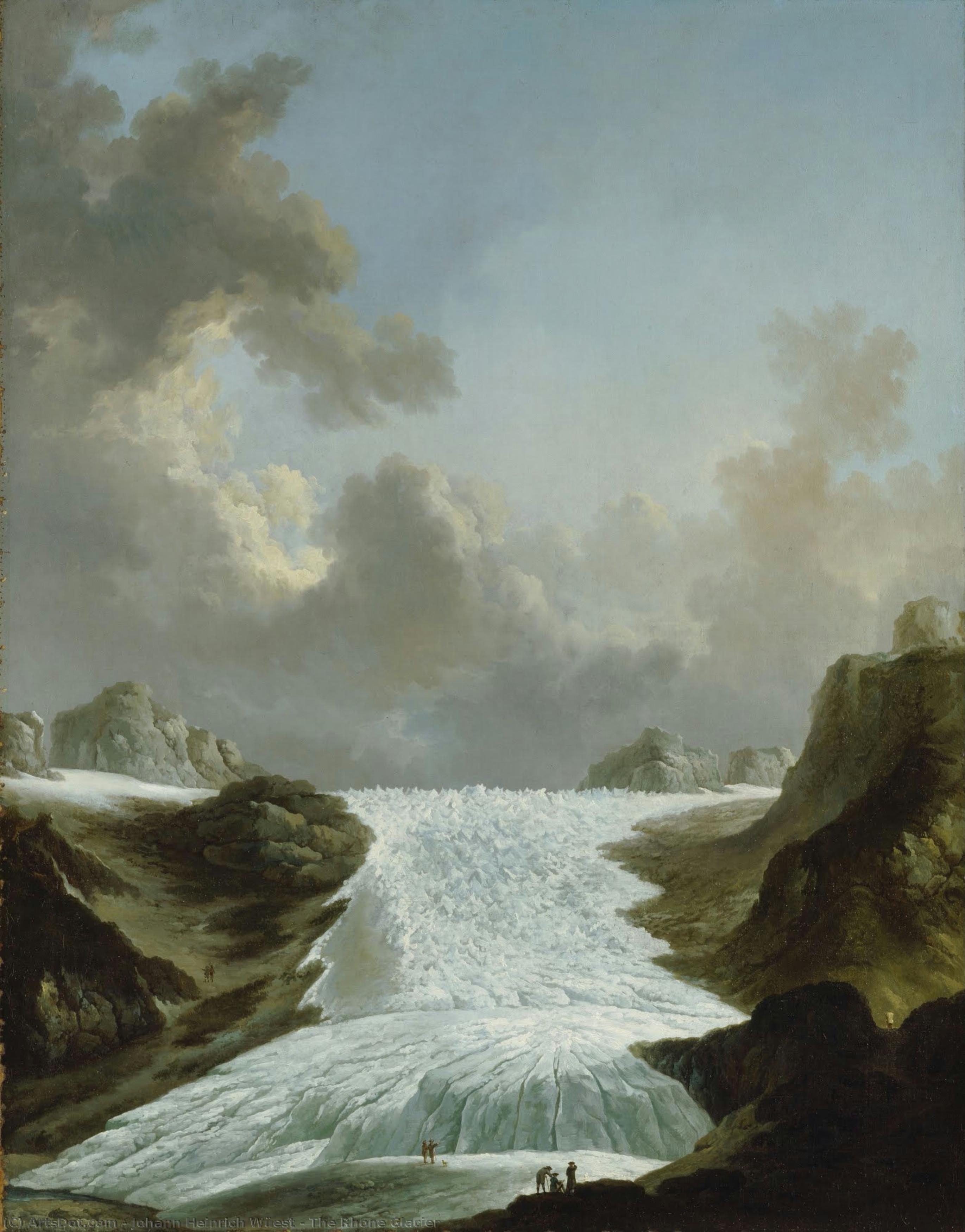
StatsThe Rhone Glacier
 1775
1775 126.0 x 100.0 cm
 Kunsthaus Zürich
 Pročitaj više
Kupite digitalnu sliku visoke rezolucije i poboljšanog kvaliteta, koja je znatno superiornija od onoga što vidite u online prikazu.
Svaka datoteka je pedantno pripremljena od strane naših stručnjaka koristeći napredne alate i profesionalnu ručnu retušu. Osiguravamo da svaka slika ima izuzetnu oštrinu, preciznu reprodukciju boja i fine detalje.
Konačna datoteka se dostavlja putem e-pošte u roku od 72 sata, optimizovana za neposrednu upotrebu u profesionalnim, izdavačkim i štamparskim okruženjima. To je isti kvalitet kojem veruju vrhunski studiji dizajna, izdavači i galerije.
Digitalna slika
Preuzmite datoteku visoke rezolucije za ličnu upotrebu, štampanje i kreativne projekte. ( Switch to Print Kupi ručno naslikanu sliku)
Uključeno uz svaku porudžbinu digitalne slike
Profesionalna digitalna isporuka, zagarantovana
Kada odaberete ArtsDot.com, ne dobijate samo sliku – vi primate profesionalno unapređeno digitalno umetničko delo, izrađeno sa najvećom preciznošću i uz garanciju zadovoljstva. Evo svega što automatski dolazi uz vašu porudžbinu:

Brza dostava putem e-pošte
Vaša digitalna slika visoke rezolucije biće vam poslata putem e-pošte u roku od 72 sata od poručivanja – spremna za trenutnu upotrebu.

Digitalna datoteka unapređena veštačkom inteligencijom
Vaše umetničko delo je profesionalno optimizovano korišćenjem naprednih AI alata i ručne obrade, čime se osiguravaju maksimalni detalji, oštrina i preciznost boja.

Besplatna ponovna isporuka doživotno
Slučajno ste obrisali ili izgubili svoju datoteku? Ne brinite – poslaćemo vam je ponovo u bilo kom trenutku, potpuno besplatno.

Bez troškova uvoza – zauvek
Uživajte u svojim umetničkim delima trenutno, bez carine, dažbina ili troškova dostave – digitalni download je uvek bez poreza.

Garancija vernosti boja
Uz pomoć profesionalnih alata i upravljanja bojama, osiguravamo da vaša digitalna slika što vernije odražava originalne boje.

Garancija zadovoljstva od 100 dana
Ako niste zadovoljni svojom digitalnom slikom, izvršićemo reviziju ili ćemo vam vratiti 100% novca u roku od 100 dana – bez ikakvih pitanja.

100% garancija povrata novca
Niste zadovoljni? Dobijte puni povraćaj novca u roku od 100 dana od prijema digitalne datoteke – bez suvišnih pitanja.

Popusti na velike porudžbine
Kupite 3 slike, uštedite 10% - Kupite 5 slika, uštedite 15% - Kupite 10+ slika, uštedite 20%. Odlično za kreativne projekte, galerije i agencije.
Srodna umetnička dela







Biografija umetnika
Henry Fuseli: A Pioneer of the Gothic Imagination
Johann Heinrich Füssli, better known as Henry Fuseli, emerged in the late 18th century as a pivotal figure in European art, particularly recognized for his dramatic and unsettling depictions of mythological subjects. Born in Basel, Switzerland, in 1741, Fuseli’s artistic journey was marked by a fascination with the macabre, the sublime, and the psychological depths of human experience – elements that would profoundly influence the burgeoning Romantic movement. His early life provided a unique foundation for his future work; his father served as concierge to the residence of the Parisian École des Élèves Protégés, affording young Henry access to the studios of leading artists in the Louvre, exposing him to both classical antiquity and the vibrant styles of the Baroque.
Fuseli’s artistic development was shaped by a complex interplay of influences. Initially trained in the traditions of the Rococo, he quickly gravitated towards the dramatic intensity of Caravaggio and the brooding atmosphere of Rembrandt. This shift is evident in his early works, such as *The Ghost at the Banquet*, painted in 1769, which established him as a master of creating scenes charged with suspense and psychological tension. The painting’s success catapulted him to fame, solidifying his reputation for depicting nightmares and visions—a hallmark that would define much of his subsequent output.
His time in Rome, awarded through the Prix de Rome scholarship, proved transformative. He immersed himself in the study of classical sculpture, particularly the marbles of antiquity, meticulously copying works by masters like Bernini. However, he didn’t simply replicate; he infused these studies with a distinctly personal vision, incorporating elements of Baroque dynamism and his own burgeoning interest in the darker aspects of human nature. This period witnessed the creation of numerous paintings inspired by classical mythology, including *The Massacre of Innocence* (1783), a harrowing depiction of Herod’s slaughter of the children that remains one of his most iconic works. The painting's stark realism and emotional intensity shocked audiences and cemented Fuseli’s reputation for unsettling imagery.
Portraiture and Social Engagement
While renowned for his mythological scenes, Fuseli also established himself as a respected portrait painter. He produced numerous portraits of prominent figures of the era, including members of the British aristocracy and intellectual circles. These works demonstrate a remarkable ability to capture not only physical likeness but also the personalities and inner lives of his subjects. His portraits of Sir Joshua Reynolds, William Wilberforce, and Thomas Jefferson are particularly noteworthy for their psychological depth and subtle nuances.
Beyond portraiture, Fuseli was actively involved in the cultural life of London. He served as an Associate of the Royal Academy in 1786, a prestigious institution that he helped to establish. His involvement extended beyond painting; he was a vocal advocate for artistic reform and a critic of prevailing aesthetic standards. He championed the importance of direct observation and emotional expression in art, arguing against the rigid formalism of Neoclassicism.
The Influence of Romanticism
Fuseli’s work exerted a profound influence on the development of Romanticism, a movement that emphasized emotion, imagination, and the power of nature. His depictions of supernatural phenomena, his exploration of psychological states, and his rejection of classical ideals paved the way for later Romantic artists such as William Blake and Caspar David Friedrich. The themes he explored—the sublime, terror, dreams, and the irrational—resonated deeply with the sensibilities of a generation seeking to break free from the constraints of Enlightenment rationalism.
His paintings were not always well-received during his lifetime; critics often dismissed them as morbid or unsettling. However, in retrospect, Fuseli’s work is recognized for its pioneering role in shaping the Romantic aesthetic and its enduring exploration of the darker corners of the human psyche. His legacy lies not only in his individual masterpieces but also in his contribution to the broader cultural landscape.
Later Years and Legacy
Fuseli continued to paint and exhibit throughout his later years, producing a prolific body of work that reflected his evolving artistic interests. He spent much of his final decade in Switzerland, where he established an art school and dedicated himself to teaching. He died in Basel in 1825 at the age of 84.
Despite facing criticism during his lifetime, Henry Fuseli’s impact on European art is undeniable. His pioneering exploration of psychological themes, his dramatic use of light and shadow, and his embrace of the sublime established him as a key figure in the transition from Neoclassicism to Romanticism. His work continues to fascinate and provoke viewers today, reminding us of the enduring power of imagination and the unsettling beauty of the human experience.
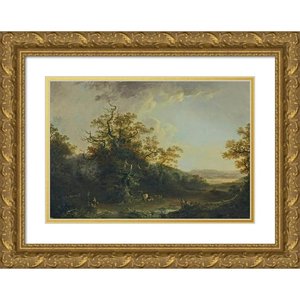
johann heinrich wüest
1741 - 1821 , Switzerland
Kratke činjenice
- Artistic Movement Or Style: Rococo, Romanticism
- Artists Or Movements Influenced By This Artist:
- Romanticism
- Goya
- Artists Who Influenced This Artist:
- Jacques-Louis David
- Joseph Wright of Derby
- Date Of Birth: 1741
- Date Of Death: 1825
- Full Name: Henry Fuseli
- Nationality: Swiss
- Notable Artworks:
- The Nightmare
- Lady Sylvia Finch
- Hesperides
- Place Of Birth: Switzerland