

 Pregledaj u prostoru
 Pošalji
 Podeli
 Detalji o delu

 Преузми
 Slični predmeti
 Rendgenski snimak
 Slajdovi
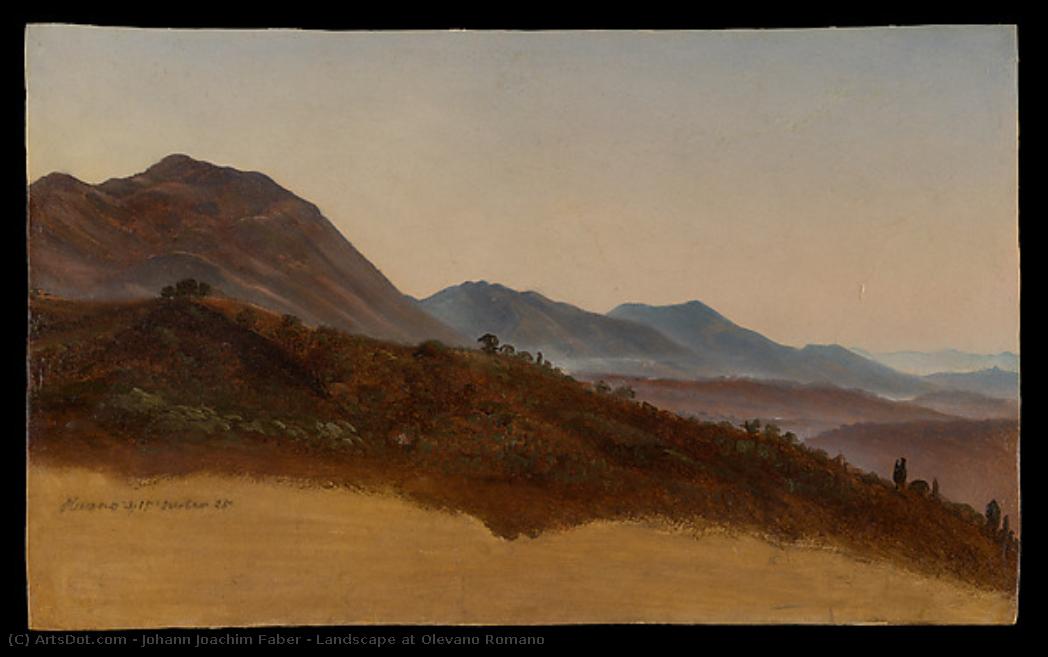
Landscape at Olevano Romano
 1825
1825 21.0 x 34.0 cm
 Metropolitan Museum of Art
 Pročitaj više
Ručno rađena uljana reprodukcija
Ručno oslikano uljanim bojama na platnu u dimenzijama i okviru po vašem izboru, izrađeno po porudžbini od strane naših umetnika. ( Kupi print Kupi digitalnu sliku)




































Izaberite jednu od naših unapred definisanih veličina koje odgovaraju originalnim proporcijama umetničkog dela.

Можете унети сопствене димензије како бисте прилагодили дело одређеном оквиру или простору. Ако одабрана величина не одговара пропорцијама оригинала, слика ће бити исечена или проширена додатним елементима који се ручно насликавају. Дигитални prikaz ће вам бити послат на одобрење пре почетка производње.
Имајте на уму да преглед на екрану не одражава стварно исецање или проширење. Само приказ (mockup) ће тачно приказати коначну композицију.
Иако су доступне прилагођене величине, препоручујемо да одаберете димензију из дефинисане листе како бисте сачували оригиналне пропорције.
Nakon narudžbine, tim ArtsDot.com će klijentu putem e-pošte poslati uputstva i dostaviti prikaz predloženog rešenja
Isporuka širom sveta () za 3/4 nedelje umesto uobičajenih 5 nedelja. (28 август). Bez kompromisa po pitanju kvaliteta.

Besplatna ekspresna dostava širom sveta

Visokokvalitetno laneno platno

Kompletno osiguranje transporta

Garancija povraćaja carine i uvoznih dažbina

Garancija vernosti boja

Politika povrata u roku od 60 dana (samo u slučaju nedostataka)

Garancija povrata novca od 100%

Popust pri grupnoj kupovini
 Opcija sa staklom dostupna je samo za dimenzije manje od 110 cm

Landscape at Olevano Romano
Tehnika reprodukcije
Dimenzije reprodukcije
-


Konačna cena
$ 263
Srodna umetnička dela







Biografija umetnika
Early Life and Artistic Beginnings in Hamburg
Johann Joachim Faber, born in the bustling port city of Hamburg in 1778, emerged into a world steeped in commercial energy and burgeoning cultural awareness. While details surrounding his early family life remain scarce, it’s clear that the vibrant atmosphere of late-eighteenth century Hamburg—a hub of trade, Enlightenment thought, and neoclassical architecture—provided fertile ground for an aspiring artist. He initially embarked on his artistic journey by receiving foundational training at the drawing and painting school established by Friedrich Ludwig Waagen, a local artist who offered practical instruction in sketching, composition, and basic techniques. This private institution served as a crucial stepping stone, filling a void left by the absence of a formal public academy dedicated to fine arts within the city.
Faber’s early work focused on historical and religious subjects, demonstrating a commitment to established artistic traditions. He notably painted the altar-piece, “Suffer Little Children to come unto Me,” for St. Catharine's Church in Hamburg—a piece indicative of his initial dedication to narrative and devotional art. However, this direction would soon undergo a profound transformation, spurred by an experience that would define his artistic career.
The Italian Journey and the Embrace of Landscape
A pivotal moment arrived with Faber’s journey to Italy in the 1820s, undertaken in the company of fellow artists Joseph Anton Koch and Johann Christian Reinhardt. This expedition proved transformative, igniting a passion for landscape painting that would become his defining artistic pursuit. The Italian countryside, bathed in golden light and steeped in classical history, captivated Faber’s imagination. He found himself increasingly drawn to capturing the sublime beauty of nature—the rugged terrains, coastal vistas, and rustic charm of hill towns like Olevano Romano.
The influence of Joseph Anton Koch was particularly significant during this period. Koch, a leading figure in the classical ideal of heroic landscapes, instilled in Faber a sense of structured composition and precise observation. This mentorship helped Faber to blend detailed realism with a romantic sensibility, creating works that were both visually striking and emotionally resonant.
A Romantic Vision of Italian Topography
Upon his return from Italy, Faber dedicated himself wholeheartedly to landscape painting. He became renowned for his oil sketches and paintings depicting the diverse topography of the Italian peninsula—from the Amalfi grottos to the bays of Naples. His works weren’t merely topographical representations; they were imbued with a romantic spirit, capturing the atmosphere, light, and emotional essence of each location.
Paintings like “Landscape at Olevano Romano” (1825), an unfinished sketch emphasizing the rustic allure of the hill town east of Rome, exemplify his style. Similarly, “Civitella Seen from the North” (circa 1820–1825) showcases his ability to convey a sense of depth and tranquility through careful observation and skillful brushwork. These pieces weren’t simply depictions of places; they were expressions of a deeply felt connection with nature.
Legacy and Historical Significance
Faber's career highlights the increasing mobility of German artists during the early nineteenth century, as many sought inspiration in Italy’s rich artistic heritage. His work bridged Northern European Romanticism with Italianate classicism, contributing to a broader movement that celebrated the sublime power of nature.
His paintings found their way into prominent collections, including the Alte Nationalgalerie in Berlin—a testament to his growing recognition and influence. Works such as “View of the Capuchin Monastery near Naples” (1830) continue to be admired for their technical skill, atmospheric depth, and evocative portrayal of Italian landscapes.
Although Faber’s life ended in Hamburg in 1846, his artistic legacy endures. He remains a significant figure in the history of German Romantic landscape painting, celebrated for his ability to capture the timeless beauty and emotional resonance of the Italian countryside. His works offer a glimpse into a world where art served as a vehicle for exploring not only the visual splendor of nature but also the profound connection between humanity and the environment.
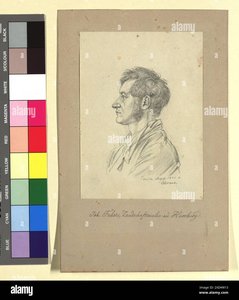
johann joachim faber
1778 - 1846 , Germany
Osnovne informacije
- Artistic Movement Or Style: Romantic landscape art
- Artists Who Influenced This Artist: ['Joseph Anton Koch']
- Date Of Birth: 1778
- Date Of Death: 1846
- Full Name: Johann Joachim Faber
- Nationality: German
- Notable Artworks:
- View of Capuchin Monastery
- Landscape at Olevano Romano
- Suffer Little Children
- Place Of Birth: Hamburg, Germany

