

 Pošalji
 Podeli
 Detalji o delu

 Преузми
 Slični predmeti
 Slajdovi
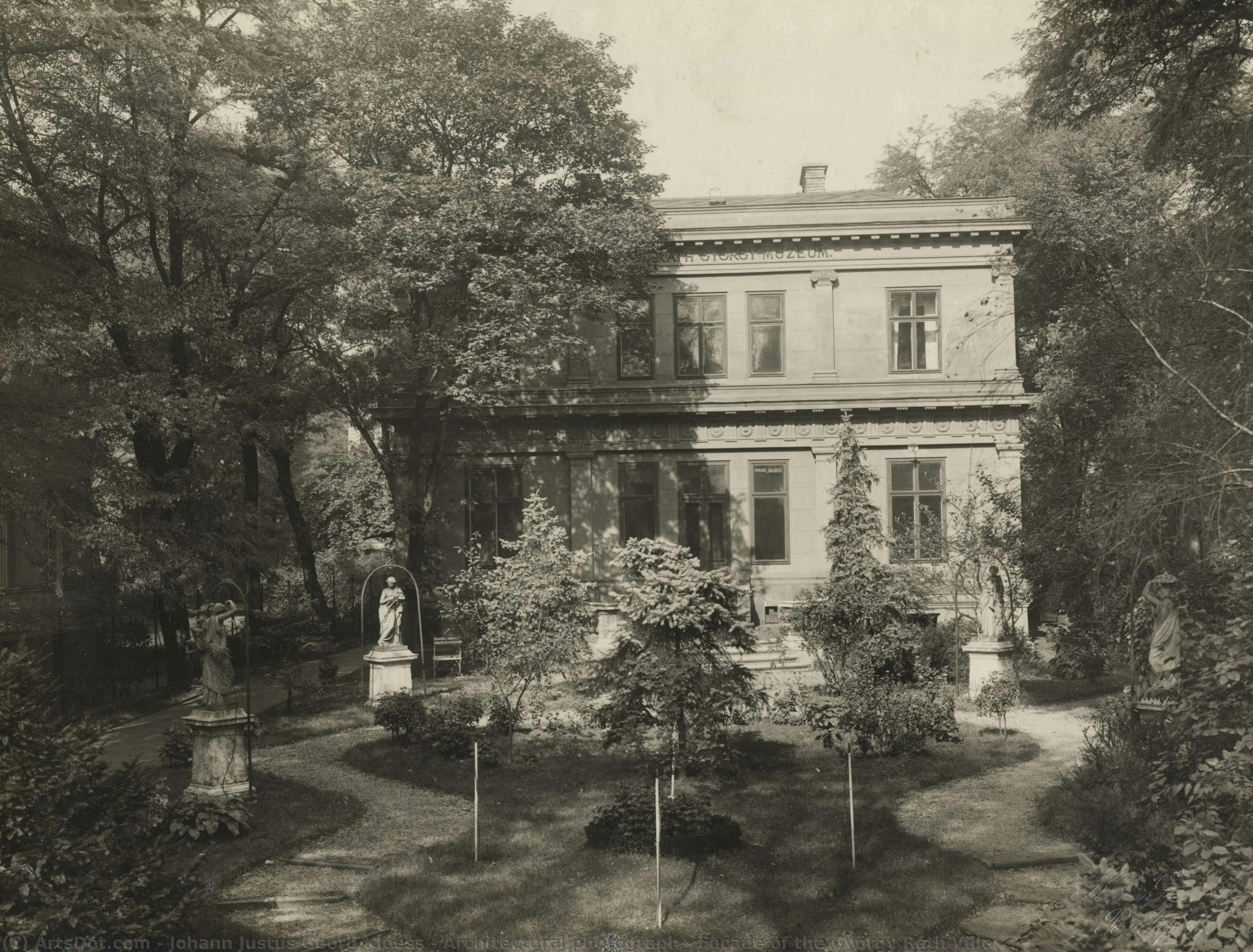
Architectural photograph – Facade of the György Ráth Villa


 Pročitaj više
Kupite digitalnu sliku visoke rezolucije i poboljšanog kvaliteta, koja je znatno superiornija od onoga što vidite u online prikazu.
Svaka datoteka je pedantno pripremljena od strane naših stručnjaka koristeći napredne alate i profesionalnu ručnu retušu. Osiguravamo da svaka slika ima izuzetnu oštrinu, preciznu reprodukciju boja i fine detalje.
Konačna datoteka se dostavlja putem e-pošte u roku od 72 sata, optimizovana za neposrednu upotrebu u profesionalnim, izdavačkim i štamparskim okruženjima. To je isti kvalitet kojem veruju vrhunski studiji dizajna, izdavači i galerije.
Digitalna slika
Preuzmite datoteku visoke rezolucije za ličnu upotrebu, štampanje i kreativne projekte. ( Kupi print Kupi ručno naslikanu sliku)
Uključeno uz svaku porudžbinu digitalne slike
Profesionalna digitalna isporuka, zagarantovana
Kada odaberete ArtsDot.com, ne dobijate samo sliku – vi primate profesionalno unapređeno digitalno umetničko delo, izrađeno sa najvećom preciznošću i uz garanciju zadovoljstva. Evo svega što automatski dolazi uz vašu porudžbinu:

Brza dostava putem e-pošte
Vaša digitalna slika visoke rezolucije biće vam poslata putem e-pošte u roku od 72 sata od poručivanja – spremna za trenutnu upotrebu.

Digitalna datoteka unapređena veštačkom inteligencijom
Vaše umetničko delo je profesionalno optimizovano korišćenjem naprednih AI alata i ručne obrade, čime se osiguravaju maksimalni detalji, oštrina i preciznost boja.

Besplatna ponovna isporuka doživotno
Slučajno ste obrisali ili izgubili svoju datoteku? Ne brinite – poslaćemo vam je ponovo u bilo kom trenutku, potpuno besplatno.

Bez troškova uvoza – zauvek
Uživajte u svojim umetničkim delima trenutno, bez carine, dažbina ili troškova dostave – digitalni download je uvek bez poreza.

Garancija vernosti boja
Uz pomoć profesionalnih alata i upravljanja bojama, osiguravamo da vaša digitalna slika što vernije odražava originalne boje.

Garancija zadovoljstva u roku od 60 dana
Ako niste zadovoljni svojom digitalnom slikom, revidirat ćemo je ili vratiti 100% novca u roku od 60 dana – bez ikakvih pitanja.

100% garancija povrata novca
Niste zadovoljni? Obezbedite pun povrat novca u roku od 60 dana od trenutka kada ste primili svoju digitalnu datoteku – bez suvišnih pitanja.

Popusti na velike porudžbine
Kupite 3 slike, uštedite 10% - Kupite 5 slika, uštedite 15% - Kupite 10+ slika, uštedite 20%. Odlično za kreativne projekte, galerije i agencije.
Architectural Photograph – Facade of the György Ráth Villa
- A Glimpse into a Lost Era: This striking black and white photograph offers a poignant window into the early 20th century, capturing the imposing facade of the György Ráth Villa. Executed by Johann Justus Georg Kloess in 1900, the image transcends mere documentation; it’s a frozen moment in time, revealing a stately mansion steeped in history and personal narrative. The photograph's stark tones amplify its dramatic effect, emphasizing the building’s architectural grandeur against the backdrop of a meticulously landscaped garden.
- The Legacy of Ráth: Constructed by György Ráth, a prominent figure in Hungarian society, the villa served as both his private residence and later, the foundation for the György Ráth Museum. Opened just two years before Kloess’s capture, the museum preserved Ráth's life and possessions, offering visitors a tangible connection to a bygone era. The photograph subtly reveals the building’s function – a space dedicated to preserving memory and showcasing a particular lifestyle.
- Kloess’s Vision: Johann Justus Georg Kloess, born in Darmstadt in 1844, was a skilled photographer who documented significant architectural subjects of his time. His work reflects a keen eye for detail and an understanding of how light and shadow could dramatically shape the viewer's perception. The composition of this photograph – the careful framing, the deliberate use of negative space – speaks to Kloess’s artistic sensibilities.
Historical Context & Architectural Style
- Early 20th Century Hungary: The year 1900 places this image within a period of significant social and political change in Hungary. The Austro-Hungarian Empire was undergoing increasing strain, and nationalist sentiments were rising. The György Ráth Villa, representing the wealth and influence of an individual, provides a visual snapshot of this complex landscape.
- Neoclassical Influence: The villa’s architecture is clearly rooted in Neoclassical principles, popular at the time for its emphasis on symmetry, order, and grandeur. The use of classical elements – such as the prominent portico and symmetrical façade – reflects a desire to evoke the ideals of ancient Rome and Greece. This style was favored by wealthy patrons seeking to project an image of stability and refinement.
- Landscaping as Symbolism: The surrounding gardens, filled with potted plants, were not merely decorative; they served as a crucial element in communicating status and wealth. Formal landscaping—a hallmark of the era—reinforced the villa’s imposing presence and contributed to its overall aesthetic impact.
Technique & Artistic Considerations
- Black and White Photography: Kloess's choice of black and white photography is particularly effective in conveying the photograph's mood and emphasizing the architectural details. The absence of color allows viewers to focus solely on form, texture, and light – elements that are crucial to understanding the building’s design.
- Composition & Perspective: The photographer skillfully employs perspective to create a sense of depth and scale. The placement of the figure in the foreground adds a human element to the scene, inviting viewers to imagine themselves within this historical setting. The use of leading lines draws the eye towards the main building, reinforcing its dominance.
- Exposure & Detail: Kloess’s technical mastery is evident in the clarity and detail of the image. The careful control of exposure ensures that both the bright highlights and the darker shadows are rendered accurately, contributing to the photograph's overall impact.
Symbolism & Emotional Impact
- Preservation of Memory: The photograph’s subject – a museum dedicated to a deceased collector – speaks to the importance of preserving cultural heritage and honoring individual legacies. It represents a desire to connect with the past and understand the lives of those who came before us.
- Sense of Nostalgia & Decay: Despite its beauty, the photograph also evokes a sense of nostalgia and perhaps even melancholy. The aged appearance of the building suggests that time has passed, and that this once-grand structure is now part of history. This creates an emotional resonance for the viewer.
- Quiet Grandeur: Ultimately, the photograph captures a moment of quiet grandeur – a testament to the power of architecture to inspire awe and contemplation. It’s a reminder of the enduring beauty of classical design and the stories that buildings can tell.
Srodna umetnička dela
Biografija umetnika
Henri Rousseau: The Primitivist Visionary
Born in Laval, France, in 1844, Henri Julien Félix Rousseau’s life was one of quiet transformation and unexpected artistic triumph. Initially destined for a practical trade – his father was a tinsmith – Rousseau’s early years were marked by hardship and a sense of displacement. He found solace not in the clang of metal but in drawing, a skill nurtured during his time at Laval High School. Despite a somewhat unremarkable academic record, he excelled in artistic pursuits, winning prizes for his sketches and musical abilities. This nascent talent led him to Paris in 1868, where he sought employment as a government employee to support his widowed mother. It was here, amidst the bustling city, that Rousseau’s artistic journey truly began – not with formal training, but with an unwavering dedication to self-taught observation and expression.
Rousseau's early career was characterized by a diligent, if unremarkable, service as a toll collector (hence his affectionate nickname, “Le Douanier”). He worked in the outskirts of Paris, meticulously collecting taxes from travelers. This seemingly mundane occupation provided him with an unparalleled vantage point – access to the world beyond the city’s walls, a world teeming with exotic animals, vibrant landscapes, and the rhythms of rural life. It was this constant exposure to the unfamiliar that would profoundly shape his artistic vision. Unlike many of his contemporaries who sought inspiration in classical art or contemporary trends, Rousseau turned inward, drawing upon his own memories, dreams, and intensely personal interpretations of the world around him.
The Emergence of a Unique Style
Rousseau’s artistic development was remarkably swift. By 1873, just nine years after leaving Laval, he had begun to paint seriously, dedicating himself entirely to his art. His early works were largely derivative, influenced by the academic style prevalent at the time – meticulous detail and a focus on realistic representation. However, it wasn’t until the late 1870s that his distinctive style began to emerge. This shift was profoundly impacted by his encounter with Impressionism, particularly through the work of Mary Cassatt, who recognized his potential and encouraged him to embrace a more expressive approach. Cassatt's influence led Rousseau to revise his technique, composition, and use of color and light – manifesting his admiration for the works of the French avant-garde, especially Degas and Manet.
Crucially, Rousseau rejected academic conventions in favor of a naive or primitive style. His paintings are characterized by bold colors, simplified forms, and a lack of perspective—a deliberate choice that created an otherworldly atmosphere. He often depicted scenes from the jungle, populated with fantastical creatures and figures, drawing upon his memories of the landscapes he encountered as a toll collector. These weren’t meticulously rendered depictions; rather, they were emotionally charged visions, imbued with a dreamlike quality. His work is considered to be part of both Post-Impressionism and Naïve art, reflecting a unique synthesis of observation and imagination.
Key Works and Influences
Rousseau’s most famous painting, *The Sleeping Gypsy* (1897), exemplifies his distinctive style. The image—a solitary young girl asleep under the vast expanse of the starry sky—is both hauntingly beautiful and deeply evocative. It captures a sense of vulnerability and isolation, while simultaneously conveying a profound connection to nature. Other notable works include *Tiger in a Tropical Storm* (1893), a dynamic and intensely colored depiction of a tiger caught in a violent storm; *The Hungry Lion Throws Itself on the Antelope* (1894-95), a dramatic scene of predatory instinct; and *Boy on the Rocks* (1897), a poignant image of a young boy contemplating the sea.
Beyond Impressionism, Rousseau’s work was profoundly influenced by Primitivism – an artistic movement that celebrated non-Western art forms as sources of inspiration. He admired the raw emotion and directness of African masks and sculptures, incorporating elements of these styles into his own paintings. His work also reflects a fascination with the exotic—the jungles, the animals, and the cultures he encountered in his travels.
Legacy and Recognition
Despite being largely ignored during his lifetime, Henri Rousseau’s art gained recognition posthumously. Initially dismissed as eccentric and amateurish, his paintings were later celebrated for their originality, emotional intensity, and profound connection to the human experience. His work exerted an extensive influence on several generations of avant-garde artists, including Pablo Picasso, who famously used *The Sleeping Gypsy* as a source of inspiration for his own paintings. Today, Rousseau is recognized as a pioneering figure in modern art—a self-taught genius whose unique vision continues to captivate and inspire.
Rousseau died in Paris in 1910, leaving behind a remarkable body of work that stands as a testament to the power of observation, imagination, and unwavering artistic dedication. His paintings offer a glimpse into a world both familiar and fantastical—a world where dreams and reality intertwine, and where the beauty of the natural world is revealed through the eyes of a truly original artist.
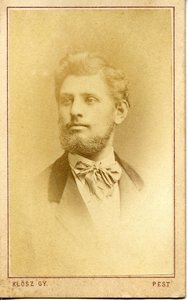
johann justus georg kloess
1844 - 1913 , Germany
Kratke činjenice
- Artistic Movement Or Style:
- Post-Impressionism
- Naïve art
- Primitivism
- Artists Or Movements Influenced By This Artist:
- Degas
- Manet
- Artists Who Influenced This Artist: ['Mary Cassatt']
- Date Of Birth: May 21, 1844
- Date Of Death: September 2, 1910
- Full Name: Henri Julien Félix Rousseau
- Nationality: French
- Notable Artworks:
- The Sleeping Gypsy
- Tiger in a Tropical Storm
- Boy on the Rocks
- Place Of Birth: Laval, Mayenne, France

