

 Pregledaj u prostoru
 Pošalji
 Podeli
 Detalji o delu

 Преузми
 Slični predmeti
 Rendgenski snimak
 Slajdovi
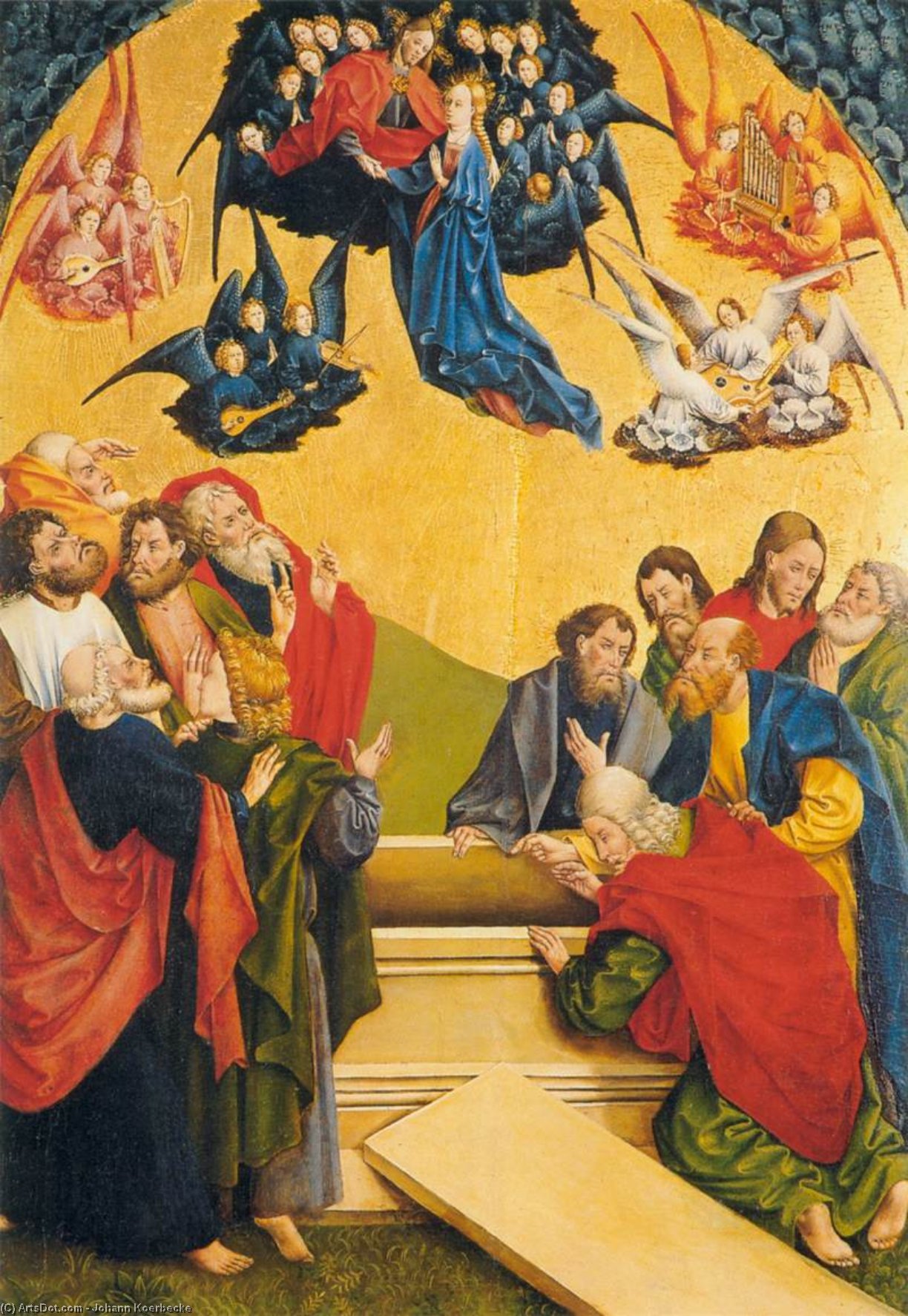
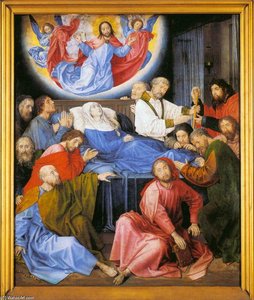
Assumption of the Virgin
 Acrylic On Canvas
- WallArt
- Renaissance Revival
 93.0 x 64.0 cm
 Museo Thyssen-Bornemisza
 Pročitaj više
Kupite digitalnu sliku visoke rezolucije i poboljšanog kvaliteta, koja je znatno superiornija od onoga što vidite u online prikazu.
Svaka datoteka je pedantno pripremljena od strane naših stručnjaka koristeći napredne alate i profesionalnu ručnu retušu. Osiguravamo da svaka slika ima izuzetnu oštrinu, preciznu reprodukciju boja i fine detalje.
Konačna datoteka se dostavlja putem e-pošte u roku od 72 sata, optimizovana za neposrednu upotrebu u profesionalnim, izdavačkim i štamparskim okruženjima. To je isti kvalitet kojem veruju vrhunski studiji dizajna, izdavači i galerije.
Digitalna slika
Preuzmite datoteku visoke rezolucije za ličnu upotrebu, štampanje i kreativne projekte. ( Kupi print Kupi ručno naslikanu sliku)
Uključeno uz svaku porudžbinu digitalne slike
Profesionalna digitalna isporuka, zagarantovana
Kada odaberete ArtsDot.com, ne dobijate samo sliku – vi primate profesionalno unapređeno digitalno umetničko delo, izrađeno sa najvećom preciznošću i uz garanciju zadovoljstva. Evo svega što automatski dolazi uz vašu porudžbinu:

Brza dostava putem e-pošte
Vaša digitalna slika visoke rezolucije biće vam poslata putem e-pošte u roku od 72 sata od poručivanja – spremna za trenutnu upotrebu.

Digitalna datoteka unapređena veštačkom inteligencijom
Vaše umetničko delo je profesionalno optimizovano korišćenjem naprednih AI alata i ručne obrade, čime se osiguravaju maksimalni detalji, oštrina i preciznost boja.

Besplatna ponovna isporuka doživotno
Slučajno ste obrisali ili izgubili svoju datoteku? Ne brinite – poslaćemo vam je ponovo u bilo kom trenutku, potpuno besplatno.

Bez troškova uvoza – zauvek
Uživajte u svojim umetničkim delima trenutno, bez carine, dažbina ili troškova dostave – digitalni download je uvek bez poreza.

Garancija vernosti boja
Uz pomoć profesionalnih alata i upravljanja bojama, osiguravamo da vaša digitalna slika što vernije odražava originalne boje.

Garancija zadovoljstva u roku od 60 dana
Ako niste zadovoljni svojom digitalnom slikom, revidirat ćemo je ili vratiti 100% novca u roku od 60 dana – bez ikakvih pitanja.

100% garancija povrata novca
Niste zadovoljni? Obezbedite pun povrat novca u roku od 60 dana od trenutka kada ste primili svoju digitalnu datoteku – bez suvišnih pitanja.

Popusti na velike porudžbine
Kupite 3 slike, uštedite 10% - Kupite 5 slika, uštedite 15% - Kupite 10+ slika, uštedite 20%. Odlično za kreativne projekte, galerije i agencije.
Opis kolekcionarskog dela
A Masterpiece Bridging Gothic and Renaissance Visions
Johann Koerbecke’s “Assumption of the Virgin,” painted around 1457, stands as a remarkable testament to artistic innovation during the Burgundian Renaissance. Located in Troyes Cathedral, Champagne, this painting captivated viewers centuries ago with its luminous palette and dynamic composition—a stylistic blend that defied convention and cemented Koerbecke's place among the foremost artists of his time. Despite initial confusion regarding its attribution, scholars now recognize it as a pivotal work demonstrating Koerbecke’s exceptional talent for capturing spiritual grandeur while retaining a distinctly provincial sensibility.- Subject Matter: The painting depicts the ascension of Mary into heaven—a central dogma within Christian faith—presented with serene dignity and imbued with profound theological significance.
- Style & Technique: Koerbecke’s approach leans heavily toward Venetian influences, particularly evident in Simon Vouet's style, showcasing a masterful use of chiaroscuro (light and shadow) to sculpt figures and create atmospheric depth. The artist skillfully employs glazing techniques—thin layers of translucent pigment—to achieve remarkable luminosity and textural richness.
- Historical Context: Produced during the Burgundian Renaissance, “Assumption” reflects the broader artistic trends of the period, characterized by a renewed interest in classical ideals alongside Byzantine traditions. Koerbecke’s work exemplifies the desire to elevate religious imagery through naturalistic representation—a departure from more stylized Gothic art forms.
Detailed Composition and Symbolism
The scene unfolds with meticulous attention to detail, featuring several figures arranged around Mary's central form. Angels ascend towards her, conveying divine grace and majesty, while kneeling worshippers express reverence and devotion. Notably, a bird soaring above Mary symbolizes spiritual aspiration—a common motif in Renaissance iconography—further enriching the painting’s symbolic tapestry. The artist’s careful positioning of elements contributes to the overall sense of solemn beauty and reinforces the narrative's theological core.- Color Palette: Koerbecke utilizes a vibrant color scheme dominated by golds, blues, and reds—colors traditionally associated with divinity and royalty—creating an opulent visual experience that draws viewers into the spiritual realm depicted.
- Glazing Technique: The artist’s masterful glazing technique ensures that the colors retain their brilliance over time, preserving the painting's original vibrancy and enhancing its aesthetic impact for generations to come.
- Light & Shadow: Dramatic chiaroscuro—the interplay of light and shadow—creates a palpable sense of atmosphere, sculpting the figures with sculptural precision and emphasizing Mary’s ethereal presence.
A Legacy of Artistic Influence
“Assumption of the Virgin” continues to inspire admiration for its artistic excellence and serves as an enduring symbol of faith and spirituality. Its influence extends beyond its immediate context, foreshadowing developments in Venetian painting and demonstrating Koerbecke's ability to synthesize disparate stylistic traditions into a cohesive and emotionally resonant masterpiece. Reproductions of this artwork offer collectors and interior designers alike the opportunity to experience firsthand the beauty and grandeur of Renaissance art—a timeless testament to human creativity and devotion.- Reproductions Available: High-quality reproductions of “Assumption” are available at ArtsDot.com, allowing enthusiasts worldwide to appreciate Koerbecke’s vision in stunning detail.
- Perfect for Interior Design: The painting's luminous colors and serene composition make it an ideal choice for enhancing any space—creating a focal point that evokes contemplation and reverence.
Srodna umetnička dela
Biografija umetnika
Jean Fouquet: A Pioneer of Portraiture and Renaissance Innovation
Jean Fouquet, a figure shrouded in intriguing mystery, stands as one of the most significant yet enigmatic artists of early 15th-century France. Born around 1420 in Tours and passing away in 1481, he was more than just a painter; he was a revolutionary innovator who fundamentally altered the course of European art, particularly in the realm of portraiture. While much about his life remains speculative, his artistic legacy—characterized by exquisite detail, vibrant colors, and a unique blend of Gothic and Italian influences—continues to captivate scholars and art enthusiasts alike.
Fouquet’s early training is debated, with theories suggesting an apprenticeship under the enigmatic “Bedford Master” in Paris or perhaps even the more established Giovanni di Paolo. However, the most compelling evidence points towards a formative period spent in Italy during the mid-1440s. This journey proved transformative, exposing him to the burgeoning Renaissance style of Florence and Rome—a style that would profoundly shape his artistic vision. He encountered masters like Fra Angelico and Filarete, absorbing their techniques for modeling form, utilizing perspective, and employing rich color palettes. Returning to France, Fouquet skillfully synthesized these influences with the established Gothic traditions of his homeland, forging a distinctive style that became instantly recognizable.
Fouquet’s artistic output is remarkably diverse, encompassing panel paintings, illuminated manuscripts, and, crucially, portrait miniatures—a genre he essentially invented. His works frequently served the French court, reflecting the political and social dynamics of the time. He created elaborate altarpieces for Dominican churches, often depicting religious scenes with a remarkable attention to detail and a subtle elegance. The “Nativity” attributed to him (though debated) showcases his mastery of naturalistic representation and his ability to imbue even sacred subjects with a sense of human emotion. His most famous works include the “Adoration of the Magi,” a lavish panel painting brimming with vibrant colors, intricate details, and a dynamic composition that foreshadows Renaissance developments in perspective and spatial organization. The "Quaratesi Polyptych" is another significant example, demonstrating his skill in depicting multiple figures within a complex narrative.
However, Fouquet’s most enduring contribution lies in the realm of portraiture. He pioneered the technique of miniature painting—creating small-scale portraits on ivory or vellum that were highly sought after by European royalty and nobility. These miniatures weren't merely likenesses; they were carefully constructed narratives, often depicting the subject engaged in a specific activity or surrounded by symbolic objects. His portrait of Pope Eugene IV, though existing only as copies, is considered a landmark achievement—a testament to his technical skill and his ability to capture the personality and status of his subject. The depiction of Charles VII as one of the three magi in a religious panel exemplifies this trend, showcasing how Fouquet used portraiture to subtly assert royal authority and national identity.
The Influence of Italy: A Renaissance Hybrid
Fouquet’s time in Italy was undeniably pivotal. He didn't simply copy Italian styles; he actively engaged with them, adapting and transforming them to suit his own artistic sensibilities and the demands of the French court. The influence of Florentine artists like Masaccio and Fra Angelico is readily apparent in his use of perspective—a technique that was still in its nascent stages in France at the time—and his emphasis on volumetric modeling of forms. His adoption of brighter, more vibrant colors also reflects the Italian Renaissance’s shift away from the muted palette of Gothic art.
Furthermore, Fouquet's encounter with Filarete, a master sculptor and architect known for his innovative use of perspective in architectural design, likely influenced his approach to spatial organization. The dynamic compositions of his panel paintings—characterized by complex arrangements of figures and a sense of depth—demonstrate the impact of this Italian influence. It’s important to note that Fouquet didn't simply import Italian techniques; he integrated them into his own artistic language, creating a unique hybrid style that is both distinctly French and undeniably influenced by the Renaissance.
A Master of Detail: Technique and Materials
Fouquet was renowned for his meticulous attention to detail—a hallmark of his distinctive style. He employed a wide range of techniques to achieve this level of precision, including layering thin glazes of paint to create subtle gradations of color, using fine brushes to render intricate details, and employing gold leaf to highlight important elements within his compositions. His use of tempera on panel was particularly noteworthy—allowing him to achieve both brilliance of color and remarkable durability.
The materials he used were equally significant. He favored ivory or vellum for miniature portraits, meticulously applying paint with a fine brush to create incredibly detailed likenesses. For his larger panel paintings, he utilized wood panels prepared with gesso—a plaster-like material that provided a smooth surface for painting. His ability to manipulate these materials and techniques demonstrates a remarkable level of artistic skill and control.
Legacy and Historical Significance
Jean Fouquet’s impact on the development of European art is profound, despite the relative obscurity surrounding his life. He is widely considered one of the earliest French artists to embrace Renaissance principles, paving the way for subsequent generations of painters. His pioneering work in portraiture—particularly his invention of miniature painting—established a new genre that would become increasingly popular among European courts and nobility.
Fouquet’s legacy extends beyond his individual works; he represents a crucial transitional figure between the Gothic and Renaissance periods in French art. He embodies the spirit of innovation and experimentation that characterized this era, demonstrating a willingness to challenge established conventions and explore new artistic possibilities. His work serves as a reminder that even amidst historical obscurity, an artist’s contribution can continue to resonate through the centuries, shaping the course of art history.
johann koerbecke
1420 - 1491

