

 Pregledaj u prostoru
 Pošalji
 Podeli
 Detalji o delu

 Преузми
 Slični predmeti
 Rendgenski snimak
 Slajdovi
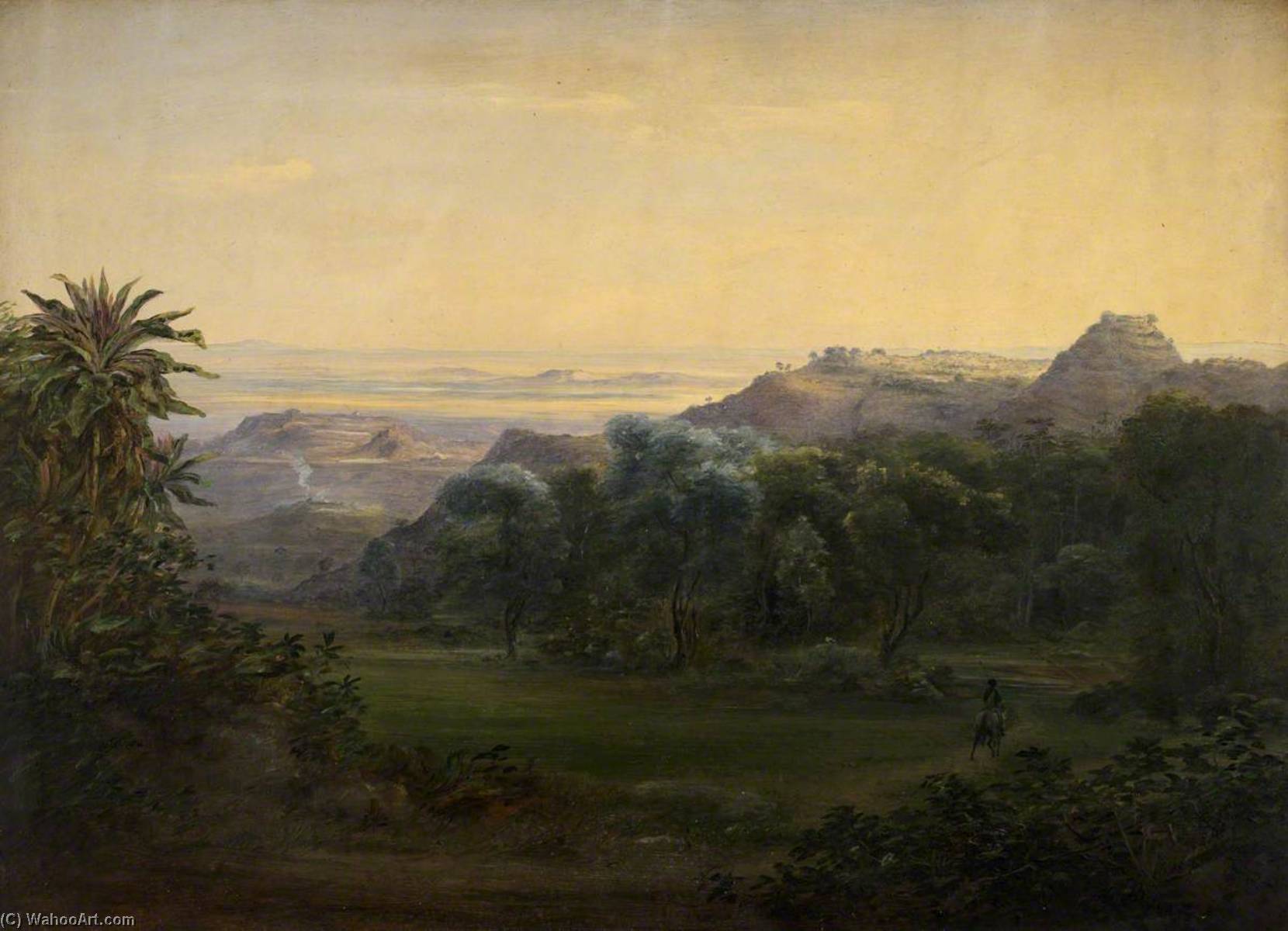
Afforbina, near Ankobar, 1842
 Oil On Canvas
- WallArt
 1842
1842- 19th Century
 29.0 x 40.0 cm
 Britanska biblioteka
 Pročitaj više
Ručno rađena uljana reprodukcija
Ručno oslikano uljanim bojama na platnu u dimenzijama i okviru po vašem izboru, izrađeno po porudžbini od strane naših umetnika. ( Kupi print Kupi digitalnu sliku)




P118B $10

P118H $10

P118W $10

P438Z $10

P508JH $12

P508YH $12

P805H $10

P805Z $10

P919BZ $10

P919G $10

P919XJ $10

P959ZH $10

P968JZ $12

W106C $8

W218G $10

W218JH $8

W218Y $10

W307PJ $10

W316G $10

W316PJ $8

W316Y $10

W398PJ $8

W4111J $10

W500HY $15

W500JH $15

W692G $12

W849H $8

W940BG $15

W953PJ $8




Izaberite jednu od naših unapred definisanih veličina koje odgovaraju originalnim proporcijama umetničkog dela.

Можете унети сопствене димензије како бисте прилагодили дело одређеном оквиру или простору. Ако одабрана величина не одговара пропорцијама оригинала, слика ће бити исечена или проширена додатним елементима који се ручно насликавају. Дигитални prikaz ће вам бити послат на одобрење пре почетка производње.
Имајте на уму да преглед на екрану не одражава стварно исецање или проширење. Само приказ (mockup) ће тачно приказати коначну композицију.
Иако су доступне прилагођене величине, препоручујемо да одаберете димензију из дефинисане листе како бисте сачували оригиналне пропорције.
Nakon narudžbine, tim ArtsDot.com će klijentu putem e-pošte poslati uputstva i dostaviti prikaz predloženog rešenja
Isporuka širom sveta () za 3/4 nedelje umesto uobičajenih 5 nedelja. (26 август). Bez kompromisa po pitanju kvaliteta.

Besplatna ekspresna dostava širom sveta

Visokokvalitetno laneno platno

Kompletno osiguranje transporta

Garancija povraćaja carine i uvoznih dažbina

Garancija vernosti boja

Politika povrata u roku od 60 dana (samo u slučaju nedostataka)

Garancija povrata novca od 100%

Popust pri grupnoj kupovini
 Opcija sa staklom dostupna je samo za dimenzije manje od 110 cm

Afforbina, near Ankobar, 1842
Tehnika reprodukcije
Dimenzije reprodukcije
-


Konačna cena
$ 263
Opis umetničkog dela
Artistic Style and Composition
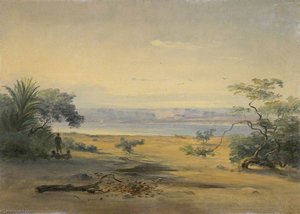
The artist's use of warm colors and soft brushstrokes creates a sense of depth and tranquility in the painting. The inclusion of trees and two human figures adds a sense of scale and presence to the landscape. The composition is well-balanced, with the valley and mountains forming a harmonious backdrop for the scene. Key Features of the painting include:- The use of oil as the primary medium, which allows for rich and vibrant colors
- The depiction of a serene landscape, evoking feelings of peace and tranquility
- The inclusion of human figures, adding a sense of scale and presence to the scene
Artist and Historical Context
Johann Martin Bernatz was a skilled artist who created several notable works, including Afforbina, near Ankobar, 1842. His paintings often featured landscapes and scenes from everyday life. For more information on the artist and his works, visit Johann Martin Bernatz: Afforbina, near Ankobar, 1842 on ArtsDot.com.To explore more artworks and learn about other artists, such as Henry Gritten, visit Henry Gritten on ArtsDot.com. For handmade oil paintings reproductions and print on canvas of famous artworks, browse the extensive collection on ArtsDot.com.
The British Library is home to many notable artworks, including Afforbina, near Ankobar, 1842. To discover more about the library's collections and exhibitions, visit their website or explore related articles on Wikipedia.
Srodna umetnička dela
Biografija umetnika
The Visionary Chronicler of Lost Horizons
Johann Martin Bernatz stands as a singular, luminous figure in the tapestry of nineteenth-century German art, a painter whose brush served as both an artistic instrument and a scientific eye. Born on March 22, 1802, in the historic town of Speyer, Bernatz’s journey from the Rhine to the far reaches of East Africa represents one of the most remarkable odysseys in the history of landscape painting. While many of his contemporaries remained tethered to the studios of Europe, captivated by the grand mythological narratives or the brooding romanticism of the German forests, Bernatz sought a different kind of truth. His life was defined by a restless curiosity and an unparalleled ability to translate the vibrant, often overwhelming realities of distant lands into the delicate language of oil and watercolor.
His artistic foundation was laid in the prestigious academies of Europe, receiving rigorous training in Vienna, Austria. This classical education provided him with the technical mastery required to capture light, texture, and depth, yet it was his later travels that would truly define his aesthetic soul. In 1836, a pivotal moment arrived when he joined an expedition to Egypt and the Holy Land. This voyage was not merely a sightseeing tour but a profound immersion into the ancient landscapes of the Near East. The sketches and drawings he produced during this period were later published as exquisite lithographs, introducing European audiences to the sun-drenched vistas and architectural wonders of the region through a lens that favored accuracy over mere fantasy.
A Pioneer of the East African Landscape
The true zenith of Bernatz’s career, however, lies in his pioneering documentation of East Africa. In 1842, accompanying a British embassy to Ethiopia, Bernatz encountered landscapes and cultures that were, to the European eye, almost entirely uncharted. His work during this era transcends simple Orientalism; where others might have relied on stereotypical or fanciful embellishment, Bernatz practiced a form of visual ethnography. He possessed a rare talent for capturing the tangible essence of the region—the bustling maritime trade in Zanzibar’s harbors, the verdant coastal plains, and the dramatic, rugged topography of the Ethiopian highlands.
His paintings from this period, such as the evocative Afforbina, near Ankobar, demonstrate a masterful command of atmosphere. Through the use of warm, golden hues and soft, nuanced brushstrokes, he could evoke the tranquil stillness of a valley at sunset or the intense heat of the midday sun. His compositions often integrated human elements—huntsmen, travelers, or local inhabitants—not as mere ornaments, but as vital components of the landscape that provided scale and narrative weight. This meticulous attention to detail allowed him to document the flora, fauna, and even the specific maritime activities of the era with a precision that remains invaluable to historians today.
Legacy and Artistic Significance
Though his name may not resonate with the same immediate fame as giants like Friedrich Liebermann, the historical significance of Johann Martin Bernatz cannot be overstated. He was a bridge between the Romantic tradition and the burgeoning era of scientific exploration. His oeuvre serves as a vital visual archive of a world in transition, capturing the beauty of East African landscapes before the profound shifts of late nineteenth-century colonialism altered them forever.
The enduring power of his work lies in its authenticity. Bernatz did not merely paint what he imagined; he painted what he witnessed. His legacy is found in:
- Documentary Precision: Providing an unparalleled visual record of the landscapes, maritime life, and cultural intersections of 19th-century East Africa and the Near East.
- Stylistic Synthesis: Successfully blending the technical rigor of Viennese academic training with the spontaneous, observational spirit of a field explorer.
- Expansion of the Orientalist Genre: Moving the genre away from purely exoticized fantasy toward a more grounded, realistic portrayal of foreign territories.
As we look upon his canvases today, we see more than just beautiful landscapes; we see the eyes of an explorer who dared to venture into the unknown, bringing back fragments of distant worlds to be preserved forever in the amber of fine art.
johann martin bernatz
1802 - 1878
Osnovne informacije
- Artistic Movement Or Style: Orientalist Art
- Artists Or Movements Influenced By This Artist: ['Romanticism']
- Artists Who Influenced This Artist: ['Caspar David Friedrich']
- Date Of Birth: 1802
- Date Of Death: 1878
- Full Name: Johann Martin Bernatz
- Nationality: German
- Notable Artworks:
- The Slave Trade
- Port Sudan
- Place Of Birth: Germany
Povezani članci

25 Remek-dela Džona Konstebla: Lepota Engleske na Platnu | ArtsDot
Uronite u svet Džona Konstebla! Otkrijte 25 remek-dela engleskog pejzaža, romantizma i seoske idile. Kupite reprodukcije slika vrhunskog kvaliteta za dekoraciju enterijera na ArtsDot.com.

Serene Visions: Exploring Themes of Tranquility in Art History & Contemporary Practice
Explore the history of serene landscape art & discover artists who evoke tranquility. Find the perfect calming artwork for your home with expert guidance from ArtsDot.
Sandstone & Sunlight: 10 Masterpieces of Earth-Toned Art |
Journey through 10 iconic paintings bathed in 'sand' tones – from Van Gogh to Monet. Explore the stories, techniques & warm palettes of these timeless masterpieces. Find museum-quality art reproductions at and bring classic beauty home.

Evocations of Place: A Historical Journey Through Landscape Art
Explore the rich history of landscape art with ArtsDot. Discover renowned artists, movements like Impressionism & Romanticism, and expert guidance for collecting timeless pieces. Find your perfect serene escape today!

Glavna dela koja su definisala Romantični pejzaž: 10 remek-dela za vaš dom
Otkrijte 10 remek-dela romantičnog pejzažnog slikarstva! Uronite u svet Claude Lorraina, Caspara David Friedricha i Turnera. Ispričane priče umetnosti, inspiracija za dekoraciju doma. Kvalitetne reprodukcije na ArtsDot.com – istražite celu kolekciju online!

