

 Pregledaj u prostoru
 Pošalji
 Podeli
 Detalji o delu

 Преузми
 Slični predmeti
 Rendgenski snimak
 Slajdovi
 Stats
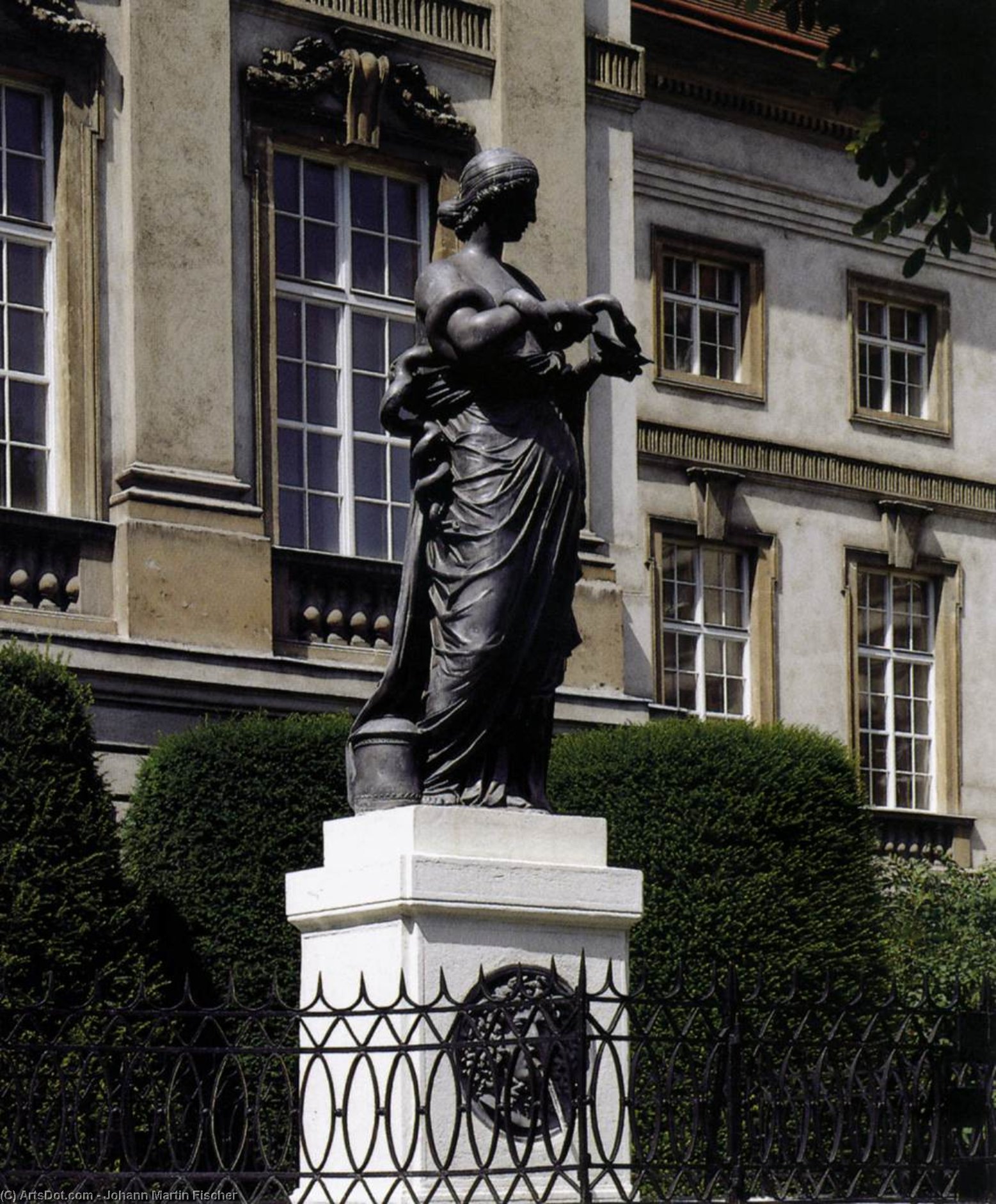
StatsHygieia


 Pročitaj više
Giclee štampa / Umetnički otisak
Giclée štampa ili print na platnu muzejskog kvaliteta uz brzu proizvodnju i fleksibilne opcije završne obrade. ( Kupi ručno naslikanu sliku Switch to Digital Image)




































Izaberite jednu od naših unapred definisanih veličina koje odgovaraju originalnim proporcijama umetničkog dela.

Možete uneti sopstvene dimenzije kako biste umetničko delo prilagodili specifičnom okviru ili prostoru. Ako odabrani format ne odgovara proporcijama originalne slike, mi ćemo ili iscrtati deo dela ili proširiti sliku pomoću ogledane ivice ili jednobojnog popunjavanja. Digitalni prikaz će vam biti poslat na odobrenje pre početka proizvodnje.
Imajte na umu da pregled na ekranu ne odražava stvarno iscrtavanje ili proširivanje. Samo će prikaz (mockup) precizno pokazati finalnu kompoziciju.
Iako su prilagođene dimenzije dostupne, preporučujemo da odaberete dimenziju sa unapred definisane liste kako biste očuvali originalne proporcije.
Dostava širom sveta () za 2 nedelje umesto uobičajenih 4/5 nedelja. (8 септембар)

Besplatna ekspresna dostava širom sveta

Visokokvalitetno laneno platno

Kompletno osiguranje transporta

Garancija povraćaja carine i uvoznih dažbina

Garancija vernosti boja

Politika povraćaja u roku od 100 dana (isključivo u slučaju nedostataka)

Garancija povrata novca od 100%

Popust pri grupnoj kupovini
 Opcija sa staklom dostupna je samo za dimenzije manje od 110 cm

Hygieia
Giclee štampa / Umetnički otisak
Dimenzije reprodukcije
-


Konačna cena
$ 62
Srodna umetnička dela







Biografija umetnika
The Sculptor of Light and Form: The Life of Johann Martin Fischer
In the quiet, mist-shrouded landscapes of the Allgäu region, a legacy was forged that would eventually grace the imperial halls of Vienna. Born in 1740 in Bebele, near Füssen, Johann Martin Fischer began his journey not as an aristocrat of the arts, but as the son of a humble peasant. His early path seemed destined for the rugged life of a wheelwright, yet a physical frailty prevented him from mastering the heavy labors of carpentry. This redirection of fate proved to be a divine intervention for the art world; at the age나 of fifteen, Fischer was apprenticed to a village sculptor. Though his early training was often interrupted by the grueling demands of agricultural labor, the seeds of anatomical precision and classical grace were being sown in the fertile soil of his developing talent.
The true metamorphosis of Fischer’s career began with his migration to Vienna in 1760. This move from the provincial borders of Bavaria to the beating heart of the Holy Roman Empire allowed him to immerse himself in the sophisticated workshops of masters like Anton Tabota and Jakob Christoph Schletterer. It was here that the raw potential of a village apprentice was refined into the technical mastery of an imperial sculptor. His work became a bridge between the lingering grandeur of the Baroque and the emerging clarity of Neoclassicisms, as he learned to manipulate metal and stone to capture the very essence of life. His dedication to the study of anatomy—demonstrated by his remarkable écorché figures—allowed him to breathe movement into static medium, making him a vital figure in the academic circles of the era.
A Legacy Carved in Stone and Spirit
Fischer’s career was marked by an extraordinary versatility that saw him move seamlessly between monumental public works and intimate religious commissions. His ability to command both the vastness of outdoor monuments and the delicate intricacies of altarpieces earned him a prestigious position within the Academy of Fine Arts in Vienna. As a professor of anatomy and later a professor of sculpture, he shaped the hands of future generations, ensuring that his rigorous devotion to structural truth would endure. His sculptural output was as varied as the landscapes of his youth, ranging from the solemn sandstone figures of the Four Evangelists for the Michaelerkirche to grand statues celebrating the Habsburg monarchs.
Beyond the physical weight of his stone works, Fischer’s later transition into painting revealed a soul captivated by the ethereal. In this phase of his life, he moved away from the muscularity of sculpture toward a more luminous and allegorical style. His most celebrated achievement, the depiction of Hygieia, serves as a testament to his ability to weave classical mythology with the moral aspirations of his time. Through meticulous detail and a palette that seemed to glow from within, he captured the goddess of health not merely as a figure of myth, but as a symbol of purity and the Enlightenment ideals of reform. In the works of Johann Martin Fischer, we find a rare harmony where the strength of German craftsmanship meets the soaring intellectualism of the European classical tradition.
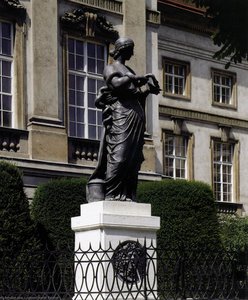
johann martin fischer
1740 - 1820 , Germany
Osnovne informacije
- Artistic Movement Or Style: Classical Painting
- Artists Or Movements Influenced By This Artist: ['Biedermeier']
- Artists Who Influenced This Artist: ['Rembrandt']
- Date Of Birth: 1740
- Full Name: Johann Martin Fischer
- Nationality: German
- Notable Artworks: ['Hygieia']
- Place Of Birth: Bebele, Germany