

 Pregledaj u prostoru
 Pošalji
 Podeli
 Detalji o delu

 Преузми
 Slični predmeti
 Rendgenski snimak
 Slajdovi
Beethoven


 Pročitaj više
Kupite digitalnu sliku visoke rezolucije i poboljšanog kvaliteta, koja je znatno superiornija od onoga što vidite u online prikazu.
Svaka datoteka je pedantno pripremljena od strane naših stručnjaka koristeći napredne alate i profesionalnu ručnu retušu. Osiguravamo da svaka slika ima izuzetnu oštrinu, preciznu reprodukciju boja i fine detalje.
Konačna datoteka se dostavlja putem e-pošte u roku od 72 sata, optimizovana za neposrednu upotrebu u profesionalnim, izdavačkim i štamparskim okruženjima. To je isti kvalitet kojem veruju vrhunski studiji dizajna, izdavači i galerije.
Digitalna slika
Preuzmite datoteku visoke rezolucije za ličnu upotrebu, štampanje i kreativne projekte. ( Kupi print Kupi ručno naslikanu sliku)
Uključeno uz svaku porudžbinu digitalne slike
Profesionalna digitalna isporuka, zagarantovana
Kada odaberete ArtsDot.com, ne dobijate samo sliku – vi primate profesionalno unapređeno digitalno umetničko delo, izrađeno sa najvećom preciznošću i uz garanciju zadovoljstva. Evo svega što automatski dolazi uz vašu porudžbinu:

Brza dostava putem e-pošte
Vaša digitalna slika visoke rezolucije biće vam poslata putem e-pošte u roku od 72 sata od poručivanja – spremna za trenutnu upotrebu.

Digitalna datoteka unapređena veštačkom inteligencijom
Vaše umetničko delo je profesionalno optimizovano korišćenjem naprednih AI alata i ručne obrade, čime se osiguravaju maksimalni detalji, oštrina i preciznost boja.

Besplatna ponovna isporuka doživotno
Slučajno ste obrisali ili izgubili svoju datoteku? Ne brinite – poslaćemo vam je ponovo u bilo kom trenutku, potpuno besplatno.

Bez troškova uvoza – zauvek
Uživajte u svojim umetničkim delima trenutno, bez carine, dažbina ili troškova dostave – digitalni download je uvek bez poreza.

Garancija vernosti boja
Uz pomoć profesionalnih alata i upravljanja bojama, osiguravamo da vaša digitalna slika što vernije odražava originalne boje.

Garancija zadovoljstva u roku od 100 dana
Ako niste zadovoljni svojom digitalnom slikom, revidirat ćemo je ili vratiti 100% novca u roku od 100 dana – bez ikakvih pitanja.

100% garancija povrata novca
Niste zadovoljni? Obezbedite pun povrat novca u roku od 100 dana od trenutka kada ste primili svoju digitalnu datoteku – bez suvišnih pitanja.

Popusti na velike porudžbine
Kupite 3 slike, uštedite 10% - Kupite 5 slika, uštedite 15% - Kupite 10+ slika, uštedite 20%. Odlično za kreativne projekte, galerije i agencije.
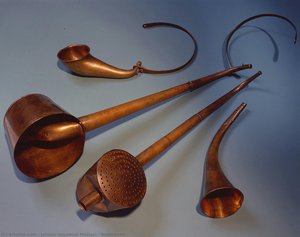
A Silent Symphony of Innovation: Johann Nepomuk Mälzel’s Ear Trumpets for Beethoven
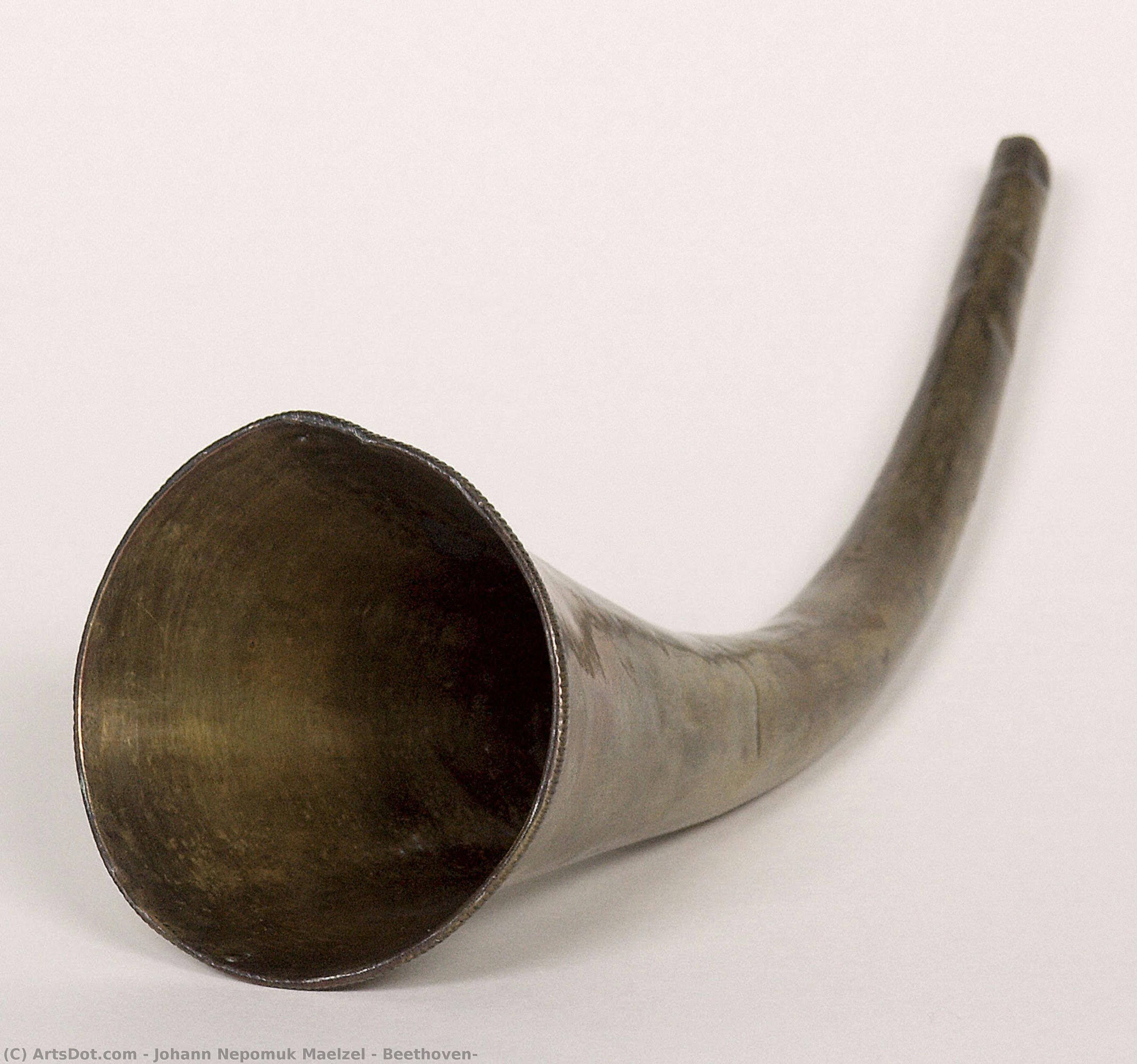
The photograph captures a singular object—a horn-shaped instrument—that speaks volumes about the intersection of artistry and technological ingenuity during Ludwig van Beethoven's era. Presented against a muted grey backdrop, its meticulous detail reveals not merely an artifact but a tangible embodiment of a composer’s struggle with deafness and his unwavering determination to reconnect with sound. The lighting is deliberately focused, coaxing forth subtle contours and textures that underscore the horn’s materiality—likely animal horn reinforced with metal components—a testament to Mälzel's inventive spirit.- Historical Context: Beethoven’s deafness began in his late twenties, profoundly altering his life and artistic practice. Recognizing the limitations of conventional hearing aids, he sought collaboration with Johann Nepomuk Mälzel, a Viennese inventor who had become a trusted confidante.
- Mälzel's Ingenuity: Mälzel’s designs weren’t simply functional; they represented a bold attempt to overcome sensory deprivation. He conceived of ear trumpets incorporating metal circlets—a revolutionary approach for the time—demonstrating an understanding of biomechanics and material science far ahead of its contemporaries.
- Beyond Functionality: The horn’s presence extends beyond mere acoustic assistance. It symbolizes Beethoven's perseverance, his refusal to surrender to disability, and his unwavering pursuit of creative expression despite insurmountable obstacles.
Technique and Materiality – A Reflection of Craftsmanship
The photograph’s realism underscores the meticulous craftsmanship involved in creating these instruments. The horn material—animal horn—was skillfully shaped and reinforced with metal, likely bronze or brass, utilizing techniques honed over centuries of horn crafting traditions. Careful attention to surface texture—ridges, imperfections—adds depth and authenticity to the image, mirroring the tactile qualities of the original object.- Photographic Style: The studio photograph employs a straightforward perspective and balanced composition, prioritizing accurate representation over artistic embellishment. Subtle shading enhances form and dimensionality, conveying a sense of solidity and permanence.
- Lighting Considerations: Directional lighting illuminates the horn’s surface, revealing intricate details while casting shadows that accentuate its contours—a deliberate choice to emphasize visual impact.
Symbolism – Resilience and Connection
The horn itself carries symbolic weight. Traditionally associated with heraldry and ceremonial music, it represents proclamation, authority, and the conveyance of sound—elements crucial to Beethoven’s artistic vocation. Its depiction underscores the profound desire for communication and connection—a yearning that fueled Mälzel's inventive endeavors and ultimately captured in this evocative image.- Emotional Resonance: The photograph invites contemplation on themes of perseverance, innovation, and overcoming adversity. It speaks to the human spirit’s capacity for creativity and resilience—qualities embodied by both Beethoven and Mälzel.
Srodna umetnička dela


Biografija umetnika
Samuel Scott: A Pioneer of Dutch Landscape and Maritime Art
Samuel Scott, a name perhaps less familiar than some of his contemporaries, stands as a pivotal figure in the development of Dutch landscape and marine painting during the 18th century. Born around 1702 in London, he embarked on an artistic journey that ultimately led him to establish himself as a respected artist working primarily in the Netherlands. Scott’s career was marked by a fascinating evolution from maritime scenes – capturing the drama of naval engagements – to a more contemplative engagement with the natural world, reflecting a shift within Dutch art towards greater realism and atmospheric depth. Scott's early training remains somewhat shrouded in mystery; records indicate he began his artistic pursuits around 1720 without documented formal instruction. This self-taught approach fostered an independent spirit and allowed him to develop a distinctive style heavily influenced by the works of Willem van de Velde the Younger, a master of naval painting known for his dynamic compositions and meticulous detail. Scott’s initial focus was on depicting ships at sea – men-of-war engaged in battle, merchant vessels navigating treacherous waters – all rendered with a remarkable sense of movement and realism. These early works demonstrate a keen eye for observation and a skillful command of brushwork, capturing the textures of water, sailcloth, and timber with impressive accuracy. Notably, he collaborated with George Lambert on a series of paintings illustrating scenes from the East India Company’s voyages, showcasing his ability to combine technical skill with narrative storytelling.The Transition to Landscape and the Influence of London
Around the early 1740s, a significant shift occurred in Scott's artistic practice. He began dedicating himself to landscape painting, driven by observations of the burgeoning cityscape of London. The construction of landmarks like Westminster Bridge provided him with an endless source of inspiration, and he meticulously documented these changes through a series of paintings that offer invaluable insights into the visual culture of the era. These works are characterized by their atmospheric quality – Scott skillfully employed light and shadow to create a sense of depth and perspective, capturing the mood and character of the city. His depictions of London Bridge, particularly those painted in the late 1740s and early 1750s, stand as remarkable achievements, accurately portraying the bridge’s structure and the surrounding environment before its eventual demolition. The influence of Canaletto, a Venetian painter renowned for his urban views, is evident in Scott's approach to landscape painting. Like Canaletto, Scott sought to capture not just the physical appearance of a scene but also its overall atmosphere and character. Furthermore, Scott’s artistic journey was intertwined with social circles; he posed for Thomas Hudson, a prominent portrait painter, around 1732, solidifying his position within London's artistic community.A Journey to the River Medway and Early Collaborations
In 1732, Scott embarked on a significant excursion – a “Five Days’ Peregrination” along the River Medway and the Isle of Sheppey in company with William Hogarth and other notable figures. This journey provided him with an unparalleled opportunity to study coastal landscapes, shipbuilding techniques, and maritime activities firsthand. The resulting account, published in 1782, documented this experience and included drawings by Hogarth and Scott themselves. This collaborative effort not only showcased Scott’s artistic talent but also highlighted his ability to work effectively within a group setting. His meticulous observations during the trip are reflected in subsequent landscape paintings that demonstrate an increased understanding of natural forms and atmospheric effects.Later Years and Legacy
Scott continued to paint throughout his life, producing a substantial body of work encompassing both maritime scenes and landscapes. He exhibited works at the Society of Artists of Great Britain until 1761, demonstrating his ongoing commitment to artistic practice. His later years saw him embracing Romanticism, incorporating more dramatic storytelling and evoking emotional responses in his viewers. Despite facing periods of relative obscurity, Samuel Scott’s contributions to Dutch art are now recognized as significant. He played a crucial role in bridging the gap between earlier maritime painting traditions and the rise of landscape painting, establishing a foundation for future generations of artists. His meticulous observation, skillful technique, and atmospheric rendering continue to resonate with viewers today, offering a captivating glimpse into 18th-century Dutch society and its relationship with the natural world. Scott’s legacy lies not only in his individual works but also in his pioneering role as a landscape painter who brought a new level of realism and emotional depth to the genre.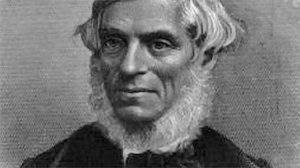
johann nepomuk maelzel
1772 - 1838 , Germany
Kratke činjenice
- Artistic Movement Or Style: Portraiture, History, Mythology
- Artists Or Movements Influenced By This Artist: ['Amsterdam Museum']
- Artists Who Influenced This Artist:
- Julius Quinkhardt the elder
- Arnold van Boonen
- Date Of Birth: 28 January 1688
- Date Of Death: 11 November 1772
- Full Name: Jan Maurits Quinkhard
- Nationality: Dutch
- Notable Artworks:
- Familiar scenes
- Allegorical works
- Mythological paintings
- Place Of Birth: Rees, Cleves, Germany