

 Pregledaj u prostoru
 Pošalji
 Podeli
 Detalji o delu

 Преузми
 Slični predmeti
 Rendgenski snimak
 Slajdovi
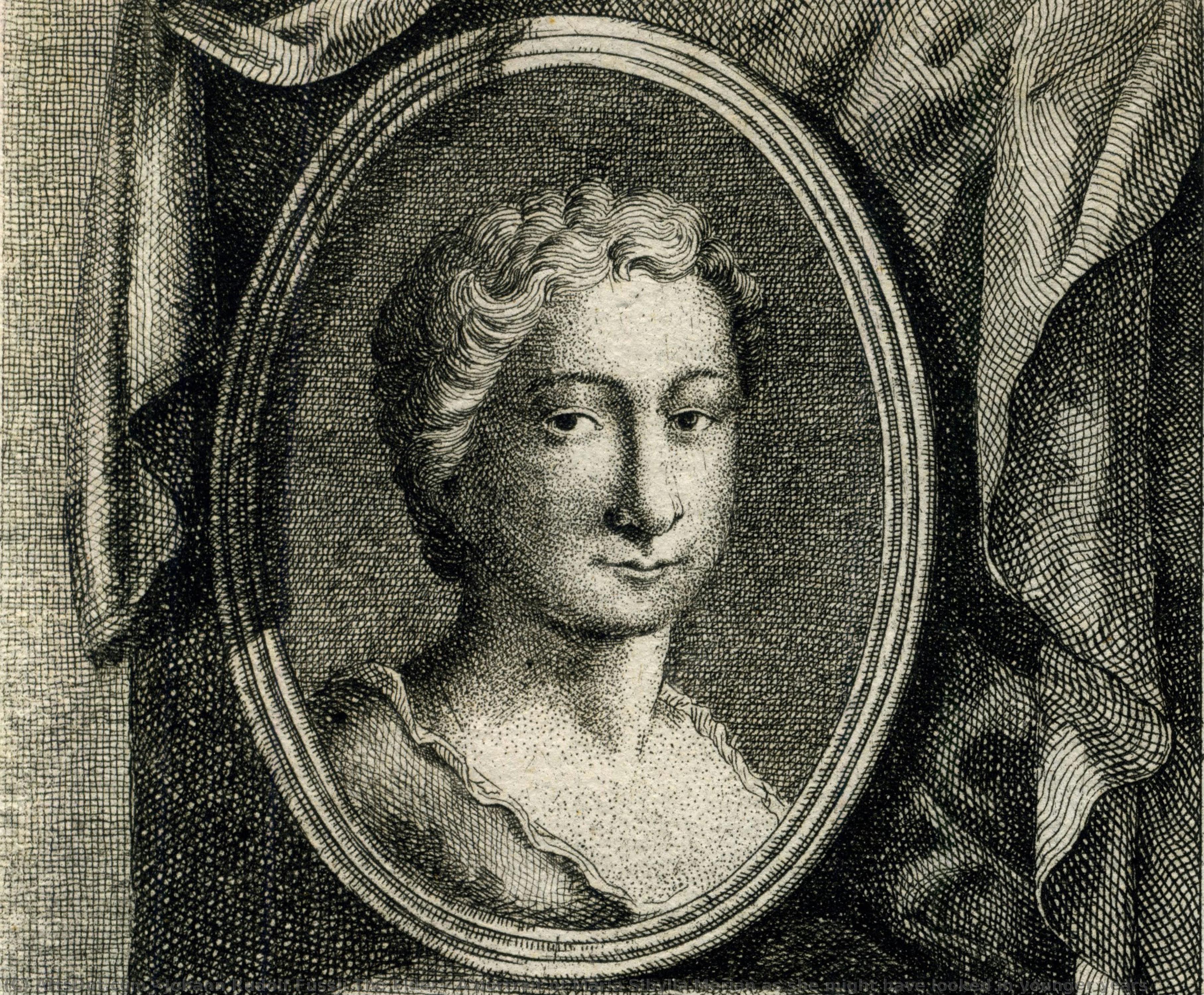
A portrait of Maria Sibylla Merian as she might have looked in younger years


 Pročitaj više
Ručno rađena uljana reprodukcija
Ručno oslikano uljanim bojama na platnu u dimenzijama i okviru po vašem izboru, izrađeno po porudžbini od strane naših umetnika. ( Kupi print Kupi digitalnu sliku)




































Izaberite jednu od naših unapred definisanih veličina koje odgovaraju originalnim proporcijama umetničkog dela.

Можете унети сопствене димензије како бисте прилагодили дело одређеном оквиру или простору. Ако одабрана величина не одговара пропорцијама оригинала, слика ће бити исечена или проширена додатним елементима који се ручно насликавају. Дигитални prikaz ће вам бити послат на одобрење пре почетка производње.
Имајте на уму да преглед на екрану не одражава стварно исецање или проширење. Само приказ (mockup) ће тачно приказати коначну композицију.
Иако су доступне прилагођене величине, препоручујемо да одаберете димензију из дефинисане листе како бисте сачували оригиналне пропорције.
Nakon narudžbine, tim ArtsDot.com će klijentu putem e-pošte poslati uputstva i dostaviti prikaz predloženog rešenja
Isporuka širom sveta () za 3/4 nedelje umesto uobičajenih 5 nedelja. (6 септембар). Bez kompromisa po pitanju kvaliteta.

Besplatna ekspresna dostava širom sveta

Visokokvalitetno laneno platno

Kompletno osiguranje transporta

Garancija povraćaja carine i uvoznih dažbina

Garancija vernosti boja

Politika povrata u roku od 100 dana (samo u slučaju nedostataka)

Garancija povrata novca od 100%

Popust pri grupnoj kupovini
 Opcija sa staklom dostupna je samo za dimenzije manje od 110 cm

A portrait of Maria Sibylla Merian as she might have looked in younger years
Tehnika reprodukcije
Dimenzije reprodukcije
-


Konačna cena
$ 263
Srodna umetnička dela







Biografija umetnika
Gian Lorenzo Bernini: Sculptor of Baroque Emotion
Gian Lorenzo Bernini, a name synonymous with the height of the Baroque era, was more than just an artist; he was a transformative force in 17th-century Rome and beyond. Born on December 7, 1598, in Soest, Westphalia, Germany, to a family of traveling merchants, Bernini’s early life instilled in him a remarkable adaptability and a keen eye for detail – qualities that would prove crucial to his extraordinary career. He arrived in Rome as a young man, seeking apprenticeship under his father, Pietro Bernini, a sculptor who had established a modest workshop. This initial training provided a foundation in classical techniques, but it was the influence of Michelangelo Buonarroti, whose studio he briefly visited, that truly ignited Bernini’s artistic fire and shaped his revolutionary approach to sculpture. Bernini's life was one of intense patronage, driven by powerful figures like Cardinal Scipione Borghese and Pope Urban VIII, who recognized and nurtured his prodigious talent, allowing him to push the boundaries of art in unprecedented ways. He died on November 28, 1680, leaving behind a legacy that continues to captivate and inspire awe centuries later.Early Influences and Artistic Development
Bernini’s artistic journey began with a grounding in classical principles, evident in his early works like the *Bacchanal: A Faun Teased by Children* (1623-1624), a vibrant depiction of revelry that skillfully blended Mannerist dynamism with emerging Baroque sensibilities. This piece showcased his ability to capture movement and emotion through intricate figures and dramatic lighting – hallmarks of his future style. Crucially, Bernini rejected the static formality often associated with Renaissance sculpture, embracing instead a sense of immediacy and theatricality. He studied anatomy meticulously, dissecting corpses to understand the human form in its most vulnerable and expressive states. This dedication to realism, combined with an understanding of perspective and spatial relationships, allowed him to create sculptures that seemed to breathe and pulsate with life. The influence of Michelangelo was particularly profound; Bernini sought to emulate the intensity and emotional power evident in the master’s works, while simultaneously forging his own distinct artistic voice.Masterpieces of Movement and Emotion
Bernini's most celebrated achievements are those that embody the core tenets of Baroque art: dynamism, drama, and a profound engagement with human emotion. *David* (1623-1624), commissioned by Cardinal Scipione Borghese, is a prime example – not merely a depiction of the biblical hero but an embodiment of heroic strength and vulnerability. The sculpture’s torsion, a subtle yet revolutionary technique that creates a sense of swirling movement, draws the viewer into the scene and emphasizes David's intense focus. Similarly, *Apollo and Daphne* (1622-1624) is a breathtaking study in metamorphosis, capturing the moment when Daphne transforms into a laurel tree to escape Apollo’s pursuit. The delicate rendering of Daphne’s skin and the frantic energy of her flight are rendered with astonishing realism and emotional depth. Perhaps his most ambitious project was *The Ecstasy of Saint Teresa* (1647-1652), a monumental altarpiece in Santa Maria della Vittoria, Rome. This sculpture, painted by Artemisia Gentileschi, combined elements of sculpture, architecture, and painting to create a truly immersive experience for the viewer, evoking a sense of divine revelation through its dramatic lighting and emotionally charged portrayal of Saint Teresa’s mystical encounter with God.Architectural Contributions and Patronage
Bernini's influence extended far beyond sculpture; he was also a significant architect and urban planner. His work on the façade of Sant’Andrea al Quirino, a church commissioned by Pope Urban VIII, demonstrated his innovative approach to architectural design, incorporating sculptural elements seamlessly into the building’s structure. His most ambitious architectural undertaking was undoubtedly the redesign of St. Peter's Square in Rome, a project that spanned decades and involved collaboration with other architects like Carlo Madella and Francesco Borromini. The result is an expansive, elliptical piazza designed to create a sense of grandeur and welcome for pilgrims and visitors alike. Bernini’s patronage played a crucial role in shaping the artistic landscape of Rome during his lifetime, providing opportunities for countless artists and fostering a vibrant cultural environment.Legacy and Historical Significance
Gian Lorenzo Bernini's impact on Western art is immeasurable. He not only perfected the techniques of sculpture but fundamentally altered its expressive potential, paving the way for future generations of artists. His emphasis on movement, emotion, and dramatic lighting established a new standard for Baroque art, influencing sculptors and architects throughout Europe. Bernini’s work continues to be studied and admired for its technical brilliance, emotional depth, and profound engagement with the human condition. He remains one of the most celebrated figures in the history of art, a testament to the power of talent, ambition, and unwavering dedication to his craft. His legacy endures not only through his magnificent sculptures and architectural designs but also through the enduring inspiration he provides to artists today.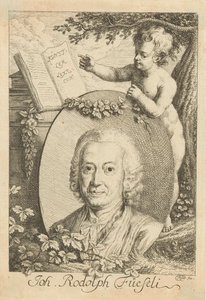
johann rudolf füssli the elder
1680 - 1761 , Switzerland
Osnovne informacije
- Artistic Movement Or Style: Baroque
- Artists Or Movements Influenced By This Artist:
- Kneller
- Richardson
- Artists Who Influenced This Artist:
- Michelangelo
- Van Dyck
- Date Of Birth: 1618-09-14
- Date Of Death: 1680-11-30
- Full Name: Peter Lely
- Nationality: Dutch (English)
- Notable Artworks:
- Sleeping Nymphs
- Black Page Boy
- David
- Apollo and Daphne
- Place Of Birth: Soest, Westphalia