

 Pregledaj u prostoru
 Pošalji
 Podeli
 Detalji o delu

 Преузми
 Slični predmeti
 Rendgenski snimak
 Slajdovi
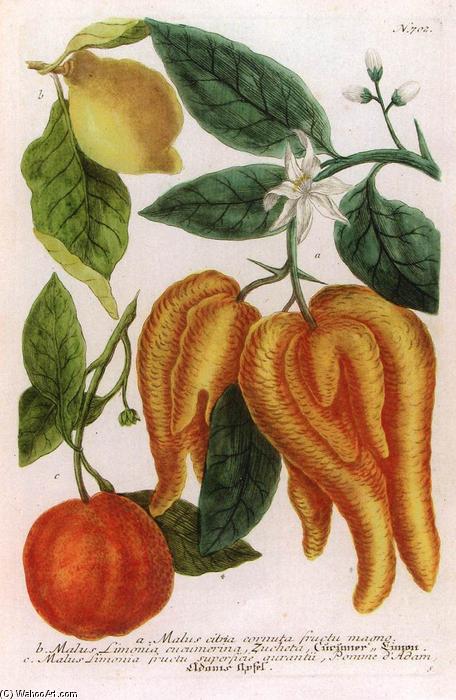
Illustration from Phytanthoza iconographia

 Pročitaj više
Ručno rađena uljana reprodukcija
Ručno oslikano uljanim bojama na platnu u dimenzijama i okviru po vašem izboru, izrađeno po porudžbini od strane naših umetnika. ( Kupi print Kupi digitalnu sliku)




































Izaberite jednu od naših unapred definisanih veličina koje odgovaraju originalnim proporcijama umetničkog dela.

Можете унети сопствене димензије како бисте прилагодили дело одређеном оквиру или простору. Ако одабрана величина не одговара пропорцијама оригинала, слика ће бити исечена или проширена додатним елементима који се ручно насликавају. Дигитални prikaz ће вам бити послат на одобрење пре почетка производње.
Имајте на уму да преглед на екрану не одражава стварно исецање или проширење. Само приказ (mockup) ће тачно приказати коначну композицију.
Иако су доступне прилагођене величине, препоручујемо да одаберете димензију из дефинисане листе како бисте сачували оригиналне пропорције.
Nakon narudžbine, tim ArtsDot.com će klijentu putem e-pošte poslati uputstva i dostaviti prikaz predloženog rešenja
Isporuka širom sveta () za 3/4 nedelje umesto uobičajenih 5 nedelja. (6 септембар). Bez kompromisa po pitanju kvaliteta.

Besplatna ekspresna dostava širom sveta

Visokokvalitetno laneno platno

Kompletno osiguranje transporta

Garancija povraćaja carine i uvoznih dažbina

Garancija vernosti boja

Politika povrata u roku od 100 dana (samo u slučaju nedostataka)

Garancija povrata novca od 100%

Popust pri grupnoj kupovini
 Opcija sa staklom dostupna je samo za dimenzije manje od 110 cm

Illustration from Phytanthoza iconographia
Tehnika reprodukcije
Dimenzije reprodukcije
-


Konačna cena
$ 263
Srodna umetnička dela









Biografija umetnika
Johann Wilhelm Weinmann (1683 – 1741): The Botanical Pioneer
Johann Wilhelm Weinmann stands as a singular figure in the annals of eighteenth-century botany, recognized primarily for his monumental achievement—the *Phytanthoza iconographia*, an ambitious florilegium that redefined botanical illustration and cemented his legacy as one of Germany’s foremost plant scientists. Born in Gardelegen, Prussia (modern Poland), Weinmann's early life remains shrouded in relative obscurity, though he established himself as an apothecary in Rosensburg by 1710, marking the commencement of a career dedicated to both medicine and meticulous botanical observation.- Early Career & Patronage: Weinmann’s formative years were spent honing his skills under the tutelage of experienced apothecaries, fostering a deep understanding of medicinal plants and their therapeutic applications. His subsequent relocation to Regensburg in 1712 coincided with a fortunate marriage to Isabella Catharina Fürst, daughter of a wealthy wine merchant—a union that provided him with considerable financial stability and enabled him to acquire his own apothecary shop.
- The Pursuit of Botanical Excellence: Weinmann’s passion for botany blossomed after his marriage, propelling him into active engagement with the burgeoning scientific community. He served as Hospital Apothecary from 1713 onwards, navigating legal disputes stemming from his professional responsibilities and demonstrating unwavering dedication to upholding ethical standards within his craft.
- The Creation of Phytanthoza Iconographia: Weinmann’s magnum opus—the *Phytanthoza iconographia*—emerged between 1737 and 1745, representing a culmination of years spent cultivating a vast collection of plants and meticulously documenting their characteristics. This ambitious project enlisted the collaboration of Georg Dionysius Ehret, a young engraver whose innovative mezzotint technique revolutionized botanical illustration, achieving unprecedented levels of detail and tonal nuance.
Georg Dionysius Ehret: A Collaborative Partnership
The partnership between Weinmann and Ehret proved pivotal to the success of *Phytanthoza Iconographia*. Ehret’s mastery of mezzotint engraving—a technique pioneered by Robert Robinson—allowed for a level of tonal gradation previously unattainable in botanical prints, imbuing each illustration with remarkable realism. Weinmann recognized Ehret's talent early on and generously supported his artistic endeavors, providing him with lodging and sustenance as he undertook the daunting task of producing over 1,000 engravings within a single year. Despite initial disagreements regarding payment terms—Ehret famously abandoned Weinmann’s employment after receiving only a fraction of the agreed remuneration—the collaboration cemented Ehret's reputation as one of the era’s most celebrated floral illustrators and established him as Weinmann’s indispensable artistic companion.Influence & Legacy
Weinmann’s contribution to botanical science extended beyond mere illustration; he conducted extensive research into medicinal plants, publishing influential treatises that disseminated knowledge about herbal remedies and bolstering the burgeoning field of pharmacognosy. His meticulous observations—recorded in publications such as *Catalogus Alphabetico ordine exhibens Pharmaca* and “Observationes und Anmerkungen” in the “Breslauer Sammlungen”—established him as a pioneer in systematizing plant taxonomy and furthering understanding of their pharmacological properties. The enduring impact of Weinmann’s work is evident in the continued veneration of *Phytanthoza Iconographia*—recognized today as one of the most significant botanical illustrations of the eighteenth century—and his indelible mark on the history of German botany.Beyond Phytanthoza: Contributions to Regensburg & Scientific Discourse
Weinmann’s influence transcended artistic collaboration; he actively participated in civic life, serving as a Town Councillor and City Assessor—positions that afforded him considerable sway within Regensburg's administrative sphere. His astute business acumen enabled him to revitalize a failing apothecary shop, transforming it into a prosperous enterprise and demonstrating his commitment to both professional success and community wellbeing. Weinmann’s engagement with scientific discourse extended beyond botanical research; he championed the advancement of knowledge through meticulous experimentation and scholarly publication—solidifying his position as a transformative figure in shaping the intellectual landscape of his time.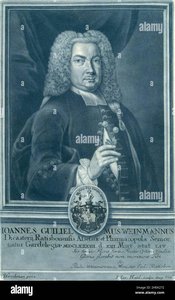
johann wilhelm weinmann
1683 - 1741 , Germany
Osnovne informacije
- Artistic Movement Or Style: Baroque Botanical Art
- Artists Or Movements Influenced By This Artist: ['Robert Robinson']
- Artists Who Influenced This Artist: ['Georg Dionysius Ehret']
- Date Of Birth: March 13, 1683
- Full Name: Johann Wilhelm Weinmann
- Nationality: German
- Notable Artworks: ['Phytanthoza iconographia']
- Place Of Birth: Gardelegen, Germany