

 Pregledaj u prostoru
 Pošalji
 Podeli
 Detalji o delu

 Преузми
 Slični predmeti
 Rendgenski snimak
 Slajdovi
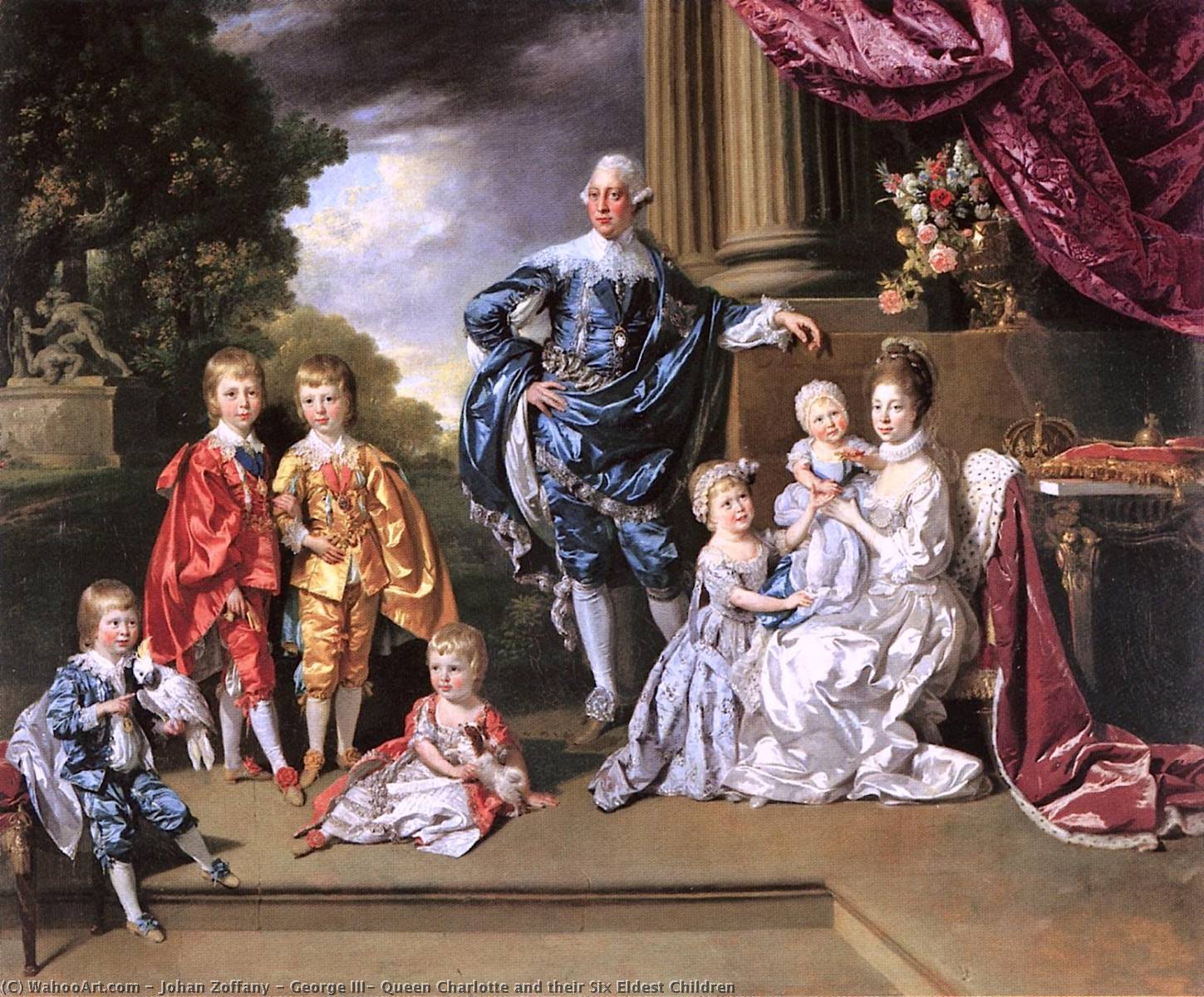
George III, Queen Charlotte and their Six Eldest Children


 Pročitaj više
Giclee štampa / Umetnički otisak
Giclée štampa ili print na platnu muzejskog kvaliteta uz brzu proizvodnju i fleksibilne opcije završne obrade. ( Kupi ručno naslikanu sliku Kupi digitalnu sliku)




P118B $10

P118H $10

P118W $10

P438Z $10

P508JH $12

P508YH $12

P805H $10

P805Z $10

P919BZ $10

P919G $10

P919XJ $10

P959ZH $10

P968JZ $12

W106C $8

W218G $10

W218JH $8

W218Y $10

W307PJ $10

W316G $10

W316PJ $8

W316Y $10

W398PJ $8

W4111J $10

W500HY $15

W500JH $15

W692G $12

W849H $8

W940BG $15

W953PJ $8




Izaberite jednu od naših unapred definisanih veličina koje odgovaraju originalnim proporcijama umetničkog dela.

Možete uneti sopstvene dimenzije kako biste umetničko delo prilagodili specifičnom okviru ili prostoru. Ako odabrani format ne odgovara proporcijama originalne slike, mi ćemo ili iscrtati deo dela ili proširiti sliku pomoću ogledane ivice ili jednobojnog popunjavanja. Digitalni prikaz će vam biti poslat na odobrenje pre početka proizvodnje.
Imajte na umu da pregled na ekranu ne odražava stvarno iscrtavanje ili proširivanje. Samo će prikaz (mockup) precizno pokazati finalnu kompoziciju.
Iako su prilagođene dimenzije dostupne, preporučujemo da odaberete dimenziju sa unapred definisane liste kako biste očuvali originalne proporcije.
Dostava širom sveta () za 2 nedelje umesto uobičajenih 4/5 nedelja. (25 август)

Besplatna ekspresna dostava širom sveta

Visokokvalitetno laneno platno

Kompletno osiguranje transporta

Garancija povraćaja carine i uvoznih dažbina

Garancija vernosti boja

Politika povrata u roku od 60 dana (samo u slučaju nedostataka)

Garancija povrata novca od 100%

Popust pri grupnoj kupovini
 Opcija sa staklom dostupna je samo za dimenzije manje od 110 cm

George III, Queen Charlotte and their Six Eldest Children
Giclee štampa / Umetnički otisak
Dimenzije reprodukcije
-


Konačna cena
$ 62
Opis predmeta
A Window into Georgian Grandeur: Zoffany’s Family Tapestry
Johann Zoffany's “George III, Queen Charlotte and their Six Eldest Children,” painted in 1770, isn’t merely a portrait; it’s a meticulously constructed tableau vivant – a staged scene brimming with social commentary, artistic ambition, and the quiet drama of royal family life. The painting captures a moment frozen in time within the opulent confines of Buckingham House, then a relatively modest residence for the young King George III and his burgeoning family. Zoffany, a German-born painter who had established himself in London’s art scene, masterfully employed the ‘conversation piece’ format – a popular trend that favored informal group portraits, often incorporating elements of theatricality and displaying an interest in interior design and collecting. This particular work transcends simple representation; it's a carefully orchestrated illusion, inviting viewers to speculate on the relationships between the figures and decipher the subtle clues embedded within the composition.
- The Setting: The backdrop is a meticulously rendered Italian room – a deliberate nod to the fashionable interiors of the era. Notice the rich fabrics, the antique furniture (including a striking violoncello), and the carefully arranged objects like the vase of flowers and the collection of musical instruments. These weren’t simply decorative elements; they were status symbols, reflecting the wealth and refined taste of the royal household.
- The Figures: King George III, depicted in his early thirties, exudes a studied composure – a mask concealing perhaps the anxieties of leadership. Queen Charlotte, radiating elegance and grace, is presented as a model of domestic virtue. Their six eldest children are arranged around them, each rendered with remarkable detail, capturing their individual personalities and ages.
- The Illusion: Zoffany’s genius lies in his ability to create an illusion of naturalness. The figures appear engaged in conversation, yet the scene is entirely staged. A young man, likely a student or aspiring artist, stands partially obscured behind the Queen, suggesting a deliberate inclusion designed to add depth and intrigue to the composition.
Theatricality and Symbolism: Decoding Zoffany’s Masterstroke
Zoffany's work is deeply rooted in theatrical conventions, reflecting the burgeoning popularity of the London stage during the 18th century. The arrangement of figures mimics a scene from a play – a carefully choreographed performance designed to impress and entertain. The inclusion of the violoncello, a favored instrument of the aristocracy, symbolizes musical refinement and intellectual pursuits. Furthermore, the painting is laden with symbolic meaning. The presence of the young man behind Queen Charlotte has been interpreted as representing artistic aspiration or perhaps even a subtle critique of the royal court’s patronage system – suggesting that talent might be overlooked in favor of established connections.
The placement of the figures also holds significance: George III, positioned centrally and commanding attention, embodies authority. Queen Charlotte, seated gracefully beside him, represents domestic stability and virtue. The children, arranged around them, symbolize the future of the dynasty – a lineage destined to rule.A Window into Georgian Society and Artistic Innovation
“George III, Queen Charlotte and their Six Eldest Children” offers a fascinating glimpse into Georgian society—its values, its aspirations, and its artistic sensibilities. Zoffany’s innovative approach to portraiture – his willingness to incorporate theatrical elements and create complex compositions – pushed the boundaries of the genre. He wasn't simply recording likenesses; he was crafting narratives, exploring themes of family, status, and social interaction. The painting is a testament to his skill as a painter and his keen understanding of the cultural landscape of 18th-century England.
Bringing Zoffany’s Vision to Life: A Hand-Painted Reproduction
Today, a high-quality hand-painted reproduction of “George III, Queen Charlotte and their Six Eldest Children” offers a remarkable opportunity to experience the artistry and sophistication of this iconic work. Each brushstroke meticulously recreates Zoffany’s original composition, capturing the richness of color, the subtle nuances of expression, and the captivating atmosphere of the royal salon. This reproduction serves not only as a beautiful piece of art but also as a portal into a bygone era—a chance to connect with the grandeur and intrigue of Georgian England.
Srodna umetnička dela
Biografija umetnika
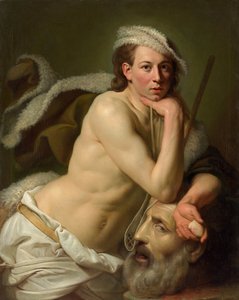
Јохан Зофањи: Живот и наслеђе
Јохан Зофањи, рођен као Јоханес Јозефус Зауфалиј 1733. године у Фрајбургу, Немачка, био је слика који је славу стекао углавном у Енглеској и Италији. Детаљи његовог раниног детињства су ретки, али се зна да је добио уметничку обуку од малих нога. Прво је радио као ученик код вајара, вероватно Мелхиора Паулуса у Елвангену, пре него што је студирао са Мартином Спеером у Регенсбургу. Овај основни период поставио је основу за његову будућу каријеру.
Године 1750. Зофањи је отпутовао у Рим, где је ушао у радионицу Агостина Масучија и усавршио своје вештине у оквиру италијанске уметничке традиције. Касније се преселио у Енглеску 1760. године, где се прво издржавао стварањем декоративних дизајна за сатове Стефена Римбоа. Овај период је означио преломну тачку док је почео да успоставља контакте и стиче признање у лондонској уметничкој сцени.
Кралjevска подршка и уметнички развој
Зофањи је брзо привукао пажњу краља Џорџа III и краљице Шарлоте, постајући омиљени портретиста краљевске породице. Његова способност да заухвати неформалне тренутке – као што је Краљица Шарлота и њена два најстарија детета (1765) – разликовала га је од формалнијих дворских сликара. Био је популаран и код аустријске царске породице, а 1776. године га је царица Марија Тереза прогласила бароном Светог Римског царства.
Зофањи се постао познат по својим “конверзационим комадима” или *conversazione* – неформалним групним портретима који приказују друштвене окупљања. Одликовао се у заухватању личности и интеракција у овим сценама, често представљајући познате личности из друштва, позоришта и књижевности. Његова дела као што је Породица Коп (1775) пример су овог стила, нудећи увид у живот својих наручилаца.
Главна достигнућа и значајна дела
- Трибуна Уфиција (1772-1778): Вероватно његово најпознатије дело, детаљан приказ Галерије Уфици у Фиренци.
- Доктор Вилијам Хантер предаје анатомију на Краљевској академији (1779): Фасцинантан портрет медицинског образовања и научног истраживања.
- Џорџ III (1771): Краљевски портрет који показује краљеву моћ и елеганцију.
- Колонелово кокошчиње меча (1784-1786): Живописни приказ колонијалног живота у Индији, који заухвата јединствени културни догађај.
Године у Индији и каснији живот
Од 1783. до 1789. године Зофањи је боравио у Индији, где је сликао портрете познатих личности као што су Ворен Хестингс и Асаф-уд-Даула. Његова искуства тамо су утицала на његов уметнички стил и тематику. Занимљива прича из овог периода укључује бродолом код Андманских острва, где су преживели прибегли екстремним мерама за опстанак.
Утицаји и наслеђе
Зофањијев рад одражава утицаје немачке прецизности и италијанске уметности. Био је под утицајем уметника као што је Агостино Масучи и црпео је инспирацију из барокне традиције. Његов стил је, заузврат, утицао на савременике и касније уметнике заинтересоване за портретисање и друштвену коментаришење. Везао је уметничке традиције и оставио трајан утицај на уметност 18. века.
Јохан Зофањијева слика пружа драгоцене увиде у друштвене обичаје, интелектуални живот и културне вредности његовог времена. Његови “конверзациони комади” нуде интимне портрете познатих појединаца и њиховог света, док његов приказ Индије доприноси нашем разумевању колонијалне историје. Остаје значајна фигура у историји уметности, слављена због своје техничке вештине, проницљивих запажања и јединствене уметничке визије.
Јохан Цофани
1733 - 1810 , Немачка
Osnovne informacije
- Datum Rođenja: 1733
- Datum Smrti: 1810
- Mesto Rođenja: Frankfurt, Nemačka
- Nacionalnost: Nemac
- Puno Ime: Johan Zoffany
- Umetnici Koji Su Uticali: ['Agostino Masucci']
- Umetnički Pokret/Stil: Neoklasicizam, Realizam
- Značajna Dela:
- Tribuna Ufici
- Dr Hunter predaje anatomiju
Povezani članci

Georges Braque: 25 Remek-dela Kubizma za Inspirisanje Vašeg Doma | ArtsDot
Istražite 25 remek-dela Georges Braquea, pionira kubizma. Otkrijte priče iza slika, tehnike i inspiraciju za dizajn enterijera. Reprodukcije vrhunskog kvaliteta dostupne na ArtsDot.com! Pronađite savršeno umetničko delo online.

25 Remek-dela Žorža Seurea: Putovanje kroz Svet Tačizma i Impresionističke Revolucije
Istražite 25 remek-dela Žorža Seurea i uronite u svet tačizma i impresionističke revolucije. Otkrijte priče iza slika, tehnike i inspiraciju ovog francuskog umetnika. Reprodukcije vrhunskog kvaliteta dostupne na ArtsDot.com!
Evolving Portraits: Personalized Art as a Chronicle of Family Life Across Generations
Create a timeless family legacy with custom portraits! ArtsDot connects you with skilled artists for heirloom-quality paintings & prints. Explore styles, commission your unique artwork today.
The Enduring Legacy of Family Portraiture: A Historical & Artistic Exploration
Explore the rich history of family portraiture with ArtsDot. Discover artistic styles, symbolism & collecting insights. Commission a custom oil painting or appraise your existing artwork today!
Porodica u sliku: Vekovni portret generacija – inspirativni vodič za mame
Otkrijte kako da sa profesionalnim umetnikom stvorite generacijski porodični portret koji čuva ličnu baštinu. Naš tim stručnjaka garantuje autentičnost, kvalitet i pouzdanost – vašim najdražim trenucima u platnom obliku.

