

 Pregledaj u prostoru
 Pošalji
 Podeli
 Detalji o delu

 Преузми
 Slični predmeti
 Rendgenski snimak
 Slajdovi
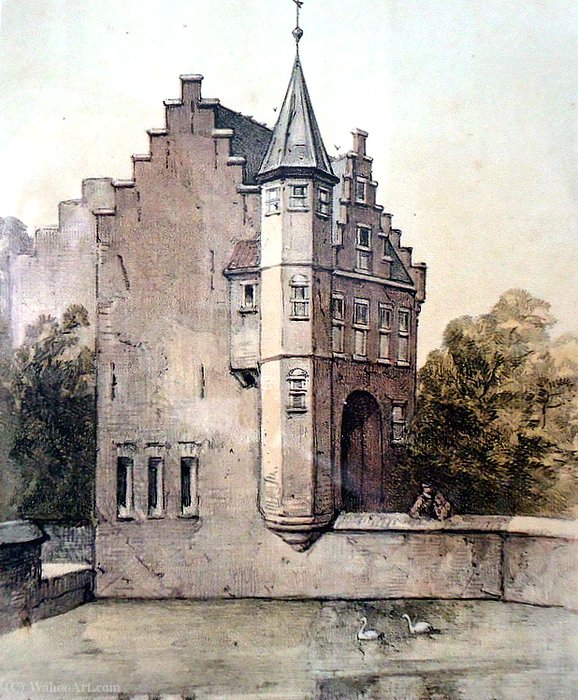
Reconstruction
 Pročitaj više
Giclee štampa / Umetnički otisak
Giclée štampa ili print na platnu muzejskog kvaliteta uz brzu proizvodnju i fleksibilne opcije završne obrade. ( Kupi ručno naslikanu sliku Kupi digitalnu sliku)




































Izaberite jednu od naših unapred definisanih veličina koje odgovaraju originalnim proporcijama umetničkog dela.

Možete uneti sopstvene dimenzije kako biste umetničko delo prilagodili specifičnom okviru ili prostoru. Ako odabrani format ne odgovara proporcijama originalne slike, mi ćemo ili iscrtati deo dela ili proširiti sliku pomoću ogledane ivice ili jednobojnog popunjavanja. Digitalni prikaz će vam biti poslat na odobrenje pre početka proizvodnje.
Imajte na umu da pregled na ekranu ne odražava stvarno iscrtavanje ili proširivanje. Samo će prikaz (mockup) precizno pokazati finalnu kompoziciju.
Iako su prilagođene dimenzije dostupne, preporučujemo da odaberete dimenziju sa unapred definisane liste kako biste očuvali originalne proporcije.
Dostava širom sveta () za 2 nedelje umesto uobičajenih 4/5 nedelja. (31 август)

Besplatna ekspresna dostava širom sveta

Visokokvalitetno laneno platno

Kompletno osiguranje transporta

Garancija povraćaja carine i uvoznih dažbina

Garancija vernosti boja

Politika povrata u roku od 60 dana (samo u slučaju nedostataka)

Garancija povrata novca od 100%

Popust pri grupnoj kupovini
 Opcija sa staklom dostupna je samo za dimenzije manje od 110 cm

Reconstruction
Giclee štampa / Umetnički otisak
Dimenzije reprodukcije
-


Konačna cena
$ 62
Srodna umetnička dela






Biografija umetnika
The Luminous Legacy of Johannes Klinkenberg
In the golden era of Dutch landscape painting, few artists captured the sun-drenched serenity of the Netherlands quite like Johannes Christiaan Karel Klinkenberg. Born in The Hague in 1852, Klinkenberg emerged as a master of light, a painter who looked upon the historic canals and bustling harbors not with the somber, gray tones often associated with the Hague School, but with a vibrant, optimistic clarity. His life and work serve as a bridge between the structured traditions of Dutch Romanticism and the fleeting, atmospheric innovations of Impressionism, creating a body of work that feels both timeless and intimately connected to a specific moment in history.
Klinkenberg’s artistic journey began with rigorous academic training at the Koninklijke Academie voor Beeldende Künsten in Amsterdam. It was here, under the guidance of influential mentors such as the maritime painter Louis Meijer and the history-genre specialist Christoffel Bisschop, that he developed his technical prowess. From Bisschop, Klinkenberg inherited a profound fascination with the interplay of light and reflection—a theme that would become the heartbeat of his oeuvre. While his early explorations leaned toward historical genre scenes, he soon found his true calling in the sunlit cityscapes of the Dutch water towns. He possessed a unique ability to render the way brilliant sunlight dances across white sandstone and red brick facades, casting dancing reflections upon the tranquil waters of canals in cities like Dordrecht, Delft, and Amsterdam.
A Mastery of Light and Atmosphere
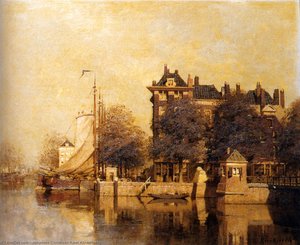
What distinguishes Klinkenberg from his contemporaries, such as George Hendrik Breitner, is the unmistakable cheerfulness that permeates his canvases. While others sought the dramatic shadows of urban life, Klinkenberg pursued the luminous. His compositions are characterized by a sense of balanced perfection; he often arranged historical buildings to achieve an ideal aesthetic harmony, yet he maintained a steadfast commitment to recognizability. To gaze upon a Klinkenberg painting is to experience a world of ocher and brown houses, vibrant green trees, and skies so blue they seem to breathe.
His technique was a delicate dance between realism and impressionistic suggestion. He meticulously observed the subtle variations in natural light, translating them onto canvas with an accuracy that captured the very essence of a fleeting afternoon. His focus remained steadfastly on the environment rather than the individual; figures in his work are secondary to the majestic presence of moored sailing vessels, the rhythmic architecture of quay walls, and the shimmering surface of the water. This dedication to the landscape allowed him to create scenes that evoke a palpable sense of place, inviting the viewer to step into a peaceful, sun-soaked reality.
Artistic Community and Lasting Significance
Klinkenberg’s influence extended far beyond his solitary studio sessions. He was a vital pillar of the Dutch artistic community, most notably as a founding member of the Pulchri Studio alongside Louis Meijer. This collaborative environment was essential for the evolution of Dutch art, fostering an atmosphere of experimentation that pushed the boundaries of traditional expression. Through this studio, Klinkenberg helped cultivate a movement that embraced modern light and color, ensuring that the Dutch landscape tradition remained relevant in a changing world.
As his career progressed, Klinkenberg’s reputation grew, earning him numerous accolades and cementing his place in the annals of 19th-century art. His ability to capture the "sunny" side of the Netherlands provided a necessary counterpoint to the more melancholic movements of his time. Today, his works—ranging from the evocative View of Leiden to the serene Canal in Meppel with Church—stand as enduring testaments to his vision. He remains a celebrated figure whose paintings continue to offer a window into a tranquil, luminous past, reminding us of the profound beauty found in the quiet reflections of a sunlit canal.
johannes christiaan karel klinkenberg
1852 - 1924 , Netherlands
Osnovne informacije
- Artistic Movement Or Style: Realism
- Date Of Birth: 1852
- Full Name: Johannes Christiaan Karel Klinkenberg
- Nationality: Dutch
- Notable Artworks:
- View of Leiden
- Reconstruction
- Christaan karel moored sailing vessels along a quay amsterdam
- Place Of Birth: The Hague, Netherlands

