

 Pregledaj u prostoru
 Pošalji
 Podeli
 Detalji o delu

 Преузми
 Slični predmeti
 Rendgenski snimak
 Slajdovi
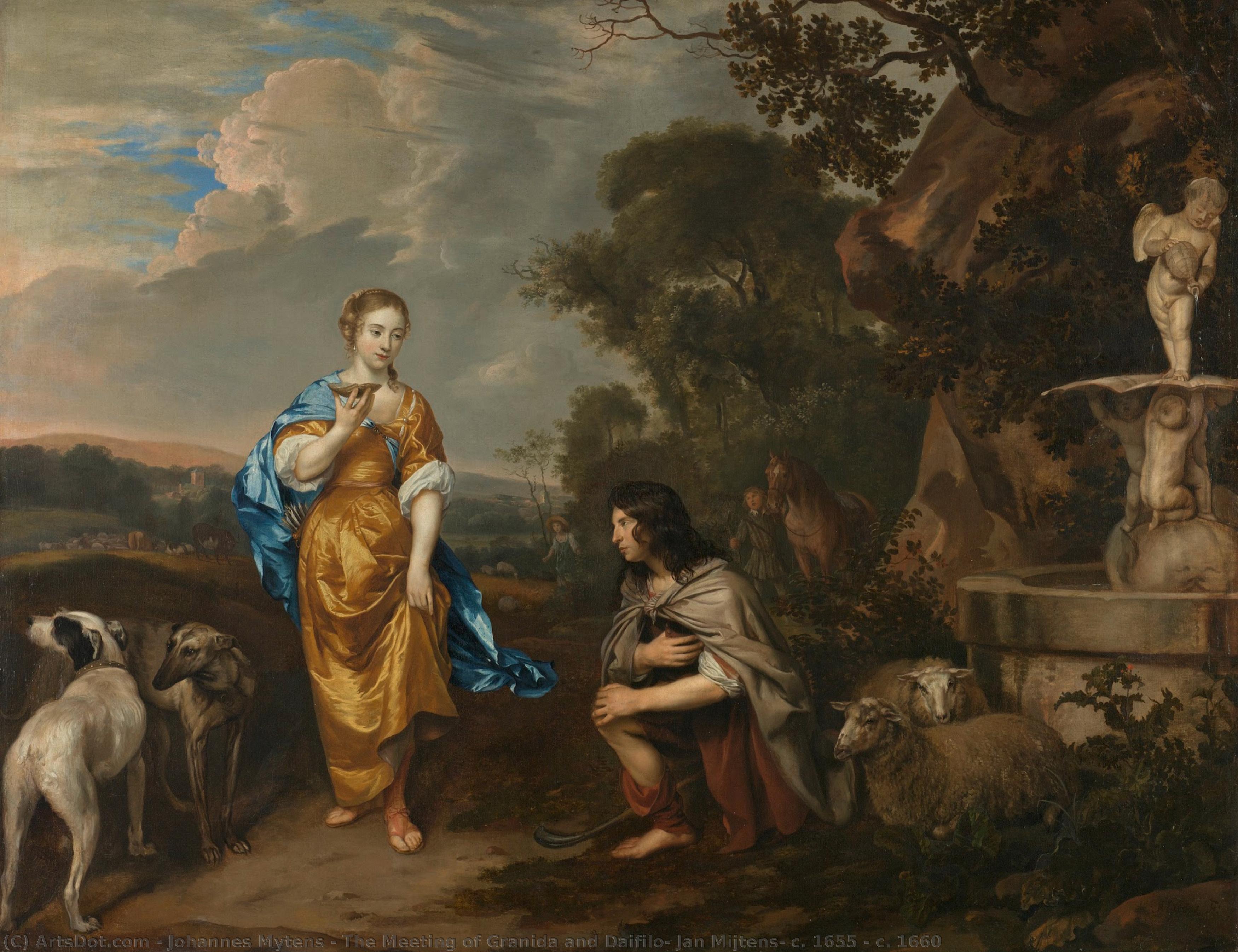
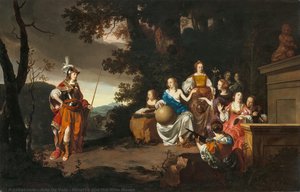
The Meeting of Granida and Daifilo, Jan Mijtens, c. 1655 - c. 1660
 1660
1660 110.0 x 142.0 cm
 Pročitaj više
Giclee štampa / Umetnički otisak
Giclée štampa ili print na platnu muzejskog kvaliteta uz brzu proizvodnju i fleksibilne opcije završne obrade. ( Kupi ručno naslikanu sliku Kupi digitalnu sliku)




































Izaberite jednu od naših unapred definisanih veličina koje odgovaraju originalnim proporcijama umetničkog dela.

Možete uneti sopstvene dimenzije kako biste umetničko delo prilagodili specifičnom okviru ili prostoru. Ako odabrani format ne odgovara proporcijama originalne slike, mi ćemo ili iscrtati deo dela ili proširiti sliku pomoću ogledane ivice ili jednobojnog popunjavanja. Digitalni prikaz će vam biti poslat na odobrenje pre početka proizvodnje.
Imajte na umu da pregled na ekranu ne odražava stvarno iscrtavanje ili proširivanje. Samo će prikaz (mockup) precizno pokazati finalnu kompoziciju.
Iako su prilagođene dimenzije dostupne, preporučujemo da odaberete dimenziju sa unapred definisane liste kako biste očuvali originalne proporcije.
Dostava širom sveta () za 2 nedelje umesto uobičajenih 4/5 nedelja. (3 септембар)

Besplatna ekspresna dostava širom sveta

Visokokvalitetno laneno platno

Kompletno osiguranje transporta

Garancija povraćaja carine i uvoznih dažbina

Garancija vernosti boja

Politika povrata u roku od 60 dana (samo u slučaju nedostataka)

Garancija povrata novca od 100%

Popust pri grupnoj kupovini
 Opcija sa staklom dostupna je samo za dimenzije manje od 110 cm

The Meeting of Granida and Daifilo, Jan Mijtens, c. 1655 - c. 1660
Giclee štampa / Umetnički otisak
Dimenzije reprodukcije
-


Konačna cena
$ 62
Srodna umetnička dela






Biografija umetnika
Johannes Mytens: A Master of Dutch Portraiture
Johannes Mytens (c. 1614 – 1670) stands as a prominent figure within the illustrious Dutch Golden Age, celebrated primarily for his exquisite portrait paintings that captured the essence of aristocratic families and individuals alike. Born in The Hague, he emerged from a lineage steeped in artistic tradition—his uncles Isaac Mijtens and Daniël Mijtens were also painters, fostering an environment ripe for creative development. This familial connection profoundly shaped Mytens’ artistic trajectory, influencing his training under luminaries like Anthony van Opstal and Nicolas van der Horst, establishing him firmly within the established artistic circles of his time.- Early Training & Influences: Van Opstal's meticulous realism and van der Horst’s masterful use of light undoubtedly instilled in Mytens a foundational understanding of technique—a hallmark that would characterize his subsequent oeuvre.
- Guild Membership & Artistic Community: Joining the Hague Guild of Saint Luke in 1642 marked a pivotal moment, solidifying his professional standing and aligning him with fellow artists who championed artistic excellence and innovation. Notably, he spearheaded the formation of the confrerie pictura, demonstrating his commitment to fostering collaborative creativity within the artistic landscape.
Notable Works & Artistic Style
Mytens’ artistic style is characterized by a harmonious blend of realism and idealism, reflecting the Baroque aesthetic prevalent during his lifetime. He skillfully employed chiaroscuro – dramatic contrasts between light and shadow – to sculpt figures with remarkable depth and dimensionality, conveying emotion and psychological nuance. His compositions are meticulously balanced, prioritizing clarity and elegance while simultaneously incorporating symbolic elements that enrich the narrative content. Consider particularly ‘The van der Graeff Family,’ where he deftly portrays a wealthy English family against a richly textured backdrop—a masterpiece demonstrating his mastery of color palettes and spatial arrangement. Similarly, his depiction of Frederick Henry’s daughters exemplifies Baroque grace and sophistication.- ‘The van der Graeff Family’: This monumental portrait showcases Mytens' ability to capture familial bonds and convey aristocratic status with breathtaking precision.
- Portrait of James, 4th Lord Cranstoun: A captivating depiction of Scottish nobility, demonstrating Mytens’ talent for portraying character and conveying emotion through nuanced facial expressions.
Legacy & Historical Significance
Johannes Mytens' contribution to Dutch art history extends beyond his individual paintings; he served as a crucial catalyst in shaping the artistic sensibilities of subsequent generations. His influence can be discerned in the works of his students, who carried forward his stylistic innovations and upheld his commitment to artistic integrity. Furthermore, Mytens’ meticulous documentation of social life—particularly through genre scenes—provides invaluable insights into the cultural milieu of 17th-century Holland. As a symbol of Dutch artistic excellence during its golden age, Mytens continues to inspire admiration and scholarly investigation today, securing his place as one of the most revered portrait painters of his era.Further Exploration
For deeper understanding of Johannes Mytens’ life and work, explore resources such as:- RKD – Nederlands Kunstgeschiedenis: Johannes Mijten
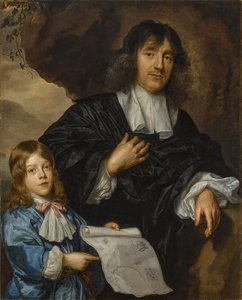
Johannes Mytens
1614 - 1670 , Netherlands
Osnovne informacije
- Artistic Movement Or Style: Golden Age
- Artists Or Movements Influenced By This Artist: ['Baroque']
- Artists Who Influenced This Artist:
- Anthony van Opstal
- Nicolas van der Horst
- Date Of Birth: The Hague, Netherlands (1614)
- Date Of Death: 1670
- Full Name: Johannes Mytens
- Nationality: Dutch
- Notable Artworks:
- The van der Graeff Family
- Portrait of the daughters of Frederick Henry of Orange
- Portrait of James, 4th Lord Cranstoun
- Place Of Birth: The Hague

