

 Pregledaj u prostoru
 Pošalji
 Podeli
 Detalji o delu

 Преузми
 Slični predmeti
 Rendgenski snimak
 Slajdovi
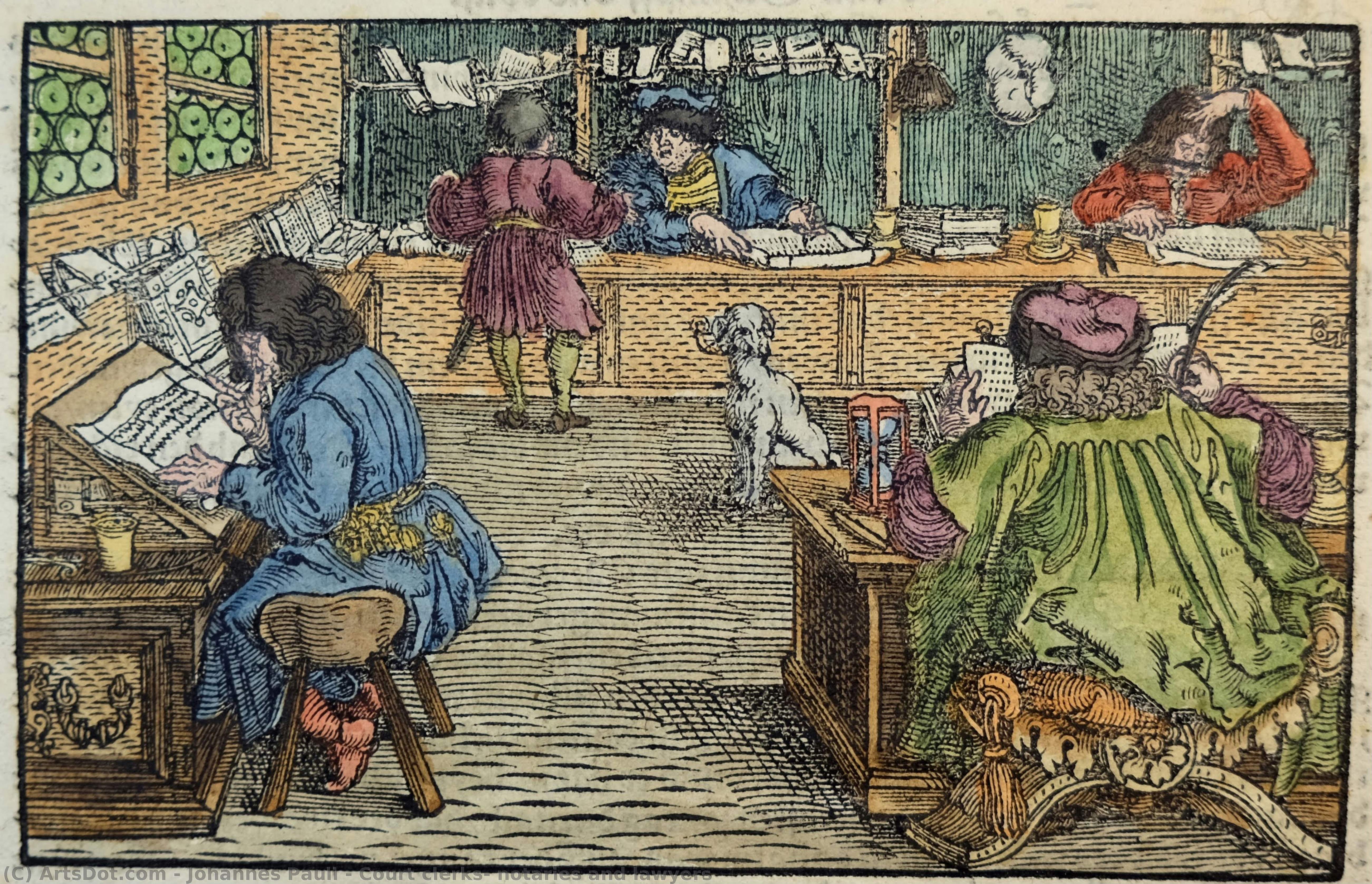
Court clerks, notaries and lawyers

 Pročitaj više
Giclee štampa / Umetnički otisak
Giclée štampa ili print na platnu muzejskog kvaliteta uz brzu proizvodnju i fleksibilne opcije završne obrade. ( Kupi ručno naslikanu sliku Kupi digitalnu sliku)




































Izaberite jednu od naših unapred definisanih veličina koje odgovaraju originalnim proporcijama umetničkog dela.

Možete uneti sopstvene dimenzije kako biste umetničko delo prilagodili specifičnom okviru ili prostoru. Ako odabrani format ne odgovara proporcijama originalne slike, mi ćemo ili iscrtati deo dela ili proširiti sliku pomoću ogledane ivice ili jednobojnog popunjavanja. Digitalni prikaz će vam biti poslat na odobrenje pre početka proizvodnje.
Imajte na umu da pregled na ekranu ne odražava stvarno iscrtavanje ili proširivanje. Samo će prikaz (mockup) precizno pokazati finalnu kompoziciju.
Iako su prilagođene dimenzije dostupne, preporučujemo da odaberete dimenziju sa unapred definisane liste kako biste očuvali originalne proporcije.
Dostava širom sveta () za 2 nedelje umesto uobičajenih 4/5 nedelja. (26 август)

Besplatna ekspresna dostava širom sveta

Visokokvalitetno laneno platno

Kompletno osiguranje transporta

Garancija povraćaja carine i uvoznih dažbina

Garancija vernosti boja

Politika povrata u roku od 60 dana (samo u slučaju nedostataka)

Garancija povrata novca od 100%

Popust pri grupnoj kupovini
 Opcija sa staklom dostupna je samo za dimenzije manje od 110 cm

Court clerks, notaries and lawyers
Giclee štampa / Umetnički otisak
Dimenzije reprodukcije
-


Konačna cena
$ 62
Opis predmeta
Srodna umetnička dela









Biografija umetnika
A Voice from the Medieval Hearth: The Life and Legacy of Johannes Pauli
Johannes Pauli, born around 1455 in the small Franconian village of Pfettisheim, Germany, remains a fascinating yet somewhat enigmatic figure in the landscape of late medieval German literature. His life, pieced together from fragmented records and scholarly conjecture, reveals a man deeply embedded in the religious and social currents of his time—a Franciscan writer who sought to blend instruction with amusement, seriousness with jest. While details surrounding his early years are scarce, we know he pursued theological studies in Strasbourg before embracing the Franciscan order, becoming known as a charismatic preacher traveling through various church institutions and cities throughout southern Germany. This itinerant life undoubtedly exposed him to a diverse tapestry of stories, observations, and the everyday realities of common people—a wealth of material that would later form the core of his most enduring work.The Creation of ‘Schimpf und Ernst’: A Mirror to Society
Pauli’s lasting fame rests upon his collection of tales, ‘Schimpf und Ernst’ (roughly translated as “Reproof and Earnestness”), published in 1515. This wasn't a work born from scholarly isolation but rather a vibrant compilation of 693 jests, moral anecdotes, and farces drawn from ancient sources, medieval traditions, and the rich oral culture surrounding him. It’s a remarkably accessible text, written in plain language that resonated with a broad audience—from the literate elite to those who relied on public readings for entertainment and edification. The collection isn't simply a series of humorous stories; it functions as a keen social commentary, offering pointed satire on the foibles of human nature, the corruption within institutions, and the complexities of daily life. Pauli’s genius lay in his ability to cloak moral lessons within engaging narratives, making them palatable—and memorable—for his contemporaries. He didn't aim for high-brow philosophical discourse but instead sought to gently nudge readers towards self-reflection through laughter and relatable characters.Influences and Literary Context
Pauli did not operate in a vacuum. His work clearly demonstrates the influence of figures like Geiler von Kaisersberg, a Dominican preacher renowned for his own vivid sermons and moralizing tales. Geiler’s emphasis on using contemporary examples to illustrate theological points likely inspired Pauli's approach to storytelling. Furthermore, the broader tradition of medieval exempla—short illustrative stories used in sermons to reinforce ethical teachings—provided a structural foundation for ‘Schimpf und Ernst’. However, Pauli distinguished himself through his unique voice and his willingness to embrace humor as a primary pedagogical tool. He wasn’t merely retelling existing tales; he was actively shaping them, adapting them to his own purposes, and infusing them with a distinctly Franconian sensibility. The work also foreshadows elements of the Renaissance *fabliau*, though rooted in a more explicitly religious framework.Impact and Historical Significance
The immediate success of ‘Schimpf und Ernst’ is evidenced by its numerous printings and widespread circulation throughout the 16th century. It became a foundational text for German popular literature, influencing generations of writers and storytellers. Perhaps most notably, Pauli's work served as a significant source of inspiration for Elizabethan playwrights and authors in England. The “Hundred Merry Tales”, a collection of English stories published in the late 16th century, drew heavily from ‘Schimpf und Ernst’, demonstrating the enduring appeal—and transcultural reach—of Pauli’s narratives. Beyond its literary influence, Pauli's work offers invaluable insights into the social and cultural landscape of early modern Germany. It provides a window into the concerns, anxieties, and aspirations of ordinary people during a period of significant religious and political upheaval. His ability to capture the nuances of everyday life—the petty squabbles, the moral dilemmas, the simple joys—makes him a uniquely compelling voice from the medieval past. Pauli’s legacy isn't simply as a writer of humorous tales but as a chronicler of his time, a social commentator who used laughter as a means of prompting reflection and fostering a sense of shared humanity.
johannes pauli
1455 - 1530 , Germany
Osnovne informacije
- Artistic Movement Or Style: Medieval Literature
- Artists Or Movements Influenced By This Artist:
- Elizabethan Tales
- Hans Sachs
- Artists Who Influenced This Artist: ['Geiler of Kaisersberg']
- Date Of Birth: c. 1455
- Date Of Death: after 1530
- Full Name: Johannes Pauli
- Nationality: German
- Notable Artworks: ['Schimpf und Ernst']
- Place Of Birth: Pfettenheim, Germany

