 Pregledaj u prostoru
 Pošalji
 Podeli
 Detalji o delu

 Преузми
 Slični predmeti
 Rendgenski snimak
 Slajdovi
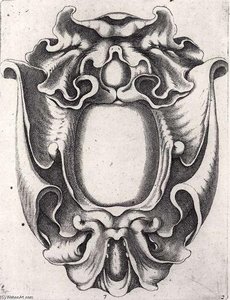
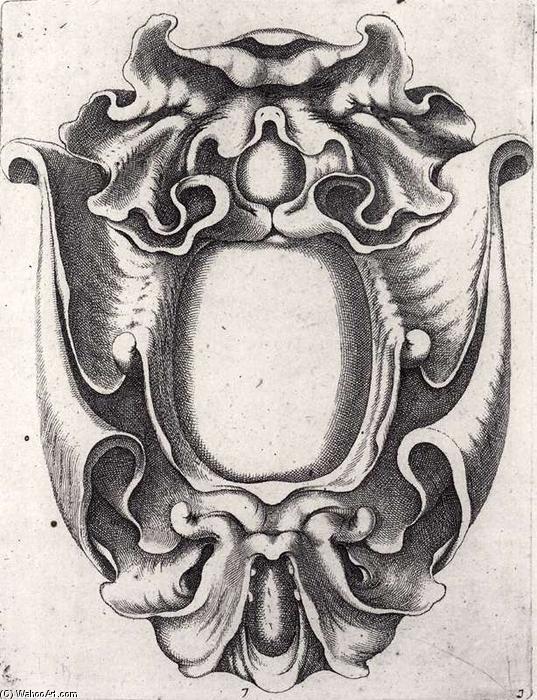
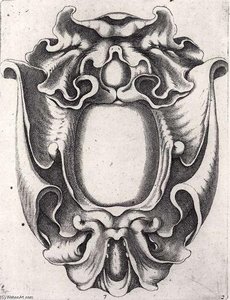
Картуша у аурикулярном стилу
 Akril na platnu
- Umetnost za zidove
- Dutch Golden Age
 1654
1654 228.0 x 179.0 cm
 Rijksmuseum
 Pročitaj više
Ručno rađena uljana reprodukcija
Ručno oslikano uljanim bojama na platnu u dimenzijama i okviru po vašem izboru, izrađeno po porudžbini od strane naših umetnika. ( Kupi print Kupi digitalnu sliku)




P118B $10

P118H $10

P118W $10

P438Z $10

P508JH $12

P508YH $12

P805H $10

P805Z $10

P919BZ $10

P919G $10

P919XJ $10

P959ZH $10

P968JZ $12

W106C $8

W218G $10

W218JH $8

W218Y $10

W307PJ $10

W316G $10

W316PJ $8

W316Y $10

W398PJ $8

W4111J $10

W500HY $15

W500JH $15

W692G $12

W849H $8

W940BG $15

W953PJ $8




Izaberite jednu od naših unapred definisanih veličina koje odgovaraju originalnim proporcijama umetničkog dela.

Можете унети сопствене димензије како бисте прилагодили дело одређеном оквиру или простору. Ако одабрана величина не одговара пропорцијама оригинала, слика ће бити исечена или проширена додатним елементима који се ручно насликавају. Дигитални prikaz ће вам бити послат на одобрење пре почетка производње.
Имајте на уму да преглед на екрану не одражава стварно исецање или проширење. Само приказ (mockup) ће тачно приказати коначну композицију.
Иако су доступне прилагођене величине, препоручујемо да одаберете димензију из дефинисане листе како бисте сачували оригиналне пропорције.
Nakon narudžbine, tim ArtsDot.com će klijentu putem e-pošte poslati uputstva i dostaviti prikaz predloženog rešenja
Isporuka širom sveta () za 3/4 nedelje umesto uobičajenih 5 nedelja. (22 август). Bez kompromisa po pitanju kvaliteta.

Besplatna ekspresna dostava širom sveta

Visokokvalitetno laneno platno

Kompletno osiguranje transporta

Garancija povraćaja carine i uvoznih dažbina

Garancija vernosti boja

Politika povrata u roku od 60 dana (samo u slučaju nedostataka)

Garancija povrata novca od 100%

Popust pri grupnoj kupovini
 Opcija sa staklom dostupna je samo za dimenzije manje od 110 cm

Картуша у аурикулярном стилу
Tehnika reprodukcije
Dimenzije reprodukcije
-


Konačna cena
$ 263
Opis umetničkog dela
Cartouche in Auricular Style: A Reflection of Dutch Golden Age Elegance
Johannes Lutma the elder (born c. 1584 in Emden, Germany; died January 1669 in Amsterdam) stands as a pivotal figure in the late 17th-century Dutch goldsmithing scene – a period marked by unprecedented artistic innovation and opulent craftsmanship. Often overshadowed by his more famous contemporaries like Rembrandt, Lutma’s legacy lies in his pioneering work with “auricular” style silver, a technique that redefined decorative possibilities and profoundly influenced subsequent generations of artisans. His life was one of constant movement and adaptation, beginning in the German Rhineland before settling permanently in Amsterdam, where he established himself as a leading designer for wealthy patrons and ecclesiastical institutions. Lutma’s early training remains somewhat shrouded in mystery, though it is generally accepted that he studied under Paulus van Vianen, a master known for his distinctive “auricular” style – characterized by smooth, ear-like forms. This stylistic approach, emphasizing flowing curves and subtle ornamentation, became the foundation of Lutma's own artistic vocabulary. He skillfully combined this organic aesthetic with geometric precision, creating designs that were both visually arresting and intellectually stimulating. Following a period in Paris around 1615, where he likely honed his skills amidst the burgeoning artistic scene, Lutma arrived in Amsterdam in 1621, marrying Mayken Roelants shortly thereafter, and later Saera de Bie. His time in the bustling commercial center of Amsterdam proved to be fertile ground for his creative development, offering access to a wealthy clientele eager for luxurious objects. The Auricular Style: More Than Just Ornamentation The auricular style or lobate style (Dutch: kwabstijl, German: Ohrmuschelstil) is a distinctive decorative technique that flourished in Northern Europe during the first half of the 17th century, bridging Northern Mannerism and the Baroque. It gained prominence primarily in silversmithing but extended its influence to architectural ornamentation – door and window reveals, picture frames, and various decorative arts—demonstrating Lutma’s versatility as an artist. The style's defining characteristic is its use of softly flowing abstract shapes resembling the side view of the human ear, resulting in undulating surfaces that convey a sense of movement and delicacy. Lutma skillfully manipulated these forms alongside sharp angles and geometric patterns, creating designs that defied conventional stylistic boundaries. A Masterful Technique: Chasing and Repoussé Johannes Lutma’s mastery extended beyond mere aesthetic preference; he possessed an unparalleled command of craftsmanship. He employed techniques like chasing (hammering metal to create raised designs) and repoussé (pushing metal from the back to create raised designs), combined with meticulous engraving, to achieve his desired effects. These methods allowed him to sculpt intricate patterns onto silver surfaces, capturing subtle nuances of light and texture—a testament to Lutma’s dedication to pushing the boundaries of artistic expression. The resulting pieces were not merely beautiful; they embodied a profound understanding of material properties and sculptural principles. Historical Context: Rudolf II's Court and Artistic Patronage The creation of artworks like “Cartouche in Auricular Style” occurred during the reign of Rudolf II, Holy Roman Emperor, whose court in Prague became a crucible for artistic innovation. Lutma benefited from this patronage, securing commissions that enabled him to produce monumental works—such as the choir-screen for Nieuwe Kerk—that reflected the grandeur and intellectual fervor of the era. This period witnessed a fervent interest in classical ideals alongside explorations of Mannerist sensibilities, resulting in a stylistic hybrid that celebrated both tradition and experimentation. Lutma’s work embodies this spirit, seamlessly integrating elements from diverse artistic influences into a cohesive visual language. Symbolism and Emotional Impact: Elegance and Tranquility The smooth, flowing curves of the auricular style evoke notions of serenity and balance—qualities deeply valued during the Baroque period. Lutma's designs communicated not only beauty but also an underlying sense of contemplation, inviting viewers to appreciate the subtle interplay of form and texture. The meticulous craftsmanship evident in “Cartouche in Auricular Style” speaks to a desire for perfection and conveys an enduring appreciation for artistic excellence—a legacy that continues to inspire collectors and interior designers today. It’s a reminder that art can transcend mere decoration, offering profound insights into human experience and cultural values.Srodna umetnička dela

Biografija umetnika
Johannes the Elder Lutma: Master of Auricular Silver
Johannes Lutma the elder (born c. 1584 in Emden, Germany; died January 1669 in Amsterdam) stands as a pivotal figure in the late 17th-century Dutch goldsmithing scene – a period marked by unprecedented artistic innovation and opulent craftsmanship. Often overshadowed by his more famous contemporaries like Rembrandt, Lutma’s legacy lies in his pioneering work with “auricular” style silver, a technique that redefined decorative possibilities and profoundly influenced subsequent generations of artisans. His life was one of constant movement and adaptation, beginning in the German Rhineland before settling permanently in Amsterdam, where he established himself as a leading designer for wealthy patrons and ecclesiastical institutions.
Lutma’s early training remains somewhat shrouded in mystery, though it is generally accepted that he studied under Paulus van Vianen, a master known for his distinctive “auricular” style – characterized by smooth, ear-like forms. This stylistic approach, emphasizing flowing curves and subtle ornamentation, became the foundation of Lutma's own artistic vocabulary. Following a period in Paris around 1615, where he likely honed his skills amidst the burgeoning artistic scene, Lutma arrived in Amsterdam in 1621, marrying Mayken Roelants shortly thereafter, and later Saera de Bie. His time in the bustling commercial center of Amsterdam proved to be fertile ground for his creative development, offering access to a wealthy clientele eager for luxurious objects.
The Auricular Style and its Development
Lutma’s most significant contribution to the art world was undoubtedly his mastery of the auricular style. This technique involved creating flowing, undulating surfaces on silver that mimicked the shape of an ear – hence the name. It wasn't merely a stylistic choice; Lutma elevated it into a sophisticated design principle, utilizing it to create intricate patterns and dynamic compositions. He skillfully combined this smooth, organic form with sharp angles, geometric shapes, and elaborate embellishments, resulting in a remarkably versatile aesthetic. His designs weren’t simply decorative; they possessed a sense of movement and rhythm that captivated viewers.
Crucially, Lutma didn't invent the auricular style entirely. It had roots in earlier German goldsmithing traditions, but Lutma refined it, pushing its boundaries and establishing a distinct visual language. He employed techniques like chasing (hammering metal to create raised designs) and repoussé (pushing metal from the back to create raised designs), combined with meticulous engraving, to achieve his desired effects. His work demonstrated an exceptional command of materials and a deep understanding of how light interacted with surface textures.
Major Works and Commissions
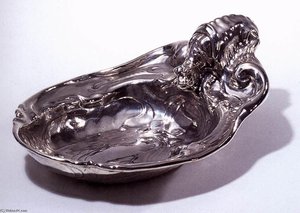
Lutma’s career produced a remarkable body of work, encompassing a diverse range of objects – from elaborate salt dishes and ewers to monumental choir screens and decorative cartouches. His most celebrated achievement is arguably the choir-screen for the Nieuwe Kerk (New Church) in Amsterdam, a breathtaking example of his artistic vision. This massive panel, executed around 1638, features intricate scenes depicting biblical narratives interwoven with classical motifs, showcasing Lutma’s ability to seamlessly blend different stylistic influences.
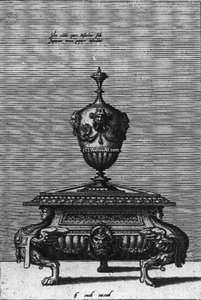
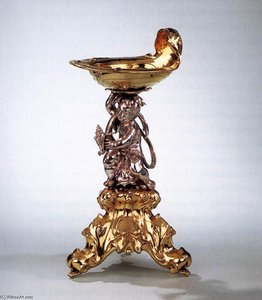
Beyond the choir-screen, Lutma created numerous exquisite salt containers, often adorned with mythological creatures and floral designs. These objects are prized for their exceptional craftsmanship and delicate detailing. His work also includes a series of cartouches – decorative frames used to enclose inscriptions or coats of arms – which demonstrate his mastery of miniature design and intricate engraving. The Rijksmuseum in Amsterdam houses several significant examples of Lutma’s oeuvre, offering invaluable insights into the breadth and depth of his artistic talent.
Legacy and Influence
Despite not achieving widespread fame during his lifetime, Johannes Lutma's influence on subsequent generations of Dutch goldsmiths is undeniable. His innovative use of the auricular style paved the way for new approaches to decorative design, inspiring artists like his son, Johannes Lutma the Younger (Jan Lutma), who continued to develop and refine his father’s techniques. Lutma’s designs were also widely disseminated through printed series of engravings, ensuring their enduring popularity and influence.
Furthermore, Lutma's work reflects a broader cultural shift in 17th-century Europe – a move towards greater individualism and artistic experimentation. His willingness to challenge established conventions and embrace new stylistic approaches cemented his place as a key figure in the development of Dutch goldsmithing and a testament to the enduring power of artistic innovation.
johannes the elder lutma
1587 - 1669 , Germany
Osnovne informacije
- Artistic Movement Or Style: Auricular Style
- Artists Or Movements Influenced By This Artist: ['Rembrandt']
- Artists Who Influenced This Artist: ['Paulus van Vianen']
- Date Of Birth: c. 1584
- Date Of Death: 1669
- Full Name: Johannes Lutma the Elder
- Nationality: German
- Notable Artworks:
- Choir-screen (Nieuwe Kerk)
- Salt containers
- Drinking bowl
- Place Of Birth: Emden, Germany
Povezani članci

Zlatno doba Holandske umetnosti: Top 10 remek dela za vaš dom
Otkrijte remek dela Holandskog zlatnog doba! Uronite u svet Rembrandta, Vermeera i drugih majstora. 10 ikoničnih slika koje su definisale umetnost. Inspiracija za vaš dom i kolekciju - ekskluzivne reprodukcije na ArtsDot.com!

Golden Age Reflections: Dutch Baroque Painting & Cultural Innovation
Explore the Dutch Golden Age of painting! Discover key artists like Vermeer & ter Borch, their innovative techniques, and the rich cultural context behind these Baroque masterpieces. Learn about collecting & appreciating this iconic art period.

Illuminating Innovation: Exploring the Dutch Golden Age of Painting
Explore the Dutch Golden Age of painting with ArtsDot. Discover Rembrandt, Vermeer & other Masters. Learn about key characteristics, iconic artworks, and lasting influence. Expert insights for collectors & enthusiasts.
Johannes Vermeer: Light, Intimacy & the Dutch Golden Age – A Comprehensive Exploration
Explore the life, techniques & enduring legacy of Johannes Vermeer, a master of Dutch Golden Age painting. Discover symbolism in his iconic works like 'The Milkmaid' and learn about his revolutionary use of light.
Illuminating Realism: Exploring the Dutch Golden Age of Painting (1600-1700)
Explore the Dutch Golden Age of painting (1600-1700) with ArtsDot. Discover Rembrandt, Vermeer & other masters. Learn about techniques, history & find museum-quality reproductions.