

 Pregledaj u prostoru
 Pošalji
 Podeli
 Detalji o delu

 Преузми
 Slični predmeti
 Rendgenski snimak
 Slajdovi
 Stats
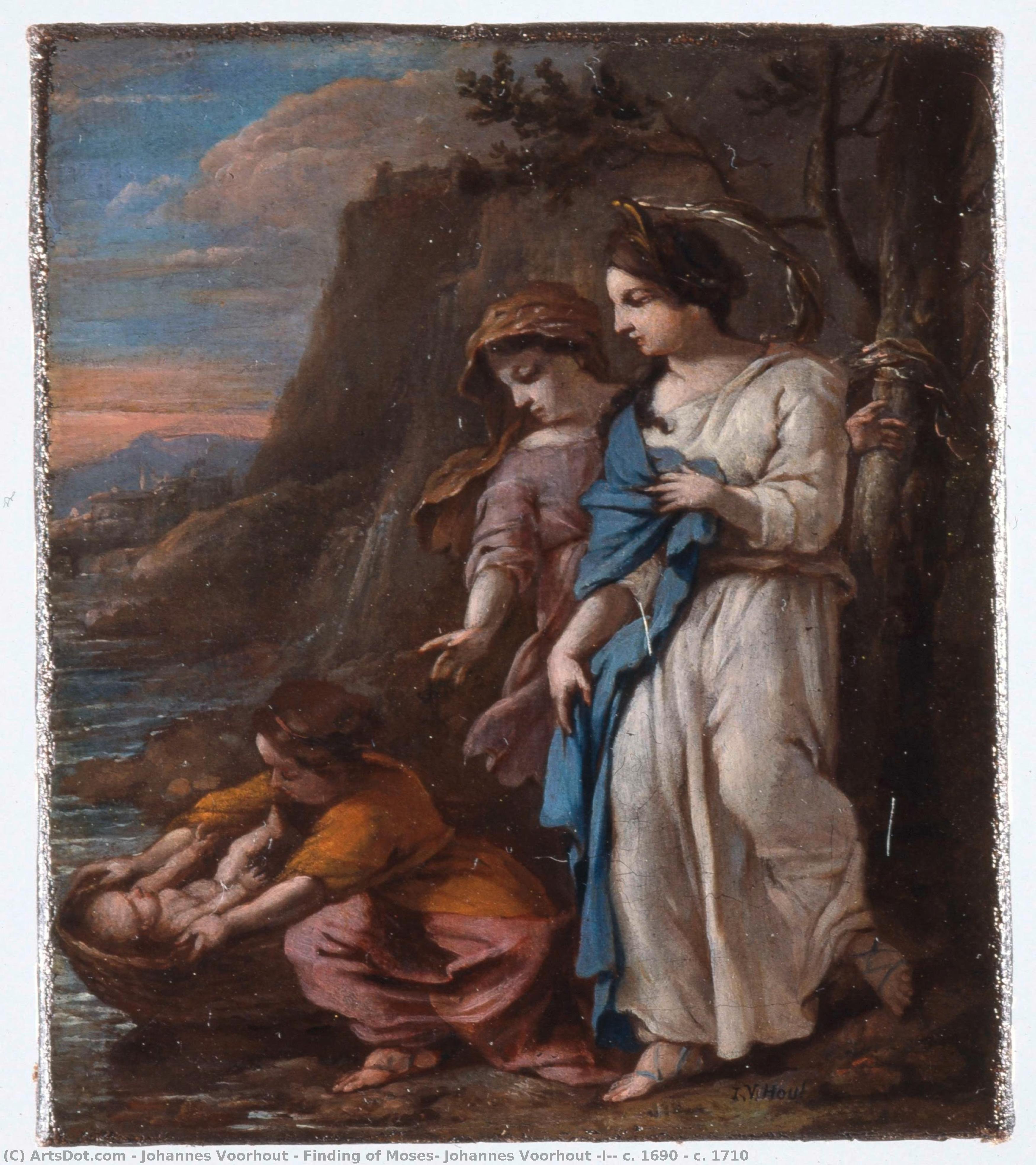
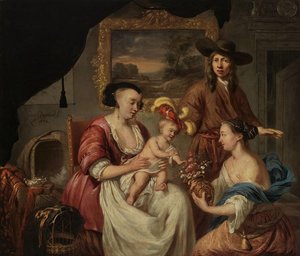
StatsFinding of Moses, Johannes Voorhout (I), c. 1690 - c. 1710
 Dutch Golden Age
 1710
1710 14.0 x 12.0 cm
 Pročitaj više
Giclee štampa / Umetnički otisak
Giclée štampa ili print na platnu muzejskog kvaliteta uz brzu proizvodnju i fleksibilne opcije završne obrade. ( Kupi ručno naslikanu sliku Switch to Digital Image)




P118B $10

P118H $10

P118W $10

P438Z $10

P508JH $12

P508YH $12

P805H $10

P805Z $10

P919BZ $10

P919G $10

P919XJ $10

P959ZH $10

P968JZ $12

W106C $8

W218G $10

W218JH $8

W218Y $10

W307PJ $10

W316G $10

W316PJ $8

W316Y $10

W398PJ $8

W4111J $10

W500HY $15

W500JH $15

W692G $12

W849H $8

W940BG $15

W953PJ $8




Izaberite jednu od naših unapred definisanih veličina koje odgovaraju originalnim proporcijama umetničkog dela.

Možete uneti sopstvene dimenzije kako biste umetničko delo prilagodili specifičnom okviru ili prostoru. Ako odabrani format ne odgovara proporcijama originalne slike, mi ćemo ili iscrtati deo dela ili proširiti sliku pomoću ogledane ivice ili jednobojnog popunjavanja. Digitalni prikaz će vam biti poslat na odobrenje pre početka proizvodnje.
Imajte na umu da pregled na ekranu ne odražava stvarno iscrtavanje ili proširivanje. Samo će prikaz (mockup) precizno pokazati finalnu kompoziciju.
Iako su prilagođene dimenzije dostupne, preporučujemo da odaberete dimenziju sa unapred definisane liste kako biste očuvali originalne proporcije.
Dostava širom sveta () za 2 nedelje umesto uobičajenih 4/5 nedelja. (7 септембар)

Besplatna ekspresna dostava širom sveta

Visokokvalitetno laneno platno

Kompletno osiguranje transporta

Garancija povraćaja carine i uvoznih dažbina

Garancija vernosti boja

Politika povraćaja u roku od 100 dana (isključivo u slučaju nedostataka)

Garancija povrata novca od 100%

Popust pri grupnoj kupovini
 Opcija sa staklom dostupna je samo za dimenzije manje od 110 cm

Finding of Moses, Johannes Voorhout (I), c. 1690 - c. 1710
Giclee štampa / Umetnički otisak
Dimenzije reprodukcije
-


Konačna cena
$ 62
Srodna umetnička dela


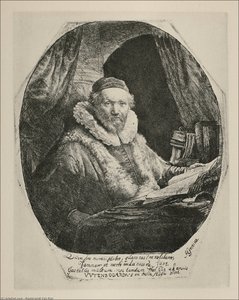
Biografija umetnika
The Master of Allegory: The Life and Legacy of Johannes Voorhout
In the luminous era of the Dutch Golden Age, a period defined by mercantile prosperity and an unprecedented flourishing of the arts, few artists captured the intersection of historical gravity and symbolic elegance as gracefully as Johannes Voorhout. Born in 1647 to a family of skilled craftsmen—his father, Cornelis, was a respected Amsterdam clockmaker—Voorhout’s journey was one of transition from the technical precision of horology to the expressive depths of the canvas. While his lineage was rooted in the meticulous mechanics of time, Johannes sought to capture the eternal through the medium of paint. His early training under Constantijn Verhout in Gouda provided him with a vital foundation in contemporary history scenes, a genre that would become the cornerstone of his illustrious career.
The trajectory of Voorhout’s life was as dynamic as the political landscape of the seventeenth-century Netherlands. After honing his craft in Amsterdam under the guidance of Jan van Noordt, he experienced the profound disruptions caused by the French invasions of 1672. This period of upheaval forced a temporary exile to Friedrichstadt, yet even in displacement, Voorhout’s ambition remained undiminished. His subsequent move to Hamburg, encouraged by the esteemed Juriaan Ovens, marked a significant chapter of professional expansion and international exposure. It was during these years that he refined his ability to weave complex narratives into single, striking compositions, blending the intimacy of portraiture with the grandiosity of historical allegory.
Symbolism and the Art of Narrative
What truly distinguishes the work of Johannes Voorhout is his profound command over allegory. He did not merely paint scenes; he constructed visual metaphors that spoke to the triumphs, tragedies, and moral complexities of his age. His mastery is perhaps most evident in works such as the Allegory of the Treaty of Ryswick (1698). In this breathtaking composition, Voorhout utilizes personification to communicate the delicate balance of power and the longing for stability. Through the figure of Peace blowing her trumpet and the contrasting presence of a fleeing soldier representing War, he transformed a political milestone into a timeless meditation on human conflict and reconciliation.
Beyond the grand scale of historical treaties, Voorhout possessed a remarkable versatility that allowed him to excel in much more intimate settings. His ability to infuse even small-scale works with profound meaning is seen in his contributions to decorative arts, such as the exquisite paintings found within the intricate world of dollhouse miniatures. Whether depicting the celestial beauty of Aurora or the biblical gravity of the Finding of Moses, his brushwork remained imbued with a sense of wonder and meticulous detail. This duality—the ability to command both the monumental and the miniature—is a testament to his technical dexterity and his deep understanding of how light and shadow can evoke emotion.
A Lasting Impression on the Dutch Tradition
The historical significance of Johannes Voorhout lies in his role as a bridge between the rigorous realism of early Dutch masters and the more theatrical, emotive qualities of the Baroque period. His prestigious commissions, most notably the monumental portrait of William III on horseback for Dirk Clant, solidified his standing among the elite patrons of Europe. This work, intended for a grand castle near Groningen, serves as a pinnacle of his ability to merge royal iconography with masterful equestrian portraiture.
As we reflect on the vast tapestry of the Dutch Golden Age, Voorhout remains a vital thread. His life was a testament to resilience and adaptability, moving through the shadows of war and the light of prosperity to leave behind a legacy of profound beauty. His works continue to invite viewers into a world where every figure, every gesture, and every shadow carries a deeper meaning, reminding us that art is not merely a reflection of reality, but an elevated interpretation of the human soul.
Johannes Voorhout
1647 - 1723
Osnovne informacije
- Artistic Movement Or Style: Golden Age
- Artists Or Movements Influenced By This Artist: ['Jan van Noordt']
- Artists Who Influenced This Artist: ['Constantijn Verhout']
- Date Of Death: 1723
- Full Name: Johannes Voorhout
- Nationality: Dutch
- Notable Artworks:
- Allegory of Treaty of Ryswick
- Finding of Moses
- Aurora
- Place Of Birth: Amsterdam, Netherlands
Povezani članci
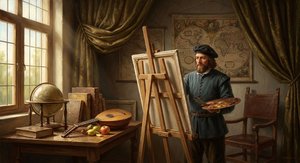
Illuminating Realism: Exploring the Dutch Golden Age of Painting (1600-1700)
Explore the Dutch Golden Age of painting (1600-1700) with ArtsDot. Discover Rembrandt, Vermeer & other masters. Learn about techniques, history & find museum-quality reproductions.

Dutch Baroque Masters: 10 Paintings That Shaped an Era | ArtsDot
Journey through the Golden Age with our guide to the Top 10 Dutch Baroque masterpieces! Explore iconic paintings by Rembrandt, Vermeer & Frans Hals. Find museum-quality art reproductions and elevate your home decor at ArtsDot.com.
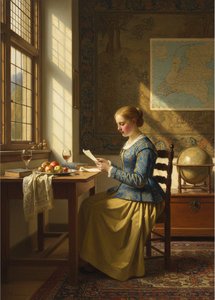
Johannes Vermeer: Light, Intimacy & the Dutch Golden Age – A Comprehensive Exploration
Explore the life, techniques & enduring legacy of Johannes Vermeer, a master of Dutch Golden Age painting. Discover symbolism in his iconic works like 'The Milkmaid' and learn about his revolutionary use of light.

Golden Age Reflections: Dutch Baroque Painting & Cultural Innovation
Explore the Dutch Golden Age of painting! Discover key artists like Vermeer & ter Borch, their innovative techniques, and the rich cultural context behind these Baroque masterpieces. Learn about collecting & appreciating this iconic art period.

Zlatno doba Holandske umetnosti: Top 10 remek dela za vaš dom
Otkrijte remek dela Holandskog zlatnog doba! Uronite u svet Rembrandta, Vermeera i drugih majstora. 10 ikoničnih slika koje su definisale umetnost. Inspiracija za vaš dom i kolekciju - ekskluzivne reprodukcije na ArtsDot.com!