


 Pregledaj u prostoru
 Pošalji
 Podeli
 Detalji o delu

 Преузми
 Slični predmeti
 Rendgenski snimak
 Slajdovi
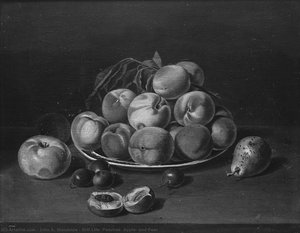
Still Life: Peaches, Apple, and Pear
 Baroque
 1825
1825 25.0 x 31.0 cm
 Metropolitan Museum of Art
 Pročitaj više
Giclee štampa / Umetnički otisak
Giclée štampa ili print na platnu muzejskog kvaliteta uz brzu proizvodnju i fleksibilne opcije završne obrade. ( Kupi ručno naslikanu sliku Kupi digitalnu sliku)




































Izaberite jednu od naših unapred definisanih veličina koje odgovaraju originalnim proporcijama umetničkog dela.

Možete uneti sopstvene dimenzije kako biste umetničko delo prilagodili specifičnom okviru ili prostoru. Ako odabrani format ne odgovara proporcijama originalne slike, mi ćemo ili iscrtati deo dela ili proširiti sliku pomoću ogledane ivice ili jednobojnog popunjavanja. Digitalni prikaz će vam biti poslat na odobrenje pre početka proizvodnje.
Imajte na umu da pregled na ekranu ne odražava stvarno iscrtavanje ili proširivanje. Samo će prikaz (mockup) precizno pokazati finalnu kompoziciju.
Iako su prilagođene dimenzije dostupne, preporučujemo da odaberete dimenziju sa unapred definisane liste kako biste očuvali originalne proporcije.
Dostava širom sveta () za 2 nedelje umesto uobičajenih 4/5 nedelja. (6 септембар)

Besplatna ekspresna dostava širom sveta

Visokokvalitetno laneno platno

Kompletno osiguranje transporta

Garancija povraćaja carine i uvoznih dažbina

Garancija vernosti boja

Politika povrata u roku od 100 dana (samo u slučaju nedostataka)

Garancija povrata novca od 100%

Popust pri grupnoj kupovini
 Opcija sa staklom dostupna je samo za dimenzije manje od 110 cm

Still Life: Peaches, Apple, and Pear
Giclee štampa / Umetnički otisak
Dimenzije reprodukcije
-


Konačna cena
$ 62
Srodna umetnička dela
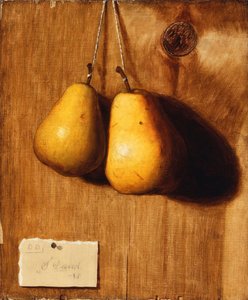
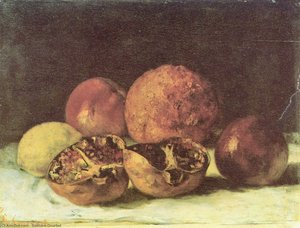
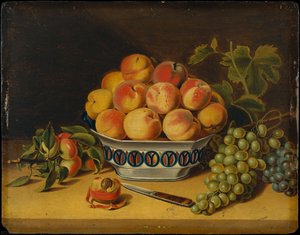
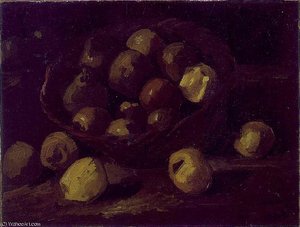
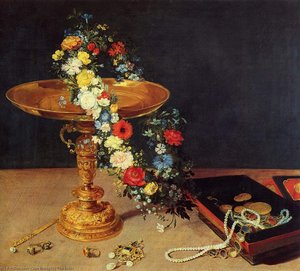
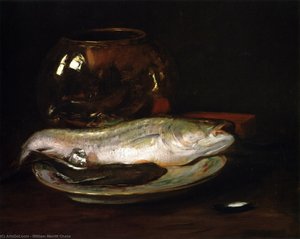
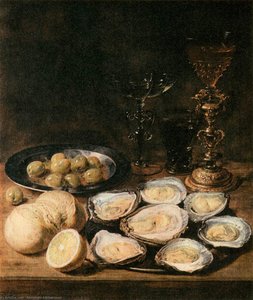
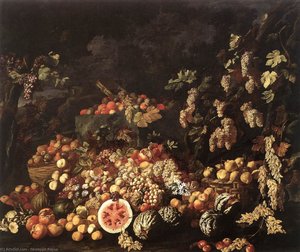
Biografija umetnika
A Master of Stillness: The Life and Art of John A. Woodside
John Archibald Woodside, a name perhaps less celebrated than some of his contemporaries, occupies a fascinating niche in the history of American art. Born in 1781, Woodside’s life unfolded during a period of burgeoning national identity and artistic exploration. While he achieved renown as Philadelphia's preeminent sign painter, to define him solely by this profession would be a disservice to his considerable talent and contribution to still life painting. He was not merely replicating forms; he was imbuing everyday objects with a quiet dignity and technical skill that resonated with the emerging aesthetic sensibilities of the young nation. The details surrounding Woodside’s early life remain somewhat elusive, but it is known that he quickly established himself as a highly sought-after craftsman in Philadelphia, a city then rapidly becoming a cultural hub.From Sign Painting to Fine Art: A Delicate Transition
Woodside's initial success stemmed from his exceptional abilities as a sign painter—a vital trade in the 19th century. However, he possessed an artistic ambition that extended beyond commercial applications. He began to apply his meticulous attention to detail and mastery of oil paint to still life compositions, drawing inspiration from the Dutch Golden Age masters. This was not simply imitation; Woodside adapted European techniques to American subjects and a distinctly American light. His paintings, such as “Still Life: Peaches and Grapes” and “Still Life: Peaches, Apple, and Pear,” are characterized by their delicate realism, dramatic lighting, and carefully arranged compositions. These works demonstrate his ability to elevate humble fruits into objects of beauty and contemplation. The influence of the Peale family, particularly Charles Willson Peale’s emphasis on accurate representation, is evident in Woodside's approach. He skillfully captured textures, colors, and forms with a precision that was rare for American artists of the time.The Height of His Career & Artistic Style
The decade between 1825 and 1835 marked the peak of Woodside’s artistic career. During this period, he produced some of his most celebrated still life paintings, often featuring peaches, grapes, apples, pears, and other seasonal fruits. He was lauded by William Dunlap, a prominent art historian, as a sign painter “with talent beyond many who paint in higher branches.” This recognition speaks to the exceptional quality of Woodside’s work and its ability to transcend the boundaries between craft and fine art. His style is often described as Baroque, with its emphasis on dramatic lighting, rich colors, and meticulous detail. However, it also possesses a uniquely American sensibility—a sense of restraint and simplicity that distinguishes it from its European counterparts. He wasn't interested in opulent displays; his focus was on the inherent beauty of the objects themselves.Legacy & Historical Significance
John A. Woodside’s contribution to American art lies not only in the quality of his paintings but also in his role as a bridge between European traditions and emerging American styles. He demonstrated that it was possible to create sophisticated, aesthetically compelling works within the context of a commercial practice. His influence can be seen in the work of later still life painters, who continued to explore themes of realism, light, and composition. While he may not have achieved the widespread fame of some of his contemporaries, Woodside’s paintings offer a valuable glimpse into the artistic landscape of 19th-century America. He was also father to Abraham Woodside, another artist who followed in his footsteps. Today, his works are held in prominent museum collections, including the Philadelphia Museum of Art and the Pennsylvania Academy of the Fine Arts, ensuring that his legacy continues to inspire and captivate audiences.- Notable Works: “Still Life: Peaches and Grapes”, “Still Life: Peaches, Apple, and Pear”, "Still Life with Rabbits".
- Influences: Dutch Golden Age Masters, Charles Willson Peale.
- Style: Baroque, American Realism.
Osnovne informacije
- Artistic Movement Or Style: Baroque still life
- Artists Who Influenced This Artist:
- Peale family
- Dutch Golden Age artists
- Date Of Death: Living
- Full Name: John Archibald Woodside
- Nationality: American
- Notable Artworks:
- Still Life: Peaches and Grapes
- Still Life: Peaches, Apple & Pear
- Still Life with Rabbits
Povezani članci

25 Remek-dela Džona Singera Sargenta: Portreti Elegancije i Svetlosti | ArtsDot
Uronite u svet Džona Singera Sargenta! Otkrijte 25 remek-dela impresionizma i realizma, od portreta Madame X do fascinantnih akvarela. Inspiracija za dekoraciju enterijera & luksuzne reprodukcije slika na ArtsDot.com.

25 Remek-dela Džona Konstebla: Lepota Engleske na Platnu | ArtsDot
Uronite u svet Džona Konstebla! Otkrijte 25 remek-dela engleskog pejzaža, romantizma i seoske idile. Kupite reprodukcije slika vrhunskog kvaliteta za dekoraciju enterijera na ArtsDot.com.
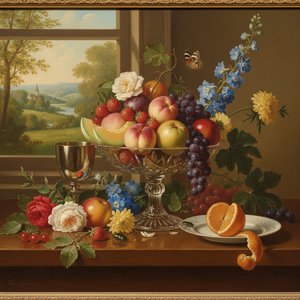
Severin Roesen: Evoking National Identity Through American Still Life Painting
Explore the captivating world of Severin Roesen, a major American still life painter influenced by Dutch masters. Discover his lush compositions and the symbolism within his art – a window into 19th-century America.
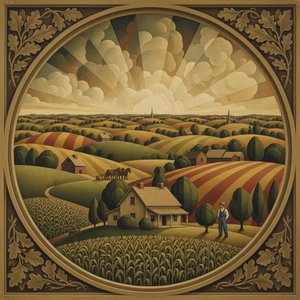
Grant Wood & American Regionalism: Identity, Myth & the Rural Landscape
Explore the world of Grant Wood & American Regionalism with ArtsDot. Discover the symbolism behind 'American Gothic', recurring themes, and the movement's lasting impact on art history. High-quality reproductions available.

John Frederick Kensett: Luminosity, Landscape & the American Identity
Explore the luminous landscapes of John Frederick Kensett, a master of Luminism and key figure in the Hudson River School. Discover his serene paintings & enduring legacy with ArtsDot.