

![[ibsamboul. Spéos De Phré] — John Beasley Greene](/media/artworks/images-full/1e/7a/1e7a35f7e440a996da8e08b0f857e1cc.jpg)
 Pošalji
 Podeli
 Detalji o delu

 Преузми
 Slični predmeti
 Slajdovi
[Ibsamboul. Spéos de Phré]
 Black and White Photography
- Photo
- Romanticism
 1854
1854- 19th Century
 23.0 x 30.0 cm
 J. Paul Getty Museum
 Pročitaj više
Ručno rađena uljana reprodukcija
Ručno oslikano uljanim bojama na platnu u dimenzijama i okviru po vašem izboru, izrađeno po porudžbini od strane naših umetnika. ( Kupi print Kupi digitalnu sliku)




































Izaberite jednu od naših unapred definisanih veličina koje odgovaraju originalnim proporcijama umetničkog dela.

Можете унети сопствене димензије како бисте прилагодили дело одређеном оквиру или простору. Ако одабрана величина не одговара пропорцијама оригинала, слика ће бити исечена или проширена додатним елементима који се ручно насликавају. Дигитални prikaz ће вам бити послат на одобрење пре почетка производње.
Имајте на уму да преглед на екрану не одражава стварно исецање или проширење. Само приказ (mockup) ће тачно приказати коначну композицију.
Иако су доступне прилагођене величине, препоручујемо да одаберете димензију из дефинисане листе како бисте сачували оригиналне пропорције.
Nakon narudžbine, tim ArtsDot.com će klijentu putem e-pošte poslati uputstva i dostaviti prikaz predloženog rešenja
Isporuka širom sveta () za 3/4 nedelje umesto uobičajenih 5 nedelja. (28 август). Bez kompromisa po pitanju kvaliteta.

Besplatna ekspresna dostava širom sveta

Visokokvalitetno laneno platno

Kompletno osiguranje transporta

Garancija povraćaja carine i uvoznih dažbina

Garancija vernosti boja

Politika povrata u roku od 60 dana (samo u slučaju nedostataka)

Garancija povrata novca od 100%

Popust pri grupnoj kupovini
 Opcija sa staklom dostupna je samo za dimenzije manje od 110 cm

[Ibsamboul. Spéos de Phré]
Tehnika reprodukcije
Dimenzije reprodukcije
-


Konačna cena
$ 263
The Enigmatic Face of Eternity: An Examination of John Beasley Greene’s “Ibsamboul”
“Ibsamboul,” formally known as The Colossus Medial (Buried) of the Speos of Phré Nubie, Palestine and Syria, stands as a testament to both John Beasley Greene's extraordinary photographic vision and the burgeoning fascination with Egyptology during the mid-nineteenth century. Executed in 1854, this monumental albumen print captures a breathtaking panorama of Gebel El Ummal – “The Mountain of Mourning” – a colossal sandstone massif dominating the Nubian landscape near Wadi Halfa. Greene’s ambition wasn't merely to document; he sought to immortalize the grandeur and mystery of ancient Egypt, employing a revolutionary technique that would forever alter the way artists approached visual representation.A Pioneer in Photogravure: Technique and Innovation
Greene’s mastery lay not only in his compositional prowess but also in his adoption of photogravure – a process pioneered by Gustave Le Gray himself. Unlike daguerreotypes, which produced unique images on silver plates, photogravure utilized a complex etching process to create multiple impressions from a single negative. This method allowed for unparalleled tonal range and detail, capturing the subtle nuances of light and shadow with remarkable accuracy. The resulting print exhibits an astonishing level of realism, faithfully reproducing the textures of sandstone, the hazy atmosphere of the desert, and the intricate carvings adorning the temple complex itself. Greene painstakingly prepared his negatives by carefully exposing them to sunlight, ensuring optimal illumination for the etching process – a meticulous undertaking reflecting the scientific rigor of the era.The Temple Complex: Symbolism and Narrative
The Speos of Phré is no ordinary ruin; it’s a temple dedicated to Sobek, the crocodile god revered in ancient Egyptian religion as protector of fertility and regeneration. Greene's photograph doesn’t simply depict the structure; it invites contemplation about its significance. The temple’s imposing scale symbolizes divine power and permanence, contrasting sharply with the ephemeral nature of human existence. The weathered sandstone surfaces bear witness to centuries of history, hinting at forgotten rituals and beliefs. Notably, the image captures a section of the temple's façade featuring several carved faces—a deliberate artistic choice intended to convey emotion and narrative. These faces gaze outwards, seemingly observing the vast expanse of the desert and inviting viewers to ponder the enduring legacy of Egyptian civilization.A Fleeting Legacy: Context and Influence
John Beasley Greene’s life was tragically cut short in 1856 at the age of twenty-four, leaving behind a remarkably productive output for his brief career. However, “Ibsamboul” quickly gained recognition within the artistic community and cemented Greene's place as one of the foremost practitioners of photogravure – a technique that would soon become synonymous with artistic excellence. His meticulous approach to photographic printing influenced subsequent generations of artists and solidified the belief that photography could serve as a conduit for conveying profound aesthetic and intellectual ideas. The photograph’s enduring appeal lies in its ability to transport viewers back to a pivotal moment in Egyptological exploration, reminding us of the transformative power of visual art to illuminate history and inspire wonder.Emotional Resonance: Capturing the Sublime
Ultimately, “Ibsamboul” transcends mere documentation; it embodies the Romantic ideal of the sublime – an experience characterized by awe and terror inspired by overwhelming grandeur. Greene’s masterful rendering of Gebel El Ummal evokes a feeling of insignificance in the face of geological time, prompting reflection on humanity's place within the cosmos. The photograph’s muted palette—dominated by earthy tones—contributes to this mood of solemn contemplation. More than just an image, “Ibsamboul” is a visual poem, capturing not only the physical beauty of Egypt but also its spiritual essence – a timeless masterpiece that continues to captivate audiences today.Srodna umetnička dela

Biografija umetnika
early life and background
john beasley greene, a french-born american egyptologist, left an indelible mark on the world of photography and archaeology despite his brief life (1832-1856). born in le havre, france, greene's work was a testament to his dual passions: the emerging technology of photography and the mystique of ancient egypt.photographic contributions
greene's adoption of the waxed paper negative process, learned from gustave le gray, marked the beginning of his photographic journey. his first expedition to egypt in 1854, following his father's passing in 1850, laid the groundwork for a series of groundbreaking publications. - **le nil : monuments, paysages, explorations photographiques** (lille, imprimerie photographique de blanquart-évrard, 1854) - a seminal work showcasing greene's photographic prowess. - **fouilles executées à thèbes dans l'année 1855** - further solidifying his position in the archaeological photography sphere.notable exhibitions and collections
- **signs and wonders: the photographs of john beasley greene** (san francisco museum of modern art, 31 august 2019 – 5 january 2020) - a testament to his enduring legacy. - **musée de l'élysée, lausanne**, **george eastman house**, **smithsonian american art museum**, and **art institute of chicago** - institutions holding greene's photographic archives.legacy and impact
greene's pioneering work in archaeological documentary photography, though often overlooked, has influenced generations of photographers and archaeologists. his brief yet impactful career serves as a reminder of the power of innovation and dedication.- explore more of greene's photographic contributions on ArtsDot, where you can also discover other notable artists like eugene petit.
- delve into the world of archaeological photography with musée national jean-jacques henner, featured on ArtsDot.
- learn more about greene's life and work on wikipedia.
conclusion
john beasley greene's life, though short, has left an indelible mark on the world of photography and archaeology. his pioneering work serves as a beacon for those interested in the intersection of technology, history, and art.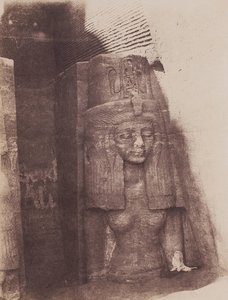
john beasley greene
1832 - 1856 , France
Osnovne informacije
- Artistic Movement Or Style: Impressionism, Realism
- Artists Or Movements Influenced By This Artist: ['Impressionists']
- Artists Who Influenced This Artist: ['Thomas Couture']
- Date Of Birth: January 23, 1832
- Date Of Death: April 30, 1883
- Full Name: Édouard Manet
- Nationality: French
- Notable Artworks:
- Le Déjeuner sur l'herbe
- Olympia
- A Bar at the Folies-Bergère
- Place Of Birth: Paris, France
Povezani članci

Bronze Sculptures That Defined Art History | ArtsDot
Journey through art history with our Top 10 bronze sculptures! Explore masterpieces by Rodin, Michelangelo & more. Discover stories behind iconic statues and find museum-quality reproductions for your home decor at ArtsDot.com.

The Enduring Form: Exploring Themes & Techniques in Sculpture Across Historical Periods
Explore the rich history of sculpture from ancient masterpieces to contemporary innovations. Discover key techniques, influential artists & investment potential for discerning art collectors.

Giclée Prints: Archival Quality & Aesthetic Nuances for the Discerning Collector
Explore the world of giclée prints with ArtsDot. Learn about archival quality, aesthetic nuances & investment potential. Expert guidance for discerning art collectors seeking museum-quality reproductions and lasting value.

Bronze Age to Modern Masters: 10 Sculptures That Redefined Art | ArtsDot
Journey through art history with 10 legendary bronze sculptures – from Michelangelo's David to Rodin’s Thinker. Explore the stories, techniques & timeless beauty of these masterpieces. Find museum-quality reproductions & elevate your home decor on ArtsDot.com.
The Enduring Form: Sculpture Across History, Technique & Emotional Resonance
Explore the rich history of sculpture with ArtsDot. Discover key techniques, influential artists & investment potential for discerning collectors. Expert insights into valuing and collecting timeless masterpieces.

