 Pregledaj u prostoru
 Pošalji
 Podeli
 Detalji o delu

 Преузми
 Slični predmeti
 Rendgenski snimak
 Slajdovi
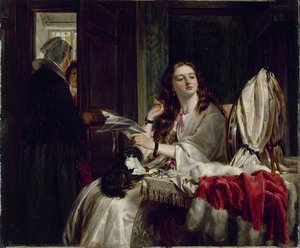
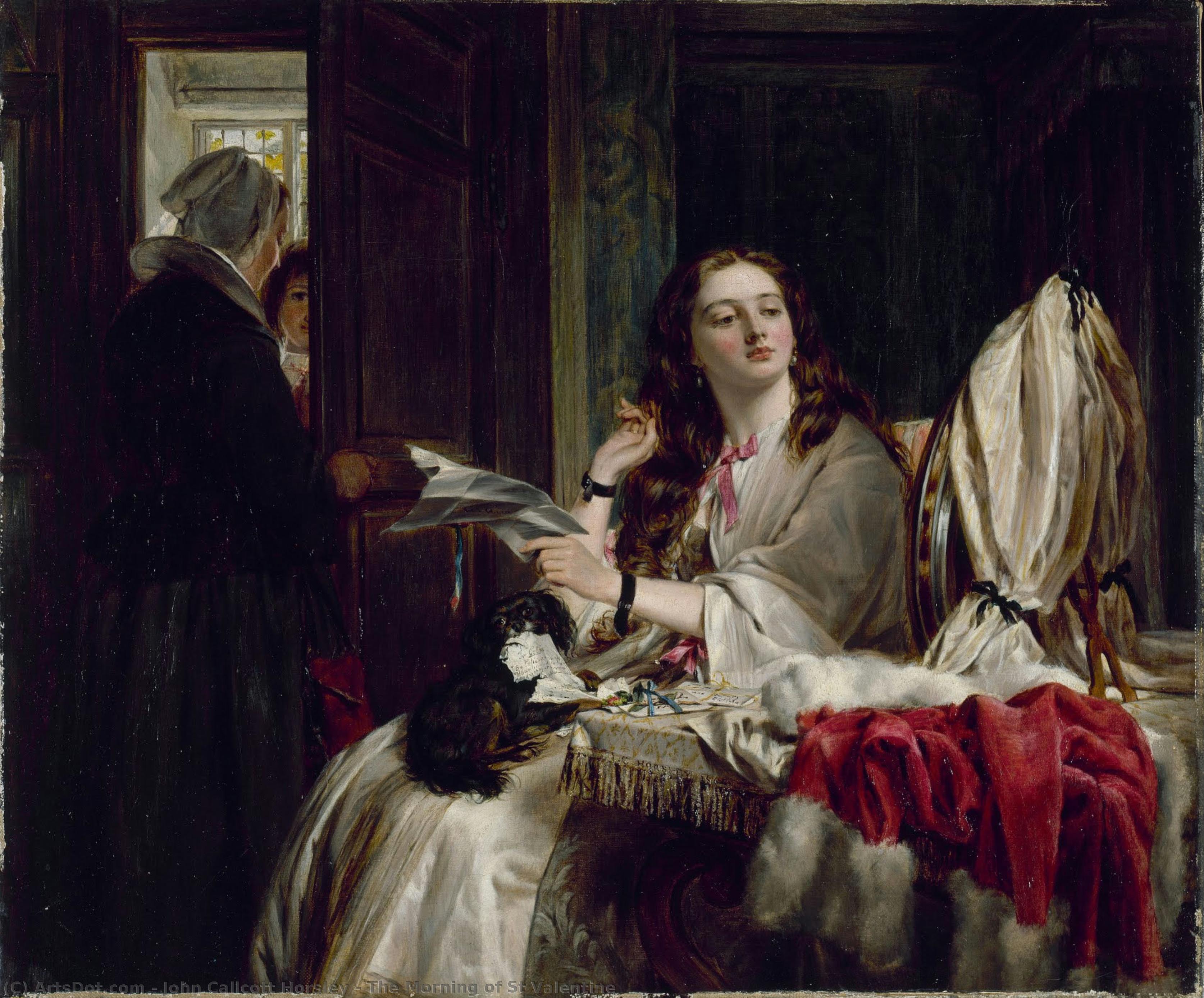
Јутро Светог Валентина
 Ulje na platnu
- Umetnost za zidove
- Romantic Painting
 1865
1865 458.0 x 383.0 cm
 Walker Art Gallery
 Pročitaj više
Ručno rađena uljana reprodukcija
Ručno oslikano uljanim bojama na platnu u dimenzijama i okviru po vašem izboru, izrađeno po porudžbini od strane naših umetnika. ( Kupi print Kupi digitalnu sliku)




P118B $10

P118H $10

P118W $10

P438Z $10

P508JH $12

P508YH $12

P805H $10

P805Z $10

P919BZ $10

P919G $10

P919XJ $10

P959ZH $10

P968JZ $12

W106C $8

W218G $10

W218JH $8

W218Y $10

W307PJ $10

W316G $10

W316PJ $8

W316Y $10

W398PJ $8

W4111J $10

W500HY $15

W500JH $15

W692G $12

W849H $8

W940BG $15

W953PJ $8




Izaberite jednu od naših unapred definisanih veličina koje odgovaraju originalnim proporcijama umetničkog dela.

Можете унети сопствене димензије како бисте прилагодили дело одређеном оквиру или простору. Ако одабрана величина не одговара пропорцијама оригинала, слика ће бити исечена или проширена додатним елементима који се ручно насликавају. Дигитални prikaz ће вам бити послат на одобрење пре почетка производње.
Имајте на уму да преглед на екрану не одражава стварно исецање или проширење. Само приказ (mockup) ће тачно приказати коначну композицију.
Иако су доступне прилагођене величине, препоручујемо да одаберете димензију из дефинисане листе како бисте сачували оригиналне пропорције.
Nakon narudžbine, tim ArtsDot.com će klijentu putem e-pošte poslati uputstva i dostaviti prikaz predloženog rešenja
Isporuka širom sveta () za 3/4 nedelje umesto uobičajenih 5 nedelja. (3 септембар). Bez kompromisa po pitanju kvaliteta.

Besplatna ekspresna dostava širom sveta

Visokokvalitetno laneno platno

Kompletno osiguranje transporta

Garancija povraćaja carine i uvoznih dažbina

Garancija vernosti boja

Politika povrata u roku od 60 dana (samo u slučaju nedostataka)

Garancija povrata novca od 100%

Popust pri grupnoj kupovini
 Opcija sa staklom dostupna je samo za dimenzije manje od 110 cm

Јутро Светог Валентина
Tehnika reprodukcije
Dimenzije reprodukcije
-


Konačna cena
$ 263
John Callcott Horsley’s “The Morning of St Valentine” – A Window Into Victorian Sentiment
“The Morning of St Valentine,” painted in 1865 by John Callcott Horsley, stands as a quintessential example of Victorian Romanticism—a genre characterized by idealized beauty, meticulous detail, and an exploration of domestic life imbued with subtle emotion. More than just a portrait, it’s a carefully constructed tableau that speaks volumes about societal expectations and the burgeoning fascination with psychological realism during the era. Horsley's masterful technique employed oil paints on canvas, utilizing a muted palette dominated by browns, creams, and pale greens—a deliberate choice reflecting the prevailing aesthetic sensibilities of the time. The artist meticulously rendered textures, capturing the sheen of polished surfaces like the mahogany table and the luxurious drapery, alongside the softness of hair and fabric. This painstaking attention to detail wasn’t merely decorative; it served to heighten the sense of atmosphere and immerse the viewer in a believable depiction of Victorian bourgeois comfort. The scene depicts a young woman seated at a table, illuminated by soft candlelight, absorbed in reading a newspaper while simultaneously contemplating a Valentine letter held delicately in her hand. Beside her sits a Pekinese dog, symbolizing fidelity and domestic tranquility—a common motif in Victorian art reflecting the importance placed on family values. A postboy delivers further mail, representing correspondence and social connection, adding to the narrative richness of the composition. Crucially, reflected in the mirror above the table is an image of herself, comparing her appearance with the idealized notions of beauty propagated by contemporary fashion magazines. This subtle gesture underscores the pressure faced by women to conform to societal standards of elegance and desirability. The painting’s symbolism extends beyond its immediate visual elements. The Valentine letter itself represents romantic affection—a cornerstone of Victorian courtship rituals. Horsley skillfully portrays this emotion not through overt expression but rather through nuanced gestures and glances, capturing a moment of quiet contemplation that speaks to the complexities of human relationships. Furthermore, the inclusion of the dog serves as a reminder of constancy and companionship – values deeply cherished within Victorian society. “The Morning of St Valentine” transcends its formal portraiture conventions; it’s an evocative snapshot of Victorian life—a testament to Horsley's ability to convey emotion through meticulous observation and artistic skill. It remains a captivating piece for collectors and interior designers alike, offering a glimpse into the aesthetic ideals and psychological concerns that defined a pivotal period in British art history.Srodna umetnička dela


Biografija umetnika
The Life and Legacy of John Callcott Horsley
Born in the vibrant heart of London in 1817, John Callcott Horsley emerged as a distinguished figure within the prestigious ranks of the Royal Academy. His life was a tapestry woven with both immense professional triumph and profound personal tragedy. The early years of his marriage to Elvira Walter were marked by the joys of fatherhood, yet they were shadowed by the devastating loss of his first three sons—Edward, Frank, and Harry—to scarlet fever in quick succession during the 1850s. This period of mourning eventually gave way to a second chapter of life when he married Rosamund Haden, daughter of the esteemed surgeon Charles Haden. Through this union, Horsley expanded his family once more, raising children who would go on to achieve their own greatness, including the renowned surgeon and neuropathologist Sir Victor Horsley.
Horsley’s professional journey was characterized by a relentless pursuit of excellence and a keen eye for social connection. Following his second marriage, he embarked on an ambitious tour of the English Midlands, spending months cultivating relationships with wealthy industrialists. This strategic movement allowed him to secure significant portrait commissions, cementing his status among the Victorian elite. In 1861, seeking a more tranquil environment for his creative endeavors, he moved into 'Willesley' in Cranbrook. This move placed him within the influential Cranbrook Colony, where he could balance his London obligations with a serene domestic life amidst the Jacobean charm of his new home.
Mastery of Genre and Historical Narrative
The artistry of Horsley is deeply rooted in the tradition of the Dutch Masters. He drew profound inspiration from the luminous light and intimate domesticity found in the works of Pieter de Hooch and Johannes Vermeer. This influence is palpable in his ability to transform ordinary scenes into extraordinary narratives, where every shadow and glint of light serves a storytelling purpose. His repertoire was largely focused on historical subjects, often set within the evocative atmospheres of the seventeenth and eighteenth centuries. Through these works, he breathed life into bygone eras, capturing the elegance, costume, and social nuances of the past.
His technical prowess allowed him to navigate various thematic landscapes with ease:
- Literary Interpretations: He famously brought characters from classic literature to life, such as his evocative depictions in "Malvolio" and "A Scene from Don Quixote."
- Royal Commendations: His talent earned him the highest levels of patronage, notably producing "L'Allegro and Il Penseroso" specifically for the Prince Consort.
- Atmospheric Genre Scenes: Works like "Le Jour des Morts" demonstrate his ability to handle somber, reflective themes with great sensitivity.
- Early Recognition: His burgeoning talent was recognized early by the collector John Sheepshanks, who acquired significant pieces such as "The Rival Performers" and "Youth and Age" in 1839.
Historical Significance and Cultural Impact
Beyond the canvas, John Callcott Horsley holds a unique place in the cultural history of Britain. While he is celebrated for his academic rigor and historical accuracy, he also holds a charming distinction in the annals of graphic design: he is credited with designing the very first Christmas card. This small but enduring contribution speaks to his versatility as an artist and his ability to touch the lives of the public through accessible, beautiful imagery.
Throughout his long career, which spanned until his death in 1903, Horsley remained a steadfast member of the Royal Academy. His work stood as a bulwark for traditional values during a period of rapid Victorian change. While he was known to hold firm stances against certain contemporary trends, such as the rise of nude art in academic circles, his commitment to narrative clarity and technical perfection ensured that his legacy would endure. Today, his paintings remain vital windows into the Victorian soul, reflecting a period of immense transition, refined taste, and an enduring reverence for the masters of the past.
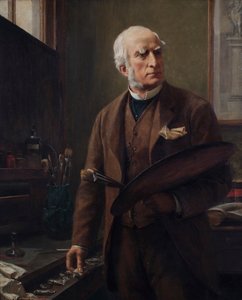
john callcott horsley
1817 - 1903 , United Kingdom
Osnovne informacije
- Artistic Movement Or Style: Victorian genre and historical painting
- Artists Who Influenced This Artist:
- Pieter de Hooch
- Johannes Vermeer
- Date Of Birth: 1817
- Date Of Death: 1903
- Full Name: John Callcott Horsley
- Notable Artworks:
- Malvolio
- L'allegro and Il Penseroso
- Le Jour des Morts
- A Scene from Don Quixote
- The Rival Performers
- Youth and Age
- Place Of Birth: London, United Kingdom
Povezani članci
Romantic Realism's Finest: 10 Masterpieces for Your Home | ArtsDot
Explore 10 defining masterpieces of Romantic Realism! Discover Courbet, Millet & Daumier's powerful paintings—capturing emotion and social realities. Find museum-quality reproductions for your home at ArtsDot.com.
Henry William Pickersgill: Narrative, Reform & the Victorian Domestic Interior
Explore the life & work of Henry William Pickersgill, a leading Victorian portrait artist. Discover his narrative style, realistic depictions of society, and lasting influence on British art history. Fine art reproductions available at ArtsDot.
Thomas Edwin Mostyn: A Victorian Genre Painter's Journey from Realism to Romantic Enchantment
Discover the captivating world of Thomas Edwin Mostyn (1864-1930), a Victorian artist renowned for his romantic garden scenes and evocative portraits. Explore his artistic journey, legacy & find high-quality reproductions at ArtsDot.
Dante Gabriel Rossetti: 25 Remek-dela Pre-Raphaelita i Inspiracija za Vaš Dom
Istražite 25 remek-dela Dante Gabriel Rossettija, ikone Pre-Raphaelita! Otkrijte priče iza slika, simbolizam i inspiraciju za vaš dom. Kvalitetne reprodukcije na ArtsDot.com.
Robert Lillie: A Study in Victorian Genre Painting and Domestic Narrative
Explore the captivating Victorian genre paintings of Robert Lillie (1867-1949). Discover his serene Scottish landscapes and intimate domestic scenes, reflecting a unique artistic vision. Learn about his life, style & legacy.