

 Pregledaj u prostoru
 Pošalji
 Podeli
 Detalji o delu

 Преузми
 Slični predmeti
 Rendgenski snimak
 Slajdovi
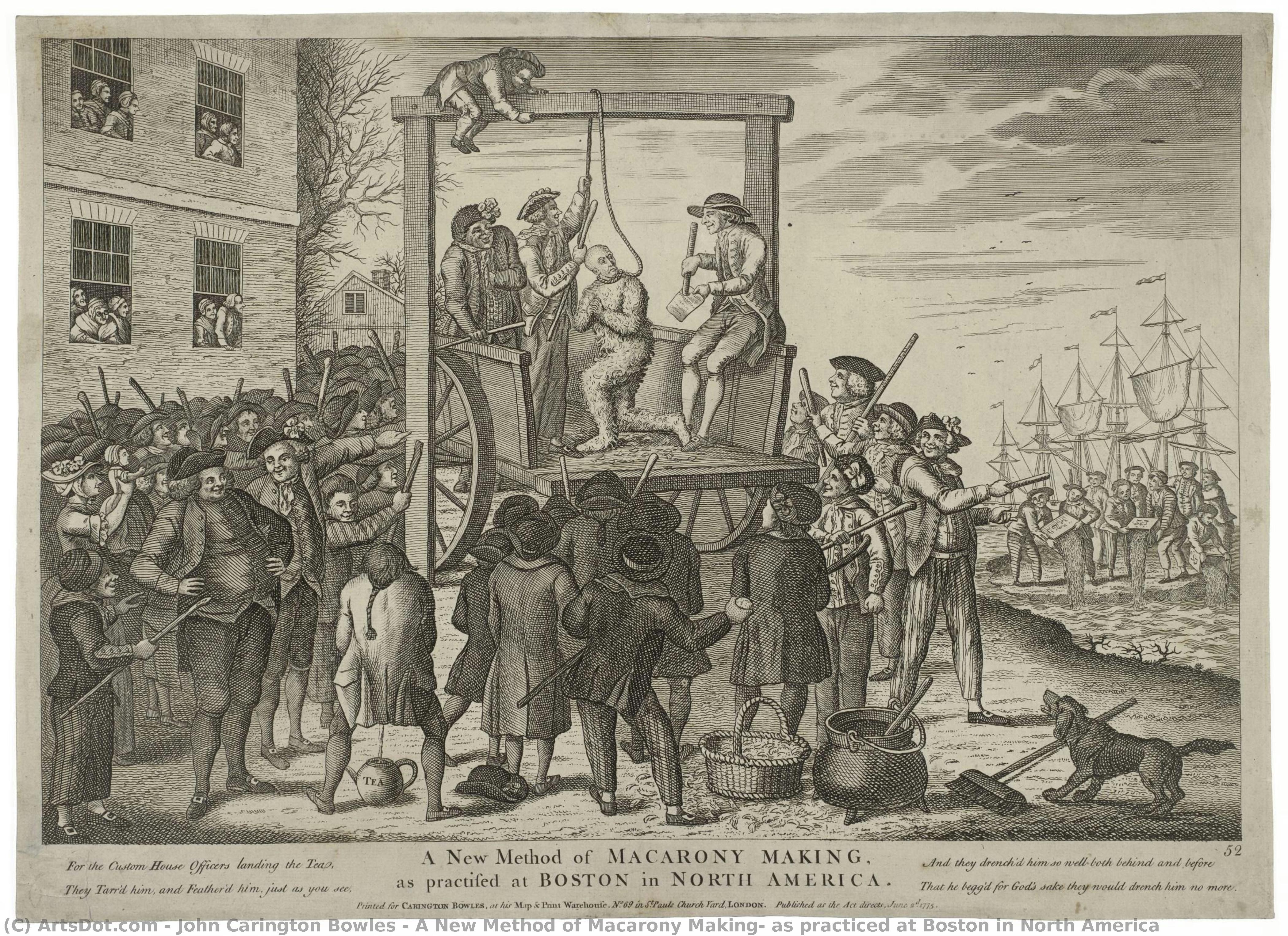
A New Method of Macarony Making, as practiced at Boston in North America
 52.0 x 38.0 cm
 Pročitaj više
Kupite digitalnu sliku visoke rezolucije i poboljšanog kvaliteta, koja je znatno superiornija od onoga što vidite u online prikazu.
Svaka datoteka je pedantno pripremljena od strane naših stručnjaka koristeći napredne alate i profesionalnu ručnu retušu. Osiguravamo da svaka slika ima izuzetnu oštrinu, preciznu reprodukciju boja i fine detalje.
Konačna datoteka se dostavlja putem e-pošte u roku od 72 sata, optimizovana za neposrednu upotrebu u profesionalnim, izdavačkim i štamparskim okruženjima. To je isti kvalitet kojem veruju vrhunski studiji dizajna, izdavači i galerije.
Digitalna slika
Preuzmite datoteku visoke rezolucije za ličnu upotrebu, štampanje i kreativne projekte. ( Kupi print Kupi ručno naslikanu sliku)
Uključeno uz svaku porudžbinu digitalne slike
Profesionalna digitalna isporuka, zagarantovana
Kada odaberete ArtsDot.com, ne dobijate samo sliku – vi primate profesionalno unapređeno digitalno umetničko delo, izrađeno sa najvećom preciznošću i uz garanciju zadovoljstva. Evo svega što automatski dolazi uz vašu porudžbinu:

Brza dostava putem e-pošte
Vaša digitalna slika visoke rezolucije biće vam poslata putem e-pošte u roku od 72 sata od poručivanja – spremna za trenutnu upotrebu.

Digitalna datoteka unapređena veštačkom inteligencijom
Vaše umetničko delo je profesionalno optimizovano korišćenjem naprednih AI alata i ručne obrade, čime se osiguravaju maksimalni detalji, oštrina i preciznost boja.

Besplatna ponovna isporuka doživotno
Slučajno ste obrisali ili izgubili svoju datoteku? Ne brinite – poslaćemo vam je ponovo u bilo kom trenutku, potpuno besplatno.

Bez troškova uvoza – zauvek
Uživajte u svojim umetničkim delima trenutno, bez carine, dažbina ili troškova dostave – digitalni download je uvek bez poreza.

Garancija vernosti boja
Uz pomoć profesionalnih alata i upravljanja bojama, osiguravamo da vaša digitalna slika što vernije odražava originalne boje.

Garancija zadovoljstva u roku od 100 dana
Ako niste zadovoljni svojom digitalnom slikom, revidirat ćemo je ili vratiti 100% novca u roku od 100 dana – bez ikakvih pitanja.

100% garancija povrata novca
Niste zadovoljni? Obezbedite pun povrat novca u roku od 100 dana od trenutka kada ste primili svoju digitalnu datoteku – bez suvišnih pitanja.

Popusti na velike porudžbine
Kupite 3 slike, uštedite 10% - Kupite 5 slika, uštedite 15% - Kupite 10+ slika, uštedite 20%. Odlično za kreativne projekte, galerije i agencije.
Srodna umetnička dela



Biografija umetnika
George Stubbs: The Anatomist of Horses
George Stubbs, born in Liverpool on August 25th, 1724, stands as a singular figure in the history of British art – a painter who transcended mere representation to achieve an almost visceral understanding and depiction of the animal world. His life story is one of largely self-taught mastery, driven by an insatiable curiosity about anatomy and a profound love for horses, culminating in works that continue to captivate viewers centuries later. Unlike many artists of his time, Stubbs wasn’t groomed within established artistic circles; instead, he meticulously honed his skills through independent study and relentless observation, forging a unique path that set him apart.
Early life offered little indication of the artist he would become. Initially, Stubbs followed in his father's footsteps, working as a currier – a leatherworker – until the age of sixteen. However, a pivotal decision to pursue painting irrevocably altered the course of his life. He sought guidance from Hamlet Winstanley, an engraver and painter residing in York, but their relationship proved short-lived due to differing artistic philosophies. This early period, marked by relative obscurity and independent learning, laid the foundation for Stubbs’s distinctive style – a blend of scientific accuracy and dramatic intensity.
The Pursuit of Anatomical Knowledge
Stubbs's most defining characteristic was his profound understanding of animal anatomy. This wasn’t merely an academic interest; it fueled a relentless drive to depict horses with unparalleled realism, capturing not just their physical form but also the very essence of their movement and power. He began dissecting animals at the County Hospital in York, a practice considered unconventional for an artist at the time, driven by his desire to understand the underlying structure that informed their appearance. This dedication resulted in *The Anatomy of the Horse* (1762), a monumental work that combined detailed anatomical illustrations with striking depictions of horses, establishing him as a pioneer in scientific art.
His meticulous study extended beyond dissection; Stubbs spent considerable time observing horses in various settings – stables, racecourses, and even in the wild. He meticulously documented his findings, creating numerous drawings and studies that informed his paintings. This commitment to anatomical accuracy is evident throughout his oeuvre, particularly in works like *A Lion Attacking a Horse* (Whistlejacket), a dramatic composition that showcases his mastery of form and movement. The painting’s genesis – reportedly inspired by witnessing a lion attacking a horse in Morocco – highlights Stubbs's ability to transform personal observation into powerful artistic expression.
Romanticism and Dramatic Composition
While initially categorized as a sporting painter, Stubbs’s work gradually evolved to encompass the burgeoning Romantic movement. His paintings of horses, particularly those depicting them engaged in dramatic action – such as *A Lion Attacking a Horse* – captured the spirit of this era with their emphasis on emotion, dynamism, and the sublime. The composition of these works is carefully orchestrated, utilizing strong diagonals, dramatic lighting, and a sense of scale to convey both the power of the animal and the grandeur of its surroundings.
Stubbs’s influence extended beyond individual paintings; he helped establish a new standard for equestrian art, influencing generations of artists who followed. His ability to infuse his subjects with life and energy – capturing not just their appearance but also their spirit – cemented his legacy as one of the greatest animal painters in history. His work demonstrated that painting could be both scientifically rigorous and profoundly moving.
Royal Patronage and Later Years
Stubbs’s talent eventually gained recognition, attracting the patronage of several prominent figures, including King George III. He was granted membership to the Royal Academy in 1768, though he never fully embraced its formal structure. Despite his success, Stubbs faced financial difficulties towards the end of his life, largely due to his ambitious projects, such as his experiments with enamel painting on earthenware panels.
Even in his later years, Stubbs continued to produce remarkable works, culminating in *Hambletonian, Rubbing Down* (1799), a monumental depiction of the champion racehorse. This painting, characterized by its dramatic lighting and intense emotionality, stands as a testament to Stubbs’s enduring artistic vision. George Stubbs died on July 10th, 1806, leaving behind a body of work that continues to inspire awe and admiration.
Legacy and Influence
George Stubbs's impact on the art world is undeniable. His meticulous anatomical studies revolutionized the depiction of horses in painting, establishing a new standard for realism and dynamism. His influence can be seen in the works of later artists, including Jean-Léon Gérôme and Albert Dürer. Beyond his technical skill, Stubbs’s paintings possess a profound emotional resonance – capturing not just the physical form of the animal but also its spirit and power. He remains a pivotal figure in British art history, celebrated for his unique vision, unwavering dedication, and enduring legacy as “the anatomist of horses.”

john carington bowles
1724 - 1793 , United Kingdom
Kratke činjenice
- Artistic Movement Or Style: Romanticism, Animal Painting
- Artists Or Movements Influenced By This Artist: ['Romanticism']
- Artists Who Influenced This Artist:
- Joshua Reynolds
- Thomas Gainsborough
- Date Of Birth: 25 Aug 1724
- Date Of Death: 10 July 1806
- Full Name: George Stubbs
- Nationality: English
- Notable Artworks:
- A Lion Attacking a Horse
- Whistlejacket
- Place Of Birth: Liverpool, England