

 Pregledaj u prostoru
 Pošalji
 Podeli
 Detalji o delu

 Преузми
 Slični predmeti
 Rendgenski snimak
 Slajdovi
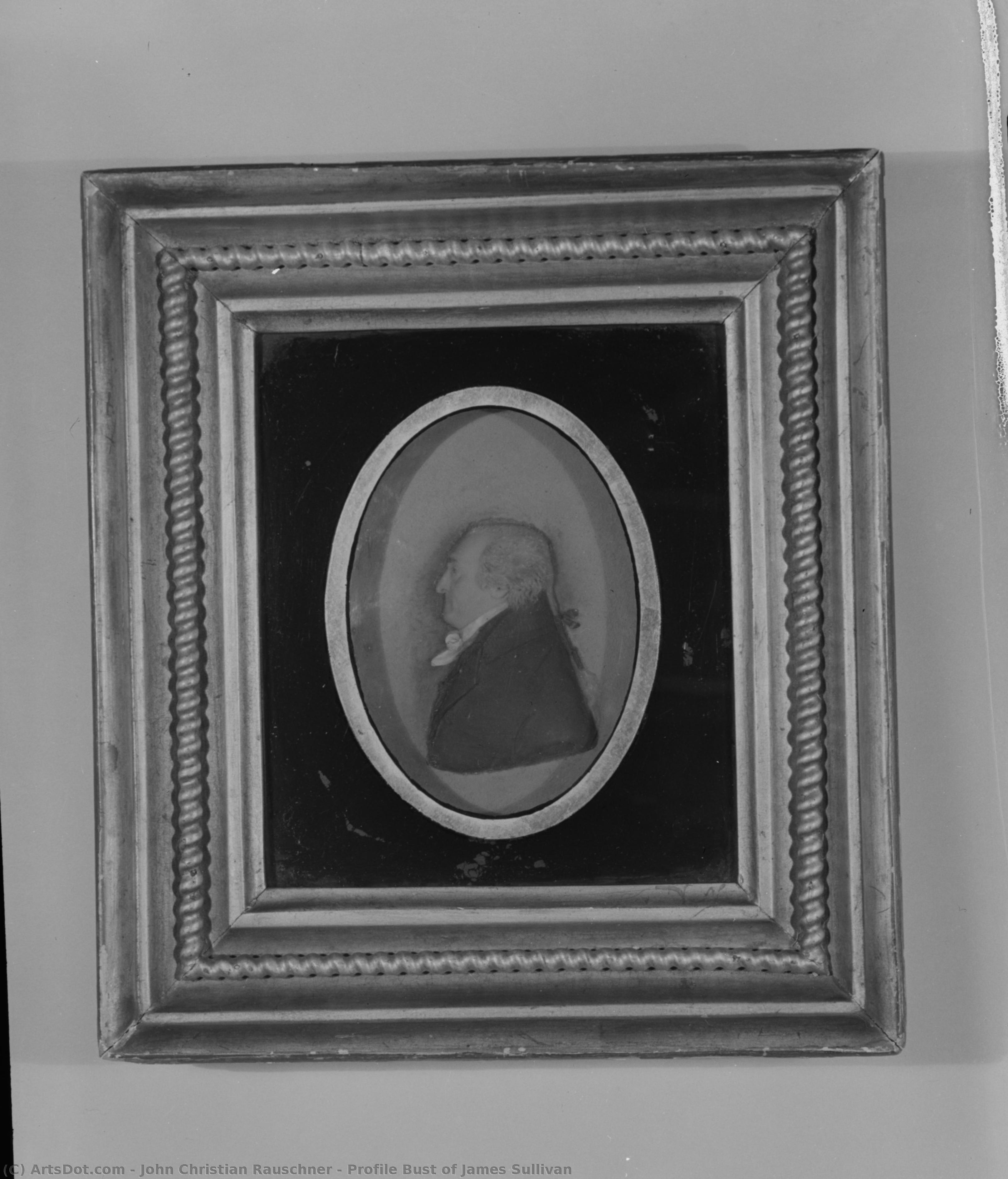
Profile Bust of James Sullivan


 Pročitaj više
Kupite digitalnu sliku visoke rezolucije i poboljšanog kvaliteta, koja je znatno superiornija od onoga što vidite u online prikazu.
Svaka datoteka je pedantno pripremljena od strane naših stručnjaka koristeći napredne alate i profesionalnu ručnu retušu. Osiguravamo da svaka slika ima izuzetnu oštrinu, preciznu reprodukciju boja i fine detalje.
Konačna datoteka se dostavlja putem e-pošte u roku od 72 sata, optimizovana za neposrednu upotrebu u profesionalnim, izdavačkim i štamparskim okruženjima. To je isti kvalitet kojem veruju vrhunski studiji dizajna, izdavači i galerije.
Digitalna slika
Preuzmite datoteku visoke rezolucije za ličnu upotrebu, štampanje i kreativne projekte. ( Kupi print Kupi ručno naslikanu sliku)
Uključeno uz svaku porudžbinu digitalne slike
Profesionalna digitalna isporuka, zagarantovana
Kada odaberete ArtsDot.com, ne dobijate samo sliku – vi primate profesionalno unapređeno digitalno umetničko delo, izrađeno sa najvećom preciznošću i uz garanciju zadovoljstva. Evo svega što automatski dolazi uz vašu porudžbinu:

Brza dostava putem e-pošte
Vaša digitalna slika visoke rezolucije biće vam poslata putem e-pošte u roku od 72 sata od poručivanja – spremna za trenutnu upotrebu.

Digitalna datoteka unapređena veštačkom inteligencijom
Vaše umetničko delo je profesionalno optimizovano korišćenjem naprednih AI alata i ručne obrade, čime se osiguravaju maksimalni detalji, oštrina i preciznost boja.

Besplatna ponovna isporuka doživotno
Slučajno ste obrisali ili izgubili svoju datoteku? Ne brinite – poslaćemo vam je ponovo u bilo kom trenutku, potpuno besplatno.

Bez troškova uvoza – zauvek
Uživajte u svojim umetničkim delima trenutno, bez carine, dažbina ili troškova dostave – digitalni download je uvek bez poreza.

Garancija vernosti boja
Uz pomoć profesionalnih alata i upravljanja bojama, osiguravamo da vaša digitalna slika što vernije odražava originalne boje.

Garancija zadovoljstva od 100 dana
Ako niste zadovoljni svojom digitalnom slikom, izvršićemo reviziju ili ćemo vam vratiti 100% novca u roku od 100 dana – bez ikakvih pitanja.

100% garancija povrata novca
Niste zadovoljni? Dobijte puni povraćaj novca u roku od 100 dana od prijema digitalne datoteke – bez suvišnih pitanja.

Popusti na velike porudžbine
Kupite 3 slike, uštedite 10% - Kupite 5 slika, uštedite 15% - Kupite 10+ slika, uštedite 20%. Odlično za kreativne projekte, galerije i agencije.
A Portrait of Dignified Reserve: John Christian Rauschner’s Profile of James Sullivan
Within the confines of an ornate, dark frame resides a captivating study in restraint and subtle power – John Christian Rauschner's "Profile Bust of James Sullivan," painted circa 1809. This miniature portrait, rendered with meticulous detail and a masterful command of light and shadow, transcends mere likeness to become a poignant meditation on status, formality, and the quiet dignity of a man defined by his position within early American society. The piece, measuring just 27 x 24 centimeters, belies its diminutive size with an arresting presence, inviting viewers into a world of powdered wigs, formal attire, and the weighty responsibilities of public service.
Rauschner, a German artist who established a significant career in the United States during the early 19th century, specialized in wax portrait miniatures – a technique that allowed for an astonishing level of realism and detail. His work reflects the prevailing neoclassical style of the era, characterized by its emphasis on clarity, order, and idealized forms. The choice of profile view is particularly significant; it avoids the potential for overt emotional expression, instead focusing on conveying Sullivan’s character through carefully observed features – the set of his jaw, the slight furrow of his brow, the subtle curve of his lips. This deliberate restraint speaks volumes about the societal expectations placed upon individuals in positions of authority during this period.
The Language of Line and Shadow: Technique and Craftsmanship
The execution of "Profile Bust of James Sullivan" is a testament to Rauschner’s technical skill. The artist employs a sophisticated layering technique, utilizing fine lines – meticulously drawn with crayon or chalk—to define the contours of Sullivan's face and clothing. Hatching and cross-hatching are strategically deployed to create nuanced shading and volume, particularly around the neck and jawline, lending a remarkable sense of three-dimensionality to what is essentially a two-dimensional image. The smooth texture achieved across the skin and fabric suggests a deliberate effort to mimic the appearance of wax, further emphasizing Rauschner’s chosen medium. The overall effect is one of controlled precision, reflecting both the artist's mastery and the formality demanded by the subject matter.
Symbolism and Context: A Portrait of Power
Beyond its technical brilliance, "Profile Bust of James Sullivan" carries a wealth of symbolic meaning rooted in the context of early American governance. The portrait depicts James Sullivan, a Judge of Probate for Suffolk County, a position that demanded both legal acumen and social standing. His attire – likely a formal coat and waistcoat—underscores his elevated status within the community. The oval frame itself can be interpreted as a symbol of completeness or eternity, framing the subject as an enduring figure of authority. The inclusion of Sullivan’s name on the reverse of the frame further solidifies this impression, transforming the portrait into a commemorative piece intended to honor and preserve his legacy.
A Window into the Past: Research and Legacy
Further research reveals that Rauschner's work is held in prestigious institutions including the Metropolitan Museum of Art, the Albany Institute of History & Art, and the American Antiquarian Society. The Met’s record details Sullivan’s life as a Judge of Probate, highlighting his role in upholding legal standards within Boston during the late 18th and early 19th centuries. The artist's extensive travels throughout the United States – documented by institutions like the Peabody Essex Museum – demonstrate his commitment to capturing the likenesses of prominent figures across the burgeoning nation. The piece stands as a valuable artifact, offering a glimpse into the social fabric and artistic practices of a pivotal era in American history.
Srodna umetnička dela

Biografija umetnika
A Transient Likeness: The Life and Art of John Christian Rauschner
Born in Frankfurt, Germany around 1760, John Christian Rauschner emerged as a fascinating figure in the landscape of early American portraiture. He wasn’t a painter capturing fleeting moments on canvas, but a sculptor working with the delicate medium of wax – an art form that offered an uncanny immediacy and intimacy. While his origins lie steeped in the traditions of European *Modelleurs* and *Stuccateurs*, Rauschner's artistic journey took him across the Atlantic to a burgeoning nation eager to document its prominent citizens, and he became a peripatetic artist traveling extensively throughout the eastern seaboard. His name appears in historical records under various spellings – Rauchner, Rauschner, C. Rauschner – hinting at the transient nature of his practice and perhaps even a deliberate attempt to remain somewhat elusive.From European Workshops to American Parlors
Details regarding Rauschner’s early life and training remain scarce, but it is known that he followed in the footsteps of his father, Christian Benjamin Rauschner, a skilled artisan in Frankfurt. By 1799, Rauschner had established himself in New York City as a “wax artist,” a profession that quickly gained traction among those seeking affordable and remarkably lifelike representations of themselves and their loved ones. Unlike oil painting, which required significant time and expense, wax portraiture offered a quicker turnaround and a more accessible price point. This allowed Rauschner to cultivate a broad clientele, moving beyond the elite circles typically served by traditional portraitists. He wasn’t confined to a studio; instead, he embarked on journeys – Boston, Philadelphia, Hartford, Plymouth – offering his services directly to families in their homes. This itinerant lifestyle was characteristic of many artists of the period, but Rauschner's chosen medium added a unique dimension to his travels. Each portrait became a temporary fixture in a household before finding its way into another collection, contributing to the dispersal of his work across numerous institutions and private holdings today.The Art of Wax: Technique and Aesthetic
Rauschner’s skill lay not merely in replicating physical features but in imbuing his wax portraits with a sense of personality and vitality. The process itself was demanding, requiring meticulous attention to detail and a mastery of color blending. He employed colored wax, carefully layering tones to achieve subtle gradations of skin tone and capturing the nuances of expression. His works weren’t simply busts; they were miniature scenes, often incorporating elements of fashion and domestic life that spoke volumes about the sitter's status and character. The inclusion of details like pearls in a woman’s hair or a pet rabbit held by a child demonstrates his keen eye for symbolism and narrative detail. He frequently worked from life, capturing the essence of his subjects with remarkable precision. His portraits are not grand statements but intimate glimpses into the lives of ordinary people – merchants, governors, families – offering a valuable window into the social fabric of early America.A Legacy in Miniature: Collections and Historical Significance
The enduring appeal of Rauschner’s work lies in its ability to connect us with the past on a deeply personal level. His portraits are held in prestigious institutions across the United States, including The Metropolitan Museum of Art, the White House collection, the Bostonian Society, and numerous historical societies and museums. These collections represent not only artistic merit but also a significant record of early American life. While he may not have achieved the widespread fame of his painted contemporaries, Rauschner’s contribution to portraiture is undeniable. He democratized the art of likeness, making it accessible to a wider audience and leaving behind a legacy of miniature masterpieces that continue to captivate and intrigue. His work provides invaluable insights into the fashions, social customs, and individual personalities of a nation in formation. The fact that his son, Henry Rauschner, also practiced wax portraiture suggests a continuation of this unique artistic tradition within the family, further solidifying their place in American art history.Further Exploration
- Albany Institute of History & Art: Houses examples of Rauschner’s work.
- American Antiquarian Society: Contains wax portraits created by the artist.
- Metropolitan Museum of Art: Features several notable Rauschner portraits, including “Father, Mother, and Child in a Park” and “Profile Bust of James Sullivan.”
- The Spectator (NY), 1803: Offers an anecdote about Rauschner and his waxworks.
- Ethel Stanwood Bolton’s *American Wax Portraits* (1929): A key resource for understanding the history of wax portraiture in America.
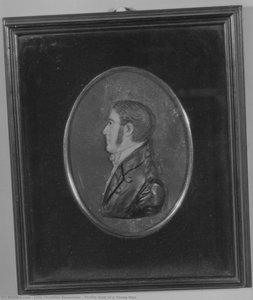
john christian rauschner
1760 - , Germany
Kratke činjenice
- Artistic Movement Or Style: Wax portrait miniatures
- Date Of Birth: 1760
- Full Name: John Christian Rauschner
- Nationality: German
- Notable Artworks:
- Father, Mother, and Child in a Park
- Profile Bust of James Sullivan
- Profile Bust of Thomas Fessenden
- Place Of Birth: Frankfurt, Germany