

 Pregledaj u prostoru
 Pošalji
 Podeli
 Detalji o delu

 Преузми
 Slični predmeti
 Rendgenski snimak
 Slajdovi
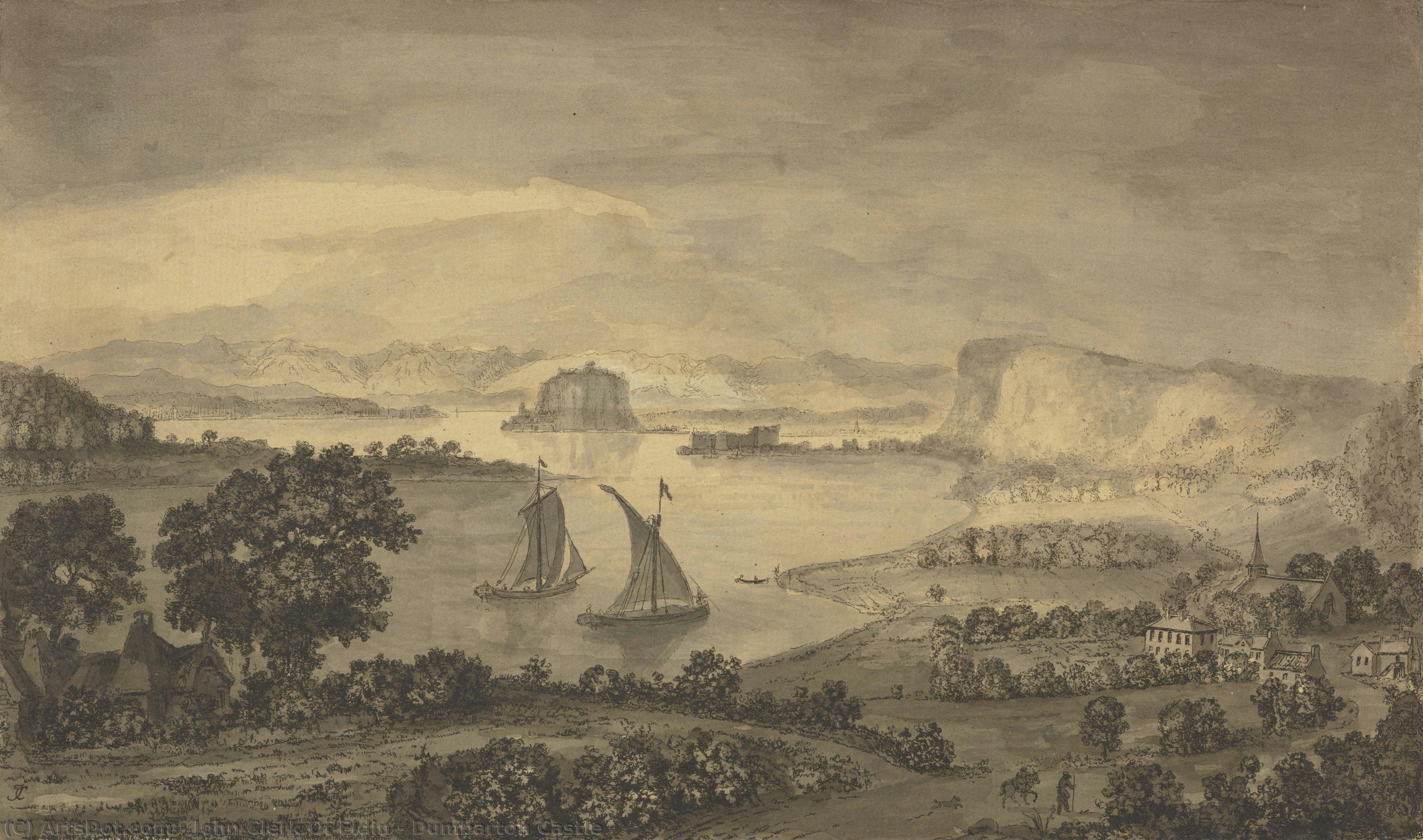
Dumbarton Castle


 Pročitaj više
Ručno rađena uljana reprodukcija
Ručno oslikano uljanim bojama na platnu u dimenzijama i okviru po vašem izboru, izrađeno po porudžbini od strane naših umetnika. ( Kupi print Kupi digitalnu sliku)




































Izaberite jednu od naših unapred definisanih veličina koje odgovaraju originalnim proporcijama umetničkog dela.

Можете унети сопствене димензије како бисте прилагодили дело одређеном оквиру или простору. Ако одабрана величина не одговара пропорцијама оригинала, слика ће бити исечена или проширена додатним елементима који се ручно насликавају. Дигитални prikaz ће вам бити послат на одобрење пре почетка производње.
Имајте на уму да преглед на екрану не одражава стварно исецање или проширење. Само приказ (mockup) ће тачно приказати коначну композицију.
Иако су доступне прилагођене величине, препоручујемо да одаберете димензију из дефинисане листе како бисте сачували оригиналне пропорције.
Nakon narudžbine, tim ArtsDot.com će klijentu putem e-pošte poslati uputstva i dostaviti prikaz predloženog rešenja
Isporuka širom sveta () za 3/4 nedelje umesto uobičajenih 5 nedelja. (1 септембар). Bez kompromisa po pitanju kvaliteta.

Besplatna ekspresna dostava širom sveta

Visokokvalitetno laneno platno

Kompletno osiguranje transporta

Garancija povraćaja carine i uvoznih dažbina

Garancija vernosti boja

Politika povrata u roku od 60 dana (samo u slučaju nedostataka)

Garancija povrata novca od 100%

Popust pri grupnoj kupovini
 Opcija sa staklom dostupna je samo za dimenzije manje od 110 cm

Dumbarton Castle
Tehnika reprodukcije
Dimenzije reprodukcije
-


Konačna cena
$ 263
Srodna umetnička dela










Biografija umetnika
Anton Raphael Mengs: The Architect of Neoclassicism
Anton Raphael Mengs, a name often whispered in the halls of art history, stands as a pivotal figure in the transition from the opulent Baroque to the refined ideals of Neoclassicism. Born in 1728 in Ústí nad Labem, Bohemia – now part of the Czech Republic – his life was marked by both privilege and circumstance, ultimately shaping him into one of Europe’s foremost artists of his time. His story is not merely that of a painter; it's a tale interwoven with family secrets, artistic mentorships, and a profound engagement with the rediscovered glories of ancient Rome. Mengs didn’t simply paint; he actively sought to revive classical principles, establishing a theoretical framework for his art and profoundly influencing generations of artists who followed.Early Life and Artistic Foundations
Mengs's origins were far from conventional. His birth was the result of an illicit affair between his father, Ismael Mengs – a Danish-born painter serving the court of Saxony – and Charlotte Bormann, the family housekeeper. To conceal this illegitimate lineage, Ismael relocated his family to Rome in 1741, where he diligently copied miniature versions of Raphael’s frescoes for the Elector of Saxony, intended as decorative elements for Dresden. This early exposure to Raphael's work proved transformative, instilling in young Anton a deep reverence for the master and a desire to emulate his compositional clarity and harmonious balance. His older sister, Therese Concordia Maron, also pursued a career in art, further enriching their family’s artistic environment. The move to Rome provided Mengs with access to the vibrant artistic community of the city, allowing him to study under renowned artists and immerse himself in the classical ideals that would later define his style.Rome and the Rise of Neoclassicism
Upon arriving in Rome, Mengs quickly established himself as a promising young artist. He honed his skills through diligent observation of ancient sculpture, meticulously studying its forms, proportions, and expressive qualities. This dedication to classical antiquity became the cornerstone of his artistic philosophy. He married Margarita Guazzi, a model who also possessed an appreciation for art, and together they formed a creative partnership that fueled his artistic development. Mengs’s early works, particularly portraits, showcased a burgeoning talent for capturing likeness with remarkable accuracy and a subtle elegance. However, it was his ambitious fresco *Parnassus*, completed in 1761 for the Villa Albani, that truly cemented his reputation as a leading figure in the nascent Neoclassical movement. This monumental work, depicting Apollo and the Muses amidst the ruins of Parnassus, demonstrated Mengs’s mastery of composition, color, and illusionistic technique – all firmly rooted in classical principles. The fresco generated considerable excitement within artistic circles, establishing Neoclassicism as a viable alternative to the prevailing Rococo style.Influence and Legacy
Mengs's influence extended far beyond his own paintings. He was a passionate advocate for classical learning and art theory, actively promoting the study of ancient sculpture and architecture. His writings, particularly *Istitutioni poetiche* (1763), were instrumental in shaping the theoretical foundations of Neoclassicism, arguing for a return to the ideals of Greek and Roman art as models for contemporary artistic practice. He corresponded extensively with other prominent intellectuals of his time, most notably Johann Joachim Winckelmann, whose theories on ancient Greek art profoundly influenced Mengs’s own aesthetic sensibilities. Winckelmann, in turn, championed Mengs's work, helping to elevate his status and solidify his position as a leading voice in the Neoclassical movement.Beyond Rome: Madrid and Vatican
Mengs’s career extended beyond Rome, including commissions in Spain and Italy. He served as painter to the Spanish court in Madrid from 1761 to 1769, executing numerous portraits of royal family members. Later, he was appointed to decorate the Camera dei Papiri in the Vatican from 1769 to 1772, a challenging project that demanded both technical skill and artistic sensitivity. His return to Spain between 1773 and 1777 saw him contribute to the decoration of several royal palaces, further solidifying his reputation as a versatile and accomplished artist. Throughout his career, Mengs consistently sought to emulate the clarity, order, and intellectual rigor of classical art, leaving an indelible mark on the development of Neoclassicism and shaping the course of Western art history. His legacy endures not only in his paintings but also in his theoretical writings and his profound influence on subsequent generations of artists.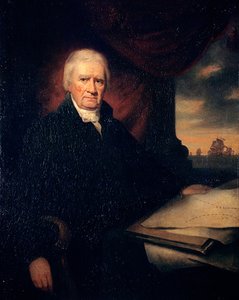
john clerk of eldin
1728 - 1812 , United Kingdom
Osnovne informacije
- Artistic Movement Or Style: Neoclassical
- Artists Or Movements Influenced By This Artist:
- Winckelmann
- Neoclassicism
- Artists Who Influenced This Artist:
- Raphael
- Correggio
- Titian
- Date Of Birth: March 22, 1728
- Date Of Death: June 29, 1779
- Full Name: Anton Raphael Mengs
- Nationality: German (Saxon)
- Notable Artworks:
- Parnassus
- The School of Athens
- Place Of Birth: Ústí nad Labem, Bohemia

