

 Pregledaj u prostoru
 Pošalji
 Podeli
 Detalji o delu

 Преузми
 Slični predmeti
 Rendgenski snimak
 Slajdovi
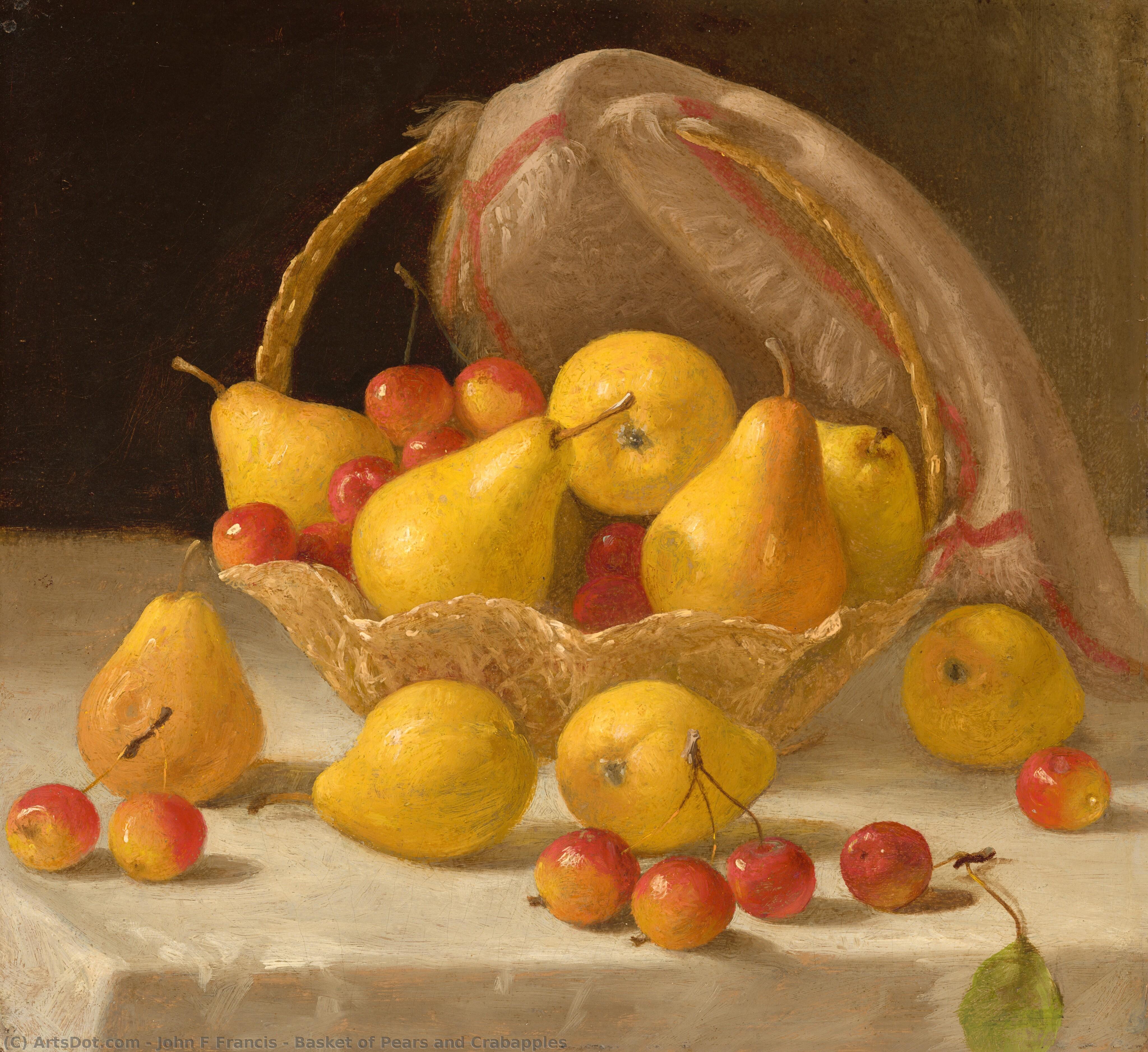
Basket of Pears and Crabapples
 45.0 x 48.0 cm
 Pročitaj više
Ručno rađena uljana reprodukcija
Ručno oslikano uljanim bojama na platnu u dimenzijama i okviru po vašem izboru, izrađeno po porudžbini od strane naših umetnika. ( Kupi print Kupi digitalnu sliku)




































Izaberite jednu od naših unapred definisanih veličina koje odgovaraju originalnim proporcijama umetničkog dela.

Можете унети сопствене димензије како бисте прилагодили дело одређеном оквиру или простору. Ако одабрана величина не одговара пропорцијама оригинала, слика ће бити исечена или проширена додатним елементима који се ручно насликавају. Дигитални prikaz ће вам бити послат на одобрење пре почетка производње.
Имајте на уму да преглед на екрану не одражава стварно исецање или проширење. Само приказ (mockup) ће тачно приказати коначну композицију.
Иако су доступне прилагођене величине, препоручујемо да одаберете димензију из дефинисане листе како бисте сачували оригиналне пропорције.
Nakon narudžbine, tim ArtsDot.com će klijentu putem e-pošte poslati uputstva i dostaviti prikaz predloženog rešenja
Isporuka širom sveta () za 3/4 nedelje umesto uobičajenih 5 nedelja. (28 август). Bez kompromisa po pitanju kvaliteta.

Besplatna ekspresna dostava širom sveta

Visokokvalitetno laneno platno

Kompletno osiguranje transporta

Garancija povraćaja carine i uvoznih dažbina

Garancija vernosti boja

Politika povrata u roku od 60 dana (samo u slučaju nedostataka)

Garancija povrata novca od 100%

Popust pri grupnoj kupovini
 Opcija sa staklom dostupna je samo za dimenzije manje od 110 cm

Basket of Pears and Crabapples
Tehnika reprodukcije
Dimenzije reprodukcije
-


Konačna cena
$ 263
Srodna umetnička dela


Biografija umetnika
The Quiet Mastery of John F. Francis
In the vibrant and often boisterous landscape of nineteenth-century American art, there existed a corner of profound stillness and delicate beauty, inhabited by the masterful hand of John F. Francis. Born in Philadelphia on August 13, 1808, to French Catholic parents, Francis emerged from a city steeped in artistic tradition to become one of the most respected practitioners of tonalism. While his contemporaries often sought the spotlight through grand historical narratives or flamboyant portraiture, Francis found his true calling in the quiet observation of the everyday. His life was a journey of refinement, moving from the structured demands of portraiture to the ethereal, light-drenched world of the still life, where he captured the very essence of texture and atmosphere.
The early years of Francis’s life remain somewhat veiled in mystery, yet his talent for drawing was unmistakable. Growing up in the shadow of Philadelphia's great artistic legacies, such as that of Charles Willson Peale, he developed an innate ability to perceive minute details. This foundational skill served him well during his early career in the 1830s and 40s, when he established himself as a sought-after portrait painter across central and eastern Pennsylvania. During this period, his work was characterized by a meticulous attention to likeness, earning him commissions from influential figures such as Governor Joseph Ritner. His growing reputation was further bolstered by the support of prestigious institutions like the Pennsylvania Academy of Fine Arts and the Philadelphia Art Union, which helped integrate his talent into the broader American artistic consciousness.
A Transformation of Vision
Around 1850, a profound shift occurred in Francis’s artistic trajectory, marking his transition from the human face to the silent beauty of inanimate objects. Influenced by the rising popularity of the still life genre in Philadelphia—a movement championed by artists like Raphael Peale—Francis abandoned portraiture to focus on the arrangement of fruit, flowers, and household items. This was not merely a change in subject matter, but a complete evolution of his aesthetic philosophy. He moved away from the literal representation of personality toward a more atmospheric exploration of light, form, and color.
His mature works are celebrated for their tonalistic qualities, utilizing soft brushwork and a pastel palette to create compositions that feel both tangible and dreamlike. In masterpieces such as "Still Life with Yellow Apples" (1858), one can witness his unparalleled ability to render the subtle play of light upon a smooth skin of fruit or the delicate weight of a basket. His technique allowed him to imbue simple tabletop arrangements with an evocative, almost spiritual atmosphere, where the boundaries between object and light begin to blur. This mastery of texture—the velvet of a peach, the cool sheen of a grape, or the rustic surface of a wooden table—became his artistic signature.
Legacy and Artistic Significance
The historical significance of John F. Francis lies in his ability to elevate the humble still life to a level of high art through sheer technical precision and emotional depth. While he may not have possessed the theatricality of Thomas Sully, his contribution to the American tradition of tonalism is undeniable. He taught viewers to find wonder in the ephemeral: the way a single beam of light strikes a piece of fruit or the quiet dignity of a decaying petal.
Today, his works remain cherished treasures in major collections, such as the Detroit Institute of Arts, serving as enduring testaments to his skill. His legacy is defined by several key artistic achievements:
- Mastery of Light: His ability to capture the ethereal and transient qualities of illumination within a domestic setting.
- Technical Precision: A meticulous approach to texture and form that brought a lifelike vitality to still life compositions.
- Genre Evolution: Successfully transitioning from the formal requirements of portraiture to the expressive freedom of the still life.
- Cultural Impact: Strengthening the Philadelphia school of painting and contributing to the development of American Tonalism.
In the end, the work of John F. Francis invites us to slow down. In an era of rapid change, his paintings offer a sanctuary of quiet observation, reminding us that there is profound beauty to be found in the most silent and overlooked corners of our world.
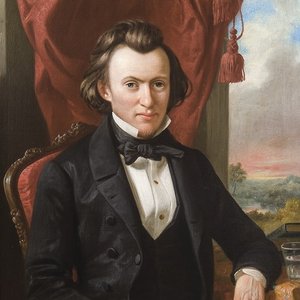
john f francis
1905 - 1990 , United States of America
Osnovne informacije
- Artistic Movement Or Style: Classical Art
- Artists Or Movements Influenced By This Artist: ['Romanticism']
- Artists Who Influenced This Artist:
- Charles Willson Peale
- Thomas Sully
- Date Of Birth: Philadelphia, United States of America (1905)
- Date Of Death: 1890
- Full Name: John Francis Sartorius II
- Nationality: British
- Notable Artworks:
- Grey Bisten
- Fox
- Place Of Birth: Philadelphia

