

 Pregledaj u prostoru
 Pošalji
 Podeli
 Detalji o delu

 Преузми
 Slični predmeti
 Rendgenski snimak
 Slajdovi
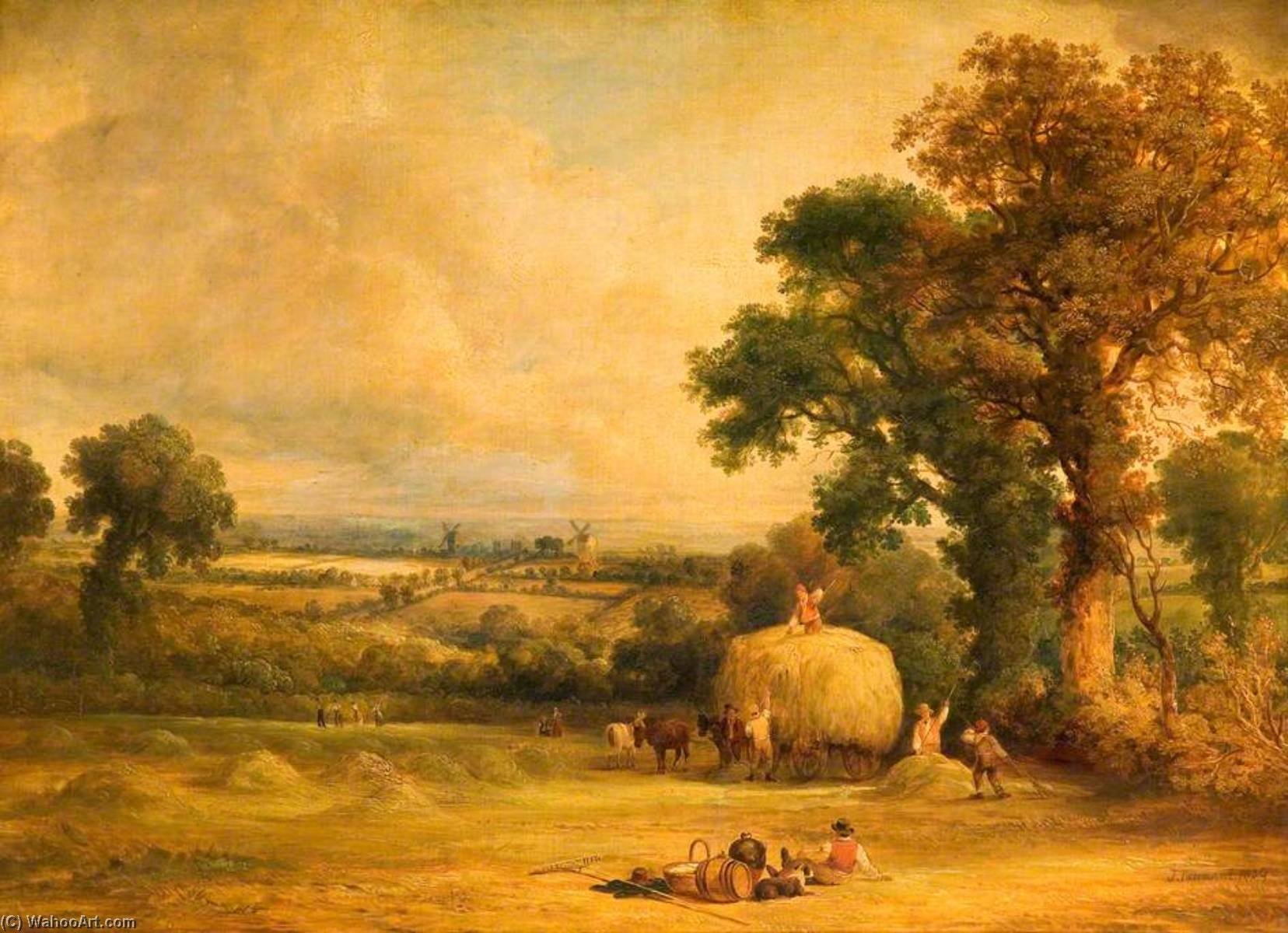
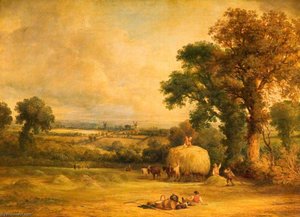
Loading the Hay Wagon
 1839
1839 56.0 x 76.0 cm
 Wolverhampton Art Gallery
 Pročitaj više
Kupite digitalnu sliku visoke rezolucije i poboljšanog kvaliteta, koja je znatno superiornija od onoga što vidite u online prikazu.
Svaka datoteka je pedantno pripremljena od strane naših stručnjaka koristeći napredne alate i profesionalnu ručnu retušu. Osiguravamo da svaka slika ima izuzetnu oštrinu, preciznu reprodukciju boja i fine detalje.
Konačna datoteka se dostavlja putem e-pošte u roku od 72 sata, optimizovana za neposrednu upotrebu u profesionalnim, izdavačkim i štamparskim okruženjima. To je isti kvalitet kojem veruju vrhunski studiji dizajna, izdavači i galerije.
Digitalna slika
Preuzmite datoteku visoke rezolucije za ličnu upotrebu, štampanje i kreativne projekte. ( Kupi print Kupi ručno naslikanu sliku)
Uključeno uz svaku porudžbinu digitalne slike
Profesionalna digitalna isporuka, zagarantovana
Kada odaberete ArtsDot.com, ne dobijate samo sliku – vi primate profesionalno unapređeno digitalno umetničko delo, izrađeno sa najvećom preciznošću i uz garanciju zadovoljstva. Evo svega što automatski dolazi uz vašu porudžbinu:

Brza dostava putem e-pošte
Vaša digitalna slika visoke rezolucije biće vam poslata putem e-pošte u roku od 72 sata od poručivanja – spremna za trenutnu upotrebu.

Digitalna datoteka unapređena veštačkom inteligencijom
Vaše umetničko delo je profesionalno optimizovano korišćenjem naprednih AI alata i ručne obrade, čime se osiguravaju maksimalni detalji, oštrina i preciznost boja.

Besplatna ponovna isporuka doživotno
Slučajno ste obrisali ili izgubili svoju datoteku? Ne brinite – poslaćemo vam je ponovo u bilo kom trenutku, potpuno besplatno.

Bez troškova uvoza – zauvek
Uživajte u svojim umetničkim delima trenutno, bez carine, dažbina ili troškova dostave – digitalni download je uvek bez poreza.

Garancija vernosti boja
Uz pomoć profesionalnih alata i upravljanja bojama, osiguravamo da vaša digitalna slika što vernije odražava originalne boje.

Garancija zadovoljstva u roku od 100 dana
Ako niste zadovoljni svojom digitalnom slikom, revidirat ćemo je ili vratiti 100% novca u roku od 100 dana – bez ikakvih pitanja.

100% garancija povrata novca
Niste zadovoljni? Obezbedite pun povrat novca u roku od 100 dana od trenutka kada ste primili svoju digitalnu datoteku – bez suvišnih pitanja.

Popusti na velike porudžbine
Kupite 3 slike, uštedite 10% - Kupite 5 slika, uštedite 15% - Kupite 10+ slika, uštedite 20%. Odlično za kreativne projekte, galerije i agencije.
Srodna umetnička dela






Biografija umetnika
John Frederick Tennant: A Painter of Welsh Rivers and Romantic Landscapes
John Frederick Tennant (1796-1872) emerged as a significant figure in 19th-century British art, primarily celebrated for his evocative depictions of the landscapes of Wales and beyond. More than simply a recorder of scenery, Tennant’s work embodies the Romantic spirit—a deep connection to nature, an appreciation for light and atmosphere, and a subtle undercurrent of melancholy. His artistic journey was largely self-directed, honed through observation and a keen eye for detail, though he did benefit from instruction in his early years. Tennant's legacy rests not only on the beauty of his paintings but also on his role as a bridge between the established academic tradition and the burgeoning Romantic movement.
Born in Newcastleton, Yorkshire, into a family with strong agricultural roots—his father was a sheep farmer—Tennant’s early life instilled within him a profound respect for the natural world. He received a modest education, attending St Leonards School in St Andrews and Marlborough College before pursuing studies at the Winchester School of Art, specializing in sculpture. This grounding in three-dimensional form would later inform his approach to landscape painting, imbuing his canvases with a sense of depth and spatial awareness. Notably, Tennant’s family history included connections to prominent figures like Stephen Tennant (a flamboyant socialite), William Cavendish, the 11th Duke of Devonshire, and even the Mitford sisters—connections that subtly shaped his artistic sensibilities.
The Development of a Distinctive Style
Tennant’s artistic style evolved significantly over his long career. Initially influenced by the meticulous detail and atmospheric effects of J.M.W. Turner, he gradually developed a more personal approach, characterized by loose brushwork, vibrant color palettes, and an emphasis on capturing fleeting moments of light and shadow. He was particularly drawn to the dramatic lighting conditions found in Welsh rivers and valleys—the way sunlight filtered through mist-shrouded hillsides, or reflected off the water’s surface. His compositions often feature a sense of quiet contemplation, inviting the viewer to lose themselves in the beauty of the scene.
A key element of Tennant's style was his ability to render the textures and surfaces of nature with remarkable accuracy—the rough bark of trees, the glistening wetness of rocks, the flowing movement of water. He achieved this through a combination of careful observation and a mastery of color theory. His use of complementary colors—such as blues and oranges—created a sense of vibrancy and luminosity that is characteristic of his work. Furthermore, Tennant’s paintings often incorporate subtle details—a shepherd tending to his flock, a lone cottage nestled in the valley—that add narrative depth and human connection to the landscapes.
Subjects and Themes: Rivers, Wales, and Romanticism
Tennant's most celebrated subjects were the rivers and valleys of Wales. He spent considerable time exploring this region, meticulously documenting its diverse scenery—from the dramatic cliffs of the coastline to the tranquil meadows of the interior. His paintings of Welsh rivers—the Wye, the Severn, the Usk—are particularly renowned for their atmospheric quality and sense of scale. These landscapes are not merely picturesque; they evoke a profound emotional response in the viewer, reflecting Tennant’s own deep appreciation for nature's beauty and power.
Beyond Wales, Tennant also painted scenes from other parts of Britain, including Devon and Cornwall. His work often explores themes of solitude, contemplation, and the relationship between humanity and the natural world. Tennant’s paintings are infused with a Romantic sensibility—a belief in the sublime power of nature and its ability to inspire awe and wonder. He was influenced by the writings of poets such as Wordsworth and Coleridge, who celebrated the beauty and spiritual significance of the English countryside.
Legacy and Recognition
John Frederick Tennant exhibited his work at the Royal Academy from 1820 until his death in 1872, gaining recognition for his distinctive style and masterful technique. His paintings are now held in major collections around the world, including the Museum of Montreal. Tennant’s influence can be seen in the works of later landscape painters, particularly those associated with the Pre-Raphaelite Brotherhood and the Aesthetic movement.
Despite not achieving widespread fame during his lifetime, Tennant's work has experienced a resurgence of interest in recent decades. His paintings are valued for their beauty, emotional depth, and historical significance. John Muir House, where Tennant was born, now serves as a museum dedicated to preserving his legacy and showcasing his art. He remains a vital figure in the history of British landscape painting—a painter who captured the essence of Wales and the spirit of the Romantic era.
john f tennant
1796 - 1872
Kratke činjenice
- Artistic Movement Or Style: Romantic Landscape
- Artists Or Movements Influenced By This Artist: ['Tennant & Son']
- Artists Who Influenced This Artist:
- Turner
- Masters
- Date Of Birth: 1796
- Date Of Death: 1872
- Full Name: John Frederick Tennant
- Nationality: British
- Notable Artworks:
- River Landscapes
- Coastal Scenes
- Place Of Birth: Devon, England