

 Pregledaj u prostoru
 Pošalji
 Podeli
 Detalji o delu

 Преузми
 Slični predmeti
 Rendgenski snimak
 Slajdovi
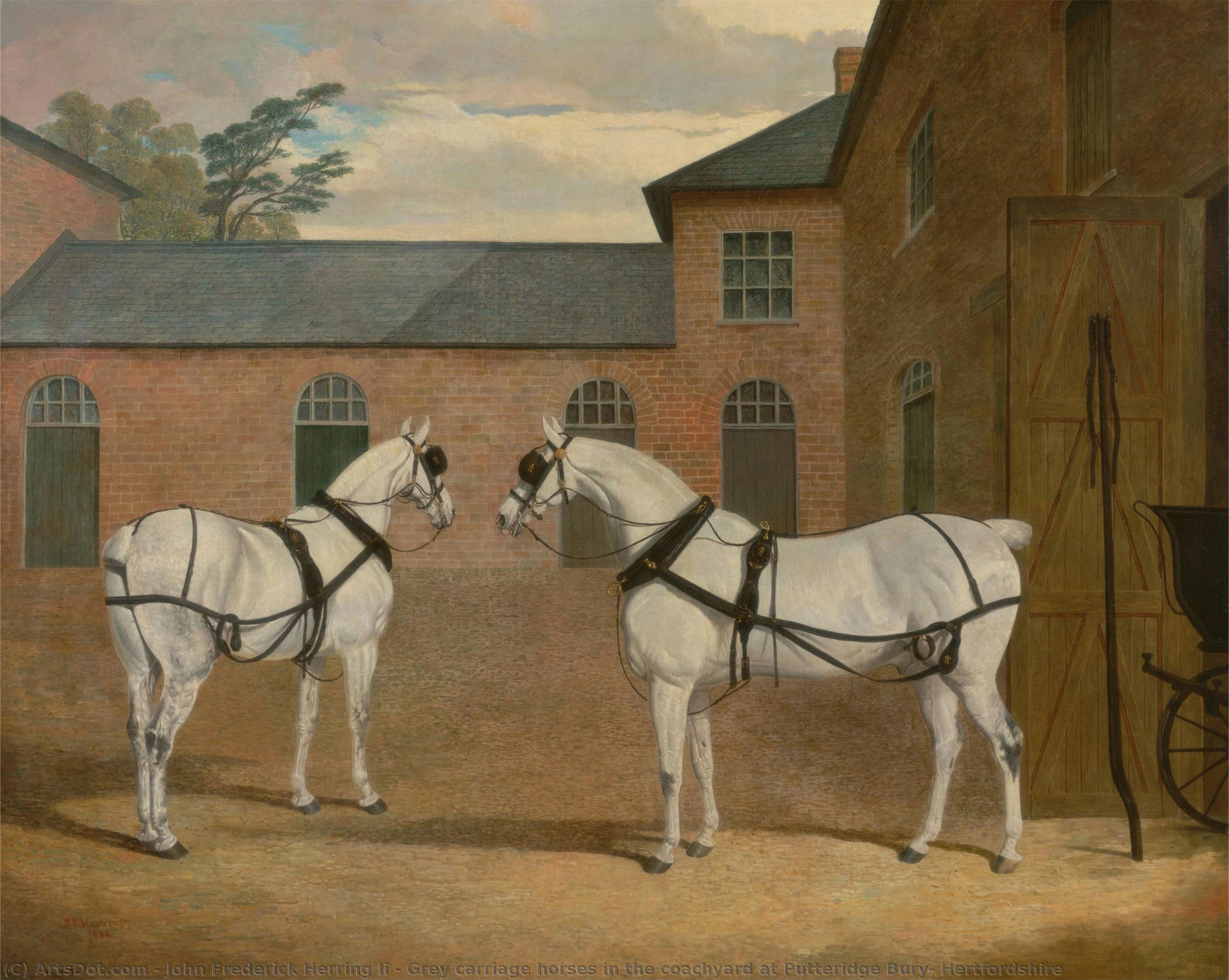
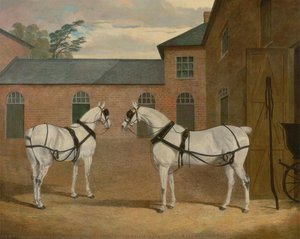
Grey carriage horses in the coachyard at Putteridge Bury, Hertfordshire
 Oil
Oil- WallArt
- Realism
 1838
1838- 19th Century
 101.0 x 127.0 cm
 Yale Center for British Art
 Pročitaj više
Kupite digitalnu sliku visoke rezolucije i poboljšanog kvaliteta, koja je znatno superiornija od onoga što vidite u online prikazu.
Svaka datoteka je pedantno pripremljena od strane naših stručnjaka koristeći napredne alate i profesionalnu ručnu retušu. Osiguravamo da svaka slika ima izuzetnu oštrinu, preciznu reprodukciju boja i fine detalje.
Konačna datoteka se dostavlja putem e-pošte u roku od 72 sata, optimizovana za neposrednu upotrebu u profesionalnim, izdavačkim i štamparskim okruženjima. To je isti kvalitet kojem veruju vrhunski studiji dizajna, izdavači i galerije.
Digitalna slika
Preuzmite datoteku visoke rezolucije za ličnu upotrebu, štampanje i kreativne projekte. ( Kupi print Kupi ručno naslikanu sliku)
Uključeno uz svaku porudžbinu digitalne slike
Profesionalna digitalna isporuka, zagarantovana
Kada odaberete ArtsDot.com, ne dobijate samo sliku – vi primate profesionalno unapređeno digitalno umetničko delo, izrađeno sa najvećom preciznošću i uz garanciju zadovoljstva. Evo svega što automatski dolazi uz vašu porudžbinu:

Brza dostava putem e-pošte
Vaša digitalna slika visoke rezolucije biće vam poslata putem e-pošte u roku od 72 sata od poručivanja – spremna za trenutnu upotrebu.

Digitalna datoteka unapređena veštačkom inteligencijom
Vaše umetničko delo je profesionalno optimizovano korišćenjem naprednih AI alata i ručne obrade, čime se osiguravaju maksimalni detalji, oštrina i preciznost boja.

Besplatna ponovna isporuka doživotno
Slučajno ste obrisali ili izgubili svoju datoteku? Ne brinite – poslaćemo vam je ponovo u bilo kom trenutku, potpuno besplatno.

Bez troškova uvoza – zauvek
Uživajte u svojim umetničkim delima trenutno, bez carine, dažbina ili troškova dostave – digitalni download je uvek bez poreza.

Garancija vernosti boja
Uz pomoć profesionalnih alata i upravljanja bojama, osiguravamo da vaša digitalna slika što vernije odražava originalne boje.

Garancija zadovoljstva od 100 dana
Ako niste zadovoljni svojom digitalnom slikom, izvršićemo reviziju ili ćemo vam vratiti 100% novca u roku od 100 dana – bez ikakvih pitanja.

100% garancija povrata novca
Niste zadovoljni? Dobijte puni povraćaj novca u roku od 100 dana od prijema digitalne datoteke – bez suvišnih pitanja.

Popusti na velike porudžbine
Kupite 3 slike, uštedite 10% - Kupite 5 slika, uštedite 15% - Kupite 10+ slika, uštedite 20%. Odlično za kreativne projekte, galerije i agencije.
A Moment Frozen in Time: The Vitality of Putteridge Bury
In the quietude of 1838, John Frederick Herring II captured more than just a scene; he immortalized a pulse of life within the brick-lined confines of the coachyard at Putteridge Bury. This evocative work presents a masterful study of two grey carriage horses, their forms rendered with such anatomical precision that one can almost sense the warmth of their breath and the subtle shifting of their weight. As they stand in close proximity, there is an intimate, almost conversational quality to their posture, suggesting a shared moment of respite amidst the daily rhythms of Hertfordshire life. The composition breathes with the energy of a bustling estate, where the presence of figures and a carriage hints at the unseen movements of a grander social machinery, all anchored by the stoic elegance of the equine protagonists.
The artistry of Herring II shines through in his ability to manipulate light and texture to create depth and atmosphere. Though presented here in a striking monochromatic palette, the painting relies heavily on the interplay of tonal values to define the rugged textures of the brickwork and the sleek, muscular contours of the horses. The artist utilizes a technique rooted in the equestrian tradition passed down from his father, employing meticulous brushwork to capture the subtle sheen on the horses' coats and the gritty reality of the courtyard floor. This dedication to realism allows the viewer to step directly into the scene, feeling the transition from the stillness of the animals to the lively, industrious atmosphere surrounding them.
For the discerning collector or interior designer, this piece serves as a profound anchor for any sophisticated space. Beyond its historical significance as a window into Victorian rural life, the artwork offers a sense of timelessness and stability. The composition’s balance—the tension between the monumental presence of the horses and the delicate human activity in the periphery—creates a visual narrative that is both calming and intellectually stimulating. It is an ideal selection for those looking to introduce a sense of heritage, classical elegance, and a touch of pastoral romance into a contemporary setting, providing a conversation piece that speaks of tradition, grace, and the enduring beauty of the natural world.
Srodna umetnička dela
Biografija umetnika
The Legacy of John Frederick Herring II: A Master of the Equestrian Spirit
In the grand tapestry of British art history, few names evoke the rhythmic pulse of the Victorian countryside as vividly as John Frederick Herring II. Born in 1820 in Chelmsford, Essex, Herring emerged not merely as a painter, but as a chronicler of an era defined by the elegance of the horse and the pastoral serenity of the English landscape. His artistic lineage is one of profound importance; he was the scion of a celebrated tradition, having been raised under the watchful eye and expert tutelage of his father, John Frederick Herring Sr. This early immersion in the nuances of equine anatomy and the dynamics of motion instilled in him a lifelong devotion to capturing the very essence of animal vitality—a passion that would eventually elevate him to the heights of nineteenth-century fame.
Herring’s development was marked by a seamless blend of inherited tradition and formal academic rigor. While his father provided the foundational language of the equestrian genre, Herring sought to expand this vocabulary through his studies at the Royal Academy in London. Here, he moved beyond simple documentation to embrace a more sophisticated approach to light, texture, and atmosphere. His work began to bridge the gap between the specialized niche of sporting art and the broader, more emotive realms of Romantic landscape painting. This evolution allowed him to present horses not just as subjects of athletic prowess, and racing, but as integral components of a living, breathing ecosystem.
The Art of Motion and the English Landscape
What truly distinguishes Herring’s oeuvre is his unparalleled ability to render the tension and grace of movement. Whether depicting the thundering hooves of a racehorse or the quiet, muscular repose of carriage horses in a courtyard, his canvases possess an unmistakable energy. In masterpieces such as “The Royal Mail Coach” (1841), one observes a masterful command over composition, where the drama of travel and social status is anchored by the meticulous realism of the animals and their surroundings. He did not merely paint horses; he painted the weight of their breath, the subtle sheen of their coats, and the way they interacted with the rugged textures of the English earth.
Beyond the spectacle of the hunt and the race, Herring found profound beauty in the quietude of rural life. His landscapes often served as a stage for the pastoral rhythms of the Victorian age, featuring:
- Serene Pastoral Scenes: Works like “Farmyard with Saddlebacks” utilize earthy tones and textured brushwork to evoke the rustic charm of agricultural existence.
- Naturalistic Studies: His ability to capture tranquil moments, such as in “Ducks and Ducklings,” demonstrates a sensitivity to the delicate balance of nature within lush, verdant meadows.
- Architectural Integration: His landscapes frequently incorporated churches and village structures, reflecting the era's deep-seated connection between the land, community, and spiritual morality.
Historical Significance and Enduring Influence
The significance of John Frederick Herring II extends far beyond the confines of sporting circles. During his lifetime, his work resonated with a wide spectrum of society, earning him prestigious commissions from figures as notable as Queen Victoria. This level of patronage underscores his role in defining the visual identity of the Victorian era—a period that sought to find beauty in both the industriousness of progress and the nostalgic stability of the countryside. His paintings acted as windows into a world where the boundaries between human endeavor and animal instinct were harmoniously intertwined.
As we look back upon his prolific career, which spanned until his death in 1907, we see an artist who successfully navigated the transition from the strictures of classical realism to the more emotive sensibilities of the late nineteenth century. His dedication to anatomical precision and atmospheric depth ensured that his work remained timeless. Today, Herring’s legacy lives on through his ability to freeze moments of profound vitality, offering modern viewers a poignant connection to the lost rhythms of a bygone British landscape.
john frederick herring ii
1820 - 1907
Kratke činjenice
- Artistic Movement Or Style: Romanticism
- Artists Or Movements Influenced By This Artist: ['Victorian Art Styles']
- Artists Who Influenced This Artist: ['John Frederick Herring Sr.']
- Date Of Birth: 1820
- Date Of Death: 1907
- Full Name: John Frederick Herring II
- Nationality: British
- Notable Artworks:
- The Royal Mail Coach on the Road
- Grey carriage horses in the coachyard at Putteridge Bury, Hertfordshire
- Farmyard Scene
- Place Of Birth: Cheltenham, Gloucestershire