 Pregledaj u prostoru
 Pošalji
 Podeli
 Detalji o delu

 Преузми
 Slični predmeti
 Rendgenski snimak
 Slajdovi
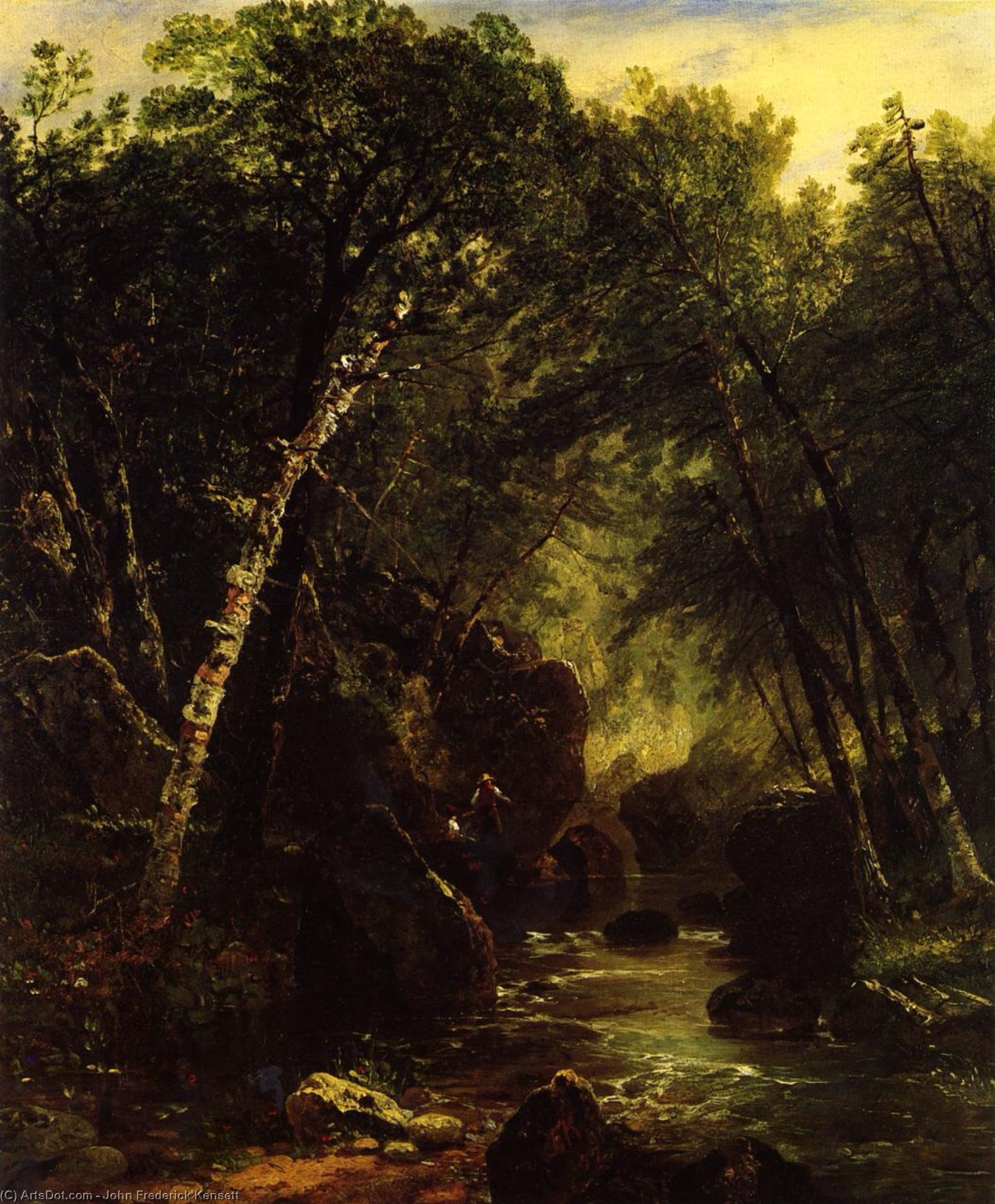
Trout Fisherman


 Pročitaj više
Giclee štampa / Umetnički otisak
Giclée štampa ili print na platnu muzejskog kvaliteta uz brzu proizvodnju i fleksibilne opcije završne obrade. ( Kupi ručno naslikanu sliku Kupi digitalnu sliku)




P118B $10

P118H $10

P118W $10

P438Z $10

P508JH $12

P508YH $12

P805H $10

P805Z $10

P919BZ $10

P919G $10

P919XJ $10

P959ZH $10

P968JZ $12

W106C $8

W218G $10

W218JH $8

W218Y $10

W307PJ $10

W316G $10

W316PJ $8

W316Y $10

W398PJ $8

W4111J $10

W500HY $15

W500JH $15

W692G $12

W849H $8

W940BG $15

W953PJ $8




Izaberite jednu od naših unapred definisanih veličina koje odgovaraju originalnim proporcijama umetničkog dela.

Možete uneti sopstvene dimenzije kako biste umetničko delo prilagodili specifičnom okviru ili prostoru. Ako odabrani format ne odgovara proporcijama originalne slike, mi ćemo ili iscrtati deo dela ili proširiti sliku pomoću ogledane ivice ili jednobojnog popunjavanja. Digitalni prikaz će vam biti poslat na odobrenje pre početka proizvodnje.
Imajte na umu da pregled na ekranu ne odražava stvarno iscrtavanje ili proširivanje. Samo će prikaz (mockup) precizno pokazati finalnu kompoziciju.
Iako su prilagođene dimenzije dostupne, preporučujemo da odaberete dimenziju sa unapred definisane liste kako biste očuvali originalne proporcije.
Dostava širom sveta () za 2 nedelje umesto uobičajenih 4/5 nedelja. (21 август)

Besplatna ekspresna dostava širom sveta

Visokokvalitetno laneno platno

Kompletno osiguranje transporta

Garancija povraćaja carine i uvoznih dažbina

Garancija vernosti boja

Politika povrata u roku od 60 dana (samo u slučaju nedostataka)

Garancija povrata novca od 100%

Popust pri grupnoj kupovini
 Opcija sa staklom dostupna je samo za dimenzije manje od 110 cm

Trout Fisherman
Giclee štampa / Umetnički otisak
Dimenzije reprodukcije
-


Konačna cena
$ 62
Opis predmeta
John Frederick Kensett: Luminosity, Landscape & The American Identity
John Frederick Kensett (1816 – 1872) stands as a cornerstone of the Hudson River School and Luminism—movements that profoundly shaped American art and its perception of nature. Born in Cheshire, Connecticut, Kensett’s artistic journey began with formal training at Yale College and honed his skills through engraving before establishing himself as a painter in New York City, where he would become a founding member of the Metropolitan Museum of Art. His legacy resides not merely in prolific output but in an unwavering dedication to capturing the sublime beauty of the American wilderness—a pursuit that cemented his place among the most influential landscape painters of his era.A Pioneer of Luminism
Kensett’s artistic style evolved dramatically from the grand, theatrical compositions favored by earlier Hudson River School artists like Thomas Cole and Frederic Church. Instead, he embraced Luminism – a technique championed by George Caleb Bingham and Asher Durand—characterized by an almost obsessive focus on atmospheric light and subtle tonal gradations. Unlike Cole's dramatic depictions of biblical scenes bathed in theatrical illumination, Kensett sought to convey the quiet grandeur of New England forests and rivers with remarkably understated brushstrokes. This deliberate restraint wasn’t a rejection of Romantic ideals; rather, it represented a conscious effort to distill nature’s essence into its purest form—a luminous haze that evoked contemplation and spiritual resonance.“Trout Fisherman”: A Masterpiece of Tranquility
Among Kensett's numerous landscapes, “Trout Fisherman” (1852) remains arguably his most iconic work. Executed in oil on canvas, the painting depicts a solitary fisherman casting his line into a serene river bordered by towering trees—a scene rendered with breathtaking precision and luminous color palettes. The composition is remarkably balanced, drawing the viewer’s eye towards the central figure while simultaneously immersing them in the enveloping atmosphere of the forest. Noticeably, Kensett eschewed dramatic vistas or turbulent weather; instead, he opted for a tranquil tableau that embodies the Luminist ethos—a celebration of quiet observation and an appreciation for the subtle harmonies of the natural world.Historical Context & Transcendental Influences
Kensett’s artistic vision was deeply rooted in the philosophical currents of his time – specifically, Transcendentalism. Figures like Ralph Waldo Emerson and Henry David Thoreau championed the idea that nature possessed inherent spiritual significance, urging individuals to reconnect with its sublime beauty and find solace in its contemplation. Kensett absorbed these transcendental ideals, translating them into visual form through his meticulous rendering of light and color. The painting’s stillness isn't simply aesthetic; it reflects a broader yearning for harmony between humanity and the natural world—a sentiment that resonated powerfully within the American intellectual landscape of the mid-19th century.Symbolism & Emotional Resonance
Beyond its technical brilliance, “Trout Fisherman” carries symbolic weight. The fisherman represents humankind’s quest for connection with the divine—a deliberate allusion to biblical narratives emphasizing humility and reverence before God's creation. The river symbolizes purity and renewal, mirroring the Transcendentalist belief in nature as a conduit for spiritual enlightenment. Furthermore, Kensett’s masterful use of light – particularly the diffused glow filtering through the foliage – evokes feelings of peace, serenity, and contemplative wonder—capturing precisely what Thoreau termed “the beauty that fills us with delight.” It's a painting designed not just to depict a scene but to inspire an emotional response—a reminder of the profound spiritual significance inherent in experiencing the unspoiled majesty of America’s wilderness.Legacy & Enduring Appeal
“Trout Fisherman” continues to captivate audiences today, serving as a testament to Kensett's artistic genius and Luminism’s enduring influence. Its meticulous detail, luminous color palette, and evocative composition exemplify the highest standards of landscape painting—a style that prioritizes observation, contemplation, and an appreciation for nature’s sublime beauty. Reproductions of this masterpiece offer collectors and interior designers alike a chance to experience firsthand the profound emotional resonance captured by Kensett—a timeless portrayal of tranquility and spiritual connection.Srodna umetnička dela

Biografija umetnika
Живот и рани кораци ка уметности
Џон Фредерик Кенсет, рођен 22. марта 1816. године у Чеширу, Конектикат, био је амерички сликар и гравер чији је живот био посвећен заробљавању тишине и лепоте пејзажа. Као члан друге генерације представника школе реке Хадсон, Кенсет је стекао признање захваљујући својим радовима који су одликовали мир и светлучавост, прослављајући трансценденталне аспекте природе. Његов пут ка уметности није био директан; прво се школовао у Чеширској академији, а затим је учио граверство од свог оца, Томаса Кенсета. Радио је као гравер у Њу Хевену до 1838. године, пре него што се преселио у Њујорк да ради на гравурама новчаница. Ово рано искуство у детаљном и прецизном раду оставило је трајан утисак на његов каснији стил сликања.
Путовања, студија и формирање ликовног израза
Кључан тренутак у Кенсетовом развоју дошао је 1840. године када је отпутовао у Европу да проучава сликање. Усавршавао је свој таленат уз Бењамина Чемпнија, а ово путовање му је омогућило да се упозна са европским мајсторима и разним ликовним техникама. Након повратка у Америку, Кенсет је успоставио свој студио у Њујорку и кренуо на опсежна путовања кроз Североисток и Колорадо Рокис. Ова путовања су била одлучујућа за његов рад, омогућивши му да зароби суштину америчког пејзажа. Његов стил се постепено развијао из традиционалног приступа школе реке Хадсон ка префињенијој луминистичкој техници, карактерисаној ненаметљивим потезима кистом који су преносили квалитете атмосферске светлости.
Луминизам и Кенсетов препознатљив стил
Кенсет је био познат по својој способности да ухвати суптилне нијансе светла и атмосфере, стварајући слике које су одликовале мир и тишину. Његов луминистички стил се манифестовао кроз пажљиво постављање боја и детаљно представљање природних елемената. Радови попут Маунт Вашингтон из долине Конвеј (1851), који је купила Америчка уметничка унија и дистрибуирана међу 13.000 претплатника, постали су иконични примери његовог талента. Итонс Нецк, Лонг Ајланд (1872), који се данас налази у колекцији Метрополитан музеја уметности у Њујорку, је још један пример Кенсетовог луминистичког стила. Ове слике нису само реалистичке репрезентације пејзажа; оне су изрази његовог дубоког поштовања према природи и његовом умећу да пренесе њену лепоту на платну.
Наслеђе и утицај
Кенсет је био оснивач Метрополитан музеја уметности и пуноправни члан Националне академије дизајна. Његов рад, широко признат током његовог живота, наставио је да има значајан утицај на сликарство пејзажа. Кенсет је био инспирисан радовима Томаса Кола и сарађивао са Бењамином Чемпнијем на европским експедицијама, али је развио свој препознатљив стил који га је издвојио као једног од водећих представника школе реке Хадсон и луминизма. Кључни радови:
- Сансет Скај (око 1870), Метрополитан музеј уметности, Њујорк
- Три Маил Харбор (око 1860), Музеј финих уметности, Талахаси
- Томас Кол
- Бењамин Чемпни
Џон Фредерик Кенсет
1816 - 1872 , Сједињене Америчке Државе
Osnovne informacije
- Artistic Movement Or Style: Hudson River School & Luminizam
- Artists Or Movements Influenced By This Artist: ['Luminizam']
- Artists Who Influenced This Artist:
- Thomas Cole
- Benjamin Champney
- Date Of Birth: 22. mart 1816.
- Date Of Death: 14. decembar 1872.
- Full Name: John Frederick Kensett
- Nationality: Amerikanac
- Notable Artworks:
- Mount Washington Valley
- Eaton's Neck, Long Island
- Place Of Birth: Cheshire, SAD
Povezani članci

John Frederick Kensett: Luminosity, Landscape & the American Identity
Explore the luminous landscapes of John Frederick Kensett, a master of Luminism and key figure in the Hudson River School. Discover his serene paintings & enduring legacy with ArtsDot.
Top 10 Remek Dela Koja Su Definisala Hudson River School: Majstorski Priori Za Vaš Dom
Otkrijte 10 remek dela koja su definisala Hudson River School! Uronite u priče o Thomas Cole-u, Frederic Church-u i veličanstvenim pejzažima Amerike. Inspiracija za vaš dom – vrhunske reprodukcije na ArtsDot.com!

The Sublime Landscape: Exploring the Hudson River School Movement
Explore the captivating world of the Hudson River School! Discover the history, artists, and defining characteristics of this iconic American art movement. Learn about Romanticism's influence & find inspiration for your collection.

Robert Spencer: Luminism, Narrative & the American Landscape Tradition
Explore the captivating world of Luminism & the Hudson River School with our expert analysis. Discover the history, artists, and enduring beauty of 19th-century American landscape painting. Find museum-quality reproductions at ArtsDot.

25 Remek-dela Džona Konstebla: Lepota Engleske na Platnu | ArtsDot
Uronite u svet Džona Konstebla! Otkrijte 25 remek-dela engleskog pejzaža, romantizma i seoske idile. Kupite reprodukcije slika vrhunskog kvaliteta za dekoraciju enterijera na ArtsDot.com.