

 Pregledaj u prostoru
 Pošalji
 Podeli
 Detalji o delu

 Преузми
 Slični predmeti
 Rendgenski snimak
 Slajdovi
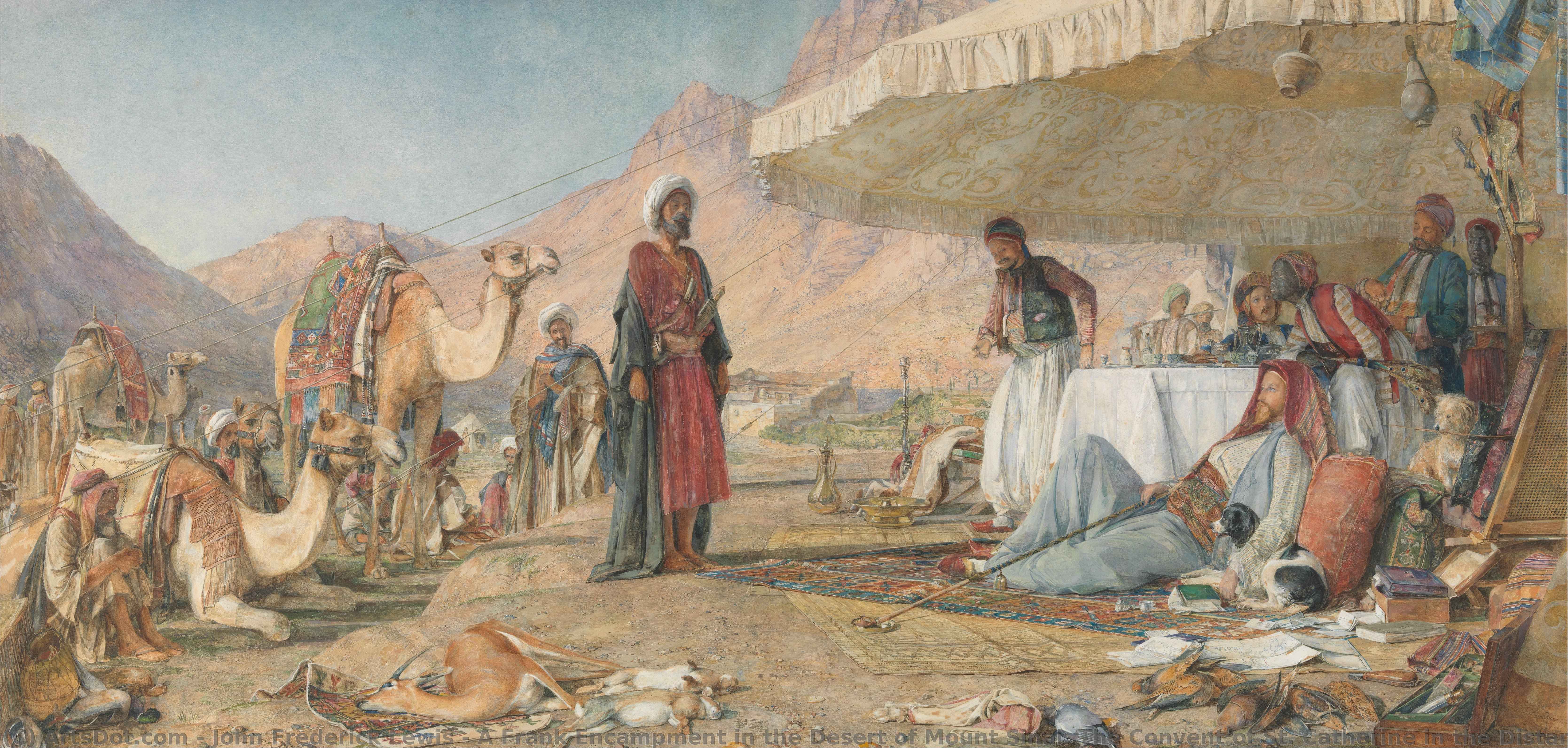
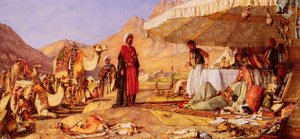
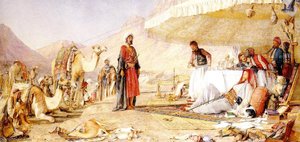
A Frank Encampment in the Desert of Mount Sinai. The Convent of St. Catherine in the Distance


 Pročitaj više
Ručno rađena uljana reprodukcija
Ručno oslikano uljanim bojama na platnu u dimenzijama i okviru po vašem izboru, izrađeno po porudžbini od strane naših umetnika. ( Kupi print Kupi digitalnu sliku)




P118B $10

P118H $10

P118W $10

P438Z $10

P508JH $12

P508YH $12

P805H $10

P805Z $10

P919BZ $10

P919G $10

P919XJ $10

P959ZH $10

P968JZ $12

W106C $8

W218G $10

W218JH $8

W218Y $10

W307PJ $10

W316G $10

W316PJ $8

W316Y $10

W398PJ $8

W4111J $10

W500HY $15

W500JH $15

W692G $12

W849H $8

W940BG $15

W953PJ $8




Izaberite jednu od naših unapred definisanih veličina koje odgovaraju originalnim proporcijama umetničkog dela.

Можете унети сопствене димензије како бисте прилагодили дело одређеном оквиру или простору. Ако одабрана величина не одговара пропорцијама оригинала, слика ће бити исечена или проширена додатним елементима који се ручно насликавају. Дигитални prikaz ће вам бити послат на одобрење пре почетка производње.
Имајте на уму да преглед на екрану не одражава стварно исецање или проширење. Само приказ (mockup) ће тачно приказати коначну композицију.
Иако су доступне прилагођене величине, препоручујемо да одаберете димензију из дефинисане листе како бисте сачували оригиналне пропорције.
Nakon narudžbine, tim ArtsDot.com će klijentu putem e-pošte poslati uputstva i dostaviti prikaz predloženog rešenja
Isporuka širom sveta () za 3/4 nedelje umesto uobičajenih 5 nedelja. (31 август). Bez kompromisa po pitanju kvaliteta.

Besplatna ekspresna dostava širom sveta

Visokokvalitetno laneno platno

Kompletno osiguranje transporta

Garancija povraćaja carine i uvoznih dažbina

Garancija vernosti boja

Politika povrata u roku od 60 dana (samo u slučaju nedostataka)

Garancija povrata novca od 100%

Popust pri grupnoj kupovini
 Opcija sa staklom dostupna je samo za dimenzije manje od 110 cm

A Frank Encampment in the Desert of Mount Sinai. The Convent of St. Catherine in the Distance
Tehnika reprodukcije
Dimenzije reprodukcije
-


Konačna cena
$ 263
A Desert Encounter: John Frederick Lewis’s “A Frank Encampment in the Desert of Mount Sinai”
John Frederick Lewis's "A Frank Encampment in the Desert of Mount Sinai, The Convent of St. Catherine in the Distance" is more than a mere depiction of a desert scene; it’s a meticulously crafted tableau of cultural exchange and subtle power dynamics, frozen in time with remarkable detail. Painted in 1842, this watercolor and gouache masterpiece transports us to the rugged landscape surrounding Mount Sinai, a place steeped in biblical significance and, at the time of its creation, a frontier zone between European exploration and the enduring traditions of the Bedouin people. The painting immediately draws the eye with its vibrant palette – ochre sands, deep blues of the distant sky, and the rich reds and browns of tents and clothing—a testament to Lewis’s mastery of capturing the nuances of light and color in a challenging environment.
At the heart of the composition stands Viscount Castlereagh, a prominent British diplomat and military figure, reclining comfortably within a richly appointed tent. He is presented not as an explorer or conqueror, but as a gentleman enjoying the hospitality of his Bedouin hosts. The scene is deliberately staged to subtly challenge conventional European perceptions of the East. Lewis doesn’t portray a simplistic narrative of Western dominance; instead, he offers a complex interaction where the British aristocrat appears almost passively accepting of the Bedouin's generosity and customs. This deliberate subversion of traditional Orientalist tropes—where Europeans were often depicted as superior figures observing exotic locales—is a key element of the painting’s enduring appeal.
The Artist’s Vision: Orientalism and Detail
John Frederick Lewis was a pivotal figure in the development of Orientalist painting, a genre that flourished throughout the 19th century. Unlike many of his contemporaries who focused on sensationalized depictions of harems and exotic encounters, Lewis sought to portray the daily lives and customs of people living in the Middle East with remarkable accuracy and sensitivity. His years spent in Cairo profoundly shaped his artistic vision, leading him to meticulously study Islamic architecture, clothing, and social rituals. This dedication is evident in every brushstroke of “A Frank Encampment,” from the intricate patterns on the carpets to the detailed rendering of the Bedouin’s traditional attire.
Lewis's technique is characterized by a painstaking level of detail—a hallmark of his style. He employed watercolor and gouache, mediums that allowed him to achieve both luminous washes of color and sharp, precise lines. The painting is replete with small observations: the gazelle in the foreground, the scattered books and maps within the tent, the dogs lounging nearby – each element contributes to a sense of realism and immediacy. Notably, Lewis’s meticulous approach was influenced by his earlier training under Sir Thomas Lawrence, but he developed a distinctly personal style that prioritized observation and nuanced representation over idealized beauty.
Symbolism and Context: A Meeting of Worlds
The painting is rich in symbolic meaning. The desert itself represents both hardship and spiritual significance—a landscape associated with biblical narratives and the challenges of faith. The tent, a symbol of hospitality and refuge, highlights the exchange between cultures. The positioning of Castlereagh and his Bedouin hosts subtly suggests a power dynamic, but one that is tempered by mutual respect and generosity. The inclusion of Western objects – books, maps, and even a hunting rifle—hints at the encroachment of European influence on traditional ways of life.
Painted in 1842, “A Frank Encampment” reflects the broader context of British imperial expansion into Egypt and the Middle East. The painting can be viewed as both a celebration of exploration and a subtle commentary on the complexities of cultural interaction during this period. It’s important to note that Lewis's work was created during a time when European attitudes towards non-Western cultures were often shaped by colonial ideologies, yet he managed to create an image that transcends simplistic representations of power and dominance.
A Timeless Masterpiece: Reproduction and Legacy
“A Frank Encampment in the Desert of Mount Sinai” remains a captivating work of art, offering viewers a glimpse into a pivotal moment in history and a profound meditation on cultural exchange. Reproductions of this painting capture its remarkable detail and evocative atmosphere, making it an ideal choice for interior design projects seeking to infuse a space with a sense of exoticism, sophistication, and historical depth. The painting’s enduring appeal lies not only in its aesthetic beauty but also in its subtle complexity and insightful portrayal of human interaction—a testament to John Frederick Lewis's artistic vision and his ability to capture the spirit of a bygone era.
Srodna umetnička dela
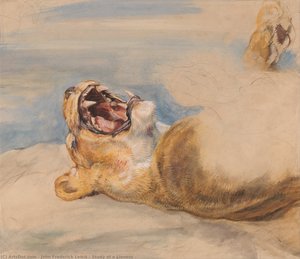
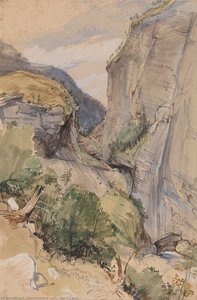
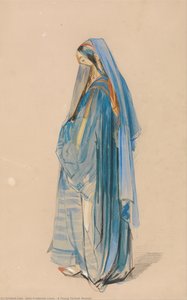
Biografija umetnika
John Frederick Lewis: Majstor orijentalističkog slikarstva
John Frederick Lewis, rođen 14. jula 1804. godine u Londonu, bio je jedan od najistaknutijih engleskih slikara orijentalizma devetnaestog veka. Njegov život i rad predstavljaju fascinantnu priču o umetniku koji je pronašao inspiraciju i autentičnost u dalekim zemljama, ostavljajući za sobom bogato nasleđe detaljnih i atmosferičnih dela koja su oblikovala zapadno shvatanje Orijenta. Poticao je iz porodice sa umetničkom tradicijom – njegov otac, Frederick Christian Lewis, bio je ugledni gravir i pejzažista, što je nesumnjivo uticalo na njegov rani razvoj i interesovanje za slikarstvo.
Rane godine i obrazovanje
Lewisovo formalno umetničko obrazovanje započelo je pod mentorstvom Sir Thomasa Lawrence-a, poznatog portretiste. U radionici Lawrence-a imao je priliku da usavršava svoje veštine uz druge talentovane umetnike poput Edwina Landseera. Ovaj period je bio ključan za razvoj njegovih tehničkih sposobnosti i razumevanja kompozicije, pružajući mu čvrstu osnovu za buduće eksperimente i inovacije. Iako je Lawrence uticao na njega u pogledu portretisanja i elegancije linija, Lewis se ubrzo okrenuo ka sopstvenom vizionarstvu.
Putovanja i formiranje orijentalističkog stila
Lewisova umetnička karijera odvijala se kroz nekoliko različitih faza, ali je najpoznatiji po svojim putovanjima po Sredozemlju. Njegove ekspedicije nisu bile samo posete egzotičnim destinacijama; one su predstavljale duboko uranjanje u kulturu i svakodnevni život zemalja koje je posetio. Prvo, tokom boravka u Španiji i Maroku (1832-1834), Lewis je stvarao brojne litografije koje su kasnije objavljene kao “Skice i crteži Alhambre” (1835) i “Lewisove skice Španije i španskog karaktera” (1836). Ova dela odražavaju njegovu fascinaciju arhitekturom, bojama i atmosferom Iberijskog poluostrva. Međutim, pravi prelomni trenutak u njegovoj karijeri dogodio se tokom višegodišnjeg boravka u Kairu (1841-1851).
Kairo: Zenit orijentalističkog stvaralaštva
Boravak u Egiptu bio je neosporno najplodniji period u Lewisovom životu. U Kairu je savršio svoj jedinstveni orijentalistički stil, kreirajući dela odlikovana izuzetnom pažnjom prema detaljima i bogatom paletom boja. Njegove slike nisu bile samo puke reprodukcije onoga što je video; one su predstavljale kombinaciju realističnih prizora svakodnevnog života i idealizovanih prikaza luksuznih enterijera egipatskih domova. Umetnik se posvetio prikazivanju detaljnih scena iz harema, radionica, pijaca i verskih obreda, nudeći zapadnoj publici retku uvid u svet koji je bio relativno nepoznat.
Nasleđe i značaj
Lewisovo doprinos svetu umetnosti ogleda se u njegovoj ključnoj ulozi u razvoju orijentalističkog slikarstva. Njegove slike, poput A Bedouin, The Ramesseum at Thebes i A Young Turkish Woman, postigle su veliki uspeh kod publike i kritike. Posebno se ističe njegova posvećenost preciznom prikazivanju islamske arhitekture, nameštaja i kostima, postavljajući nove standarde realizma u ovom žanru. Nakon povratka u Englesku 1851. godine, nastavio je da slika do svoje smrti 15. avgusta 1876. godine u Walton-on-Thamesu. Njegovo delo i danas privlači pažnju ljubitelja umetnosti i istoričara, nudeći dragocen uvid u percepcije Orijenta tokom devetnaestog veka. Njegova sposobnost da uhvati suštinu egzotičnih kultura i prenese je na platno učinila ga je jednim od najznačajnijih orijentalističkih slikara svih vremena.
Harem Life in Constantinople, detaljno uljano platno koje prikazuje život u otomanskom domaćinstvu, predstavlja još jedan primer njegovog majstorstva i posvećenosti autentičnosti.
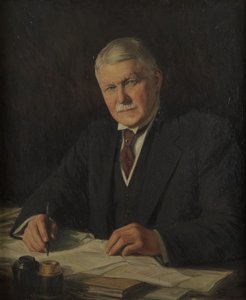
Džon Frederik Luis
1804 - 1876 , Уједињено Краљевство
Osnovne informacije
- Datum Rođenja: 14. jul 1804.
- Datum Smrti: 15. avgust 1876.
- Mesto Rođenja: London, Ujedinjeno Kraljevstvo
- Nacionalnost: Britanski
- Puno Ime: John Frederick Lewis
- Umetnici Koji Su Uticali: ['Sir Thomas Lawrence']
- Umetnički Pokret: Orijentalizam
- Značajna Dela:
- Bedouin
- Ramesseum u Tebi
- Mlada Turkinja
Povezani članci
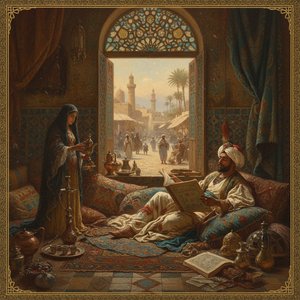
John Frederick Lewis: Orientalism, Detail & Genre Painting in 19th-Century British Art
Explore the captivating Orientalist paintings of John Frederick Lewis! Discover his mastery of detail, genre scenes & influence on 19th-century British art. Learn about his life, techniques & legacy at ArtsDot.
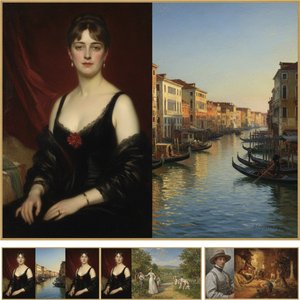
25 Remek-dela Džona Singera Sargenta: Portreti Elegancije i Svetlosti | ArtsDot
Uronite u svet Džona Singera Sargenta! Otkrijte 25 remek-dela impresionizma i realizma, od portreta Madame X do fascinantnih akvarela. Inspiracija za dekoraciju enterijera & luksuzne reprodukcije slika na ArtsDot.com.

25 Remek-dela Džona Konstebla: Lepota Engleske na Platnu | ArtsDot
Uronite u svet Džona Konstebla! Otkrijte 25 remek-dela engleskog pejzaža, romantizma i seoske idile. Kupite reprodukcije slika vrhunskog kvaliteta za dekoraciju enterijera na ArtsDot.com.
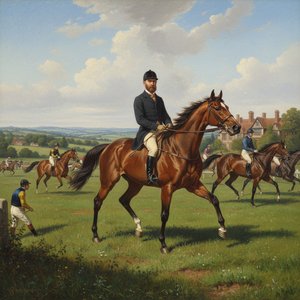
John Frederick Herring Sr.: Equestrian Mastery & the Rise of Sporting Art in Victorian England
Explore the life & work of John Frederick Herring Sr., a leading Victorian equestrian artist. Discover his masterpieces, patronage, techniques & investment potential. Expert insights for collectors.
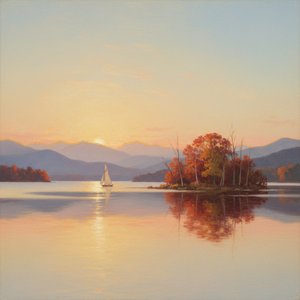
John Frederick Kensett: Luminosity, Landscape & the American Identity
Explore the luminous landscapes of John Frederick Kensett, a master of Luminism and key figure in the Hudson River School. Discover his serene paintings & enduring legacy with ArtsDot.

