

 Pregledaj u prostoru
 Pošalji
 Podeli
 Detalji o delu

 Преузми
 Slični predmeti
 Rendgenski snimak
 Slajdovi
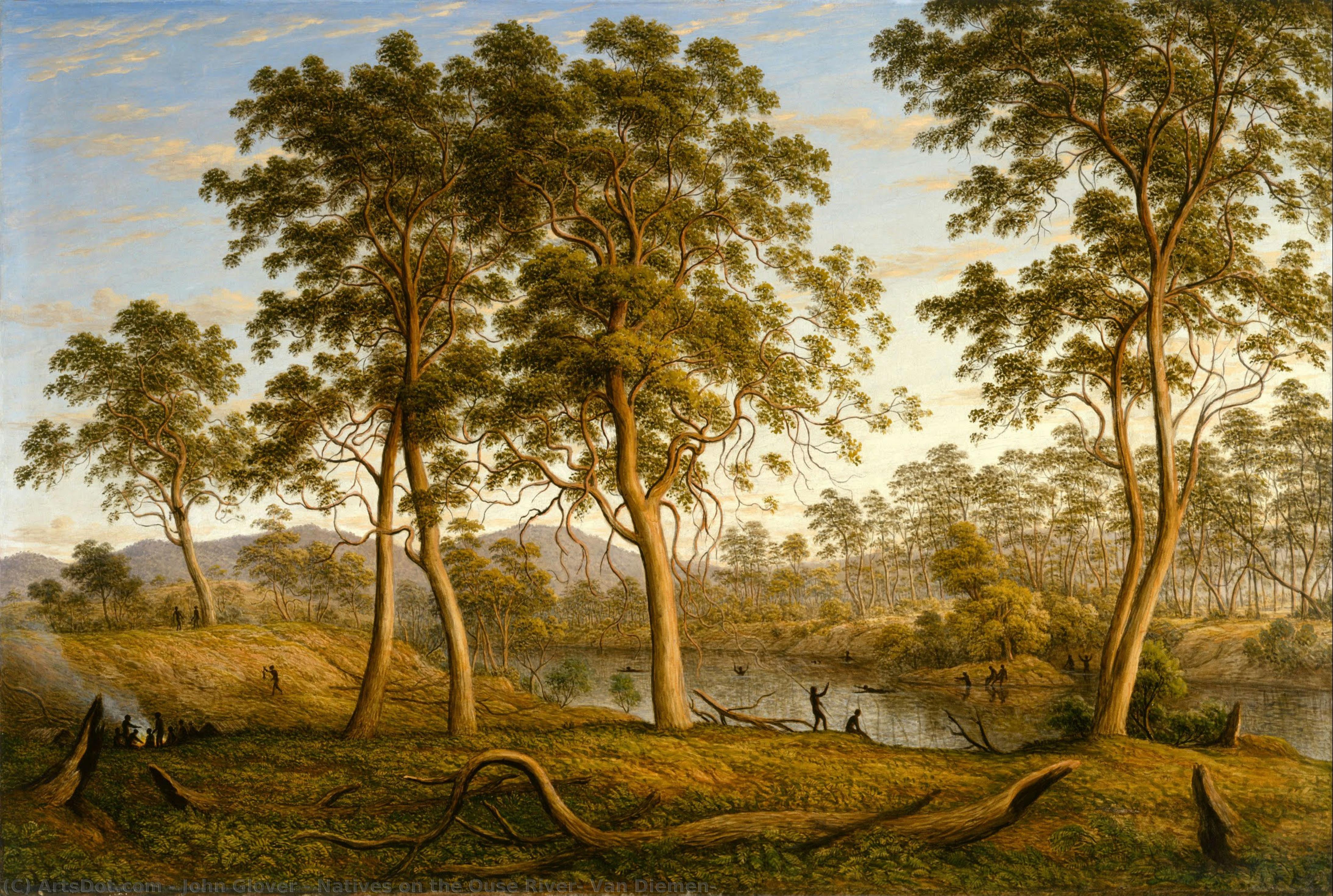
Natives on the Ouse River, Van Diemen
 Oil
Oil- WallArt
- Romantic Landscape Painting
 1838
1838- 19th Century
 106.0 x 143.0 cm
 Art Gallery of New South Wales
 Pročitaj više
Ručno rađena uljana reprodukcija
Ručno oslikano uljanim bojama na platnu u dimenzijama i okviru po vašem izboru, izrađeno po porudžbini od strane naših umetnika. ( Kupi print Kupi digitalnu sliku)




P118B $10

P118H $10

P118W $10

P438Z $10

P508JH $12

P508YH $12

P805H $10

P805Z $10

P919BZ $10

P919G $10

P919XJ $10

P959ZH $10

P968JZ $12

W106C $8

W218G $10

W218JH $8

W218Y $10

W307PJ $10

W316G $10

W316PJ $8

W316Y $10

W398PJ $8

W4111J $10

W500HY $15

W500JH $15

W692G $12

W849H $8

W940BG $15

W953PJ $8




Izaberite jednu od naših unapred definisanih veličina koje odgovaraju originalnim proporcijama umetničkog dela.

Можете унети сопствене димензије како бисте прилагодили дело одређеном оквиру или простору. Ако одабрана величина не одговара пропорцијама оригинала, слика ће бити исечена или проширена додатним елементима који се ручно насликавају. Дигитални prikaz ће вам бити послат на одобрење пре почетка производње.
Имајте на уму да преглед на екрану не одражава стварно исецање или проширење. Само приказ (mockup) ће тачно приказати коначну композицију.
Иако су доступне прилагођене величине, препоручујемо да одаберете димензију из дефинисане листе како бисте сачували оригиналне пропорције.
Nakon narudžbine, tim ArtsDot.com će klijentu putem e-pošte poslati uputstva i dostaviti prikaz predloženog rešenja
Isporuka širom sveta () za 3/4 nedelje umesto uobičajenih 5 nedelja. (2 септембар). Bez kompromisa po pitanju kvaliteta.

Besplatna ekspresna dostava širom sveta

Visokokvalitetno laneno platno

Kompletno osiguranje transporta

Garancija povraćaja carine i uvoznih dažbina

Garancija vernosti boja

Politika povrata u roku od 60 dana (samo u slučaju nedostataka)

Garancija povrata novca od 100%

Popust pri grupnoj kupovini
 Opcija sa staklom dostupna je samo za dimenzije manje od 110 cm

Natives on the Ouse River, Van Diemen
Tehnika reprodukcije
Dimenzije reprodukcije
-


Konačna cena
$ 263
John Glover’s “Natives on the Ouse River, Van Diemen” – A Pioneer of Australian Landscape Painting
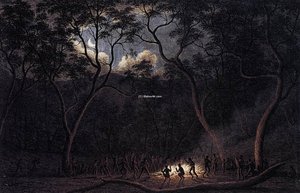
John Glover (1767-1849) stands as a monumental figure in the annals of Australian art history—often hailed as "the father of Australian landscape painting." His artistic journey began modestly in Leicestershire, England, where he honed his skills as a drawing master and embraced both oil and watercolor mediums. However, it was his emigration to Tasmania in 1831 at the age of sixty-four that cemented his legacy, transforming him into one of the foremost practitioners of Romantic landscape painting within the burgeoning colonial frontier. This pivotal move allowed Glover to immerse himself in the untamed beauty of Van Diemen’s Land—now Tasmania—inspiring a distinctive visual language that continues to resonate today.- Subject Matter: Glover's “Natives on the Ouse River” captures a quintessential scene from Tasmania’s early colonial era: Indigenous Australians engaging in everyday activities alongside the serene waters of the Ouse River. The painting eschews grand vistas and theatrical compositions, favoring instead a quiet intimacy that reflects Glover’s profound connection to his surroundings.
- Style & Technique: Influenced by Claude Lorrain—a celebrated French landscapist whose works championed idealized depictions of Arcadia—Glover adopted a luminous technique characterized by soft brushstrokes and subtle tonal gradations. He skillfully employed atmospheric perspective, layering colors to convey depth and creating an ethereal quality that evokes the tranquility of the Tasmanian bushland.
- Historical Context: Painted in 1838, “Natives on the Ouse River” emerges from a complex period marked by escalating tensions between Indigenous Australians and European settlers. The painting subtly underscores the clash of cultures—the encroaching influence of colonial expansion juxtaposed against the enduring presence of Aboriginal traditions. Glover’s depiction aligns with broader Romantic ideals that championed harmony between humanity and nature, albeit viewed through the lens of an evolving colonial narrative.
- Symbolism: Beyond its aesthetic beauty, “Natives on the Ouse River” carries symbolic weight. The painting embodies Glover's belief in the inherent dignity and resilience of Indigenous Australians—a sentiment that speaks to a larger conversation about reconciliation and acknowledging Australia’s history. Furthermore, the depiction of the landscape itself symbolizes unspoiled wilderness—a visual testament to the untouched grandeur of Tasmania before European settlement.
- Emotional Impact: Glover's masterful execution transmits an overwhelming sense of serenity and contemplation. The painting invites viewers to immerse themselves in a moment of stillness, fostering appreciation for the sublime beauty of the natural world and prompting reflection on humanity’s relationship with its environment.
Provenance & Recognition
The artwork resides at Naala Nura, Grand Courts, Sydney, Australia. It was purchased with assistance from Mr and Mrs J K Bain in 1985. “Natives on the Ouse River” has been featured prominently in six exhibitions showcasing Glover’s oeuvre—most notably "Bazaar and exhibition of pictures" held at Cornwell Assembly Rooms in 1851, where it garnered critical acclaim for its pioneering approach to landscape painting. It was also included in “Exhibition of works of art” at Launceston Mechanics Institute in 1860, cementing Glover’s position as a visionary artist ahead of his time.Further Exploration
“Natives on the Ouse River” is referenced in thirty-six publications documenting Glover's artistic achievements and contributions to Australian art history. Erica Burgess’s “John Glover and the Colonial Picturesque” delves into the influence of Claude Lorrain on Glover’s stylistic choices, analyzing his masterful use of light and color—a hallmark of Romantic landscape painting. The artwork is also featured in "Great gifts, great patrons" at Art Gallery of New South Wales in 1994, highlighting its significance within the broader context of Victorian art patronage. Finally, “Australian Collection Focus: John Glover Natives on the Ouse River, Van Diemen’s Land” examines Glover's artistic legacy through a contemporary lens—underscoring his enduring relevance as an artist who captured the spirit of Tasmania and championed the sublime beauty of its wilderness.Srodna umetnička dela
Biografija umetnika
Early Life and Artistic Foundations
John Glover, born February 18, 1767, in the tranquil Leicestershire countryside of England, possessed an innate artistic sensibility that blossomed early in life. From humble beginnings as the youngest son of a farming family at Houghton-on-the-Hill, young John demonstrated a remarkable talent for both drawing and calligraphy. This skill led to his appointment as a writing master at the Free School in Appleby, a position that provided him with a stable foundation while nurturing his burgeoning artistic inclinations. It was during this period that Glover began to explore painting in both oil and watercolour, receiving instruction from notable artists of the time such as William Payne and potentially John 'Warwick' Smith. These early lessons instilled within him a deep appreciation for picturesque views and a dedication to capturing the beauty of the natural world through sketching tours – a practice that would define his artistic journey for decades to come. He quickly developed an eye for composition, light, and atmosphere, skills he honed while meticulously documenting the landscapes around him.A Rising Star in the British Art World
Glover’s dedication and talent did not go unnoticed. In 1805, he became a member of the prestigious Old Water Colour Society, quickly ascending to the position of president in 1807. This marked a significant turning point in his career, solidifying his reputation within the British art establishment. He exhibited extensively at both the Royal Academy and the Society of British Artists, showcasing his evolving style and captivating audiences with his romantic landscapes. Glover became particularly known for what were termed “Italianate” scenes – not literal depictions of Italy, but rather idealized visions of Britain and Southern Europe infused with a distinctly classical sensibility. His work drew heavily from the influence of Claude Lorrain, earning him the affectionate moniker "the English Claude." This comparison was apt; like his admired predecessor, Glover masterfully employed luminous skies, harmonious compositions, and an overall sense of idyllic beauty in his paintings. By 1820, he had established his own gallery in London, a testament to his growing success and artistic independence.A New World, A Transformed Vision
In 1831, at the age of sixty-four, John Glover made a bold decision that would irrevocably alter both his life and his art: he emigrated with his family to Van Diemen’s Land (now Tasmania), Australia. This was not merely a relocation; it was a leap into the unknown, driven by a desire for new opportunities and a fascination with the untamed beauty of the Antipodes. Upon arrival, Glover acquired a substantial land grant at Mills Plains, which he christened Patterdale after a cherished location in the Lake District – a poignant reminder of his English roots. However, Australia was unlike anything he had ever encountered. The landscape demanded a new approach, and Glover responded with remarkable adaptability. He gradually moved away from the idealized romanticism of his earlier work, embracing a more naturalistic and atmospheric style that reflected the unique qualities of the Tasmanian environment. His palette underwent a transformation, incorporating olive greens, ochres, misty greys, and intense blues to capture the distinctive light and atmosphere of the Australian bush, particularly the majestic eucalyptus trees.Legacy as the “Father of Australian Landscape Painting”
Glover’s pioneering depictions of the Australian landscape cemented his place in art history. Notable works such as "Launceston and the River Tamar," "At Matlock - mist rising," and perhaps most significantly, "Natives on the Ouse River, Van Diemen’s Land" stand as testaments to his artistic vision and historical importance. “Natives on the Ouse River” is particularly noteworthy for its reflection of European perceptions of an idyllic Antipodean landscape, a complex portrayal that invites critical examination. He is rightfully considered the "father of Australian landscape painting," not simply because he was among the first to depict the continent’s natural beauty, but because he established a new approach – one that moved beyond colonial art styles and embraced the unique character of the land. His influence extended far beyond his lifetime; The John Glover Society was founded to honor his legacy, commissioning a statue in his likeness and awarding an annual prize for Tasmanian landscape paintings. Today, Glover’s paintings are held in major art galleries throughout Australia and internationally, continuing to inspire artists and captivate audiences with their beauty, technical skill, and enduring historical significance. He remains a pivotal figure in the development of Australian art, a testament to the power of artistic vision and the transformative potential of embracing a new world.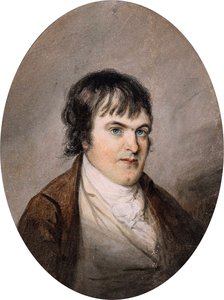
John Glover
1767 - 1849 , United Kingdom
Osnovne informacije
- Artistic Movement Or Style: Romanticism, Landscape
- Artists Or Movements Influenced By This Artist: ['Australian Landscape Painting']
- Artists Who Influenced This Artist:
- Claude Lorrain
- William Payne
- John 'Warwick' Smith
- Date Of Birth: Feb 18, 1767
- Date Of Death: Dec 9, 1849
- Full Name: John Glover
- Nationality: British-Australian
- Notable Artworks:
- Launceston & River Tamar
- At Matlock - mist rising
- Natives on the Ouse River
- Place Of Birth: Leicester, UK
Povezani članci

25 Remek-dela Džona Konstebla: Lepota Engleske na Platnu | ArtsDot
Uronite u svet Džona Konstebla! Otkrijte 25 remek-dela engleskog pejzaža, romantizma i seoske idile. Kupite reprodukcije slika vrhunskog kvaliteta za dekoraciju enterijera na ArtsDot.com.

25 Remek-dela Džona Singera Sargenta: Portreti Elegancije i Svetlosti | ArtsDot
Uronite u svet Džona Singera Sargenta! Otkrijte 25 remek-dela impresionizma i realizma, od portreta Madame X do fascinantnih akvarela. Inspiracija za dekoraciju enterijera & luksuzne reprodukcije slika na ArtsDot.com.

Giclée Prints: Archival Quality & Aesthetic Nuances for the Discerning Collector
Explore the world of giclée prints with ArtsDot. Learn about archival quality, aesthetic nuances & investment potential. Expert guidance for discerning art collectors seeking museum-quality reproductions and lasting value.

Glavna dela koja su definisala Romantični pejzaž: 10 remek-dela za vaš dom
Otkrijte 10 remek-dela romantičnog pejzažnog slikarstva! Uronite u svet Claude Lorraina, Caspara David Friedricha i Turnera. Ispričane priče umetnosti, inspiracija za dekoraciju doma. Kvalitetne reprodukcije na ArtsDot.com – istražite celu kolekciju online!

Echoes of Time: Exploring the Enduring Appeal & Historical Context of Vintage Art Prints
Explore the captivating world of vintage art prints! Discover their history, collecting tips & enduring appeal. Expert insights on chromolithography and building a legacy collection with ArtsDot.

