 Pregledaj u prostoru
 Pošalji
 Podeli
 Detalji o delu

 Преузми
 Slični predmeti
 Rendgenski snimak
 Slajdovi
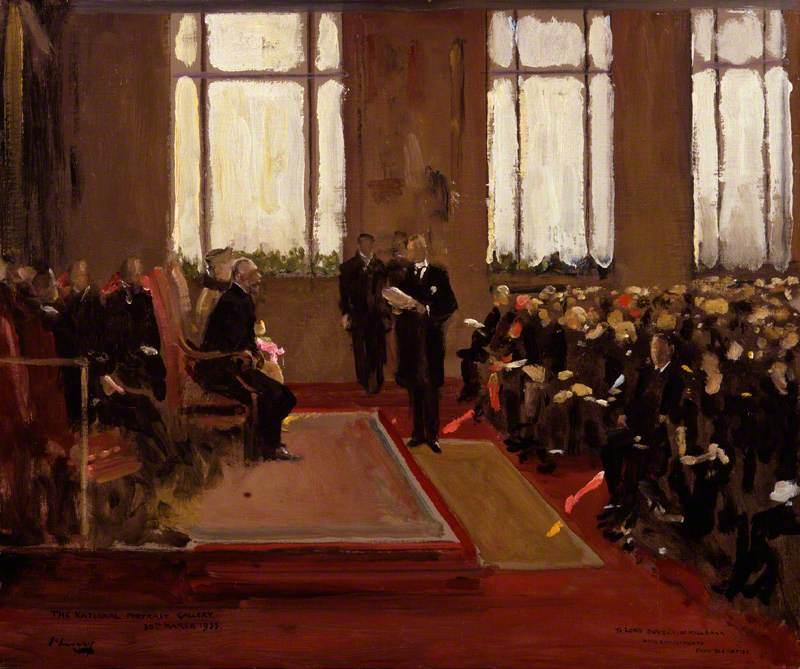
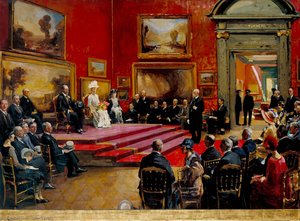
Opening of the Lord Duveen Annexe to the National Portrait Gallery


 Pročitaj više
Ručno rađena uljana reprodukcija
Ručno oslikano uljanim bojama na platnu u dimenzijama i okviru po vašem izboru, izrađeno po porudžbini od strane naših umetnika. ( Kupi print Kupi digitalnu sliku)




































Izaberite jednu od naših unapred definisanih veličina koje odgovaraju originalnim proporcijama umetničkog dela.

Можете унети сопствене димензије како бисте прилагодили дело одређеном оквиру или простору. Ако одабрана величина не одговара пропорцијама оригинала, слика ће бити исечена или проширена додатним елементима који се ручно насликавају. Дигитални prikaz ће вам бити послат на одобрење пре почетка производње.
Имајте на уму да преглед на екрану не одражава стварно исецање или проширење. Само приказ (mockup) ће тачно приказати коначну композицију.
Иако су доступне прилагођене величине, препоручујемо да одаберете димензију из дефинисане листе како бисте сачували оригиналне пропорције.
Nakon narudžbine, tim ArtsDot.com će klijentu putem e-pošte poslati uputstva i dostaviti prikaz predloženog rešenja
Isporuka širom sveta () za 3/4 nedelje umesto uobičajenih 5 nedelja. (5 септембар). Bez kompromisa po pitanju kvaliteta.

Besplatna ekspresna dostava širom sveta

Visokokvalitetno laneno platno

Kompletno osiguranje transporta

Garancija povraćaja carine i uvoznih dažbina

Garancija vernosti boja

Politika povrata u roku od 60 dana (samo u slučaju nedostataka)

Garancija povrata novca od 100%

Popust pri grupnoj kupovini
 Opcija sa staklom dostupna je samo za dimenzije manje od 110 cm

Opening of the Lord Duveen Annexe to the National Portrait Gallery
Tehnika reprodukcije
Dimenzije reprodukcije
-


Konačna cena
$ 263
A Moment Frozen in Time: Sir John Lavery’s ‘Opening of the Lord Duveen Annexe to the National Portrait Gallery’
A Snapshot of Edwardian Grandeur and Artistic Vision
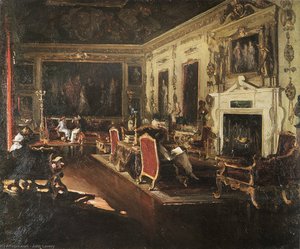
Sir John Lavery's "Opening of the Lord Duveen Annexe to the National Portrait Gallery," painted in 1933, stands as a testament to Sir John Lavery’s masterful ability to capture both the grandeur of Edwardian society and the subtle nuances of artistic expression. The painting “Opening of the Lord Duveen Annexe to the National Portrait Gallery” by Sir John Lavery stands as a quintessential representation of British Edwardian elegance—a snapshot frozen in time, capturing not merely an event but also the spirit of its era – the burgeoning optimism of the 1930s and the ambition to celebrate British cultural heritage.A Moment Frozen in Time: Exploring Lavery’s ‘Opening of the Lord Duveen Annexe to the National Portrait Gallery’
Sir John Lavery's “Opening of the Lord Duveen Annexe to the National Portrait Gallery,” completed in 1933 by Sir John Lavery, stands as a quintessential example of British Edwardian portraiture—a celebration of social prestige interwoven with subtle artistic innovation. Created in 1933 by Sir John Lavery, ‘Opening of the Lord Duveen Annexe to the National Portrait Gallery’ transcends mere depiction; it's an encapsulation of ambition and cultural significance within Britain’s Edwardian era.
The Canvas Speaks: An Examination of “Opening of the Lord Duveen Annexe to the National Portrait Gallery” by Sir John Lavery
A Snapshot of Patronage and Artistic Vision
Sir John Lavery's "Opening of the Lord Duveen Annexe to the National Portrait Gallery," completed in 1933, stands as a quintessential example of Edwardian portraiture—a genre defined by formality, meticulous detail, and an aspiration for capturing not just likeness but also character. Sir John Lavery’s “Opening of the Lord Duveen Annexe to the National Portrait Gallery” is more than just a depiction of a formal gathering; it's a snapshot of British cultural life in 1933—a moment frozen in time by Sir John Lavery’s masterful brushstrokes.A Moment Frozen: The Opening of the Lord Duveen Annexe
Sir John Lavery’s “Opening of the Lord Duveen Annexe to the National Portrait Gallery,” completed in 1933 by Sir John Lavery, stands as a quintessential example of Edwardian portraiture—a genre characterized by its formality and meticulous attention to detail. Created in 1933 by Sir John Lavery, ‘Opening of the Lord Duveen Annexe to the National Portrait Gallery’ isn't merely a painting; it’s a snapshot crystallized in oil on canvas – a moment captured by Sir John Lavery in 1933 and now available for reproduction at /en/art/show/art-8ydks9-en/ Portrait Gallery
A Moment Frozen in Time: Sir John Lavery’s ‘Opening of the Lord Duveen Annexe to the National Portrait Gallery’
A Snapshot of Edwardian Grandeur and Artistic Vision
The painting “Opening of the Lord Duveen Annexe to the National Portrait Gallery” by Sir John Lavery stands as a quintessential representation of British society during the interwar years—a moment frozen in time, imbued with elegance and understated grandeur. The artwork, "Opening of the Lord Duveen Annexe to the National Portrait Gallery," by Sir John Lavery, is more than just a depiction of an event; it’s a snapshot of Edwardian Britain – a society grappling with modernity while clinging fiercely to tradition. This magnificent oil on canvas painting, “Opening of the Lord Duveen Annexe to the National Portrait Gallery,” by Sir John Lavery stands as a quintessential representation of British Edwardian elegance and artistic ambition—a captivating tableau frozen in time that continues to resonate with audiences today.A Moment Captured: The Opening of the Lord Duveen Annexe
The painting “Opening of the Lord Duveen Annexe to the National Portrait Gallery” by Sir John Lavery is more than just a depiction of an architectural event; it’s a snapshot of British society in 1933—a moment frozen in time, imbued with elegance and anticipation. This detailed description aims to capture not only what you see but also why “Opening of the Lord Duveen Annexe to the National Portrait Gallery” by Sir John Lavery resonates so powerfully with its subject matter and artistic execution.A Snapshot of Patronage and Artistic Vision
The painting "Opening of the Lord Duveen Annexe to the National Portrait Gallery," created in 1933 by Sir John Lavery, stands as a quintessential example of Edwardian portraiture—a genre characterized by formality, meticulous detail, and an unwavering commitment to capturing the sitter’s likeness. This essay delves into the artistic merit of “Opening of the Lord Duveen Annexe to the National Portrait Gallery” by Sir John Lavery, aiming for an engaging art magazine style.A Moment Frozen in Time: Exploring Lavery's ‘Opening of the Lord Duveen Annexe to the National Portrait Gallery’
A Snapshot of Edwardian Grandeur and Artistic Vision
The painting “Opening of the Lord Duveen Annexe to the National Portrait Gallery” by Sir John Lavery stands as a quintessential representation of British society during the interwar years—a moment frozen in time, imbued with elegance and quiet contemplation. This detailed analysis delves into the artistic merit of "Opening of the Lord Duveen Annexe to the National Portrait Gallery" by Sir John Lavery, a seminal work capturing the grandeur and formality of early 20th-century British society.A Moment Frozen in Time: Exploring Lavery’s ‘Opening of the Lord Duveen Annexe to the National Portrait Gallery’
A Snapshot of Edwardian Grandeur: Sir John Lavery's Masterpiece
The painting “Opening of the Lord Duveen Annexe to the National Portrait Gallery” by Sir John Lavery stands as a quintessential representation of British society during the interwar years—a moment frozen in time, imbued with both grandeur and quiet contemplation. This detailed analysis aims to illuminate not only the visual elements of ‘Opening of the Lord Duveen Annexe to the National Portrait Gallery’ but also its significance within the broader artistic landscape of the early 20th century.A Moment Frozen in Time: Sir John Lavery's "Opening of the Lord Duveen Annexe to the National Portrait Gallery"
A Snapshot of Edwardian Grandeur and Artistic Vision
The painting “Opening of the Lord Duveen Annexe to the National Portrait Gallery” by Sir John Lavery stands as a quintessential example of British Impressionism, capturing not merely a visual scene but also the palpable atmosphere of an era defined by grandeur and intellectual curiosity. The artwork, "Opening of the Lord Duveen Annexe to the National Portrait Gallery," by Sir John Lavery, transcends mere depiction; it’s a snapshot crystallized in oil on canvas—a moment captured with meticulous detail and imbued with the spirit of its time.A Celebration of Art and Patronage: Exploring ‘Opening of the Lord Duveen Annexe to the National Portrait Gallery’ by Sir John Lavery
A Snapshot of Edwardian Grandeur
Sir John Lavery's "Opening of the Lord Duveen Annexe to the National Portrait Gallery," painted in 1933, stands as a testament to Sir John Lavery’s masterful ability to capture both the grandeur of Edwardian society and the subtle nuances of artistic expression. The painting “Opening of the Lord Duveen Annexe to the National Portrait Gallery” by Sir John Lavery stands as a quintessential representation of British Edwardian elegance—a snapshot frozen in time, capturing not just an event but also the spirit of its era – the burgeoning optimism of the 1930s and the ambition to celebrate British cultural heritage.A Moment Frozen in Time: Exploring ‘Opening of the Lord Duveen Annexe to the National Portrait Gallery’ by Sir John Lavery
A Snapshot of Edwardian Grandeur: Lavery's Capture of Ceremony
The painting “Opening of the Lord Duveen Annexe to the National Portrait Gallery” by Sir John Lavery stands as a quintessential example of British portraiture during the interwar period—a time marked by both artistic experimentation and profound social change. The artwork, "Opening of the Lord Duveen Annexe to the National Portrait Gallery," by Sir John Lavery, transcends mere depiction; it’s an immersive experience into the grandeur of Edwardian Britain and a testament to Sir John Lavery's masterful observation of human interaction within a grand setting.A Moment Frozen in Time: Exploring Lavery’s ‘Opening of the Lord Duveen Annexe to the National Portrait Gallery’
A Snapshot of Patronage and Artistic Vision
The painting “Opening of the Lord Duveen Annexe to the National Portrait Gallery” by Sir JohnSrodna umetnička dela
Biografija umetnika
Život Uroњen u Portrete i Društvo
Ser John Lavery, roђen у Белфасту 1856. године, био је сликар који је са лакоћом ухватио дух свог доба – ере дефинисане и оплеменим едвардјанским друштвом и мрачним стварностима рата. Пут с кога је кренуо од скромних почетака до постајања једног од најтраженијих портретиста у Британији сведочи о његовом таленту, амбицији и способности да се оријентише кроз сложене социјалне токове свога времена. Орађен рано у животу, Lavery се нашао пребачен у Шкотску, где је добио основну обуку у Академији Haldane у Глазгову током 1870-их. Ова првобитна изложеност запалила је страст која га је довела до даљег школовања на Académie Julian у Паризу почетком 1880-их, уроњавајући га у срце европске уметничке иновације.
По повратку у Глазгоу, Lavery се брзо повезао са утицајном Покретом школе Глазгова, усвојивши његове естетске принципе и стварајући везе које су обликовале његов рани развој. Кљужни тренутак догодио се 1888. године када је осигурао престижну комисију: сликарство посете краљице Викторије Међународној изложби у Глазгову. Ово је означило тачку окретнице, избацивши га у орбиту високог друштва и подстакнувши прелазак у Лондон нешто касније. Комисија није била само професионални тријумф; сигнализирала је Lavery-јев долазак као сликара способијног да ухвати не само изглед, већ и величину и власт својих субјеката.
Утицаји и Уметнички Развој
Lavery-јева уметничка осетљивост била је дубоко обликована неколико кључних утицаја, највише James McNeill Whistler. Ценио је Whistler-ов нагласак на тоналној хармонији, атмосферским ефектима и рафинираној естетици – особине које су постале одлика Lavery-јевог сопственог стила. Та утицајност се види у деликатном раду четком и суптилној палети боја које се провлаче кроз његов опус. Поред Whistler-а, Lavery је усвојио лекције од Француског импресионизма, укључујући елементе његових сломљених боја и наглашавања заухваћувања тренутног момента светлости. Међутим, он никада није у потпуности прихватио радикалан одлазак Импресионизма од традиционалног облика; уместо тога, синтетизовао је ове утицаје у јединствени лични стил који је балансирао елеганцију са модерном.
Његов рани рад често је приказивао сцене из свакодневног живота и пејзаже, али је његова мајсторска портретистичка способност заиста утврдила његову репутацију. Lavery је поседовао изузетан дар да ухвати суштину својих модела – њихову личност, друштвени статус и унутрашње животе – на платно. Вршно је комбиновао импресионистичке технике са оштрим оку за детаље, стварајући портрете који су били како естетски пријатни тако и психолошки провидни. Није само снимао изглед; тумачио је карактер.
Прикази Рата и Национално Признање
Избијање Првог светског рата донело је нову димензију Lavery-јевој уметничкој пракси. Као званични уметник рата, био је задужен да документује сукоб. Међутим, стална болест и ужасан удес са колима – последица бомбардовања Zeppelina – спречили су га да служи на Западном фронту. Неодређен, Lavery се фокусирао на сцене унутар Велике Британије, заухвативши атмосферу ратног живота кроз приказе чамаца, авиона и летећих бродова. Ови радови нуде јединствену перспективу рата, фокусирајући се не на ужасе ровова већ на технолошке напретке и логистичке изазове који су дефинисали сукоб у земљи.
После рата, његови доприноси били су формално признати звањем витеза 1921. године и избором за Краљевску академију. Његов живот је постао све више испреплетен са социјалним и политичким елитом, посебно породицом Аскит. Проводио је значајно времена у њиховој кући на обали Темзе, стварајући портрете и идиличне сцене које су нудиле блицеве у њихов привилеговани свет. Такође се нашао привучен турбулентним догађајима око ирске независности, пружајући свој лондонски дом као неутрално тло за кључне преговоре о споразуму.
Остатак и Постојани Утицај
Наследство Sir John Lavery-ја протеже се изван његове импресивне збирке дела. Био је харизматична фигура која се лако кретала између уметничких кругова и високог друштва, постајући симболом културне динамичности ере. Његови портрети остају веома тражени због своје елеганције, техничке вештине и провидних карактеризација. Као значајан национални догађај, његова алегоријска фигура Ирске појављивала се на ирским новчићима од 1928. до 1975. године.
Lavery-јев уметнички стил, карактерисан комбинацијом импресионистичких техника и детаљне прецизности, наставља да инспирише уметнике данас. Способност да ухвати суштину својих модела, заједно са његовом мајсторством светлости и боје, осигурава да ће његова дела и даље привлачити публику током генерација које долазе. Био је сликар који није само документовао своје време, већ га је и помогао да дефинише, остављајући небрисав траг у историји британске уметности.
Кључне Карактеристике Његове Уметности
- Импресионистичке Технике: Укључио је елементе импресионизма у свој рад, посебно у употреби светлости и боје.
- Портретистичка Експертиза: Познат по томе што је ухватио како физички изглед тако и психолошку дубину у својим портретима.
- Кључни Теме: Портрети, сцене друштва, прикази рата, пејзажи.
- Елегантан Стил: Његова сликања се често одликују елеганцијом, животописом и рафинираном естетиком.
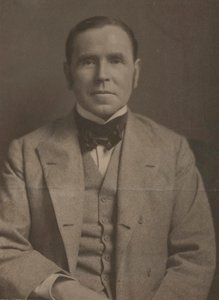
Džon Leveri
1856 - 1941 , Ирска
Osnovne informacije
- Datum Rođenja: 20. mart 1856.
- Datum Smrti: 10. januar 1941.
- Mesto Rođenja: Belfast, Irska
- Nacionalnost: Irski
- Puno Ime: Ser John Lavery
- Umetnički Pokret Ili Stil: Impresionizam, Portreti
- Uticajni Umetnici: ['Džejms MekNil Visler']
- Značajna Dela:
- Portret gospođe Lavery
- Majkl Kolins
- Leto na reci
Povezani članci
25 Remek-dela Nacionalne Galerije Londona: Umetnička Inspiracija za Vaš Dom
Otkrijte 25 remek-dela Nacionalne galerije Londona! Istražite priče Van Goga, Moneta i drugih velikana. Inspiracija za dekoraciju enterijera & luksuzne reprodukcije slika dostupne na ArtsDot.com.

25 Remek-dela Džona Singera Sargenta: Portreti Elegancije i Svetlosti | ArtsDot
Uronite u svet Džona Singera Sargenta! Otkrijte 25 remek-dela impresionizma i realizma, od portreta Madame X do fascinantnih akvarela. Inspiracija za dekoraciju enterijera & luksuzne reprodukcije slika na ArtsDot.com.
25 Remek-dela Nacionalne Galerije: Umetnička Baština Vašingtona za Ljubitelje Lepiote
Istražite 25 remek-dela Nacionalne galerije u Vašingtonu! Otkrijte priče iza Cezannea, Matissea i Picassa. Inspiracija za dekoraciju enterijera i vrhunske reprodukcije slika dostupne na ArtsDot.com.

25 Remek-dela Džona Konstebla: Lepota Engleske na Platnu | ArtsDot
Uronite u svet Džona Konstebla! Otkrijte 25 remek-dela engleskog pejzaža, romantizma i seoske idile. Kupite reprodukcije slika vrhunskog kvaliteta za dekoraciju enterijera na ArtsDot.com.
Sir John Lavery: A Study in Scottish Impressionism & the Portraiture of a Generation
Explore the life & art of Sir John Lavery, a master of Scottish Impressionism and renowned portraitist. Discover his captivating works, Irish heritage, and lasting legacy with ArtsDot.