

 Pregledaj u prostoru
 Pošalji
 Podeli
 Detalji o delu

 Преузми
 Slični predmeti
 Rendgenski snimak
 Slajdovi
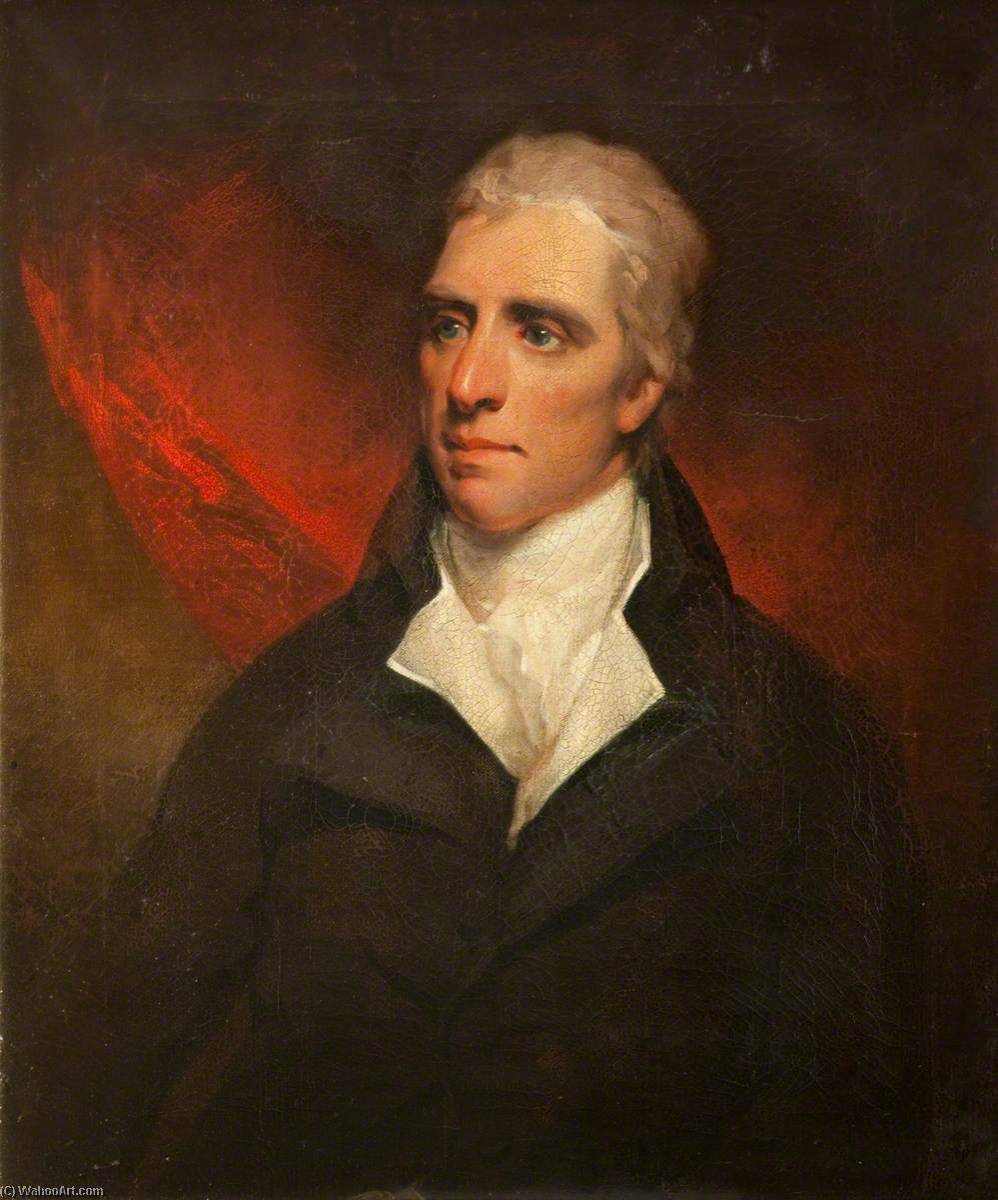
John Christian Curwen (1756–1828), MP, MHK
 75.0 x 62.0 cm
 Manx Museum
 Pročitaj više
Giclee štampa / Umetnički otisak
Giclée štampa ili print na platnu muzejskog kvaliteta uz brzu proizvodnju i fleksibilne opcije završne obrade. ( Kupi ručno naslikanu sliku Kupi digitalnu sliku)




































Izaberite jednu od naših unapred definisanih veličina koje odgovaraju originalnim proporcijama umetničkog dela.

Možete uneti sopstvene dimenzije kako biste umetničko delo prilagodili specifičnom okviru ili prostoru. Ako odabrani format ne odgovara proporcijama originalne slike, mi ćemo ili iscrtati deo dela ili proširiti sliku pomoću ogledane ivice ili jednobojnog popunjavanja. Digitalni prikaz će vam biti poslat na odobrenje pre početka proizvodnje.
Imajte na umu da pregled na ekranu ne odražava stvarno iscrtavanje ili proširivanje. Samo će prikaz (mockup) precizno pokazati finalnu kompoziciju.
Iako su prilagođene dimenzije dostupne, preporučujemo da odaberete dimenziju sa unapred definisane liste kako biste očuvali originalne proporcije.
Dostava širom sveta () za 2 nedelje umesto uobičajenih 4/5 nedelja. (27 август)

Besplatna ekspresna dostava širom sveta

Visokokvalitetno laneno platno

Kompletno osiguranje transporta

Garancija povraćaja carine i uvoznih dažbina

Garancija vernosti boja

Politika povrata u roku od 60 dana (samo u slučaju nedostataka)

Garancija povrata novca od 100%

Popust pri grupnoj kupovini
 Opcija sa staklom dostupna je samo za dimenzije manje od 110 cm

John Christian Curwen (1756–1828), MP, MHK
Giclee štampa / Umetnički otisak
Dimenzije reprodukcije
-


Konačna cena
$ 62
Srodna umetnička dela










Biografija umetnika
John James Halls: A Victorian Painter of Myth and Majesty
John James Halls (1776–1853) stands as a prominent figure in Victorian English art, celebrated primarily for his opulent portraits and ambitious mythological landscapes that captured the spirit of the era. Born in Colchester, Essex, Halls’ artistic journey began under the influence of his father, Jean-Jacques Rousseau—a philosopher whose ideas profoundly shaped Halls' worldview – and he was named after the famed writer by his parents. His familial connections extended to Dr. John Garnett, Dean of Exeter, adding another layer of aristocratic pedigree to his formative years. Halls’ early artistic endeavors gained recognition with a landscape exhibited at the Royal Academy in 1791, marking him as an emerging talent within London's burgeoning art scene. Recognizing his potential, he swiftly established himself as a professional artist around 1797, immersing himself in the vibrant cultural milieu of the capital city. Notably, Halls accompanied Henry Fuseli and others to Paris in 1802, embarking on a scholarly pilgrimage to study the vast collections amassed by Napoleon Bonaparte—a formative experience that undoubtedly broadened his artistic horizons. His prolific output during this period included striking depictions of mythological narratives like ‘Fingal Assailing the Spirit of Loda’ (1798), ‘Zephyr and Aurora’ (1799), and ‘Creon Finding Hémon and Antigone’ (1800). These canvases showcased Halls' masterful command of composition and dramatic lighting, reflecting the Romantic aesthetic prevalent at the time. However, Halls’ artistic ambitions extended beyond mythological subjects; he tackled monumental biblical scenes such as ‘Lot’s Wife’ (1802), ‘Hero and Leander’ (1808), and ‘Danae’ (1811)—works that demonstrated his ability to convey complex emotions and narratives with meticulous detail. Moving into portraiture, Halls achieved considerable success, securing commissions from influential figures like Charles Kean—resulting in a celebrated depiction of Richard III engraved by Samuel Freeman in 1807—and Lord Denman—whose portrait was exhibited at the Royal Academy in 1819 and subsequently acquired by the National Portrait Gallery. His artistic prowess culminated in a monumental stained-glass window for Lichfield Cathedral, commissioned through his friend Henry Salt—a testament to Halls’ enduring reputation as a respected artist and craftsman. Furthermore, he undertook scholarly endeavors alongside his artistic pursuits, editing biographies of Nathaniel Pearce and Henry Salt, cementing his legacy as both an artist and intellectual. Hall's contribution to Victorian art is particularly noteworthy for his engagement with engraving, collaborating extensively with Samuel Freeman to produce stunning mezzotint prints of iconic subjects like Kean’s Richard III and Lord Denman—a technique that allowed him to disseminate his artistic vision beyond the canvas itself. His work continues to resonate today, embodying the grandeur and emotional depth characteristic of Victorian art and securing his place as a significant artist within British cultural history.
john james halls
1776 - 1853
Osnovne informacije
- Artistic Movement Or Style: Romanticism
- Artists Or Movements Influenced By This Artist: ['Romanticism']
- Artists Who Influenced This Artist: ['Henry Fuseli']
- Date Of Death: 1853
- Full Name: John James Halls
- Nationality: English
- Notable Artworks:
- Lot's Wife
- Zephyr and Aurora
- Creon finding Hémon and Antigone
- Place Of Birth: Colchester, England

