

 Pregledaj u prostoru
 Pošalji
 Podeli
 Detalji o delu

 Преузми
 Slični predmeti
 Rendgenski snimak
 Slajdovi
 Stats
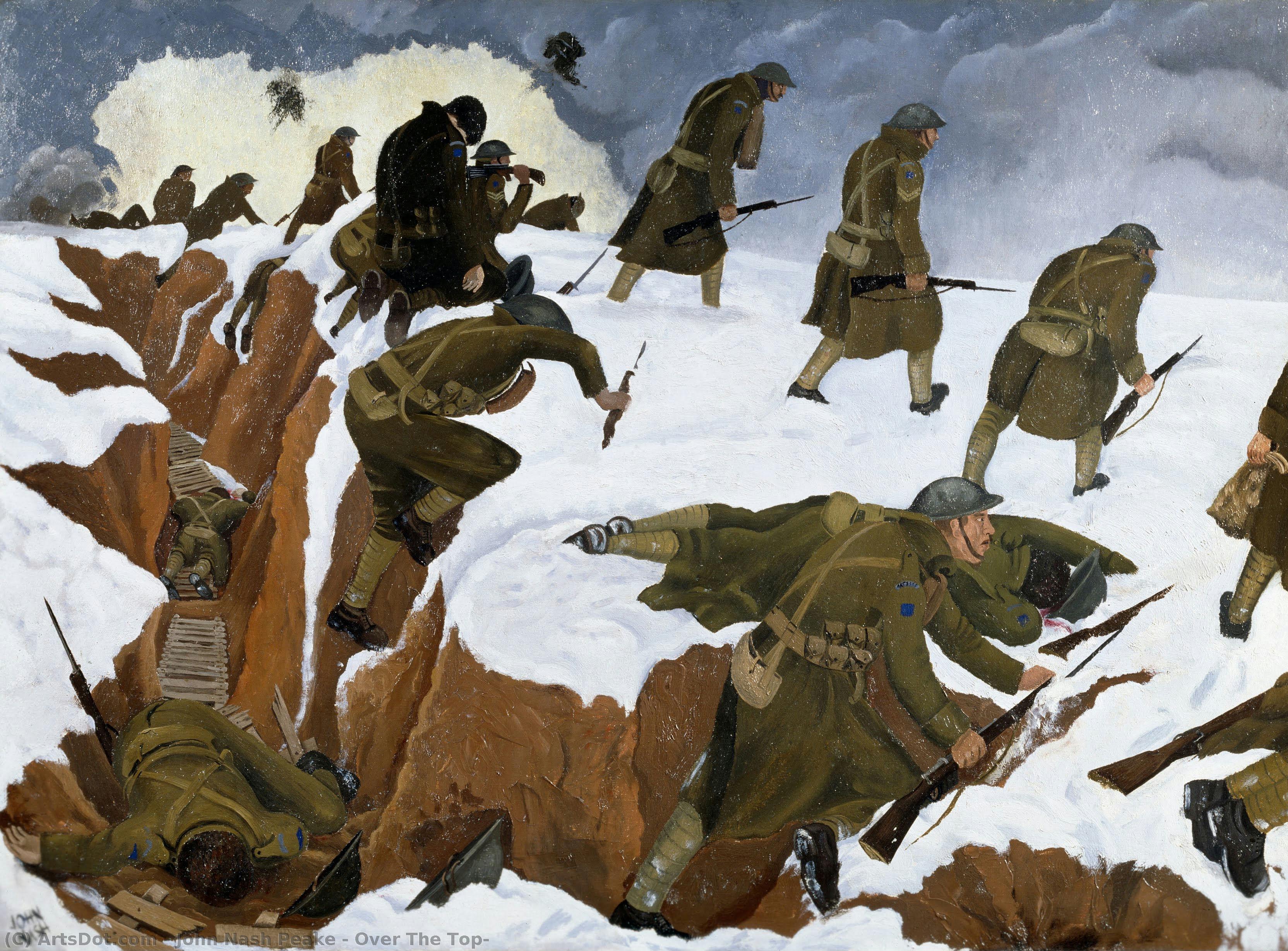
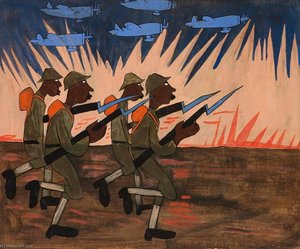
StatsOver The Top
 1918
1918 8.0 x 79.0 cm
 Imperial War Museums
 Pročitaj više
Giclee štampa / Umetnički otisak
Giclée štampa ili print na platnu muzejskog kvaliteta uz brzu proizvodnju i fleksibilne opcije završne obrade. ( Kupi ručno naslikanu sliku Switch to Digital Image)




































Izaberite jednu od naših unapred definisanih veličina koje odgovaraju originalnim proporcijama umetničkog dela.

Možete uneti sopstvene dimenzije kako biste umetničko delo prilagodili specifičnom okviru ili prostoru. Ako odabrani format ne odgovara proporcijama originalne slike, mi ćemo ili iscrtati deo dela ili proširiti sliku pomoću ogledane ivice ili jednobojnog popunjavanja. Digitalni prikaz će vam biti poslat na odobrenje pre početka proizvodnje.
Imajte na umu da pregled na ekranu ne odražava stvarno iscrtavanje ili proširivanje. Samo će prikaz (mockup) precizno pokazati finalnu kompoziciju.
Iako su prilagođene dimenzije dostupne, preporučujemo da odaberete dimenziju sa unapred definisane liste kako biste očuvali originalne proporcije.
Dostava širom sveta () za 2 nedelje umesto uobičajenih 4/5 nedelja. (8 септембар)

Besplatna ekspresna dostava širom sveta

Visokokvalitetno laneno platno

Kompletno osiguranje transporta

Garancija povraćaja carine i uvoznih dažbina

Garancija vernosti boja

Politika povraćaja u roku od 100 dana (isključivo u slučaju nedostataka)

Garancija povrata novca od 100%

Popust pri grupnoj kupovini
 Opcija sa staklom dostupna je samo za dimenzije manje od 110 cm

Over The Top
Giclee štampa / Umetnički otisak
Dimenzije reprodukcije
-


Konačna cena
$ 62
Srodna umetnička dela





Biografija umetnika
The Soul of the English Landscape: The Life and Legacy of John Nash Peake
In the annals of British Modernism, few artists possess the ability to bridge the gap between the serene romanticism of the countryside and the visceral, psychological shadows of war as profoundly as John Nash Peake. Born in London in 1896 into a lineage of creative distinction—his father being a noted sculptor—Peake was immersed in the language of form and visual storytelling from his earliest years. This foundational connection to the arts led him to the prestigious Slade School of Art, where he refined a technique that would eventually allow him to capture not just the physical world, but the very atmosphere of existence itself. His early training was deeply colored by the Impressionist masters; the light-drenched canvases of Claude Monet and the structural color explorations of Paul Cézanne became the pillars upon which he built his stylistic identity, instilling in him a lifelong devotion to capturing fleeting, atmospheric sensations with remarkable precision.
Peake’s artistic journey is often viewed through two distinct lenses: the sublime beauty of nature and the harrowing reality of human conflict. In his landscape works, he functioned as a romantic visionary, seeking to portray the majesty of the natural world while simultaneously acknowledging its fragility in an age of rapid industrialization. His ability to render grand, sweeping vistas—such as the breathtakingly detailed The Matterhorn—demonstrates a mastery of oil painting that utilizes bold, expressive brushstrokes to evoke a sense of awe and contemplation. In these works, the viewer is not merely looking at a mountain or a lake, but is invited into a space where the textures of rock and water feel palpably alive, reflecting a humanist concern for preserving the untouched beauty of the earth.
The Shadow of the Great War
However, the trajectory of Peake’s career was irrevocably altered by the onset of World War I. The transition from the tranquil landscapes of his youth to the grim, mud-soaked reality of the Western Front introduced a new, darker dimension to his palette and purpose. Witnessing the horrors of trench warfare firsthand, Peake moved beyond mere topographical representation to explore the profound psychological toll of combat. His wartime paintings serve as haunting chronicles of anxiety and disillusionment, where the landscape itself becomes a participant in the tragedy.
In masterpieces such as Oppy Wood, 1917. Evening, Peake captures a moment of heavy, palpable tension. The scene is not one of peace, but of a world suspended in the terrifying anticipation of violence. Through his skilled use of muted tones and the soft, hazy quality of twilight, he renders the rugged confines of the trenches with a grit that feels almost tactile. The inclusion of an airplane drifting through the dusk serves as a poignant symbol of the evolving nature of modern warfare, bridging the gap between the earthbound struggle of the infantry and the terrifying new dimension of aerial combat. In these works, the trees and woods are no longer just elements of nature; they become silent, somber witnesses to the unfolding human drama.
Artistic Significance and Enduring Influence
The historical significance of John Nash Peake lies in his ability to synthesize these opposing forces—the beautiful and the brutal. He did not merely document history; he translated the emotional landscape of a generation into a visual language that remains deeply moving today. His career, which spanned several decades as a painter, illustrator, and teacher, left an indelible mark on the British artistic landscape by proving that modernism could encompass both the delicate nuances of light and the heavy weight of human suffering.
To reflect upon Peake's contributions is to recognize a legacy defined by:
- Technical Mastery: A sophisticated application of Impressionist-inspired light and texture that brought landscapes to life.
- Emotional Depth: The courage to move from the romanticized view of nature into the psychological complexities of war.
- Historical Witness: Providing a visual record of the transition from 19th-century romanticism to the stark realities of 20th-century conflict.
Through his evocative canvases, Peake remains a pivotal figure for those seeking to understand the dual nature of the human experience—the capacity to find sublime beauty even amidst the encroaching shadows of history.
Osnovne informacije
- Artistic Movement Or Style: British Modernism
- Artists Or Movements Influenced By This Artist: ['Romantic Landscape Painting']
- Artists Who Influenced This Artist: ['Paul Nash']
- Date Of Birth: 1896
- Date Of Death: 1970
- Full Name: John Nash Peake
- Nationality: British
- Notable Artworks:
- The Matterhorn
- Fishing Fleet, Tenby
- Oppy Wood, 1917. Evening
- Place Of Birth: London, England