

 Pregledaj u prostoru
 Pošalji
 Podeli
 Detalji o delu

 Преузми
 Slični predmeti
 Rendgenski snimak
 Slajdovi
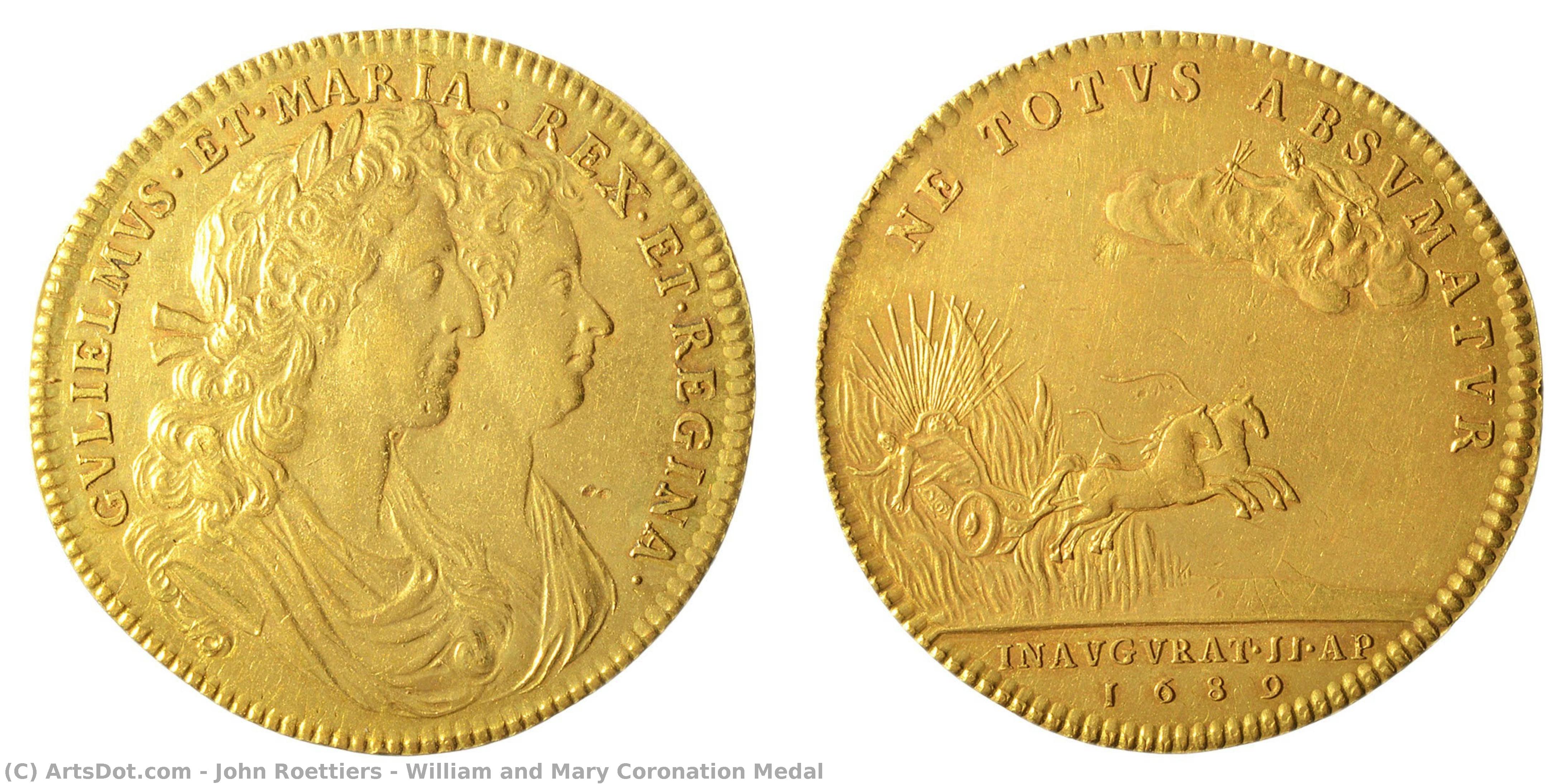
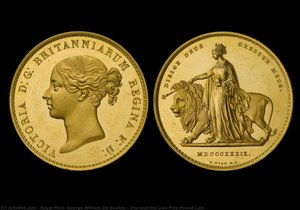
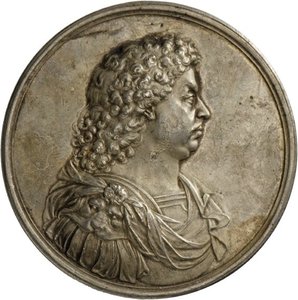
William and Mary Coronation Medal


 Pročitaj više
Ručno rađena uljana reprodukcija
Ručno oslikano uljanim bojama na platnu u dimenzijama i okviru po vašem izboru, izrađeno po porudžbini od strane naših umetnika. ( Kupi print Kupi digitalnu sliku)




































Izaberite jednu od naših unapred definisanih veličina koje odgovaraju originalnim proporcijama umetničkog dela.

Можете унети сопствене димензије како бисте прилагодили дело одређеном оквиру или простору. Ако одабрана величина не одговара пропорцијама оригинала, слика ће бити исечена или проширена додатним елементима који се ручно насликавају. Дигитални prikaz ће вам бити послат на одобрење пре почетка производње.
Имајте на уму да преглед на екрану не одражава стварно исецање или проширење. Само приказ (mockup) ће тачно приказати коначну композицију.
Иако су доступне прилагођене величине, препоручујемо да одаберете димензију из дефинисане листе како бисте сачували оригиналне пропорције.
Nakon narudžbine, tim ArtsDot.com će klijentu putem e-pošte poslati uputstva i dostaviti prikaz predloženog rešenja
Isporuka širom sveta () za 3/4 nedelje umesto uobičajenih 5 nedelja. (25 август). Bez kompromisa po pitanju kvaliteta.

Besplatna ekspresna dostava širom sveta

Visokokvalitetno laneno platno

Kompletno osiguranje transporta

Garancija povraćaja carine i uvoznih dažbina

Garancija vernosti boja

Politika povrata u roku od 60 dana (samo u slučaju nedostataka)

Garancija povrata novca od 100%

Popust pri grupnoj kupovini
 Opcija sa staklom dostupna je samo za dimenzije manje od 110 cm

William and Mary Coronation Medal
Tehnika reprodukcije
Dimenzije reprodukcije
-


Konačna cena
$ 288
Srodna umetnička dela
Biografija umetnika
Ludolf Backhuysen: Master of the Dutch Seas
Born in Emden, Germany, in 1631, Ludolf Backhuysen’s life was a testament to the dynamic currents of early modern Europe. Initially destined for a clerical career, following in the footsteps of his father, he unexpectedly found himself drawn into the bustling world of Amsterdam’s art trade. This shift marked not just a change of profession but a profound transformation in his artistic identity, leading him to become one of the most celebrated marine painters of the Dutch Golden Age. His name itself—Backhuysen, Bakhuysen, Backhuisen, and Bakhuizen—reflects the various spellings adopted during his lifetime, highlighting the fluidity of his professional recognition.
Early in his career, Backhuysen worked as a clerk for the wealthy merchant Guilielmo Bartolotti van den Heuvel, a position that provided invaluable exposure to the artistic milieu of Amsterdam. This association instilled within him an appreciation for detail and realism, qualities he would later master with exceptional skill. However, it was his independent work that truly cemented his reputation. Unlike many of his contemporaries who focused on grand historical scenes or portraits, Backhuysen dedicated himself almost exclusively to depicting maritime subjects – storms at sea, shipwrecks, fishing fleets, and the vast expanse of the North Sea.
Backhuysen’s artistic development can be traced through a fascinating evolution. His early works, often characterized by a somewhat muted palette and a focus on the structural elements of ships, gradually gained in intensity and drama. He became increasingly adept at capturing the raw power of nature – the churning waves, the ominous clouds, and the spray flung high into the air. This is particularly evident in his iconic “Ships in Distress off a Rocky Coast” (1667), where the composition is meticulously balanced between the vulnerability of the vessels and the overwhelming force of the elements. The painting’s dramatic lighting and dynamic brushwork convey a sense of imminent peril, captivating viewers with its visceral realism.
A key element in Backhuysen's style was his meticulous attention to detail. He studied ship construction extensively, rendering the hulls, rigging, and sails with astonishing accuracy. This commitment to realism extended beyond mere technical skill; he sought to capture not just the appearance of a ship but also its essence – its movement, its vulnerability, and its relationship to the surrounding environment. His paintings are imbued with a palpable sense of atmosphere, transporting the viewer directly into the heart of a turbulent sea.
Furthermore, Backhuysen’s work reflects the broader cultural context of his time. The Dutch Republic was at the height of its maritime power, and its merchants dominated global trade routes. His paintings served as both visual records of this era and powerful symbols of Dutch wealth and ingenuity. The frequent depiction of ships in distress also carried a subtle commentary on the risks inherent in seafaring life – a reminder of the precariousness of human endeavors against the relentless forces of nature.
Influences and Artistic Style
While Backhuysen’s work is undeniably rooted in Dutch artistic traditions, he was influenced by a diverse range of sources. The meticulous detail and dramatic lighting of Rembrandt van Rijn are evident in his compositions, as is the atmospheric perspective employed by earlier landscape painters. However, unlike Rembrandt's focus on human figures, Backhuysen concentrated solely on the maritime world, creating a unique visual language that combined realism with an expressive intensity.
His use of color was particularly noteworthy. He favored dark, somber tones – deep blues, greens, and browns – to convey the mood and drama of his scenes. He skillfully employed chiaroscuro—the dramatic contrast between light and shadow—to heighten the sense of realism and create a powerful emotional impact. The interplay of light and darkness is particularly evident in “Ships in Distress,” where the sun glints off the waves while casting long shadows across the deck of the stricken vessel.
Backhuysen’s compositions are often characterized by their dynamic energy and sense of movement. He used diagonal lines, swirling brushstrokes, and overlapping forms to create a feeling of instability and turbulence. His paintings don't simply depict ships at sea; they capture the very essence of the storm – its power, its unpredictability, and its capacity to overwhelm even the most formidable vessels.
Major Works and Legacy
Among Backhuysen’s most celebrated works are “Ships in Distress off a Rocky Coast” (1667), “Fisherman with Pack on His Shoulder” (circa 1660-1665), and “Seascape with Full Moon” (1683). These paintings exemplify his mastery of marine painting, showcasing his technical skill, dramatic flair, and profound understanding of the sea. The National Gallery of Art holds a significant example of his work, "Ships in Distress off a Rocky Coast," which remains one of the most iconic images of the Dutch Golden Age.
Backhuysen’s influence extended far beyond his own lifetime. His paintings were widely copied and imitated by subsequent generations of artists, establishing him as a foundational figure in the history of marine painting. His work continues to resonate with viewers today, offering a powerful reminder of the enduring allure and inherent dangers of the sea.
Historical Context
Ludolf Backhuysen’s career unfolded during a period of immense economic and cultural prosperity for the Dutch Republic. The 17th century witnessed an unprecedented expansion of maritime trade, fueled by the Dutch East India Company and the Dutch West India Company. This burgeoning commercial activity transformed Amsterdam into one of Europe's leading centers of commerce and art. Backhuysen’s paintings reflect this dynamic environment, capturing the spirit of a nation at the height of its power.
Furthermore, Backhuysen’s work is inextricably linked to the broader cultural anxieties of his time. The sea was both a source of wealth and a constant threat – a symbol of opportunity and danger. His paintings served as visual reminders of these dualities, reflecting the precariousness of human existence in the face of nature's forces.
Conclusion
Ludolf Backhuysen’s legacy endures as one of the most significant figures in Dutch marine painting. His meticulous realism, dramatic flair, and profound understanding of the sea continue to captivate viewers today. From his humble beginnings as a clerk in Emden to his recognition as a master painter in Amsterdam, Backhuysen's life was a testament to the transformative power of art and the enduring allure of the maritime world.
john roettiers
1631 - 1703 , Belgium
Osnovne informacije
- Artistic Movement Or Style: Baroque
- Artists Or Movements Influenced By This Artist: ['Cornelis Ploos van Amstel']
- Artists Who Influenced This Artist: ['Rembrandt']
- Date Of Birth: December 18, 1631
- Date Of Death: 1703
- Full Name: Ludolf Backhuysen
- Nationality: Dutch
- Notable Artworks:
- Ships in Distress...
- Fisherman with Pack
- Place Of Birth: Emden, Germany
Povezani članci

25 Remek-dela Džona Singera Sargenta: Portreti Elegancije i Svetlosti | ArtsDot
Uronite u svet Džona Singera Sargenta! Otkrijte 25 remek-dela impresionizma i realizma, od portreta Madame X do fascinantnih akvarela. Inspiracija za dekoraciju enterijera & luksuzne reprodukcije slika na ArtsDot.com.

25 Remek-dela Džona Konstebla: Lepota Engleske na Platnu | ArtsDot
Uronite u svet Džona Konstebla! Otkrijte 25 remek-dela engleskog pejzaža, romantizma i seoske idile. Kupite reprodukcije slika vrhunskog kvaliteta za dekoraciju enterijera na ArtsDot.com.
Engraving's Golden Age: 10 Masterpieces That Redefined Art | ArtsDot
Journey through art history with our Top 10 Legendary Engravings! Explore masterpieces by Dürer, Rembrandt & Goya. Discover the stories behind these iconic prints and find museum-quality reproductions for your home at ArtsDot.com.
Engraving: A Historical Survey of Technique, Artistic Expression & Enduring Legacy
Explore the rich history of engraving with ArtsDot. Discover techniques, iconic artists like Dürer & Callot, collecting tips, and expert guidance for preserving your art investment. Learn about intaglio printing & more!
The Intricate World of Engraving: A Historical Survey of Technique, Artistic Expression & Enduring Legacy
Explore the rich history of engraving with ArtsDot. Discover techniques, iconic artists like Dürer & Callot, collecting tips, and expert guidance for preserving your art investment. Learn about intaglio printing & more!

