

 Pregledaj u prostoru
 Pošalji
 Podeli
 Detalji o delu

 Преузми
 Slični predmeti
 Rendgenski snimak
 Slajdovi
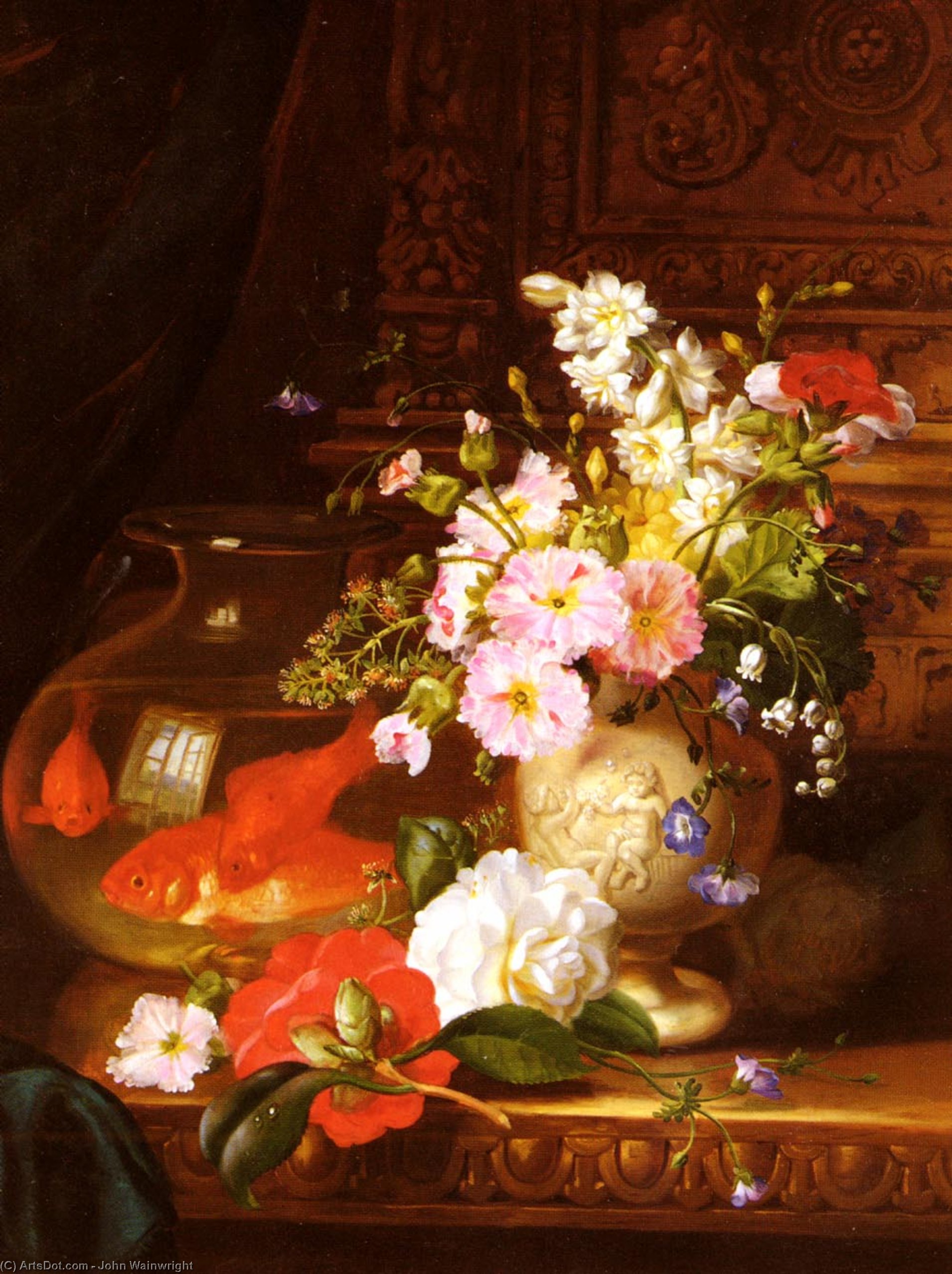
Still Life With Camellias - Primroses And Lily Of The Valley ....n By A Goldfish Bowl
 Pročitaj više
Giclee štampa / Umetnički otisak
Giclée štampa ili print na platnu muzejskog kvaliteta uz brzu proizvodnju i fleksibilne opcije završne obrade. ( Kupi ručno naslikanu sliku Kupi digitalnu sliku)




































Izaberite jednu od naših unapred definisanih veličina koje odgovaraju originalnim proporcijama umetničkog dela.

Možete uneti sopstvene dimenzije kako biste umetničko delo prilagodili specifičnom okviru ili prostoru. Ako odabrani format ne odgovara proporcijama originalne slike, mi ćemo ili iscrtati deo dela ili proširiti sliku pomoću ogledane ivice ili jednobojnog popunjavanja. Digitalni prikaz će vam biti poslat na odobrenje pre početka proizvodnje.
Imajte na umu da pregled na ekranu ne odražava stvarno iscrtavanje ili proširivanje. Samo će prikaz (mockup) precizno pokazati finalnu kompoziciju.
Iako su prilagođene dimenzije dostupne, preporučujemo da odaberete dimenziju sa unapred definisane liste kako biste očuvali originalne proporcije.
Dostava širom sveta () za 2 nedelje umesto uobičajenih 4/5 nedelja. (27 август)

Besplatna ekspresna dostava širom sveta

Visokokvalitetno laneno platno

Kompletno osiguranje transporta

Garancija povraćaja carine i uvoznih dažbina

Garancija vernosti boja

Politika povrata u roku od 60 dana (samo u slučaju nedostataka)

Garancija povrata novca od 100%

Popust pri grupnoj kupovini
 Opcija sa staklom dostupna je samo za dimenzije manje od 110 cm

Still Life With Camellias - Primroses And Lily Of The Valley ....n By A Goldfish Bowl
Giclee štampa / Umetnički otisak
Dimenzije reprodukcije
-


Konačna cena
$ 62
Srodna umetnička dela
Biografija umetnika
A Birmingham Bloom: The Life and Art of John Wainwright
John Wainwright, active between 1845 and 1873, remains a somewhat enigmatic figure in the landscape of Victorian painting. While his life details are sparsely documented, his delicate still lifes—particularly those featuring lush floral arrangements—offer a compelling glimpse into the aesthetic sensibilities of mid-19th century England. Born in Birmingham in 1845, Wainwright’s career unfolded during a period of significant artistic change, bridging the gap between traditional academic styles and the burgeoning influence of movements like the Newlyn School. He wasn't a revolutionary artist pushing boundaries; rather, he was a skilled practitioner who captured beauty with remarkable precision, appealing to a growing middle-class market eager for refined depictions of domestic life and natural elegance. The Tate collection holds several examples of his work, providing valuable insight into his artistic practice.Early Influences and Artistic Development
The early influences on Wainwright’s style are difficult to pinpoint definitively, but the prevailing academic traditions of the time undoubtedly played a role. Birmingham in the mid-19th century was a thriving industrial center, yet it also fostered a vibrant cultural scene with art societies and local exhibitions. It is likely that Wainwright received some form of formal training, though records remain elusive. However, his work reveals a clear mastery of light and shadow, meticulous attention to detail, and a sophisticated understanding of composition—qualities often associated with academic painting. A notable aspect of his development was the apparent influence of the Newlyn School artists. While not directly affiliated with the colony in Cornwall, Wainwright’s paintings share a similar focus on naturalism and an intimate portrayal of everyday subjects. His floral still lifes, in particular, echo the Newlyn painters' commitment to depicting scenes from life, albeit translated into a more refined and decorative idiom. The use of rich color palettes and textured brushwork suggests a keen observation of nature and a desire to capture its fleeting beauty.The Floral Still Life: A Signature Style
Wainwright is best known for his exquisite still lifes, dominated by arrangements of flowers, often camellias, roses, and other blooms popular in Victorian gardens. These paintings are not merely decorative exercises; they possess a quiet emotional resonance that speaks to the Victorian fascination with symbolism and sentimentality. Flowers were laden with meaning during this period—camellias representing admiration and love, roses signifying passion and beauty, and lilies embodying purity and innocence. Wainwright skillfully employed these symbolic associations, creating compositions that evoke a sense of longing, nostalgia, or romantic affection. His technique is characterized by a remarkable attention to detail, capturing the delicate texture of petals, the subtle variations in color, and the play of light on surfaces. He often arranged his flowers in simple vases or bowls, allowing their natural beauty to take center stage. The backgrounds are typically dark and neutral, further emphasizing the vibrancy and form of the floral arrangements.Beyond Flowers: Portraits and Victorian Scenes
While Wainwright’s still lifes represent his most recognizable work, he also painted portraits and scenes depicting aspects of Victorian life. These paintings, though less numerous than his floral compositions, demonstrate his versatility as an artist. His portraits are characterized by a similar attention to detail and a refined sense of realism, capturing the likenesses of his sitters with sensitivity and grace. The Victorian scenes offer glimpses into domestic interiors and everyday activities, reflecting the social customs and aesthetic preferences of the time. These works reveal Wainwright’s ability to capture not only physical appearances but also the atmosphere and emotional nuances of his subjects.Legacy and Historical Significance
John Wainwright's career was tragically cut short by his death in 1873 at the young age of twenty-eight. Despite his brief artistic life, he left behind a body of work that continues to captivate viewers with its beauty and refinement. While not widely celebrated during his lifetime, his paintings have gained increasing recognition in recent years as scholars and collectors rediscover the richness and diversity of Victorian art. His legacy lies in his ability to capture the fleeting beauty of nature and translate it into enduring works of art. Wainwright’s still lifes offer a valuable insight into the aesthetic sensibilities of mid-19th century England, reflecting the Victorian fascination with symbolism, sentimentality, and domestic life. He stands as a testament to the skill and artistry of lesser-known Victorian painters who contributed significantly to the cultural landscape of their time.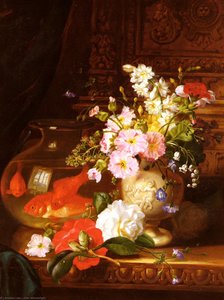
john wainwright
1845 - 1873 , United Kingdom
Osnovne informacije
- Artistic Movement Or Style: Victorian Still Life
- Artists Or Movements Influenced By This Artist: ['Victorian painting']
- Artists Who Influenced This Artist: ['Newlyn artists']
- Date Of Birth: 1845
- Date Of Death: 1873
- Full Name: John Wainwright
- Nationality: British
- Notable Artworks:
- Floral Still Life
- Still Life with Fruit & Goldfish
- Place Of Birth: Birmingham, UK

