

 Pregledaj u prostoru
 Pošalji
 Podeli
 Detalji o delu

 Преузми
 Slični predmeti
 Rendgenski snimak
 Slajdovi
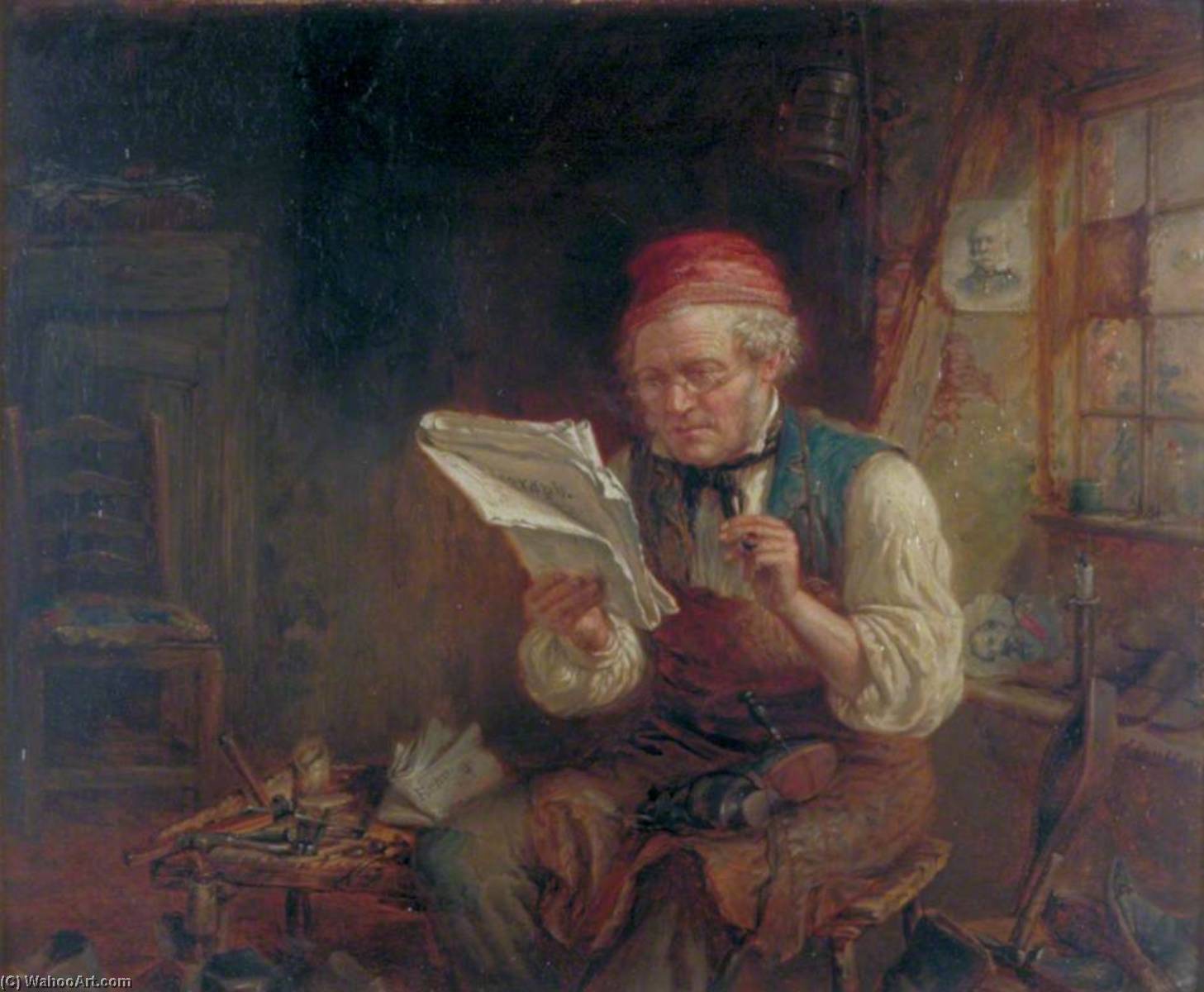
The Politician
 1871
1871 28.0 x 33.0 cm
 Guildhall Art Gallery
 Pročitaj više
Giclee štampa / Umetnički otisak
Giclée štampa ili print na platnu muzejskog kvaliteta uz brzu proizvodnju i fleksibilne opcije završne obrade. ( Kupi ručno naslikanu sliku Kupi digitalnu sliku)




































Izaberite jednu od naših unapred definisanih veličina koje odgovaraju originalnim proporcijama umetničkog dela.

Možete uneti sopstvene dimenzije kako biste umetničko delo prilagodili specifičnom okviru ili prostoru. Ako odabrani format ne odgovara proporcijama originalne slike, mi ćemo ili iscrtati deo dela ili proširiti sliku pomoću ogledane ivice ili jednobojnog popunjavanja. Digitalni prikaz će vam biti poslat na odobrenje pre početka proizvodnje.
Imajte na umu da pregled na ekranu ne odražava stvarno iscrtavanje ili proširivanje. Samo će prikaz (mockup) precizno pokazati finalnu kompoziciju.
Iako su prilagođene dimenzije dostupne, preporučujemo da odaberete dimenziju sa unapred definisane liste kako biste očuvali originalne proporcije.
Dostava širom sveta () za 2 nedelje umesto uobičajenih 4/5 nedelja. (7 септембар)

Besplatna ekspresna dostava širom sveta

Visokokvalitetno laneno platno

Kompletno osiguranje transporta

Garancija povraćaja carine i uvoznih dažbina

Garancija vernosti boja

Politika povraćaja u roku od 100 dana (isključivo u slučaju nedostataka)

Garancija povrata novca od 100%

Popust pri grupnoj kupovini
 Opcija sa staklom dostupna je samo za dimenzije manje od 110 cm

The Politician
Giclee štampa / Umetnički otisak
Dimenzije reprodukcije
-


Konačna cena
$ 62
Composition and Symbolism
The painting depicts a man sitting in a cluttered room, reading a newspaper with his hands on his chin. The room is filled with various items such as bottles, cups, bowls, books, and a chair, which creates a sense of chaos and disorder. Two clocks are visible in the scene, one near the top left corner and another towards the right side, symbolizing the passing of time. A window in the background provides natural light to the room, adding depth and dimension to the painting. Key elements in the composition include the man's attire, which suggests he is dressed for work or an important event, and the newspaper, which may represent his interest in current events or politics. The overall atmosphere of the painting is one of contemplation and introspection, inviting the viewer to ponder the subject's thoughts and emotions.Artist and Style
Jonathan Pratt's style is characterized by his attention to detail and ability to capture the subtleties of human expression. His use of oil on canvas creates a rich and vibrant texture, adding depth and luminosity to the painting. For more information on Jonathan Pratt and his works, visit /art/list/?Filter=AQU7CN-Jonathan-Pratt-The-Politician.- Other notable paintings from the same period include Sir Sills John Gibbons, Lord Mayor of London (1871) by John Edgar Williams, available at /art/list/?Filter=AQZGEC-John-Edgar-Williams-Sir-Sills-John-Gibbons-Lord-Mayor-of-London-(1871).
- For more information on the Guildhall Art Gallery, visit /art/list/?Filter=A@D3BFKZ-The-Museum-School-of-Oriental-And-African-Studies-(London-United-Kingdom).
The Politician is a remarkable example of Jonathan Pratt's skill as an artist, and its thought-provoking composition continues to captivate audiences today. As a masterpiece of oil painting, it is a testament to the enduring power of art to inspire and engage us.
Srodna umetnička dela







Biografija umetnika
A Life Captured in Charm: The World of Jonathan Pratt
Jonathan Pratt, born in 1835 and passing in 1911, occupies a delightful niche within the pantheon of Victorian painters. Though perhaps not a household name today, his work embodies the spirit of its era – a fascination with domesticity, a keen eye for character, and a technical skill that allowed him to translate everyday moments into scenes of enduring appeal. Pratt’s life remains somewhat shrouded in mystery; detailed biographical information is scarce, yet his paintings speak volumes about his sensibilities and artistic journey. He wasn't an artist who sought grand historical narratives or revolutionary styles, but rather found beauty and meaning within the quiet corners of middle-class Victorian life. His canvases offer a glimpse into homes, families, and individuals with a gentle warmth that continues to resonate with viewers.Early Development & Artistic Training
The specifics of Pratt’s early training are not extensively documented, but his work suggests a solid grounding in traditional academic techniques. He clearly mastered the art of portraiture, evident in the meticulous detail and sensitive rendering of his subjects' features. It is likely he received instruction from established artists, perhaps through private lessons or attendance at one of the many art schools flourishing in Victorian England. His early works demonstrate an aptitude for capturing likenesses, but quickly evolved beyond mere representation to embrace a more narrative quality. He wasn’t content simply *to* depict; he aimed to tell stories, to reveal something of the inner lives of those he painted. This shift suggests a growing artistic ambition and a desire to engage with broader themes within Victorian society. The influence of Dutch Masters is often noted in his compositions – particularly their use of light and shadow to create atmosphere and draw attention to specific details.Genre Scenes & Portraiture: A Harmonious Blend
Pratt’s artistic output primarily revolved around two key genres: genre painting and portraiture, and he skillfully intertwined the two. His genre scenes weren't simply depictions of daily life; they were often populated with recognizable individuals – portraits subtly embedded within broader narratives. This approach allowed him to explore social dynamics, familial relationships, and the changing roles of women in Victorian society. He excelled at capturing intimate moments: a mother reading to her children, a family gathered around a piano, or a young woman engaged in needlework. These scenes are characterized by their warmth, humor, and attention to detail – from the patterns on wallpaper to the expressions on faces. His portraits, while often commissioned works, share this same sensitivity and narrative quality. He wasn’t interested in portraying his sitters as aloof figures of status; instead, he sought to reveal their personalities and inner lives.Exhibition & Recognition
Pratt actively exhibited his work throughout his career, gaining recognition within the established art circles of Victorian England. He regularly showcased paintings at the prestigious Royal Academy, a testament to his technical skill and artistic merit. His inclusion in exhibitions organized by the Birmingham Society of Artists further solidified his reputation as a respected painter within the Midlands region. While he may not have achieved the widespread fame of some of his contemporaries, his consistent presence in these prominent venues demonstrates that his work was valued by both critics and collectors. Records indicate sales were steady, suggesting a dedicated clientele who appreciated his charming style and insightful depictions of Victorian life. Museums across the UK continue to hold examples of his paintings, preserving his legacy for future generations.Historical Significance & Enduring Appeal
Jonathan Pratt’s historical significance lies not in groundbreaking innovation, but rather in his ability to capture the essence of Victorian life with remarkable sensitivity and skill. He provides a valuable window into the domestic world of the middle class – their values, aspirations, and everyday routines. His paintings offer a counterpoint to the often-stereotyped image of Victorian society as overly rigid or austere. He reveals a warmth, humor, and humanity that is both endearing and insightful. Today, his work continues to appeal to collectors and art enthusiasts who appreciate its charm, technical mastery, and evocative power. His paintings serve as a reminder of the beauty and complexity of the past – a testament to the enduring power of art to connect us with those who came before.- Genre painting focused on middle-class Victorian life.
- Skillful blending of portraiture within narrative scenes.
- Regular exhibitions at the Royal Academy and Birmingham Society of Artists.
- Works held in UK museums, preserving his legacy.

jonathan pratt
1835 - 1911
Osnovne informacije
- Artistic Movement Or Style: Victorian painting
- Date Of Birth: 1835
- Date Of Death: 1911
- Full Name: Jonathan Pratt
- Nationality: British
- Notable Artworks:
- The Politician
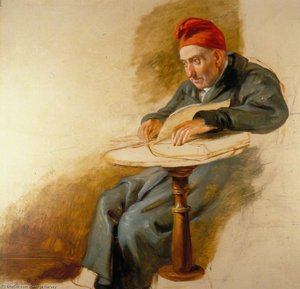
- Portrait of a Seated Elderly Man