 Pregledaj u prostoru
 Pošalji
 Podeli
 Detalji o delu

 Преузми
 Slični predmeti
 Rendgenski snimak
 Slajdovi
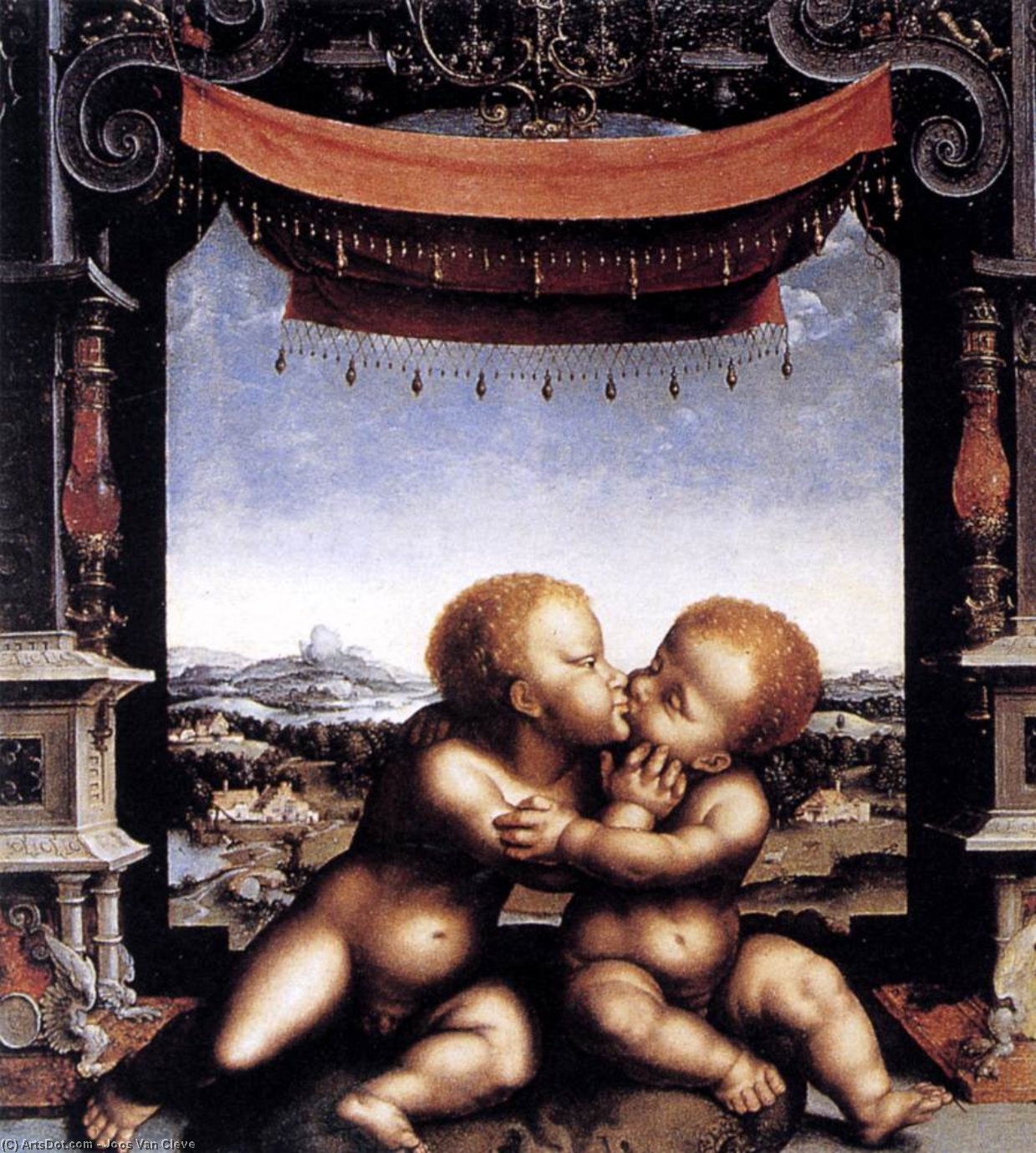
The Infants Christ and Saint John the Baptist Embracing
 Oil On Canvas
- WallArt
- Renaissance
 1525
1525 75.0 x 58.0 cm
 Art Institute of Chicago
 Pročitaj više
Ručno rađena uljana reprodukcija
Ručno oslikano uljanim bojama na platnu u dimenzijama i okviru po vašem izboru, izrađeno po porudžbini od strane naših umetnika. ( Kupi print Kupi digitalnu sliku)




P118B $10

P118H $10

P118W $10

P438Z $10

P508JH $12

P508YH $12

P805H $10

P805Z $10

P919BZ $10

P919G $10

P919XJ $10

P959ZH $10

P968JZ $12

W106C $8

W218G $10

W218JH $8

W218Y $10

W307PJ $10

W316G $10

W316PJ $8

W316Y $10

W398PJ $8

W4111J $10

W500HY $15

W500JH $15

W692G $12

W849H $8

W940BG $15

W953PJ $8




Izaberite jednu od naših unapred definisanih veličina koje odgovaraju originalnim proporcijama umetničkog dela.

Можете унети сопствене димензије како бисте прилагодили дело одређеном оквиру или простору. Ако одабрана величина не одговара пропорцијама оригинала, слика ће бити исечена или проширена додатним елементима који се ручно насликавају. Дигитални prikaz ће вам бити послат на одобрење пре почетка производње.
Имајте на уму да преглед на екрану не одражава стварно исецање или проширење. Само приказ (mockup) ће тачно приказати коначну композицију.
Иако су доступне прилагођене величине, препоручујемо да одаберете димензију из дефинисане листе како бисте сачували оригиналне пропорције.
Nakon narudžbine, tim ArtsDot.com će klijentu putem e-pošte poslati uputstva i dostaviti prikaz predloženog rešenja
Isporuka širom sveta () za 3/4 nedelje umesto uobičajenih 5 nedelja. (26 август). Bez kompromisa po pitanju kvaliteta.

Besplatna ekspresna dostava širom sveta

Visokokvalitetno laneno platno

Kompletno osiguranje transporta

Garancija povraćaja carine i uvoznih dažbina

Garancija vernosti boja

Politika povrata u roku od 60 dana (samo u slučaju nedostataka)

Garancija povrata novca od 100%

Popust pri grupnoj kupovini
 Opcija sa staklom dostupna je samo za dimenzije manje od 110 cm

The Infants Christ and Saint John the Baptist Embracing
Tehnika reprodukcije
Dimenzije reprodukcije
-


Konačna cena
$ 288
Opis umetničkog dela
A Tender Embrace: Joos van Cleve’s “The Infants Christ and Saint John the Baptist Embracing”
Joos van Cleve's "The Infants Christ and Saint John the Baptist Embracing," painted around 1525, is more than just a beautiful depiction of childhood; it’s a poignant meditation on innocence, divine connection, and the nascent promise of faith. This exquisite panel painting, now housed at The Art Institute of Chicago, offers a rare glimpse into the artistic sensibilities of a pivotal figure in the transition between late Gothic and early Renaissance art within the Netherlands. Van Cleve masterfully blended the established conventions of his Northern European training with burgeoning influences from Italy, creating an image that resonates with both familiar piety and a distinctly humanist sensibility.
The scene itself is deceptively simple: two nude infants, Christ and John the Baptist as child, nestled together in a serene embrace. Their postures are remarkably naturalistic, mirroring each other’s movements with a gentle fluidity that speaks to a profound connection. The composition is vertically oriented, drawing the eye upwards towards an arched window behind them – a subtle architectural element that frames the central scene like a sacred portal. This framing device lends a sense of grandeur and importance to the intimate moment unfolding before us.
Renaissance Roots, Northern Echoes
Van Cleve’s artistic lineage is complex, rooted in the rigorous training provided by Jan Joest in Antwerp. His early apprenticeship involved assisting Joest on the monumental high altar panel for Kalkar Nikolaikirche, exposing him to the scale and ambition of late Gothic and early Renaissance painting. However, “The Infants Christ and Saint John the Baptist Embracing” demonstrates a clear shift towards the more humanist ideals championed by Italian masters like Leonardo da Vinci. The infants’ poses, reminiscent of those found in Leonardo's "Virgin of the Rocks," are particularly striking – a testament to Van Cleve’s conscious engagement with the innovations of the Italian Renaissance.
Despite this Italian influence, the painting retains distinctly Northern European characteristics. The meticulous attention to detail in rendering the fabrics and drapery, the use of rich, jewel-toned colors—particularly the warm golds and reds—and the elaborate metalwork accents adorning the archway all point to a distinctly Flemish aesthetic. This skillful synthesis of influences is what makes Van Cleve’s work so compelling: he wasn't simply copying Italian models; he was adapting them to his own artistic vision, creating an image that feels both familiar and utterly unique.
Symbolism and Emotional Resonance
The symbolism within the painting is layered and deeply evocative. The nude figures represent innocence, vulnerability, and a profound connection to the divine. Their embrace symbolizes unity, love, and the beginning of life – themes central to Christian theology. The arched window, with its landscape beyond, suggests an idyllic setting, perhaps representing paradise or the realm of God. The inclusion of coats of arms—the emblems of Pompejus Occo, a prominent Amsterdam representative of the Fugger banking family—indicates that this painting was commissioned as a luxury item for a wealthy patron, further emphasizing its status and beauty.
Beyond its religious significance, “The Infants Christ and Saint John the Baptist Embracing” possesses a remarkable emotional resonance. The tenderness of the scene, the purity of the infants’ faces, and the gentle curve of their bodies all evoke a sense of quiet contemplation and profound peace. It's an image that invites viewers to pause, reflect, and consider the timeless themes of love, faith, and the enduring promise of hope.
Technical Details & Reproduction Considerations
Painted in oil on panel, Van Cleve’s technique is characterized by a masterful command of color and texture. The smooth rendering of the infants' skin tones contrasts beautifully with the slightly rougher texture of the landscape and architectural details. The use of light and shadow creates a sense of depth and volume, drawing the viewer into the scene. The painting’s dimensions are 75 x 58 cm (approximately 29 7/16 × 22 11/16 inches), making it a relatively compact yet powerfully expressive work.
Reproductions of “The Infants Christ and Saint John the Baptist Embracing” offer an exceptional opportunity to bring this timeless masterpiece into your home or office. When selecting a reproduction, consider the materials used – high-quality canvas prints with archival inks will ensure that the colors remain vibrant for years to come. A carefully crafted reproduction can capture not only the visual beauty of the original but also its emotional resonance, allowing you to experience the profound serenity and spiritual depth of this extraordinary painting.
Srodna umetnička dela

Biografija umetnika
Majstor iz Antverpena: Život i nasleđe Joosa van Clevea
U užurbanom, trgovačkom srcu šesnaestoveg Antverpena, otvarala se nova era vizuelnog pripovestdanja, vođena četkicom Joosa van Clevea. Rođen oko 1485. godine u Kreveldu, u Nemačkoj, ovaj flamanski majstor renesanse pojavio se ne samo kao slikar velike veštine, već kao vizionarski most između dva sveta. Njegova karijera, koja je cvretala otprilike od 1511. do njegove smrti 1540. godine, predstavlja dubok trenutak u istoriji umetnosti u kojem su se pedantne, detaljne tradicije nederlandskih majstora susrele sa veličanstvenim, atmosferskim inovacijama koje su dopirale iz italijanske renesanse. Gledati delo van Clevea znači svedočiti nežnom plesu između taktilne stvarnosti Severne Evrope i idealizovane gracioznosti Juga.
Temelji njegovog genija postavljeni su tokom njegovih formativnih godina pod mentorstvom Jana Joesta. Ovo rigorozno učenje pružilo mu je mnogo više od same tehničke stručnosti; ono ga je uronilo u monumentalne tradicije pozno-gotičke umetnosti. Jedno od njegovih najznačajnijih ranih iskustava uključivalo je pomaganje Joestu na visokom oltaru crkve Nikolaikirhe u Kalkaru, projektu koji je zahtevao razumevanje grandiozne razmere i duhovne težine. Kroz ovaj rad, van Cleve je ovladao složenom alhemijom pripreme pigmenata i mukotrpnim slojevitim nanošenjem lazura—tehnikama koje će mu kasnije omogućiti da svojim portretima podari životopisnu svetlost, a religioznim scenama opipljiv osećaj božanstva.
Sinteza severnog detalja i italijanske gracioznosti
Ono što istinski izdvaja Joosa van Clevea od njegovih savremenika bio je njegov nemirni, eksperimentalni duh. Dok su mnogi umetnici tog perioda ostajali vezani za rigidne stilske dogme svojih lokalnih esnafa, van Cleve je gledao ka horizontu. Postao je pionir flamanskog maniherizma, stila koji karakteriše izuzetna senzibilitetnost prema boji i izvanredno jedinstvo figura unutar kompozicije. Možda njegov najtrajniji doprinos severnoj renesansi bio je revolucionarno korišćenje pejzaža. Umesto korišćenja statičnih ili simboličkih pozadina, on je uveo prostrane, atmosferske vidike koji su udahivali život njegovim motivima, stvarajući osećaj dubine i kontinuiteta između ljudske figure i prirodnog sveta.
Ova stilska evolucija bila je duboko pod uticajem rastućih trendova u Italiji. Integracijom elemenata italijanske perspektive i fluidnijeg, ritmičnog pristupa anatomiji, transformisao je tradicionalni flamanski portret u nešto psihološki mnogo složenije. Njegovi subjekti više nisu bili samo ikone statusa; oni su posedovali unutrašnji život, emocionalnu rezonancu koja poziva posmatrača u tihi dijalog. Ova sposobnost da prenese duboku ljudsku emociju kroz suptilne izraze lica i delikatne pokrete ruku ostaje jedno od njegovih najslavnijih dostignuća.
Istorijski značaj i umetnički trijumf
Nasleđe Joosa van Clevea utisnuto je u samu tkaninu zlatnog doba Antverpena. Kao centralna figura umetničke zajednice grada, njegova radionica postala je svetionik inovacija, utičući na generacije slikanja koje su usledile. Njegova sposobnost da spoji sledeće elemente osigurala je njegov trajni uticaj na istoriju evropske umetnosti:
- Tehničko majstorstvo: Besprekorna primena nederlandskih tehnika lazura kako bi se postigla neprevaziđena tekstura i svetlost.
- Kompoziciona inovacija: Integracija ogromnih, panoramskih pejzaža koji su proširili narativni opseg religijskog i svetovnog slikarstva.
- Psihološka dubina: Prelaz sa čisto simboličke reprezentacije ka humanističkijem, emotivnijem prikazu njegovih subjekata.
- Kulturna sinteza: Uspešno venčanje severnoevropske preciznosti sa gracioznošću i pokretom italijanske renesanse.
Iako je njegov život završen 1540. godine, odjeki njegove umetnosti nastavljaju da odzvanjaju. Joos van Cleve nije jednostavno pratio trendove svog vremena; on je pomogao u njihovom definisanju, ostavljajući za sobom korpus dela koji služi kao svedočanstvo transformativne moći umetničke sinteze. Njegove slike ostaju trajni prozori u period ogromnog kulturnog prelaznog doba, beležeći trenutak kada se srednjovekovni svet počeo rastvarati u svetlost moderne ere.
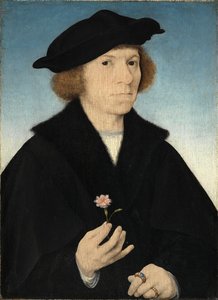
Joos Van Cleve
1485 - 1540 , Nemačka
Osnovne informacije
- Artistic Movement Or Style: Renesansni manierizam
- Artists Or Movements Influenced By This Artist: Italijanska renesansa
- Artists Who Influenced This Artist: Jan Joest
- Date Of Birth: oko 1485.
- Date Of Death: 1540.
- Full Name: Joos van Cleve
- Nationality: Flamanski
- Notable Artworks:
- Klanjanje magova - Levi krak
- Sveta porodica
- Portret Henrija VIII
- Place Of Birth: Krefeld, Nemačka
Povezani članci

25 Remek-dela Džona Singera Sargenta: Portreti Elegancije i Svetlosti | ArtsDot
Uronite u svet Džona Singera Sargenta! Otkrijte 25 remek-dela impresionizma i realizma, od portreta Madame X do fascinantnih akvarela. Inspiracija za dekoraciju enterijera & luksuzne reprodukcije slika na ArtsDot.com.

25 Remek-dela Džona Konstebla: Lepota Engleske na Platnu | ArtsDot
Uronite u svet Džona Konstebla! Otkrijte 25 remek-dela engleskog pejzaža, romantizma i seoske idile. Kupite reprodukcije slika vrhunskog kvaliteta za dekoraciju enterijera na ArtsDot.com.

Rembrandt van Rijn: 25 Majstorstava Svetla i Senke za Vaš Dom | ArtsDot
Uronite u svet Rembrandta van Rijna! Otkrijte 25 najlepših dela holandskog majstora – portrete, istorijske scene i biblijska platna. Kvalitetne reprodukcije slika za dekoraciju enterijera dostupne na ArtsDot.com.

Early Netherlandish Masters: 10 Paintings That Revolutionized Art & Decor
Journey into the world of Early Netherlandish painting! Explore 10 masterpieces by Jan van Eyck, Rogier van der Weyden & more. Discover stunning detail, symbolism & Renaissance art for your home decor. Find museum-quality reproductions on ArtsDot.com
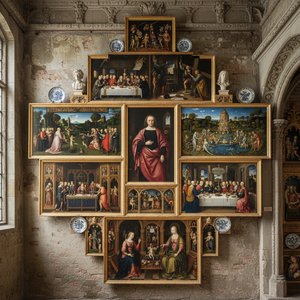
Early Netherlandish Masters: 10 Paintings That Revolutionized Art & Decor
Journey into the Early Netherlandish Renaissance! Explore 10 iconic paintings by Jan van Eyck, Rogier van der Weyden & more. Discover stunning detail, symbolism, and oil painting techniques. Find museum-quality art reproductions for your home at ArtsDot.com.