

 Pregledaj u prostoru
 Pošalji
 Podeli
 Detalji o delu

 Преузми
 Slični predmeti
 Rendgenski snimak
 Slajdovi
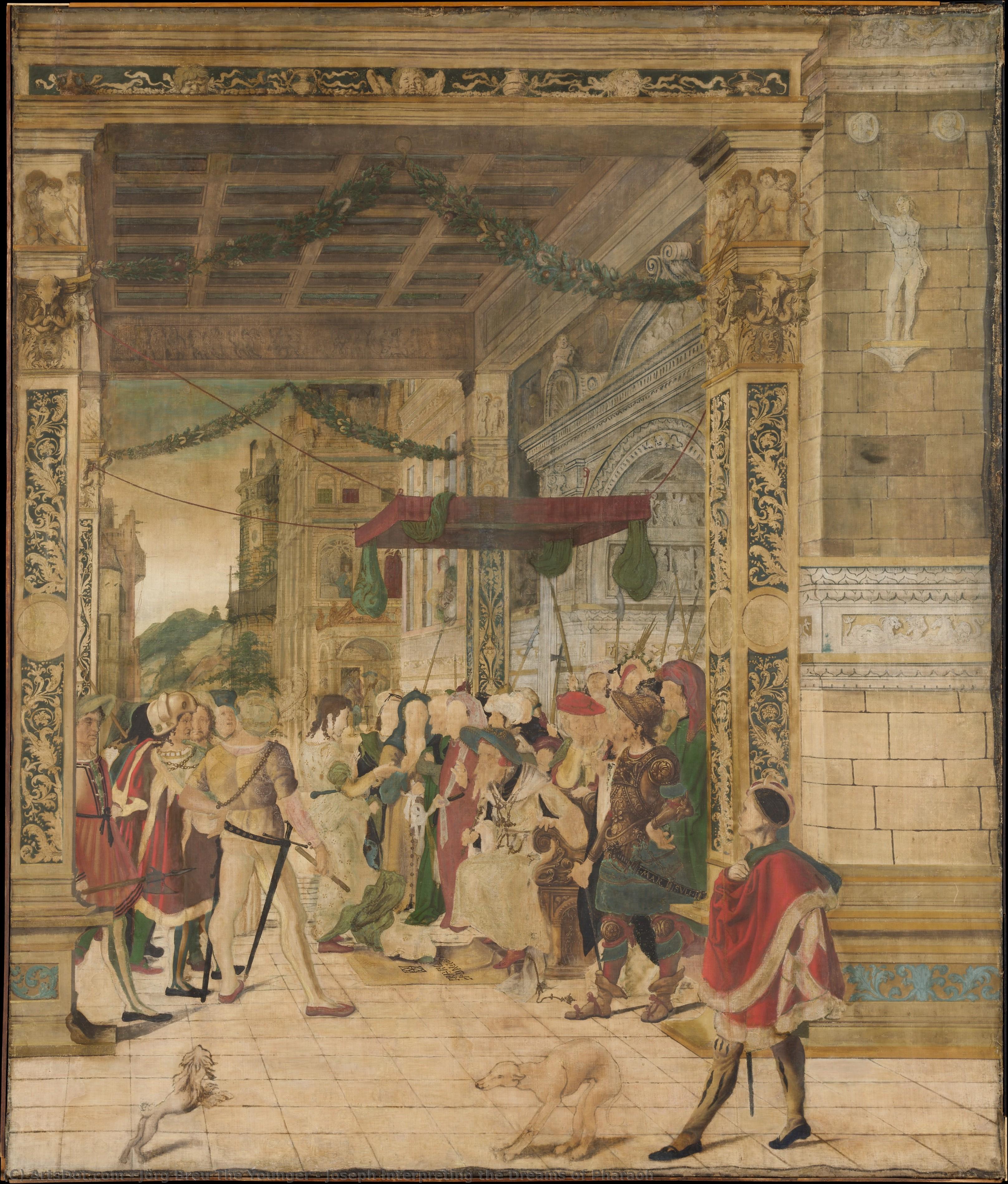
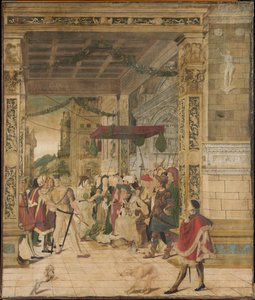
Joseph Interpreting the Dreams of Pharaoh
 Oil On Canvas
- WallArt
- Renaissance Early Renaissance
 1534
1534- Renaissance
 172.0 x 145.0 cm
 Metropolitan Museum of Art
 Pročitaj više
Kupite digitalnu sliku visoke rezolucije i poboljšanog kvaliteta, koja je znatno superiornija od onoga što vidite u online prikazu.
Svaka datoteka je pedantno pripremljena od strane naših stručnjaka koristeći napredne alate i profesionalnu ručnu retušu. Osiguravamo da svaka slika ima izuzetnu oštrinu, preciznu reprodukciju boja i fine detalje.
Konačna datoteka se dostavlja putem e-pošte u roku od 72 sata, optimizovana za neposrednu upotrebu u profesionalnim, izdavačkim i štamparskim okruženjima. To je isti kvalitet kojem veruju vrhunski studiji dizajna, izdavači i galerije.
Digitalna slika
Preuzmite datoteku visoke rezolucije za ličnu upotrebu, štampanje i kreativne projekte. ( Kupi print Kupi ručno naslikanu sliku)
Uključeno uz svaku porudžbinu digitalne slike
Profesionalna digitalna isporuka, zagarantovana
Kada odaberete ArtsDot.com, ne dobijate samo sliku – vi primate profesionalno unapređeno digitalno umetničko delo, izrađeno sa najvećom preciznošću i uz garanciju zadovoljstva. Evo svega što automatski dolazi uz vašu porudžbinu:

Brza dostava putem e-pošte
Vaša digitalna slika visoke rezolucije biće vam poslata putem e-pošte u roku od 72 sata od poručivanja – spremna za trenutnu upotrebu.

Digitalna datoteka unapređena veštačkom inteligencijom
Vaše umetničko delo je profesionalno optimizovano korišćenjem naprednih AI alata i ručne obrade, čime se osiguravaju maksimalni detalji, oštrina i preciznost boja.

Besplatna ponovna isporuka doživotno
Slučajno ste obrisali ili izgubili svoju datoteku? Ne brinite – poslaćemo vam je ponovo u bilo kom trenutku, potpuno besplatno.

Bez troškova uvoza – zauvek
Uživajte u svojim umetničkim delima trenutno, bez carine, dažbina ili troškova dostave – digitalni download je uvek bez poreza.

Garancija vernosti boja
Uz pomoć profesionalnih alata i upravljanja bojama, osiguravamo da vaša digitalna slika što vernije odražava originalne boje.

Garancija zadovoljstva u roku od 60 dana
Ako niste zadovoljni svojom digitalnom slikom, revidirat ćemo je ili vratiti 100% novca u roku od 60 dana – bez ikakvih pitanja.

100% garancija povrata novca
Niste zadovoljni? Obezbedite pun povrat novca u roku od 60 dana od trenutka kada ste primili svoju digitalnu datoteku – bez suvišnih pitanja.

Popusti na velike porudžbine
Kupite 3 slike, uštedite 10% - Kupite 5 slika, uštedite 15% - Kupite 10+ slika, uštedite 20%. Odlično za kreativne projekte, galerije i agencije.
A Vision from Ancient Egypt Meets Renaissance Splendor
To gaze upon this depiction of Joseph Interpreting the Dreams of Pharaoh is to step across the threshold of time itself. The scene pulses with narrative weight, capturing a moment of profound divine revelation set against the backdrop of ancient Egyptian royalty. Yet, the execution—the very manner in which the figures are rendered and placed within what appears to be anachronistic Renaissance palace architecture—creates a fascinating dialogue between epochs. We see the gravity of prophecy meeting the refined artistry of the early sixteenth century. The composition is richly populated; Pharaoh sits amidst his court, while Joseph stands as the conduit for divine understanding. The sheer number of figures, coupled with the inclusion of domestic animals like horses and dogs scattered throughout the foreground, suggests a bustling, vital moment where destiny unfolds in plain sight.
Mastery in Medium: A Study in Early Canvas Technique
The technical aspects of this piece speak volumes about the artistic challenges and innovations of its time. Executed around 1534 by Jörg Breu the Younger, the work showcases a delicate handling of materials. The description notes that the painting was rendered using a water-based medium on ungrounded fine-weave canvas, a technique known to the Germans as Tüchlein. This choice offered an economical and lightweight alternative to the monumental scale of panel paintings or tapestries, allowing artists like Breu to pursue grand narratives on more portable supports. While this early adoption of oil on canvas presented vulnerabilities—the surface being susceptible to moisture damage—it speaks to the ambition of the artist to capture a large-scale vision with newfound material flexibility. The overall subdued tonality and matte finish lend an air of historical authenticity, inviting close contemplation.
Symbolism and Narrative Depth
At its heart, this artwork is a meditation on divine providence and human interpretation. The story of Joseph is one of unparalleled struggle, betrayal, and ultimate exaltation—a potent allegory for resilience. Pharaoh’s dreams, the catalyst for the entire scene, carry the weight of national fate, while Joseph's role is that of the divinely appointed interpreter. Symbolically, the presence of so many figures suggests a community gathered at a pivotal moment of transition. The decorative elements, such as the clock in the upper-right corner and the various vessels placed throughout the space, anchor the narrative within a tangible, if historically blended, reality. These details invite the viewer to search for meaning, connecting the timeless struggle between man and fate with the specific cultural markers of the Renaissance.
An Echo for the Modern Collector
For the collector or designer seeking an object imbued with historical gravitas and narrative power, this reproduction offers a unique confluence of styles. It is not merely a depiction of scripture; it is a testament to artistic adaptation—a moment where deep biblical storytelling was translated through the sophisticated lens of Northern Renaissance craftsmanship. The intricate detail, from the placement of the five horses to the quiet dignity of Joseph’s posture, ensures that even in reproduction, the viewer feels connected to the painstaking labor and profound belief systems of Jörg Breu the Younger. Owning this piece is acquiring a conversation starter, a richly textured narrative centerpiece that speaks eloquently of enduring human drama.
Srodna umetnička dela
![Legend Of St Francis - [03] - Dream Of The Palace — Đijoto Di Bondone, Gothic](/media/artworks/images-thumb/47/85/4785472aa265f95fe6962555859f4ab5.jpg)
Biografija umetnika
early life and collaborations
jörg breu the younger, a painter from augsburg, germany, lived from approximately 1510 to 1547. as the son of jörg breu the elder, he was deeply rooted in the artistic traditions of his family. breu's early work involved collaborations with his father on various projects, which helped shape his skills and style.notable works and contributions
during the 1540s, jörg breu the younger was involved in creating the fechtbucher, commissioned by paulus hector mair. this project showcased his ability to work on large-scale, intricate pieces. additionally, breu worked on wood carvings, known as lebenstreppen, in collaboration with cornelis anthonisz.artistic legacy and influence
breu's contributions to augsburg's artistic scene are still celebrated today. his work can be found in various museums, including the kunstsammlungen und museen augsburg, which is a cultural treasure in augsburg, germany /en/art/show/art-d3b449-en/ although his life was cut short in 1547, breu's influence on subsequent generations of artists is undeniable.key points about jörg breu the younger:
- lived from approximately 1510 to 1547
- collaborated with his father, jörg breu the elder, on various projects
- involved in creating the fechtbucher commissioned by paulus hector mair
- worked on wood carvings, known as lebenstreppen, with cornelis anthonisz
- contributes to augsburg's artistic heritage, with work featured in the kunstsammlungen und museen augsburg
jörg breu the younger
1547 , Germany
Kratke činjenice
- Artistic Movement Or Style: Renaissance
- Artists Or Movements Influenced By This Artist: ['Augsburg Art History']
- Artists Who Influenced This Artist: ['Jörg Breu the Elder']
- Date Of Death: 1547
- Full Name: Jörg Breu the Younger
- Nationality: German
- Notable Artworks:
- Fechtbucher
- Lebenstreppen
- Joseph Interpreting the Dreams of Pharaoh
- Place Of Birth: Augsburg, Germany

