

 Pregledaj u prostoru
 Pošalji
 Podeli
 Detalji o delu

 Преузми
 Slični predmeti
 Rendgenski snimak
 Slajdovi
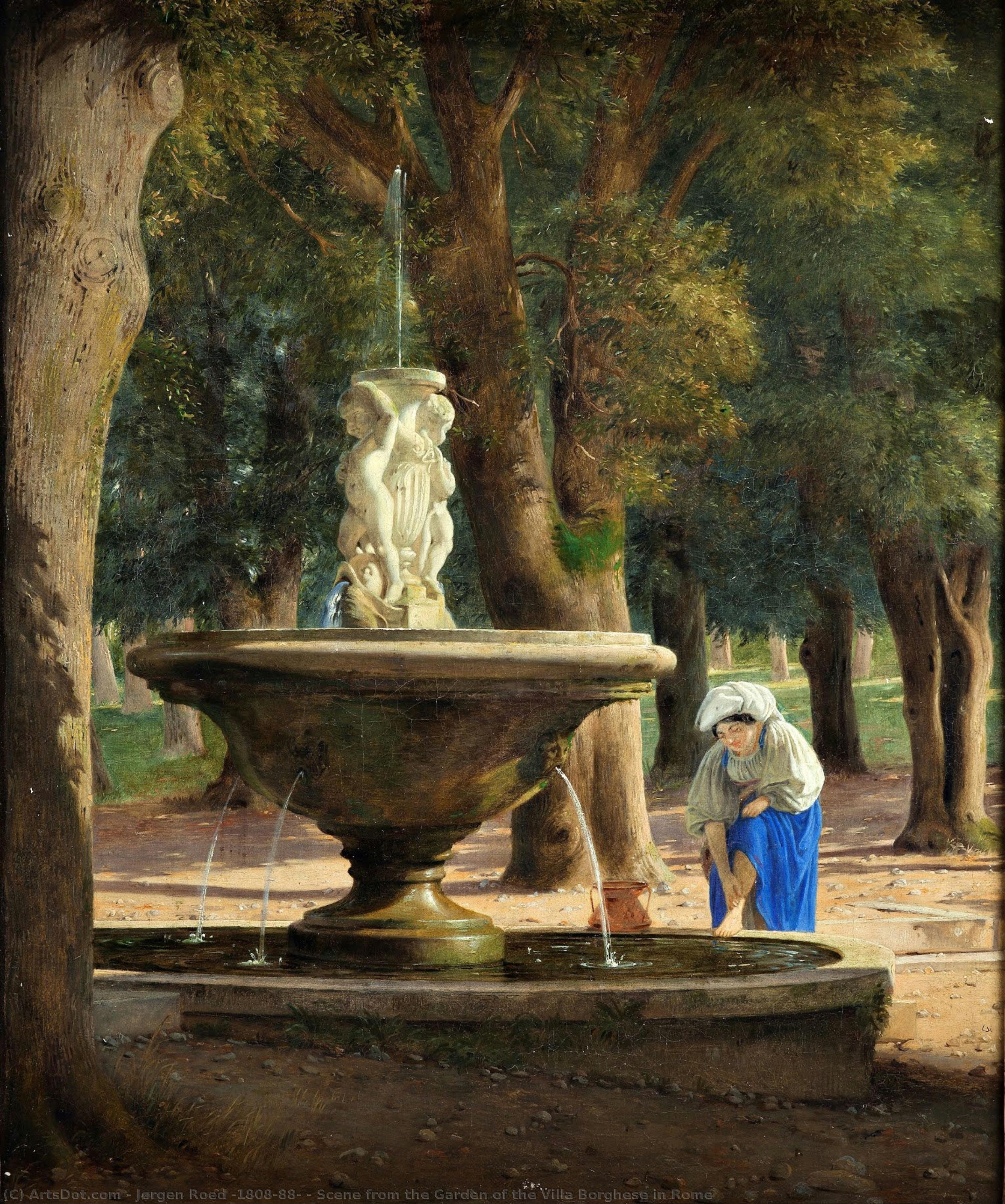
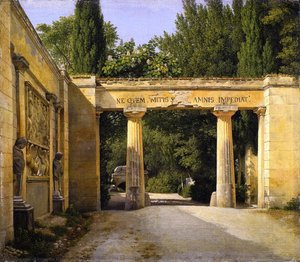
Scene from the Garden of the Villa Borghese in Rome
 Romanticism
 1839
1839 43.0 x 47.0 cm
 Pročitaj više
Ručno rađena uljana reprodukcija
Ručno oslikano uljanim bojama na platnu u dimenzijama i okviru po vašem izboru, izrađeno po porudžbini od strane naših umetnika. ( Kupi print Kupi digitalnu sliku)




































Izaberite jednu od naših unapred definisanih veličina koje odgovaraju originalnim proporcijama umetničkog dela.

Можете унети сопствене димензије како бисте прилагодили дело одређеном оквиру или простору. Ако одабрана величина не одговара пропорцијама оригинала, слика ће бити исечена или проширена додатним елементима који се ручно насликавају. Дигитални prikaz ће вам бити послат на одобрење пре почетка производње.
Имајте на уму да преглед на екрану не одражава стварно исецање или проширење. Само приказ (mockup) ће тачно приказати коначну композицију.
Иако су доступне прилагођене величине, препоручујемо да одаберете димензију из дефинисане листе како бисте сачували оригиналне пропорције.
Nakon narudžbine, tim ArtsDot.com će klijentu putem e-pošte poslati uputstva i dostaviti prikaz predloženog rešenja
Isporuka širom sveta () za 3/4 nedelje umesto uobičajenih 5 nedelja. (3 септембар). Bez kompromisa po pitanju kvaliteta.

Besplatna ekspresna dostava širom sveta

Visokokvalitetno laneno platno

Kompletno osiguranje transporta

Garancija povraćaja carine i uvoznih dažbina

Garancija vernosti boja

Politika povrata u roku od 60 dana (samo u slučaju nedostataka)

Garancija povrata novca od 100%

Popust pri grupnoj kupovini
 Opcija sa staklom dostupna je samo za dimenzije manje od 110 cm

Scene from the Garden of the Villa Borghese in Rome
Tehnika reprodukcije
Dimenzije reprodukcije
-


Konačna cena
$ 263
Srodna umetnička dela
Biografija umetnika
Jørgen Roed: A Master of Danish Genre and Portraiture
Jørgen Roed (1808-1888) stands as a significant figure within the vibrant tapestry of 19th-century Danish art, particularly renowned for his evocative portrayals of everyday life and distinguished portraiture. Born in Ringsted, Denmark, to Peder Jørgensen Roed and Ellen Hansdatter, his early life was steeped in rural traditions – his father a member of the local council and involved in farming and distilling. This grounding in the practical realities of Danish society would profoundly influence his artistic vision, shaping his ability to capture the nuances of human interaction and the beauty of the natural world with remarkable detail.
Roed’s artistic journey commenced under the tutelage of schoolteacher J.J. Fyhn, a modest beginning that ignited a lifelong passion for drawing and painting. Recognizing his talent, his parents secured him a place at the Royal Danish Academy of Art in Copenhagen in 1822, where he received formal training from esteemed artists like Hans Hansen (father of Constantin Hansen) and later, Christoffer Wilhelm Eckersberg – a pivotal influence who shaped Roed’s approach to composition, color, and the depiction of human form. This period marked not only his artistic development but also the forging of lasting friendships with fellow students, including Eckersberg's son, contributing to the dynamic creative environment that defined the “Golden Age” of Danish painting.
Early Career and Artistic Development
Roed’s early career was characterized by a diligent study of established techniques, initially focusing on copying works by masters like Raphael. However, he quickly distinguished himself through his ability to imbue these reproductions with a sense of life and observation. His initial exhibitions at Charlottenborg Spring Exhibition showcased a growing confidence and an emerging style – a blend of realism and sensitivity that would become the hallmark of his work. He spent time in Italy during the 1830s, immersing himself in the landscapes and artistic traditions of the region, further refining his skills and broadening his subject matter.
A key turning point in Roed’s career was his association with Hans Hansen, whose studio he frequented. This mentorship provided him with invaluable experience in portraiture, a genre that would ultimately become one of his most celebrated achievements. The influence of Eckersberg, combined with the practical lessons learned from Hansen, allowed Roed to develop a distinctive style – characterized by meticulous detail, atmospheric perspective, and an ability to capture the essence of his subjects with both accuracy and empathy.
Subjects and Style: Genre Scenes and Portraits
Roed’s artistic output encompassed a diverse range of subjects, but he is particularly recognized for his captivating genre paintings. These scenes from everyday life – depicting farmers tending their fields, fishermen returning from the sea, or families gathered around a hearth – offer intimate glimpses into the rhythms and customs of rural Denmark. His compositions are often imbued with a sense of quiet dignity and understated beauty, reflecting a deep appreciation for the simple pleasures of country life.
Alongside his genre paintings, Roed excelled as a portraitist. His portraits capture not only physical likeness but also the personality and character of his subjects – from distinguished gentlemen to humble villagers. He possessed a remarkable ability to convey emotion through subtle gestures and expressions, creating images that are both visually arresting and psychologically insightful. Notable examples include “Valdemar Hjartvar Købke,” a portrait of his brother, showcasing Roed’s technical skill and his talent for capturing the likeness of his family.
Notable Works and Legacy
Roed's artistic legacy is firmly established within the collections of prominent museums throughout Denmark, including the National Gallery of Denmark and the Horsens Art Museum. His paintings offer a valuable window into 19th-century Danish society, providing insights into its culture, traditions, and values. Works such as “Scene from Villa Borghese” (1839) exemplify his mastery of architectural detail and romantic realism, while “A Street in Roskilde with the Cathedral in the Background” demonstrates his ability to capture the atmospheric beauty of Danish landscapes.
Jørgen Roed’s contribution to Danish art is undeniable. He was a key figure in the Golden Age of Danish Painting, embodying its ideals of realism, sensitivity, and national pride. His paintings continue to be admired for their technical skill, emotional depth, and enduring appeal, ensuring his place as one of Denmark's most celebrated artists.
Further Exploration
For more information about Jørgen Roed’s life and work, please refer to the following resources:
- ArtsDot.com: Jørgen Roed Artist Profile
- Wikipedia - Jørgen Roed
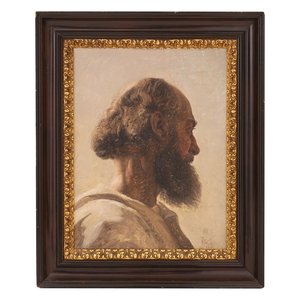
jørgen roed (1808–88)
1808 - 1888 , Denmark
Osnovne informacije
- Artistic Movement Or Style: Golden Age Danish Painting
- Artists Or Movements Influenced By This Artist:
- Constantin Hansen
- Danish Golden Age
- Artists Who Influenced This Artist:
- Hans Hansen
- Christoffer Eckersberg
- Date Of Birth: January 13, 1808
- Date Of Death: August 8, 1888
- Full Name: Jørgen Roed
- Nationality: Danish
- Notable Artworks:
- Scene from Villa Borghese
- Portrait of a young woman
- Italian landscape (various)
- Place Of Birth: Ringsted, Denmark
Povezani članci
Romantic Realism's Finest: 10 Masterpieces for Your Home | ArtsDot
Explore 10 defining masterpieces of Romantic Realism! Discover Courbet, Millet & Daumier's powerful paintings—capturing emotion and social realities. Find museum-quality reproductions for your home at ArtsDot.com.
19th Century Masterpieces: 10 Paintings That Defined an Era | ArtsDot
Journey through 19th century art with ArtsDot! Explore 10 iconic paintings – from Monet & Renoir to Courbet – and discover the stories behind Romanticism, Realism & Impressionism. Find museum-quality reproductions for your home decor. Explore the full collection online!
The Evocative Embrace of Reality: Exploring Romantic Realism in 19th-Century Painting
Explore the captivating world of Romantic Realism! Discover key artists like Courbet & Millet, masterpieces, and the social context behind this influential art movement. Expert insights for collectors at ArtsDot.
Odjek Egejskog Obala: Strategije Izbora Umetnosti za Unutrašnje Prostore Mediteranskih Vila – Harmonizacija Prostora, Svetlosti i Nasleđa
Otkrijte tajne mediteranskog stila! Ekskluzivne strategije za izbor umetnosti i dizajn enterijera vila koje harmonizuju prostor, svetlost i nasleđe. Inspiracija & saveti stručnjaka.

Glavna dela koja su definisala Romantični pejzaž: 10 remek-dela za vaš dom
Otkrijte 10 remek-dela romantičnog pejzažnog slikarstva! Uronite u svet Claude Lorraina, Caspara David Friedricha i Turnera. Ispričane priče umetnosti, inspiracija za dekoraciju doma. Kvalitetne reprodukcije na ArtsDot.com – istražite celu kolekciju online!

