

 Pošalji
 Podeli
 Detalji o delu

 Преузми
 Slični predmeti
 Slajdovi
 Stats
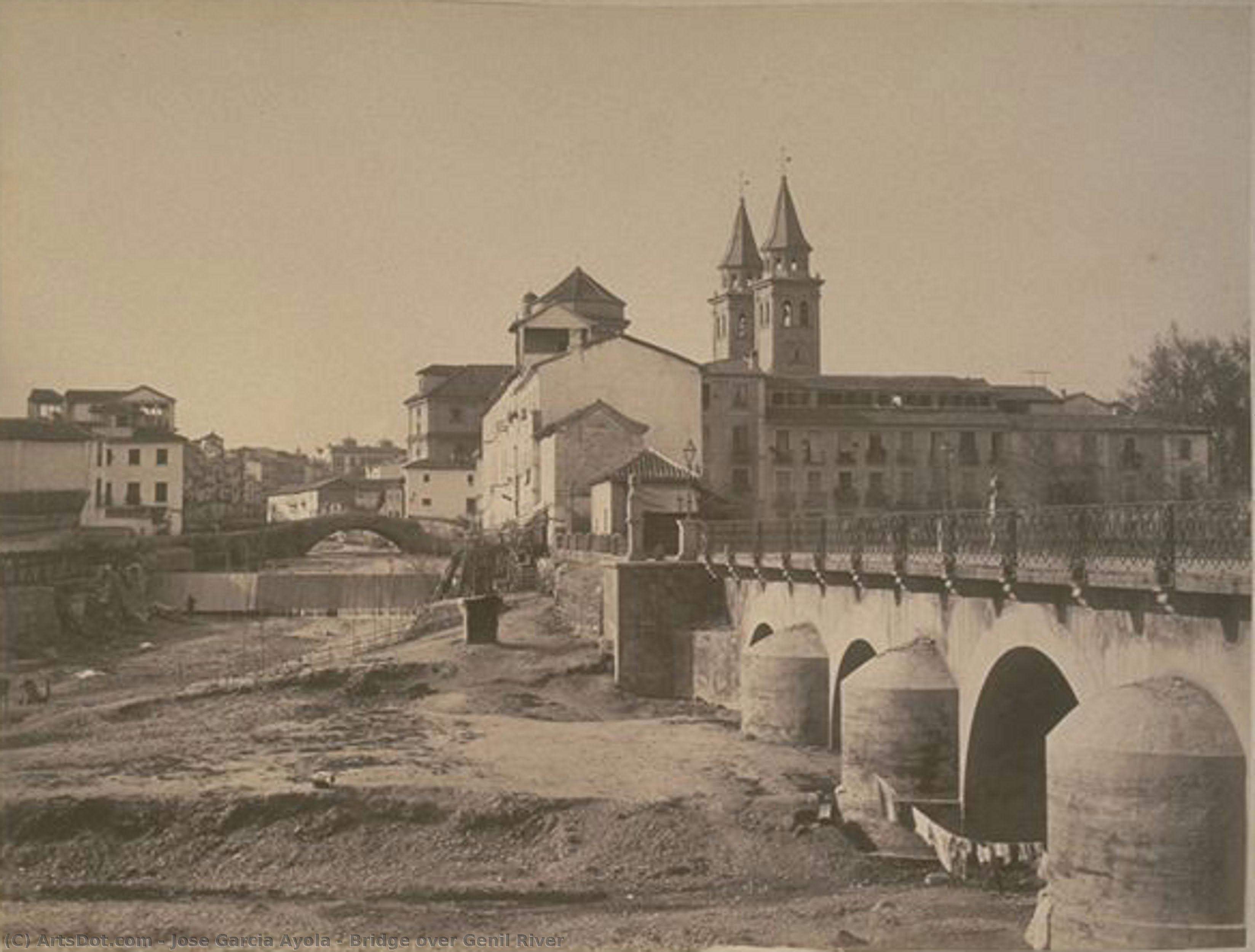
StatsBridge over Genil River
 Photography
- Photo
- Realism
 1880
1880- 19th Century
 25.0 x 33.0 cm
 Museo Casa de los Tiros de Granada
 Pročitaj više
Giclee štampa / Umetnički otisak
Giclée štampa ili print na platnu muzejskog kvaliteta uz brzu proizvodnju i fleksibilne opcije završne obrade. ( Kupi ručno naslikanu sliku Switch to Digital Image)




































Izaberite jednu od naših unapred definisanih veličina koje odgovaraju originalnim proporcijama umetničkog dela.

Možete uneti sopstvene dimenzije kako biste umetničko delo prilagodili specifičnom okviru ili prostoru. Ako odabrani format ne odgovara proporcijama originalne slike, mi ćemo ili iscrtati deo dela ili proširiti sliku pomoću ogledane ivice ili jednobojnog popunjavanja. Digitalni prikaz će vam biti poslat na odobrenje pre početka proizvodnje.
Imajte na umu da pregled na ekranu ne odražava stvarno iscrtavanje ili proširivanje. Samo će prikaz (mockup) precizno pokazati finalnu kompoziciju.
Iako su prilagođene dimenzije dostupne, preporučujemo da odaberete dimenziju sa unapred definisane liste kako biste očuvali originalne proporcije.
Dostava širom sveta () za 2 nedelje umesto uobičajenih 4/5 nedelja. (8 септембар)

Besplatna ekspresna dostava širom sveta

Visokokvalitetno laneno platno

Kompletno osiguranje transporta

Garancija povraćaja carine i uvoznih dažbina

Garancija vernosti boja

Politika povraćaja u roku od 100 dana (isključivo u slučaju nedostataka)

Garancija povrata novca od 100%

Popust pri grupnoj kupovini
 Opcija sa staklom dostupna je samo za dimenzije manje od 110 cm

Bridge over Genil River
Giclee štampa / Umetnički otisak
Dimenzije reprodukcije
-


Konačna cena
$ 62
A Window into Granada’s Golden Age
In the delicate strokes of José García Ayola’s Bridge over Genil River, we are transported back to the year 1880, a time when the pulse of Granada beat with a romantic, unhurched rhythm. This evocative piece serves as more than just a landscape; it is a temporal portal. The composition captures a serene moment in the life of an old Spanish city, where the Genil River flows as a silent witness to the passage of generations. Through the artist's eyes, we see a world defined by architectural grandeur and the quiet intimacy of daily life, where a church stands sentinel in the background, anchoring the scene in spiritual and historical permanence.
The painting masterfully balances the structural rigidity of the bridge and surrounding buildings with the fluid, organic movement of the river and the wandering souls upon its banks. There is a profound sense of narrative depth found in the small details: the rhythmic placement of pedestrians along the sidewalk, the presence of a horse near the center which speaks to a pre-industrial era, and even a solitary bench that invites the viewer to pause and linger within the scene. It is a composition that celebrates the harmony between man-made monuments and the natural landscape.
Mastery of Light and Atmospheric Nostalgia
Technically, the work reflects the profound influence of Ayola’s background in both classical drawing and the emerging photographic arts of the 19th century. The artist employs a sophisticated approach to tonal manipulation, creating a sense of depth that draws the eye from the immediate foreground toward the distant, hazy silhouettes of the city skyline. The interplay of light and shadow across the river's surface and the facades of the buildings creates a luminous quality, suggesting the soft, diffused glow of a late afternoon in Andalusia.
For the discerning collector or interior designer, this piece offers an unparalleled emotional resonance. It does not merely decorate a wall; it provides an atmosphere of contemplative peace. The monochromatic essence of the original vision—reminiscent of the marfilotype processes Ayola was known for—lends the work a timeless, archival elegance. Whether placed in a grand library or a contemporary living space, the painting acts as a sophisticated anchor, bringing a sense of historical weight and soulful tranquility to any environment.
A Timeless Investment in Heritage
Owning a reproduction of this caliber is an invitation to preserve a fragment of Spanish history. The Bridge over Genil River embodies the essence of the Romantic era—a period obsessed with the beauty of ruins, the majesty of nature, and the dignity of tradition. It serves as a poignant reminder of a lost era of craftsmanship and slow living. For those seeking to curate a collection that speaks of culture, travel, and the enduring legacy of Granada, this artwork stands as a testament to the enduring power of the Spanish visual tradition.
Srodna umetnička dela
Biografija umetnika
José García Ayola: Granada’s Pioneer of Photographic Portraiture
José García Ayola (1836 – 1900) stands as a pivotal figure in the history of Granada, Spain, and indeed, Spanish photography itself. Born in Granada during the Romantic era, Ayola’s artistic vision was profoundly shaped by the city's rich cultural heritage—particularly its Moorish legacy embodied in the Alhambra palace—and he dedicated his life to documenting this splendor through meticulously crafted photographs. His studio, established around 1860, quickly became a beacon of innovation and artistry within Granada’s burgeoning visual culture.- Early Life & Influences: Ayola's upbringing instilled in him a deep appreciation for craftsmanship and artistic tradition. While biographical details remain somewhat sparse, his training likely encompassed classical drawing techniques—a cornerstone of academic art—providing him with a foundational understanding of composition and tonal manipulation.
- The Art of Marfilotypes: Ayola distinguished himself through his mastery of marfilotype printing, a technique that produced remarkably luminous images using selenium chloride emulsion on albumin paper. This method achieved unparalleled detail and tonal range compared to its contemporaries, allowing Ayola to capture the subtleties of light and shadow with exceptional accuracy—a hallmark of his distinctive style.
- A Visionary Observer: Ayola’s photographic oeuvre transcends mere documentation; it constitutes a poignant portrayal of Granada's daily life. He captured scenes from bustling marketplaces, portraits of prominent citizens – including figures like Chorrojumo – and breathtaking vistas of the Alhambra and its surrounding landscape. His compositions are imbued with an aesthetic sensibility that anticipates Impressionism, prioritizing atmosphere and emotion alongside precise representation.
Notable Achievements & Recognition
Ayola’s commitment to artistic excellence garnered considerable acclaim during his lifetime. He was awarded prizes at the Granada Exhibition of 1875 and 1880, recognizing his technical prowess and artistic vision. Furthermore, he ascended to the prestigious position of Fotógrafo de Cámara by Royal Decree, signifying the monarchy's endorsement of his work and elevating him to a position of considerable influence within Granada’s intellectual circles. His studio was recognized as one of the most influential in Granada alongside Rafael Garzón’s, cementing his legacy as a champion of photographic innovation.- Institutional Patronage: Ayola's photographs found their way into esteemed institutions such as the Patronato de la Alhambra and the Museo de la Casa de los Tiros, safeguarding Granada’s cultural treasures for posterity.
- Legacy & Influence: Today, Ayola’s work continues to inspire admiration for its artistic merit and historical significance. His pioneering use of marfilotype printing established a new standard for photographic realism, while his evocative depictions of Granada solidified his place as one of the city's foremost chroniclers—a testament to his enduring contribution to Spanish art history.
Exploring Ayola’s Artistic Style
Ayola’s artistic style can be characterized by a deliberate blend of realism and decorative sensibility. He eschewed overly stylized compositions, favoring instead carefully considered framing that emphasized the grandeur of Granada's monuments and the dignity of its inhabitants. His studio’s branding—‘Casa Árabe’—reflected this aesthetic ethos, signaling his aspiration to elevate photography beyond mere technical reproduction into a form of artistic expression worthy of royal patronage.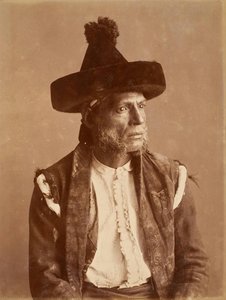
José García Ayola
1836 - 1900 , Spain
Osnovne informacije
- Artistic Movement Or Style: Marfilotypes
- Date Of Birth: 1836 Granada Spain
- Date Of Death: 1900
- Full Name: José García Ayola
- Nationality: Spanish
- Notable Artworks:
- Portrait of Gypsy Girl
- Bridge over Genil River
- Portrait of Chorrojumo
- Place Of Birth: Granada Spain
Povezani članci
Flowing Narratives: Rivers in Painting – A Historical Exploration
Explore the rich history of rivers in painting! Discover masterpieces from ancient times to Impressionism & beyond. Learn about symbolism, artists like Monet & Daubigny, and find your perfect serene artwork at ArtsDot.
Rafael de Penagos: A Study in Spanish Portraiture & Artistic Identity
Explore the life & art of Rafael de Penagos, a leading Spanish Art Deco illustrator. Discover his iconic 'Penagos Woman', commercial work, and lasting legacy. Learn about this pivotal figure in 20th-century Spanish art history.
Beyond Graffiti: Exploring the Evolution & Cultural Impact of Street Art for Collectors
Explore the evolution of street art from rebellious origins to a respected fine art form. Discover key artists like Banksy & learn how to collect urban art with confidence. Expert insights for discerning investors.
Iza Zida Galerija: Uspon Savremene Ulične Umjetnosti i Njezina Utjecaj na Kolekcionare
Otkrijte uspon savremene ulične umetnosti i njen uticaj na kolekcionare! Istražite galeriju Iza Zida, Beogradsku scenu grafita i savete za uspešno investiranje. Ekskluzivni uvid u tržište i budućnost ove dinamične forme umetnosti.

Top 10 Remek Dela Koja Su Definisala Hudson River School: Majstorski Priori Za Vaš Dom
Otkrijte 10 remek dela koja su definisala Hudson River School! Uronite u priče o Thomas Cole-u, Frederic Church-u i veličanstvenim pejzažima Amerike. Inspiracija za vaš dom – vrhunske reprodukcije na ArtsDot.com!