

 Pregledaj u prostoru
 Pošalji
 Podeli
 Detalji o delu

 Преузми
 Slični predmeti
 Rendgenski snimak
 Slajdovi
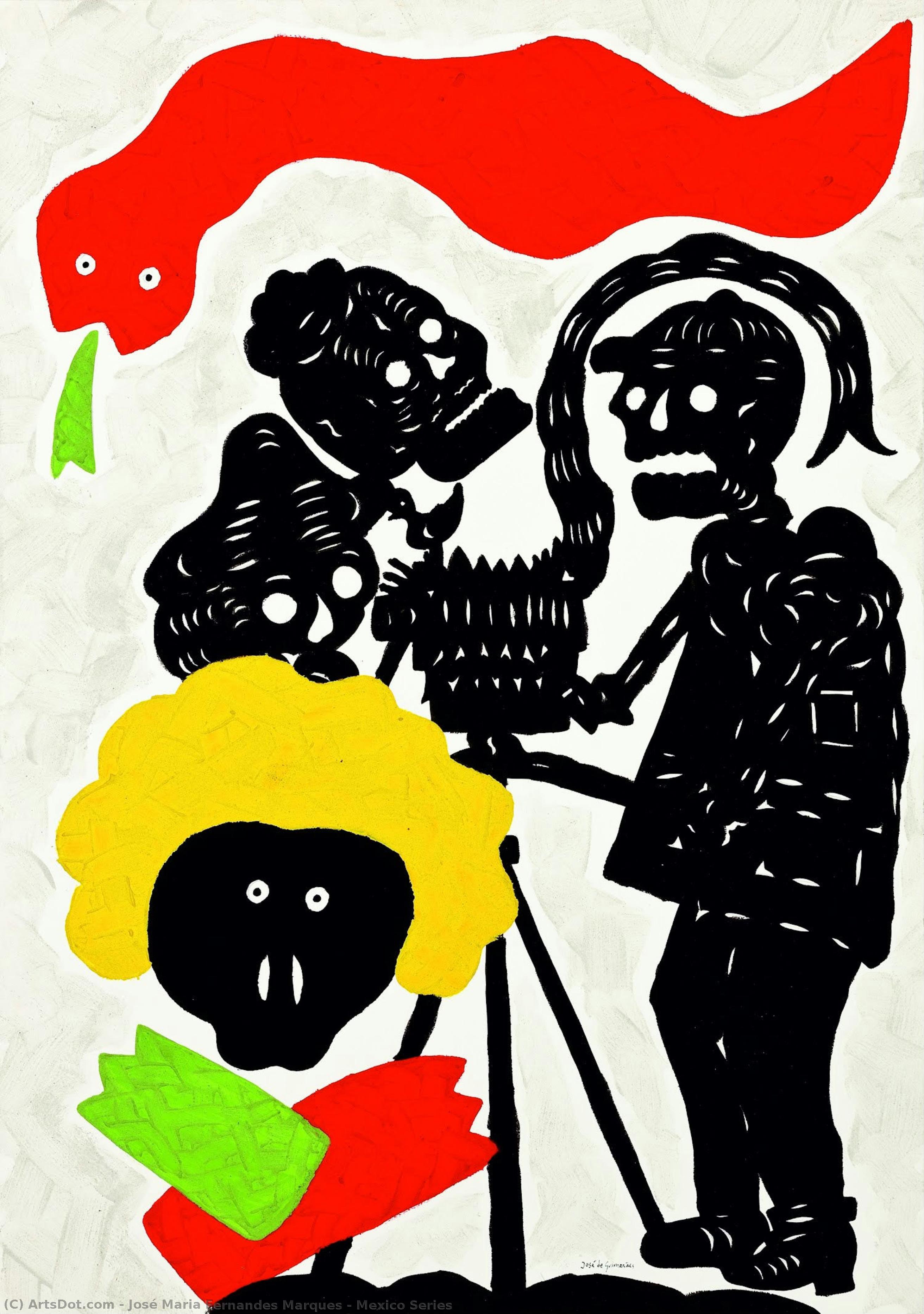
Mexico Series
 Drawing
- WallArt
- Contemporary Art
 1996
1996- Contemporary
 100.0 x 70.0 cm
 Rede Portuguesa de Arte Contemporânea a Norte
 Pročitaj više
Ručno rađena uljana reprodukcija
Ručno oslikano uljanim bojama na platnu u dimenzijama i okviru po vašem izboru, izrađeno po porudžbini od strane naših umetnika. ( Kupi print Kupi digitalnu sliku)




P118B $10

P118H $10

P118W $10

P438Z $10

P508JH $12

P508YH $12

P805H $10

P805Z $10

P919BZ $10

P919G $10

P919XJ $10

P959ZH $10

P968JZ $12

W106C $8

W218G $10

W218JH $8

W218Y $10

W307PJ $10

W316G $10

W316PJ $8

W316Y $10

W398PJ $8

W4111J $10

W500HY $15

W500JH $15

W692G $12

W849H $8

W940BG $15

W953PJ $8




Izaberite jednu od naših unapred definisanih veličina koje odgovaraju originalnim proporcijama umetničkog dela.

Можете унети сопствене димензије како бисте прилагодили дело одређеном оквиру или простору. Ако одабрана величина не одговара пропорцијама оригинала, слика ће бити исечена или проширена додатним елементима који се ручно насликавају. Дигитални prikaz ће вам бити послат на одобрење пре почетка производње.
Имајте на уму да преглед на екрану не одражава стварно исецање или проширење. Само приказ (mockup) ће тачно приказати коначну композицију.
Иако су доступне прилагођене величине, препоручујемо да одаберете димензију из дефинисане листе како бисте сачували оригиналне пропорције.
Nakon narudžbine, tim ArtsDot.com će klijentu putem e-pošte poslati uputstva i dostaviti prikaz predloženog rešenja
Isporuka širom sveta () za 3/4 nedelje umesto uobičajenih 5 nedelja. (3 септембар). Bez kompromisa po pitanju kvaliteta.

Besplatna ekspresna dostava širom sveta

Visokokvalitetno laneno platno

Kompletno osiguranje transporta

Garancija povraćaja carine i uvoznih dažbina

Garancija vernosti boja

Politika povrata u roku od 60 dana (samo u slučaju nedostataka)

Garancija povrata novca od 100%

Popust pri grupnoj kupovini
 Opcija sa staklom dostupna je samo za dimenzije manje od 110 cm

Mexico Series
Tehnika reprodukcije
Dimenzije reprodukcije
-


Konačna cena
$ 263
A Macabre Dance of Life and Memory
In the evocative "Mexico Series," created in 1996 by the esteemed Portuguese master José Maria Fernandes Marques, we are invited into a spectral realm where the boundaries between life and death dissolve into a rhythmic, monochromatic dance. This striking black and white drawing serves as a profound meditation on the cyclical nature of existence, utilizing the iconic imagery of skeletons to explore themes of mortality, celebration, and the enduring human spirit. The composition is populated by skeletal figures caught in mid-motion—some engaged in the soulful melodies of musical instruments, others locked in quiet conversation or lost in the contemplation of a book. This juxtaposition of the macabre with the mundane creates a hauntingly beautiful narrative that transcends the mere depiction of death, instead celebrating the vibrant activities that define our shared humanity.
The artist’s technique in this piece is nothing short of masterful, employing a delicate yet purposeful line work that breathes life into the bone. Through the absence of color, Marques forces the viewer to focus on the structural elegance of the figures and the intricate interplay of light and shadow. The presence of a serpent, winding through the left side of the frame, introduces an ancient layer of symbolism; much like the Ouroboros, the snake represents rebirth, transformation, and the eternal loop of time. This element adds a subtle tension to the scene, grounding the whimsical skeletal parade in a deeper, more primordial mythos that resonates with both historical tradition and contemporary intrigue.
A Timeless Addition for the Discerning Collector
For the art enthusiast or interior designer, "Mexico Series" offers a unique opportunity to introduce a piece of profound intellectual and aesthetic depth into a curated space. The stark, monochromatic palette makes it an incredibly versatile choice for sophisticated modern interiors, where it can serve as a striking focal point in a minimalist gallery wall or add a layer of historical gravity to a classic study. The artwork does not merely decorate a room; it commands attention, inviting guests to linger and decipher the subtle stories hidden within its skeletal silhouettes.
Owning a high-quality reproduction of this work allows one to possess a fragment of José de Guimarães’s visionary exploration of identity and culture. As a piece that bridges the gap between Portuguese structural sensibility and Mexican folkloric tradition, it carries an emotional weight that is both unsettling and deeply comforting. It is a testament to the idea that even in the face of mortality, there is music to be played, stories to be told, and beauty to be found in the very bones of our history.
Srodna umetnička dela


![Spotty — [ A Y S H ], Pop Art](/media/artworks/images-thumb/df/f1/dff1b6542896c83c3615d12a882787d3.jpg)

Biografija umetnika
A Life Rooted in Homeland: The Artistic Journey of José de Guimarães
José Maria Fernandes Marques, known universally as José de Guimarães, is a pivotal figure in contemporary Portuguese art whose vibrant and multifaceted work transcends simple categorization. Born in 1939 in the historic city of Guimarães – a birthplace steeped in national identity – his artistic trajectory has been one of constant exploration, fueled by an insatiable curiosity about diverse cultures and a deep-seated connection to his origins. His early life wasn’t solely focused on art; he initially pursued studies in geology and engineering before dedicating himself fully to painting and drawing in Lisbon. This unique background would profoundly shape his later artistic vision, imbuing it with a structural sensibility and an appreciation for the raw materials of the earth. The adoption of “José de Guimarães” as a pseudonym itself speaks volumes – a deliberate act of grounding his creative identity in the very soil of Portugal.From Paris to Africa: Forging a Unique Aesthetic Language
The early 1960s marked a turning point, with a move to Paris exposing him to the Fauvist movement and its bold use of color. However, it was a subsequent posting to Angola in 1967 that truly ignited his artistic revolution. This experience wasn’t merely geographical; it was transformative. Immersed in African art and culture, Guimarães began experimenting with collage, challenging conventional notions of beauty and representation. This period saw the birth of his “Arte Disturbadora” manifesto – a call to embrace contemporary materials and disrupt established norms. It was a bold statement against the backdrop of Portugal’s colonial war and restrictive political climate, using art as a vehicle for social commentary and self-expression. He wasn't simply *observing* African aesthetics; he was actively integrating them into his work, initiating a dialogue between cultures that would become a hallmark of his practice. This period also saw the development of an interest in symbolism and hidden messages within his artwork.The Alphabet as Cosmos: A Universal System of Signs
Returning to Portugal in 1974, Guimarães continued to push boundaries, venturing into sculpture in 1980. But perhaps his most distinctive achievement is the creation of a personal alphabet – a complex system of signs and symbols drawn from African art, pre-Columbian iconography, and ancient Chinese motifs. This wasn’t merely an aesthetic exercise; it was an attempt to construct a universal language, capable of transcending cultural barriers. The shapes are not arbitrary; they are imbued with meaning, reflecting his anthropological studies and his belief in the interconnectedness of human experience. His sculptures, often crafted from fiberglass and handmade paper, become vessels for this alphabet, inviting viewers to decipher their hidden narratives. The vibrant colors that characterize his work – a legacy of his Fauvist influences – further enhance the visual impact and symbolic richness of these creations.Global Recognition and Enduring Legacy
José de Guimarães’s work has garnered international acclaim, exhibited in museums across Europe, the United States, Brazil, Canada, Israel, and Japan. His commitment to fostering artistic exchange is exemplified by his involvement with the International Center of Arts José de Guimarães (CIAJG) in Guimarães – a platform dedicated to promoting creativity and intercultural dialogue. He has received numerous awards, including the title of Commander in the Order of Prince Henry the Navigator, recognizing his significant contribution to Portuguese culture. His influence extends beyond the realm of visual art, inspiring artists and scholars alike with his innovative approach to symbolism, materiality, and cultural exchange. Guimarães’s work is not simply about representing cultures; it's about creating a new one – a synthesis of global influences rooted in a profound sense of place.A Contemporary Master: Themes of Identity and the Human Condition
Today, José de Guimarães remains an active force in the art world. His enduring appeal lies in his ability to seamlessly blend personal history with universal themes. His paintings and sculptures explore fundamental questions about identity, belonging, and the human condition.- The recurring motif of animal-human hybrids speaks to our primal connection to nature.
- His use of geometric forms reflects a fascination with structure and order.
- The vibrant colors evoke emotions and create a sense of energy and vitality.
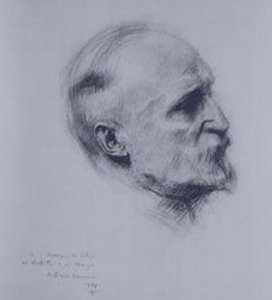
josé maria fernandes marques
1939 - , Portugal
Osnovne informacije
- Artistic Movement Or Style: Contemporary Art, Pop Art
- Artists Who Influenced This Artist:
- Fauve painting
- Michelangelo
- Morandi
- Giorgio de Chirico
- Klee
- Kandinsky
- Date Of Birth: 1939
- Date Of Death: Living
- Full Name: José Maria Fernandes Marques
- Nationality: Portuguese
- Notable Artworks:
- Homeland
- Series
- 2004
- Place Of Birth: Guimarães, Portugal
Povezani članci

White on Canvas: 10 Masterpieces & Timeless Elegance for Your Home Decor
Explore 10 iconic white paintings by Monet, Whistler & Rothko! Discover the stories behind these serene masterpieces and their impact on art history. Find museum-quality reproductions for your home decor at .

Monochrome Visions: Exploring the Aesthetic & Historical Significance of Black & White Photography
Explore the rich history & artistic power of black and white photography. From early techniques to iconic masters like Ansel Adams, discover why monochrome continues to captivate art lovers today. Expert insights for collectors.

Dark Masterpieces: 10 Iconic Paintings Dominated by Black Tones |
Explore 10 iconic paintings dominated by black tones, from Rembrandt’s chiaroscuro to Goya's dark expressions. Discover the stories behind these masterpieces & find museum-quality art reproductions for your home at .

Chromatic Absence: Exploring the Aesthetic Power of Black & White Art
Explore the captivating world of monochrome art! Discover its rich history, influential artists like Malevich & Klein, and profound emotional impact. Expert insights for collectors & design enthusiasts.
The Subtleties of White: Exploring Absence, Light & Symbolism in Art History
Explore the profound symbolism & history of white in art! From ancient purity to modern abstraction, discover how artists have used absence & light. Expert insights from ArtsDot.

