

 Pregledaj u prostoru
 Pošalji
 Podeli
 Detalji o delu

 Преузми
 Slični predmeti
 Rendgenski snimak
 Slajdovi
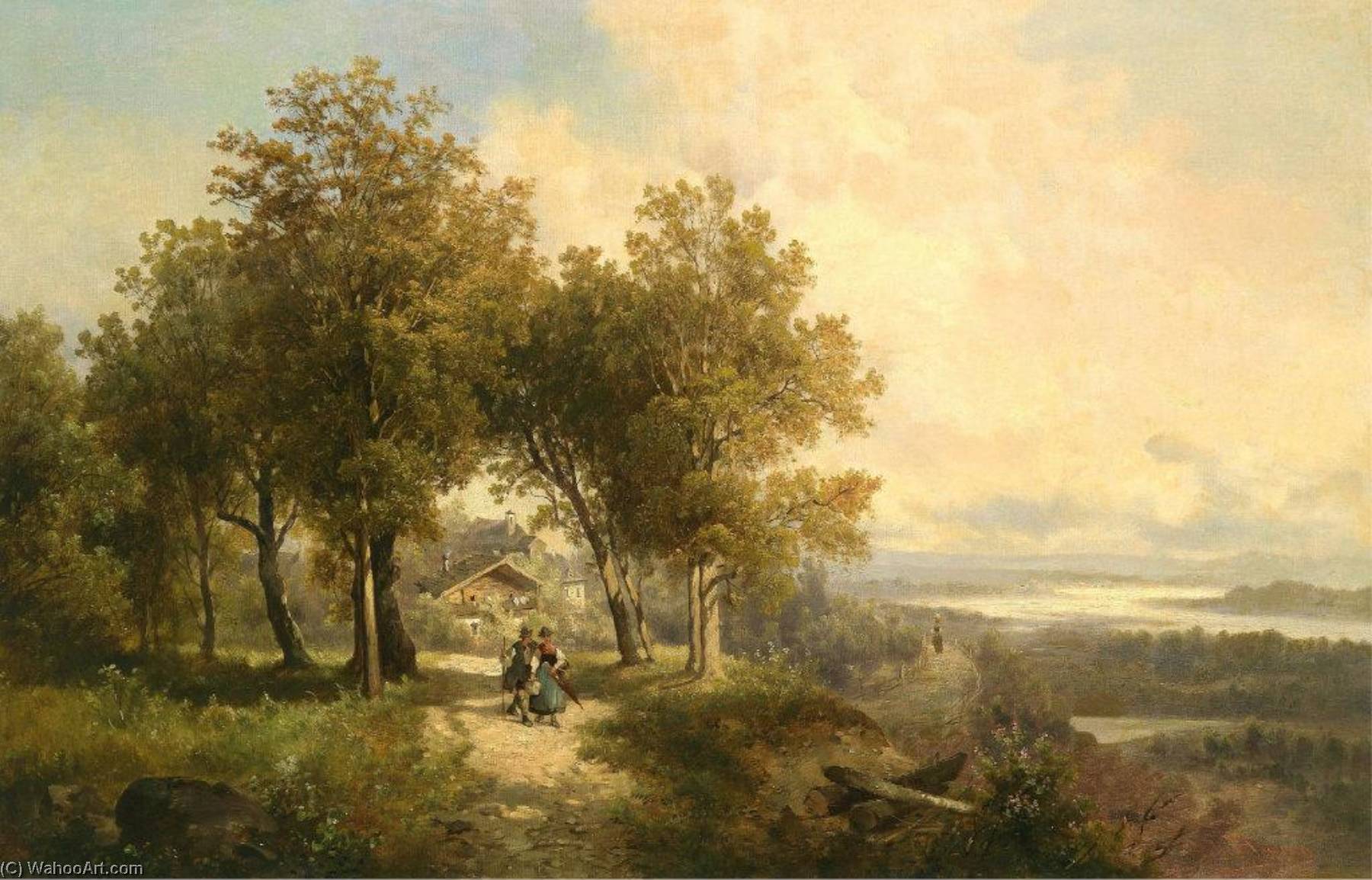
Landscape on the Bank of the Inn

 Pročitaj više
Kupite digitalnu sliku visoke rezolucije i poboljšanog kvaliteta, koja je znatno superiornija od onoga što vidite u online prikazu.
Svaka datoteka je pedantno pripremljena od strane naših stručnjaka koristeći napredne alate i profesionalnu ručnu retušu. Osiguravamo da svaka slika ima izuzetnu oštrinu, preciznu reprodukciju boja i fine detalje.
Konačna datoteka se dostavlja putem e-pošte u roku od 72 sata, optimizovana za neposrednu upotrebu u profesionalnim, izdavačkim i štamparskim okruženjima. To je isti kvalitet kojem veruju vrhunski studiji dizajna, izdavači i galerije.
Digitalna slika
Preuzmite datoteku visoke rezolucije za ličnu upotrebu, štampanje i kreativne projekte. ( Kupi print Kupi ručno naslikanu sliku)
Uključeno uz svaku porudžbinu digitalne slike
Profesionalna digitalna isporuka, zagarantovana
Kada odaberete ArtsDot.com, ne dobijate samo sliku – vi primate profesionalno unapređeno digitalno umetničko delo, izrađeno sa najvećom preciznošću i uz garanciju zadovoljstva. Evo svega što automatski dolazi uz vašu porudžbinu:

Brza dostava putem e-pošte
Vaša digitalna slika visoke rezolucije biće vam poslata putem e-pošte u roku od 72 sata od poručivanja – spremna za trenutnu upotrebu.

Digitalna datoteka unapređena veštačkom inteligencijom
Vaše umetničko delo je profesionalno optimizovano korišćenjem naprednih AI alata i ručne obrade, čime se osiguravaju maksimalni detalji, oštrina i preciznost boja.

Besplatna ponovna isporuka doživotno
Slučajno ste obrisali ili izgubili svoju datoteku? Ne brinite – poslaćemo vam je ponovo u bilo kom trenutku, potpuno besplatno.

Bez troškova uvoza – zauvek
Uživajte u svojim umetničkim delima trenutno, bez carine, dažbina ili troškova dostave – digitalni download je uvek bez poreza.

Garancija vernosti boja
Uz pomoć profesionalnih alata i upravljanja bojama, osiguravamo da vaša digitalna slika što vernije odražava originalne boje.

Garancija zadovoljstva u roku od 60 dana
Ako niste zadovoljni svojom digitalnom slikom, revidirat ćemo je ili vratiti 100% novca u roku od 60 dana – bez ikakvih pitanja.

100% garancija povrata novca
Niste zadovoljni? Obezbedite pun povrat novca u roku od 60 dana od trenutka kada ste primili svoju digitalnu datoteku – bez suvišnih pitanja.

Popusti na velike porudžbine
Kupite 3 slike, uštedite 10% - Kupite 5 slika, uštedite 15% - Kupite 10+ slika, uštedite 20%. Odlično za kreativne projekte, galerije i agencije.
Landscape on the Bank of the Inn: A Serene Glimpse of 19th-Century Austria
- Artist: Josef Thoma (1828-1899)
- Date: Unknown
- Medium: Oil on Canvas (assumed, based on similar works by the artist)
A Pastoral Scene of Tranquility
Josef Thoma's "Landscape on the Bank of the Inn" offers a captivating glimpse into 19th-century Austrian rural life. The painting depicts two figures standing beneath the sheltering canopy of trees, positioned near the tranquil waters of the Inn River. A third figure is visible in the background, adding depth and suggesting a shared appreciation for the idyllic setting. The composition emphasizes harmony and balance; the trees frame the scene, guiding the viewer's eye towards the water’s edge. The overall atmosphere exudes serenity and invites contemplation.
Style and Technique: Influences of Realism and Pastoral Tradition
Thoma was a prominent figure in Austrian landscape painting, known for his depictions of Alpine scenes and rural life. His style is rooted in realism, but infused with a romantic sensibility characteristic of the period. He demonstrates a keen observation of nature, capturing the subtle nuances of light and shadow on the foliage and water. While specific details about Thoma's technique are scarce, it’s likely he employed traditional oil painting methods, building up layers of paint to achieve depth and texture. The influence of Jean-François Millet, a French realist painter known for his depictions of peasant life, is often noted in Thoma's work – both artists shared an interest in portraying the dignity and beauty of everyday rural existence.
Historical Context: Austria in the 19th Century
The mid to late 19th century was a period of significant social and political change across Europe, including Austria. Industrialization began to transform the landscape, but there remained a strong cultural appreciation for traditional rural life. Artists like Thoma sought to capture this vanishing world, celebrating the beauty of the countryside and the simple pleasures of rural existence. His paintings reflect a desire to preserve a sense of nostalgia for a more agrarian past, even as Austria modernized.
Emotional Impact and Symbolism
“Landscape on the Bank of the Inn” evokes a feeling of peacefulness and quiet contemplation. The presence of the figures suggests human connection with nature, highlighting the restorative power of the natural world. The river itself can be interpreted as a symbol of life's journey, flowing steadily onward. The trees represent stability, shelter, and enduring strength. This artwork is not merely a depiction of a landscape; it’s an invitation to pause, reflect, and appreciate the simple beauty that surrounds us.
Srodna umetnička dela
Biografija umetnika
Josef Thoma: A Painter of Alpine Idols
Born in the heart of Austria’s Tyrolean Alps, Josef Thoma (1828-1899) emerged as a pivotal figure in 19th-century landscape painting. More than simply depicting scenic vistas, Thoma crafted immersive worlds—idyllic scenes brimming with rustic charm and imbued with a subtle, almost mystical quality. His work, deeply rooted in the Romantic tradition yet subtly anticipating Impressionism, offers a poignant glimpse into the evolving relationship between art, nature, and the human spirit. Thoma’s legacy rests not just on his technical skill but also on his ability to evoke a profound sense of peace and nostalgia for a vanishing rural world.
Early Life and Artistic Foundations
Josef Thoma was born in 1828 into a family with strong artistic connections. His father, a skilled woodcarver, instilled in him an appreciation for craftsmanship and the beauty of natural materials. While details about his early formal training are somewhat sparse, it’s believed he initially studied under local artists before pursuing further education at the Academy of Fine Arts in Munich. This period exposed him to the prevailing artistic trends of the time, including the influence of Romanticism—particularly the emphasis on dramatic landscapes and emotional expression—and the burgeoning interest in depicting everyday life. Crucially, Thoma’s early work demonstrates a fascination with the Alps, a region that would become the defining subject of his career.
The Influence of Millet and the Rise of Rustic Realism
Thoma's artistic trajectory was significantly shaped by Jean-François Millet, whose depictions of rural laborers resonated deeply with the artist. Millet’s focus on the dignity and hardship of peasant life—often rendered in a strikingly realistic manner—provided Thoma with a model for portraying the simple virtues of rural communities. However, unlike Millet's often stark social commentary, Thoma’s landscapes are characterized by an almost idealized serenity. He skillfully captured the golden light of the Alps, transforming ordinary scenes into moments of profound beauty and tranquility. His paintings frequently feature humble dwellings nestled amongst towering peaks, shepherds tending their flocks, and villagers engaged in everyday activities—all presented with a remarkable sensitivity to detail and color.
Technique and Style: Light, Color, and the Alpine Vision
Thoma’s technical mastery lies primarily in his ability to capture the ephemeral qualities of light and atmosphere. He meticulously observed how sunlight filtered through the mountain peaks, casting long shadows and creating a sense of depth and perspective. His palette is predominantly muted—a blend of browns, greens, and blues—that perfectly reflects the colors of the Alpine landscape. He employed a technique that can be described as “atmospheric,” prioritizing the suggestion of form over precise detail. This approach allowed him to create paintings that felt both realistic and dreamlike, evoking a sense of timelessness and serenity. The use of subtle gradations of color and carefully rendered textures—particularly in depicting the rough bark of trees or the weathered surfaces of buildings—contributed significantly to the tactile quality of his work.
Legacy and Historical Significance
Josef Thoma’s paintings represent a significant contribution to the development of landscape art in Austria. His focus on the Alpine region, combined with his masterful use of light and color, established him as one of the most celebrated artists of his time. While often compared to Millet, Thoma developed a distinctly individual style—one that captured the unique beauty and spirit of the Austrian Alps. His work continues to resonate today, offering viewers a poignant reminder of the enduring power of nature and the simple pleasures of rural life. His paintings are now housed in major museums across Europe, testament to his lasting artistic impact. Thoma’s legacy lies not only in his beautiful landscapes but also in his ability to evoke a profound sense of peace and nostalgia for a world that is rapidly disappearing.
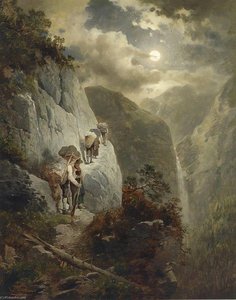
josef thoma
1828 - 1899
Kratke činjenice
- Artistic Movement Or Style: Romantic Landscape
- Artists Or Movements Influenced By This Artist: ['Romanticism']
- Artists Who Influenced This Artist:
- Delacroix
- Friedrich
- Date Of Birth: 1828
- Date Of Death: 1899
- Full Name: Josef Thoma
- Nationality: Austrian
- Notable Artworks:
- Berglandschaft
- Gebirgslandschaft
- Jäger schießt Raubvogel
- Place Of Birth: Austria

