

 Pregledaj u prostoru
 Pošalji
 Podeli
 Detalji o delu

 Преузми
 Slični predmeti
 Rendgenski snimak
 Slajdovi
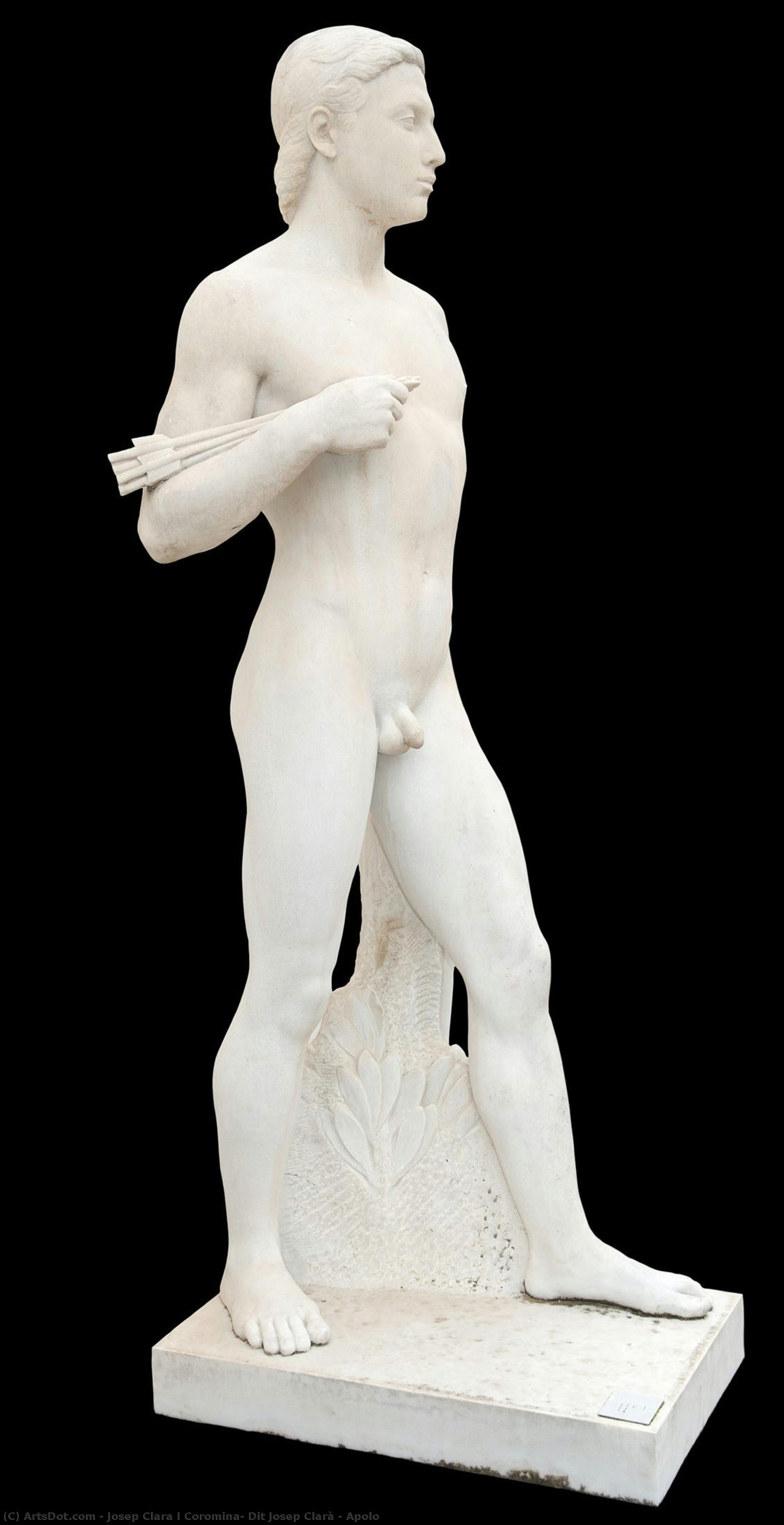
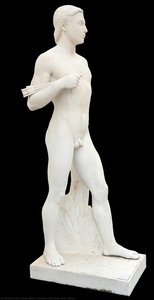
Apolo
 1934
1934 90.0 x 230.0 cm
 Vil·la Casals-Museu Pau Casals
 Pročitaj više
Ručno rađena uljana reprodukcija
Ručno oslikano uljanim bojama na platnu u dimenzijama i okviru po vašem izboru, izrađeno po porudžbini od strane naših umetnika. ( Kupi print Kupi digitalnu sliku)




































Izaberite jednu od naših unapred definisanih veličina koje odgovaraju originalnim proporcijama umetničkog dela.

Можете унети сопствене димензије како бисте прилагодили дело одређеном оквиру или простору. Ако одабрана величина не одговара пропорцијама оригинала, слика ће бити исечена или проширена додатним елементима који се ручно насликавају. Дигитални prikaz ће вам бити послат на одобрење пре почетка производње.
Имајте на уму да преглед на екрану не одражава стварно исецање или проширење. Само приказ (mockup) ће тачно приказати коначну композицију.
Иако су доступне прилагођене величине, препоручујемо да одаберете димензију из дефинисане листе како бисте сачували оригиналне пропорције.
Nakon narudžbine, tim ArtsDot.com će klijentu putem e-pošte poslati uputstva i dostaviti prikaz predloženog rešenja
Isporuka širom sveta () za 3/4 nedelje umesto uobičajenih 5 nedelja. (7 септембар). Bez kompromisa po pitanju kvaliteta.

Besplatna ekspresna dostava širom sveta

Visokokvalitetno laneno platno

Kompletno osiguranje transporta

Garancija povraćaja carine i uvoznih dažbina

Garancija vernosti boja

Politika povrata u roku od 100 dana (samo u slučaju nedostataka)

Garancija povrata novca od 100%

Popust pri grupnoj kupovini
 Opcija sa staklom dostupna je samo za dimenzije manje od 110 cm

Apolo
Tehnika reprodukcije
Dimenzije reprodukcije
-


Konačna cena
$ 263
Srodna umetnička dela







Biografija umetnika
The Sculptor of Mediterranean Grace
In the quiet, artistic cradle of Olot, Girona, a profound journey began in 1878 with the birth of Josep Clarà i Ayats. His early years were marked by a burgeoning sensitivity to form and light, nurtured within the walls of the Olot School of Drawing. It was here that the mentorship of Professor Josep Berga i Boint provided the vital spark; when his youthful sketches were met with high praise from masters like Joaquim Vayreda, Clarà’s destiny as an artist was irrevocably sealed. This early validation acted as a catalyst, propelling him away from the familiar landscapes of Catalonia toward the grander, more turbulent stages of European art.
The turn of the century brought Clarà to the prestigious Toulouse École Supérieure des Beaux-Arts in France, a move that would fundamentally alter his artistic trajectory. It was during this period of intense study that he encountered the monumental presence of Auguste Rodin. The influence of the master of movement and emotion breathed life into Clarà’s ambitions, steering him away from the initial promise of painting and toward the tactile, three-dimensional world of sculpture. As he settled in Paris around 1900, his creative spirit began to absorb the cosmopolitan energy of the era, finding a profound connection with the works of Arístides Maillol and the classical rigor of Louis-Ernest Barrias.
A Synthesis of Movement and Mediterranean Soul
Clarà’s work is a captivating dialogue between the raw emotion of symbolism and the serene stability of the Mediterranean tradition. In his early Parisian years, one can sense the lingering shadows of Rodin—a fascination with the way light dances across textured surfaces to evoke human suffering and passion. This was perhaps most vividly captured in his evocative sketches and sculptures inspired by the legendary dancer Isadora Duncan; through his hands, her fluid, rhythmic movements were frozen in a state of eternal grace. Yet, as his career matured, Clarà moved toward a more purified aesthetic, heavily influenced by the Noucentisme movement.
This evolution saw him embracing a style characterized by:
- Solidity and Compactness: A departure from fragmented forms in favor of unified, powerful volumes.
- Classical Resonance: A deep reverence for Greco-Latin references that sought to idealize the human figure.
- Mediterranean Light: An ability to capture the clarity and warmth of his ancestral roots through smooth, polished surfaces.
His artistic language became one of formal synthesis, where the complexity of emotion was distilled into the purity of shape. This transition reflected a broader cultural shift in Catalonia, as he sought to find beauty in the essential, stripping away the superfluous to reveal the timeless strength of the human form.
Legacy and the Return to Catalonia
The life of Josep Clarà was one of constant movement, spanning the vibrant art capitals of London, Berlin, and Paris, and even reaching as far as the United States. His participation in the sculpture event at the 1924 Summer Olympics stands as a testament to his international standing, marking him as a sculptor of global significance. However, despite his triumphs on the world stage, a deep-seated connection to his homeland remained an unbreakable thread in his creative tapestry.
Following the political upheavals of the 1930s, Clarà made the definitive choice to return to Barcelona. This homecoming marked a monumental phase of his career, as he turned his attention to public spaces and large-scale commissions that would leave an indelible mark on the Catalan landscape. His later works, characterized by an even greater search for beauty and monumental dignity, served to anchor his legacy within the very soil from which he emerged. Today, Josep Clarà is remembered not merely as a student of the greats, but as a master who successfully synthesized the dramatic intensity of modernism with the enduring, sun-drenched elegance of the Mediterranean spirit.
josep clara i coromina, dit josep clarà
1878 - 1958 , Spain
Osnovne informacije
- Artistic Movement Or Style: Mediterranean
- Artists Or Movements Influenced By This Artist: ['Josep Berga i Boix']
- Artists Who Influenced This Artist:
- Auguste Rodin
- Louis-Ernest Barrias
- Date Of Birth: December 16, 1878
- Date Of Death: November 4, 1958
- Full Name: Josep Clarà i Ayats
- Nationality: Spanish
- Notable Artworks:
- Apolo
- Estàtica
- Place Of Birth: Olot, Spain