

 Pregledaj u prostoru
 Pošalji
 Podeli
 Detalji o delu

 Преузми
 Slični predmeti
 Rendgenski snimak
 Slajdovi
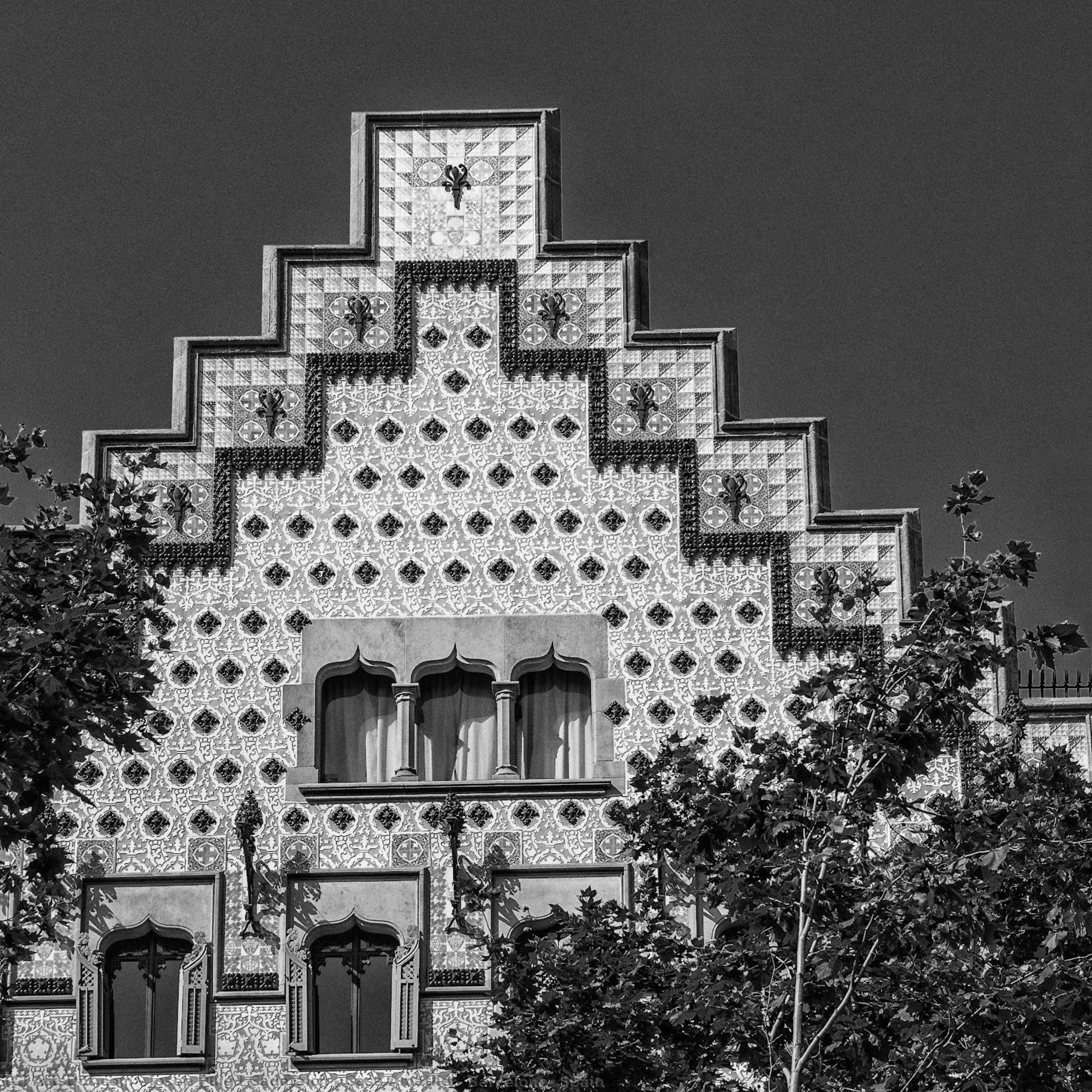
Casa Amatller, Barcelona, Spain


 Pročitaj više
Ručno rađena uljana reprodukcija
Ručno oslikano uljanim bojama na platnu u dimenzijama i okviru po vašem izboru, izrađeno po porudžbini od strane naših umetnika. ( Kupi print Kupi digitalnu sliku)




P118B $10

P118H $10

P118W $10

P438Z $10

P508JH $12

P508YH $12

P805H $10

P805Z $10

P919BZ $10

P919G $10

P919XJ $10

P959ZH $10

P968JZ $12

W106C $8

W218G $10

W218JH $8

W218Y $10

W307PJ $10

W316G $10

W316PJ $8

W316Y $10

W398PJ $8

W4111J $10

W500HY $15

W500JH $15

W692G $12

W849H $8

W940BG $15

W953PJ $8




Izaberite jednu od naših unapred definisanih veličina koje odgovaraju originalnim proporcijama umetničkog dela.

Можете унети сопствене димензије како бисте прилагодили дело одређеном оквиру или простору. Ако одабрана величина не одговара пропорцијама оригинала, слика ће бити исечена или проширена додатним елементима који се ручно насликавају. Дигитални prikaz ће вам бити послат на одобрење пре почетка производње.
Имајте на уму да преглед на екрану не одражава стварно исецање или проширење. Само приказ (mockup) ће тачно приказати коначну композицију.
Иако су доступне прилагођене величине, препоручујемо да одаберете димензију из дефинисане листе како бисте сачували оригиналне пропорције.
Nakon narudžbine, tim ArtsDot.com će klijentu putem e-pošte poslati uputstva i dostaviti prikaz predloženog rešenja
Isporuka širom sveta () za 3/4 nedelje umesto uobičajenih 5 nedelja. (26 август). Bez kompromisa po pitanju kvaliteta.

Besplatna ekspresna dostava širom sveta

Visokokvalitetno laneno platno

Kompletno osiguranje transporta

Garancija povraćaja carine i uvoznih dažbina

Garancija vernosti boja

Politika povrata u roku od 60 dana (samo u slučaju nedostataka)

Garancija povrata novca od 100%

Popust pri grupnoj kupovini
 Opcija sa staklom dostupna je samo za dimenzije manje od 110 cm

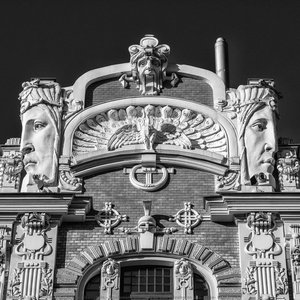
Casa Amatller, Barcelona, Spain
Tehnika reprodukcije
Dimenzije reprodukcije
-


Konačna cena
$ 263
Opis umetničkog dela
Casa Amatller: Gaudí's Bold Experiment in Catalan Modernisme
Josep Puig i Cadafalch’s Casa Amatller stands as an emblem of Barcelona and the broader Catalan Modernista movement—a testament to Antoni Gaudí’s visionary ambition and his groundbreaking approach to architectural design. Completed in 1898, this building isn't merely a residence; it’s a meticulously crafted manifesto of artistic innovation that continues to captivate observers today.
A Synthesis of Gothic Reverie and Geometric Precision
Puig i Cadafalch skillfully blended influences from medieval Catalan Gothic architecture with the burgeoning geometric dynamism of Art Nouveau. The façade itself embodies this duality—a monumental stepped pyramid reminiscent of European castles, yet punctuated by an astonishing array of interlocking ceramic tiles arranged in complex geometric patterns. These patterns aren’t random; they represent a deliberate effort to harness mathematical principles to achieve aesthetic harmony.
The Ceramic Tile Symphony: Technique and Material Choice
The distinctive appearance of Casa Amatller owes its beauty largely to the masterful execution of Catalan ceramic tile makers. Each tile is individually crafted, meticulously glazed in vibrant hues—primarily ochre, crimson, and cobalt blue—and arranged according to a precise grid system. This technique reflects Gaudí’s fascination with natural forms translated into architectural space; it demonstrates how organic inspiration can be channeled through rigorous geometric control.
Symbolism Rooted in Catalan Identity
Beyond its formal brilliance, Casa Amatller carries profound symbolic significance. Constructed for Antoni Amatller i Rocafort, a wealthy chocolatier and ardent supporter of Catalan cultural revival, the building embodies the aspirations of Catalonia’s intelligentsia—a desire to forge a new artistic language rooted in tradition while embracing modernity. The stepped pyramid form symbolizes stability and aspiration, mirroring the Catalan quest for independence from Spain.
An Emotional Resonance: Grandeur and Artistic Innovation
Standing before Casa Amatller evokes a powerful emotional response—one of awe at its scale and intricacy, coupled with admiration for Gaudí’s unparalleled artistic vision. It's more than just a building; it’s an experience—a journey into the heart of Catalan Modernisme and a celebration of architectural innovation that continues to inspire artists and designers worldwide.
Srodna umetnička dela



Biografija umetnika
Josep Puig i Cadafalch: Life and Legacy
Early Life and Education
- Born in Mataró, Spain on October 17, 1867, Josep Puig i Cadafalch was a pivotal figure in the Catalan Modernista movement.
- He received his initial architectural training at the Provincial School of Architecture in Barcelona, demonstrating an early aptitude for design and innovation.
- His education extended beyond technical skills; he possessed a strong interest in history, law, and politics, which would profoundly influence his work throughout his life.
Architectural Development and Influences
- Puig i Cadafalch’s architectural style was deeply rooted in the Modernisme movement, characterized by organic forms, intricate ornamentation, and a revival of Catalan Gothic traditions.
- He drew inspiration from diverse sources including medieval architecture, particularly Gothic and Arabic styles, as well as contemporary movements like Art Nouveau.
- His early works demonstrate a blend of historical references with innovative structural solutions, setting him apart from his contemporaries.
Major Architectural Achievements
- Casa Martí (Els Quatre Gats): Perhaps his most iconic creation, Casa Martí served as a meeting place for artists, writers, and intellectuals, becoming the epicenter of Catalan Modernism.
- Casa Amatller: Located next to Antoni Gaudí’s Casa Batlló on Passeig de Gràcia, Casa Amatller is a stunning example of Puig i Cadafalch's mastery of ornamentation and detail. It showcases his unique blend of Gothic and Modernista elements.
- Other notable works include the Casa Terrades (Casa de les Punxes), the Palau del Baró de Quadras, and various renovations of historical buildings.
Political Career and Cultural Advocacy
- Puig i Cadafalch was not only a celebrated architect but also an active politician deeply committed to Catalan identity and autonomy.
- He served as a Barcelona City Councillor (1901-1903), a member of the Spanish Parliament (1907-1910), and the second President of the Commonwealth of Catalonia (1917-1924).
- From 1942 until his death, he presided over the Institut d'Estudis Catalans, dedicating himself to preserving and promoting Catalan language, culture, and history.
Historical Significance and Legacy
- Puig i Cadafalch played a crucial role in shaping Barcelona’s architectural landscape during its golden age of Modernisme.
- His buildings are not merely structures but cultural landmarks that embody the spirit of Catalan identity and artistic innovation.
- He was a tireless advocate for Catalan culture, actively documenting historical sites and promoting linguistic preservation.
- His work continues to inspire architects and designers today, solidifying his place as one of Catalonia’s most important figures.
Later Life and Death
- Puig i Cadafalch continued his scholarly pursuits and cultural advocacy until his death in Barcelona on December 21, 1956.
- His contributions to architecture, politics, and Catalan culture left an indelible mark on the region’s history and identity.
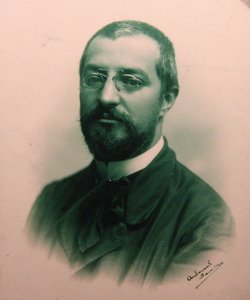
Josep Puig i Cadafalch
1867 - 1956 , Spain
Osnovne informacije
- Els Quatre Gats: Casa Amatller
- Birth Date: 1867-10-17
- Birth Place: Mataró, Spain
- Death Date: 1956-12-21
- Influenced: None, 'influenced by': None, 'movement': 'Modernisme (Catalan Modernism)', 'name': 'Josep Puig i Cadafalch', 'nationality': 'Spanish', 'notable works':
Povezani članci

Josep Mompou Dencausse: Exploring Intimacy & Catalan Identity Through Minimalist Expression
Explore the captivating world of Josep Mompou Dencausse, a master of Post-Impressionism whose intimate paintings reflect Catalan identity and minimalist beauty. Discover his life, style & legacy.
Josep Cusachs i: Exploring Catalan Modernism Through Social Commentary & Artistic Innovation
Explore the captivating world of Josep Cusachs i, a key figure in Catalan Modernism. Discover his realist paintings, social commentary, and influence on 19th-century Spanish art. Hand-painted reproductions available at ArtsDot.
Joaquim Mir: A Catalan Visionary – Exploring Symbolism, Landscape & Modernist Aesthetic
Explore the captivating world of Joaquim Mir, a pivotal Catalan Modernisme painter. Discover his vibrant landscapes, symbolic depth & lasting influence on Spanish art history. Learn more at ArtsDot.

Charles Sheeler Jr.: Precisionism, Industrial Aesthetics & the American Modernist Vision
Explore the groundbreaking work of Charles Sheeler Jr., a pivotal figure in American Precisionism. Discover his iconic industrial landscapes, photographic studies & lasting influence on modernist art. Expert insights for collectors.
José Mongrell Torrent: A Study of Catalan Modernism's Intimate Landscapes & Artistic Voice
Explore the captivating world of José Mongrell Torrent, a key figure in Catalan Modernism. Discover his intimate landscapes, portraiture mastery & influence from Sorolla. Learn about this Spanish Impressionist's legacy.

